-
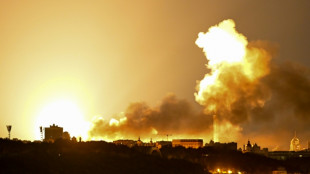 Russian missile, drone barrage kills 11 across Ukraine at night
-
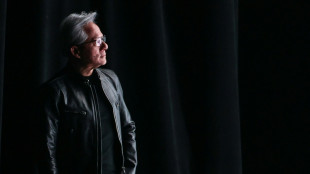
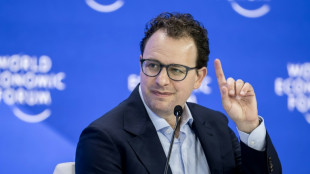
Pay workers 'as much as possible', Nvidia's Huang says
-
 Israel, Hezbollah clash ahead of US-hosted talks
-
Indie horror flicks 'Obsession' and 'Backrooms' draw Gen Z to cinema

-
 French wine growers plant trees to protect vines from climate
-
Fears of hunger overwhelm Guatemalan village as El Nino approaches

-
 Between ballet and war: Japanese dancers pursue dreams in Russia
-
Ukrainian haiku poet finds small miracles in war

-
 'Messi, Maradona, Tim': NZ footballer's viral fan club hits 4 million
-
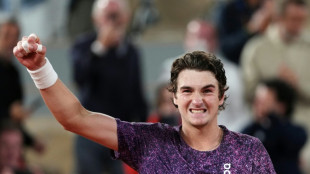
For Roland Garros youth, quarter-final moment of truth
-
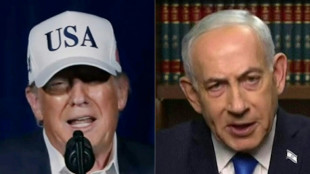 Asian stocks swing on mixed signals over Middle East
-
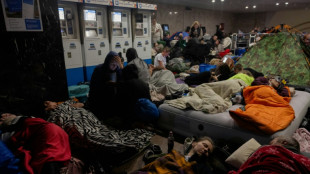
Russian missiles rock Kyiv, kill several in eastern Ukraine
-
 Bollywood divided over bid to cap punishing work hours
-
Hanoi curbs kerb culture as city clamps down on pavement vendors

-
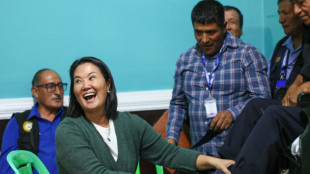 Peru votes in tight runoff as Fujimori makes fresh bid for power
-
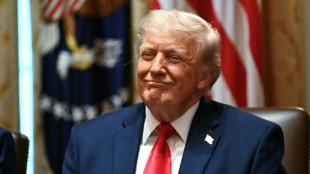
As Trump cheerleads for AI, some in MAGA world fret
-
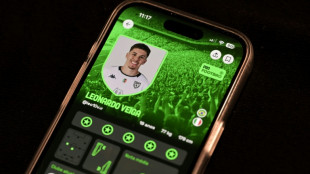 AI unearths football talent beyond scouts' radar
-
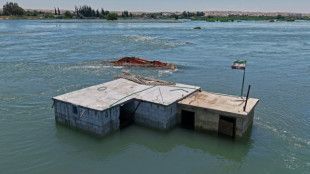
Euphrates flood deprives east Syria farmers from crops
-
 Vital to keep a UN force in Lebanon after current peacekeepers depart: Guterres
-
Australia says wheat crop set to plunge

-
 InterContinental Hotels Group PLC Announces Transaction in Own Shares - June 02
-
Evotec Appoints Rui Wang as Head of Global In Silico and AI
-
 MindMaze Therapeutics Announces Non-Core Asset Sale and Organizational Simplification
-
IXOPAY Launches Payments Intelligence and IXONav, an AI Payments Assistant Built to Unlock Real-Time Insights Across the Payments Journey

-
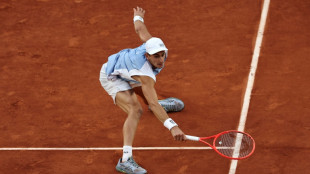 Arnaldi outlasts Tiafoe in marathon that 'wasn't tennis, was something else'
-
Lebanon says Hezbollah accepted US proposal to stop attacks

-
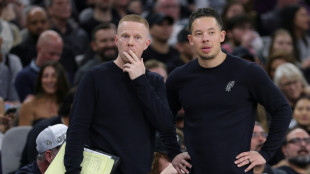 NBA Magic hire Spurs assistant Sweeney as new head coach
-
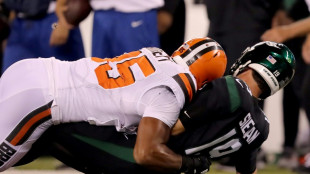
Huge NFL deals send Garrett to Rams, Brown to Patriots
-
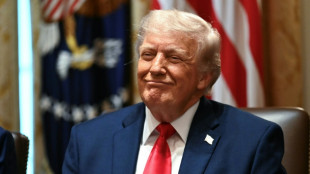 Trump admin agrees to temporarily freeze 'slush fund' for allies
-
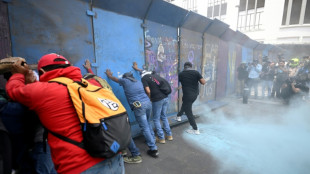
Mexican police tear-gas teachers' protest 10 days before World Cup
-
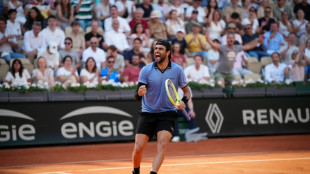 Berrettini back in French Open quarters after injury 'darkness'
-
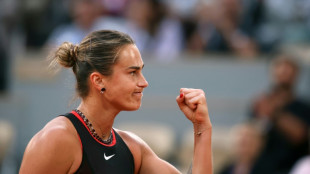
Sabalenka bests Osaka at French Open, Berrettini into quarters
-
 Sabalenka overpowers Osaka to reach French Open quarter-finals
-
Pro-Trump lawyer, leftist senator launch Colombia runoff campaigns
-
 EU reaches deal on 'return hubs' migration reform
-
Lebanon's US embassy says Hezbollah accepted US proposal to stop attacks

-
 Florida sues OpenAI, CEO Altman over ChatGPT harm to minors
-
Macron announces 93 bn euros in 'Choose France' foreign investments
-
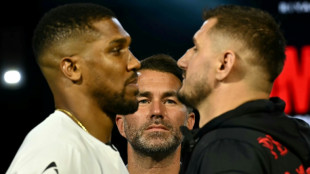 Joshua says 'only success' matters as Fury fight looms
-
UN Security Council to meet on Lebanon war as Israeli forces push into south

-
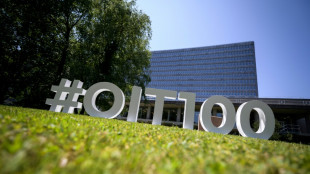 UN agency blocks Trump official's appointment over US arrears
-
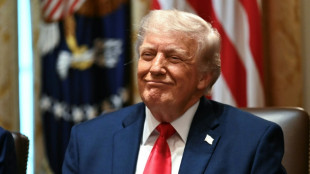
Trump says Israel, Hezbollah agree to halt fighting
-
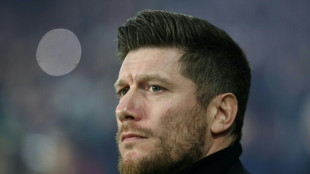 Monaco sack coach Pocognoli
-
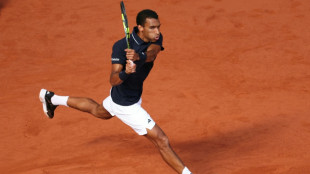
Auger-Aliassime gallops past Tabilo and into last eight
-
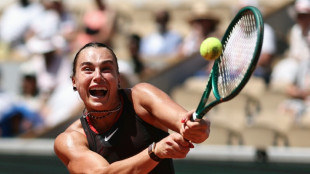 Sabalenka to face Osaka, Berrettini into French Open quarters
-
AI giant Anthropic confidentially files for IPO
-
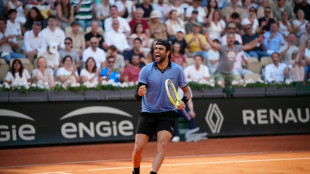 'Resilient' Berrettini powers into French Open last eight
-
Colombia right-winger accused of 'stealing' national jersey

-
 Still in the game: Athletes who made comeback in their 40s
-
Iran truce on the rocks as Guards threaten 'new fronts'

EU: How do we deal with Donald Trump?
The prospect of Donald Trump returning to the Oval Office as the 47th President of the United States presents the European Union (EU) with a complex array of challenges and considerations. A renewed Trump presidency could significantly alter the transatlantic relationship, impacting economic ties and security cooperation. It is imperative for the EU to proactively assess its strategies to navigate this potential shift in U.S. foreign policy.
Recalibrating Diplomatic Engagement
Under President Trump's previous tenure, the transatlantic alliance experienced strains over issues such as trade tariffs, NATO funding, and differing approaches to global agreements like the Paris Climate Accord and the Iran Nuclear Deal. The EU should prepare for a diplomatic landscape where unilateral U.S. decisions might resurface. Strengthening intra-EU cohesion and presenting a unified front in negotiations could enhance the bloc's ability to manage disagreements effectively.
Economic Implications and Trade Policies
A Trump administration may revisit protectionist trade policies, potentially reinstating tariffs on European goods. The EU should consider:
- Diversifying Trade Partnerships: Reducing reliance on the U.S. market by expanding trade agreements with other global partners could mitigate economic risks.
- Enhancing Internal Markets: Strengthening the Single Market can bolster the EU's economic resilience against external shocks.
- Negotiating Trade Terms: Proactive engagement with U.S. counterparts to find mutually beneficial trade arrangements may prevent escalations.
Security and Defense Considerations
Trump's previous criticisms of NATO and demands for increased defense spending from European allies could resurface. The EU might need to:
- Boost Defense Capabilities: Investing in European defense initiatives can reduce dependency on U.S. military support.
- Promote Strategic Autonomy: Developing independent security strategies allows the EU to respond to global threats more effectively.
- Maintain Open Channels: Continuous dialogue with U.S. defense officials is crucial to preserve cooperation on shared security interests.
Climate Change and Environmental Policies
Given Trump's past withdrawal from the Paris Climate Accord, environmental collaboration may face challenges. The EU should:
- Lead Global Efforts: Continue to champion climate initiatives on the international stage, encouraging other nations to commit to environmental goals.
- Engage in Dialogue: Seek common ground with the U.S. on specific environmental issues where cooperation is possible.
Addressing Global Governance and Multilateralism
A shift towards unilateralism in U.S. foreign policy could undermine multilateral institutions. The EU can:
- Support International Organizations: Reinforce commitment to the United Nations, World Trade Organization, and other bodies to uphold global governance structures.
- Forge Alliances: Collaborate with like-minded countries to promote a rules-based international order.
Mitigating Risks of Geopolitical Tensions
Potential policy divergences on relations with countries like China, Russia, and Iran require careful navigation. The EU should:
- Develop Cohesive Foreign Policies: Align member states on key foreign policy positions to present a united stance.
- Engage in Strategic Dialogue: Maintain open communications with the U.S. to manage disagreements and prevent escalations.
Conclusion
A potential second Trump presidency necessitates that the European Union reassesses its approach to transatlantic relations. By prioritizing unity, enhancing strategic autonomy, and engaging in proactive diplomacy, the EU can mitigate potential economic and security risks. Preparing for various scenarios ensures that the EU remains resilient and capable of upholding its interests on the global stage.

EU: Online platforms to pay tax?
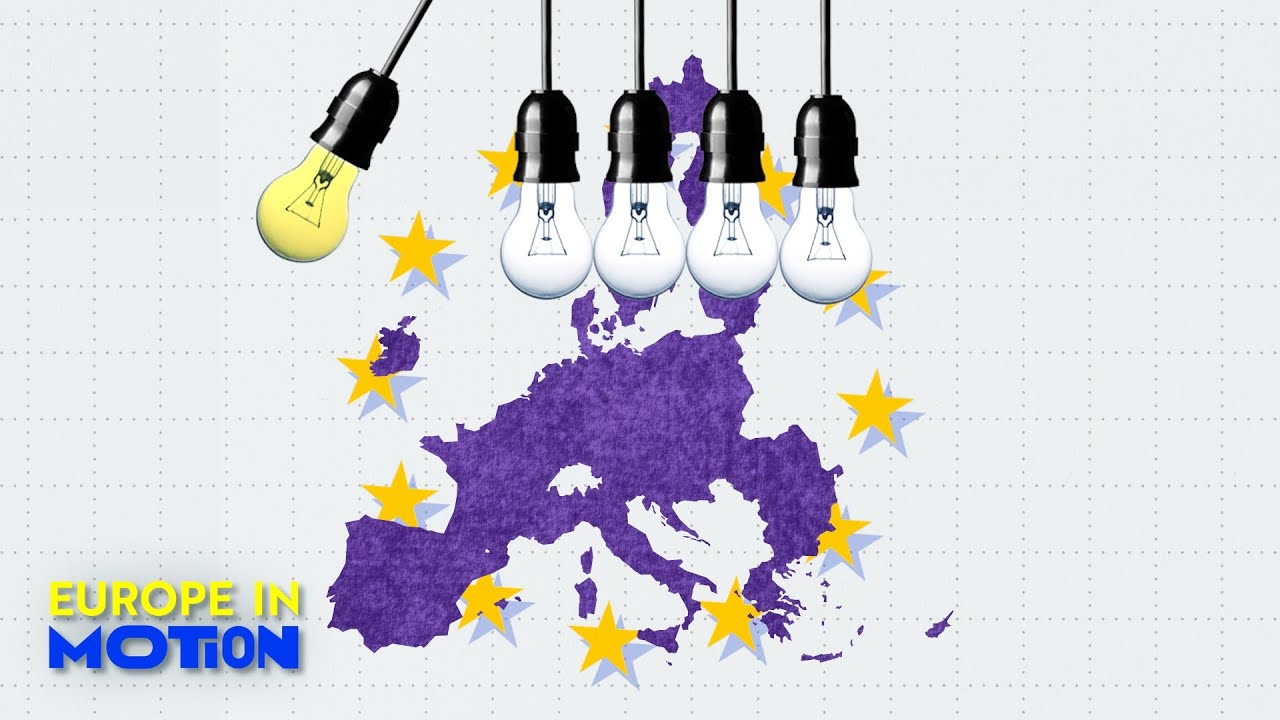
EU: Energy independence achieved!
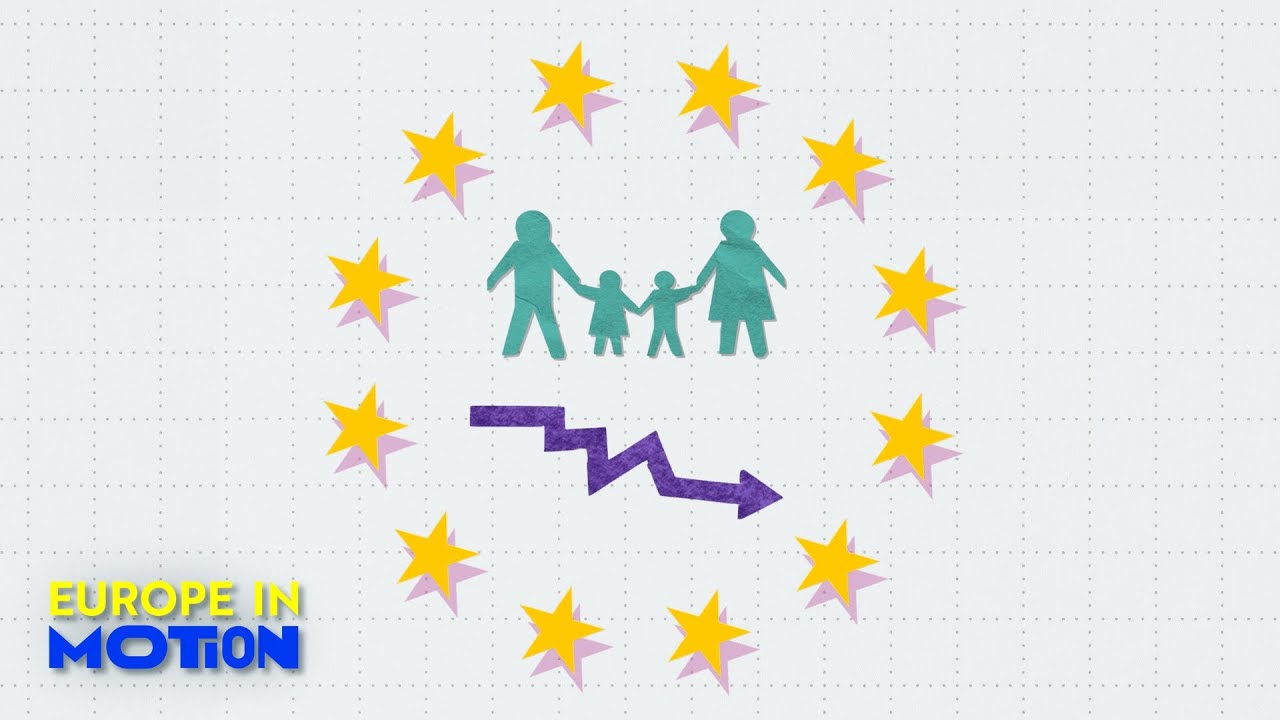
EU: Record number of births!
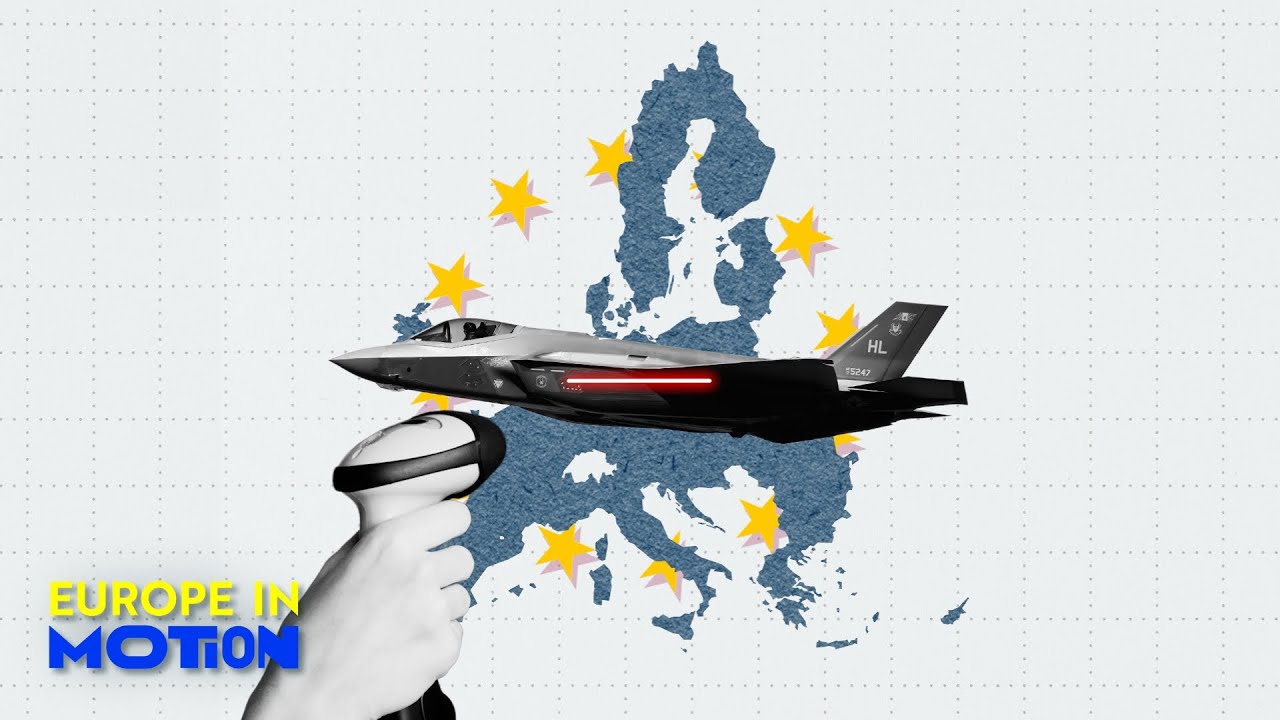
EU: Military spending is on the rise!
Crisis: EU bicycle production drops!

EU: Foreign-controlled enterprises?
EU DECODED: Deforestation law’s trade-offs
Underwater Wi-Fi: European startups woo investors

Cultural year 2024: between Qatar and Morocco
Planning a wellness break? Poland!

Studio Kremlin: creative co-working in Paris