-
 Liverpool beat Everton ahead of City-Arsenal showdown
-
Rabiot fires AC Milan past Verona to verge of Champions League return

-
 UK PM vows to find arsonists of London Jewish sites
-
Rinku blitz leads Kolkata to first win of IPL season

-
 Shelton wins fifth ATP title with victory in Munich
-
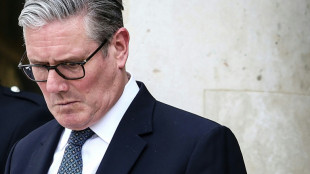
UK's Starmer to face grilling from MPs over Mandelson scandal
-
 Trump again threatens Iran infrastructure as he orders negotiators to Pakistan
-
Rybakina outclasses Muchova to win Stuttgart WTA title

-
 Blasi stuns field with victory in women's Amstel Gold Race
-
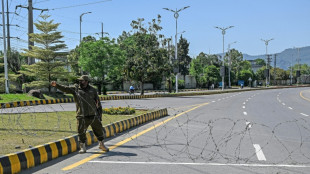
Pakistan tightens security in Islamabad ahead of US-Iran talks
-
 Nagelsmann backs injured Gnabry as World Cup doubts grow
-
Rampant South Africa tame Argentina to win Hong Kong Sevens at last

-
 Turkey 'optimistic' Middle East ceasefire will be extended
-
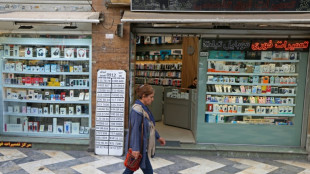
Iran entrepreneurs angered by months-long internet blackout
-
 UK PM says 'appalled' by arson attacks against Jewish sites in London
-
Pope Leo XIV calls for 'hope' before 100,000 faithful in Angola

-
 Champions League or bust for Atletico after Copa del Rey agony
-
Rat poison found in baby food jar in Austria as products recalled

-
 Humans far behind as robot breaks record at Beijing half marathon
-
Zelensky slams oil sanctions relief for Russia

-
 Thousands gather for Pope Leo's first mass in Angola
-
French billionaire shrugs off mass exodus at hallowed French publisher

-
 'DJ Priest' mixes religion and rave in Buenos Aires tribute to Pope Francis
-
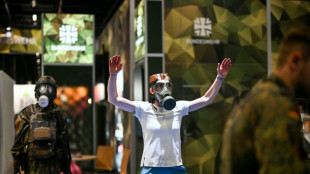
Fit in fatigues: German army presses recruitment drive
-
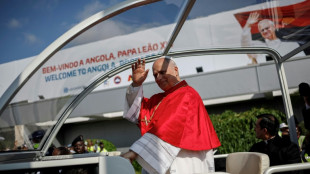 Pope Leo to hold giant mass for Angola's Catholics
-
From Armin van Buuren to Mochakk, electronic music dominates Coachella

-
 Hollywood, Silicon Valley turn out for the 'Oscars of Science'
-
Australian soldier charged with war crimes vows to clear his name

-
 Branded pop-up events take center stage at Coachella
-
AI 'agent' fever comes with lurking security threats
-
 How France fell for reimagined 19th-century workers' canteens
-
South Korea's chainsaw artist carves a name for herself at 91

-
 Blue Origin set to launch rocket with reusable booster for first time
-
Strait of Hormuz to stay closed until port blockade lifts, Iran says

-
 Iraq fish die-off leaves farmers mourning lost livelihoods
-
Crisis-hit Bulgaria votes in eighth election in five years

-
 'Pure joy' for Matarazzo after Copa del Rey triumph
-
Messi scores winner as Miami down Colorado on coach debut

-
 Nuggets hold off T'Wolves, Cavs thump Raptors in NBA playoff openers
-
Fitzpatrick extends lead as Scheffler charges at RBC Heritage

-
 Real Sociedad secure Copa del Rey penalty triumph over Atletico
-
'Scandalous' Marseille lose at Lorient, dent Champions League bid

-
 Arteta urges Arsenal to have no regrets in Man City title showdown
-
Substitute Dupont helps Toulouse cruise past Castres in Top 14

-
 Questions surround Warriors after NBA play-in exit
-
Man Utd beat Chelsea as Spurs stunned by Brighton equaliser

-
 Cunha steers Man Utd towards Champions League at Chelsea's expense
-
Cavs cruise past Raptors in NBA playoff opener

-
 England beat Iceland to stay perfect in Women's World Cup qualifying
-
Spurs 'not finished yet', says defiant De Zerbi

EU Residence permits: Record level to third nationals
The European Union (EU) has witnessed a significant increase in the number of residence permits issued to third-country nationals over the past decades. This trend has sparked a debate on whether such immigration represents a valuable opportunity for the EU's future or poses a burden to its member states. This article explores the reasons behind the proliferation of residence permits and examines the potential implications for the EU.
Understanding the Surge in Residence Permits
Economic Drivers
One of the primary reasons for the high number of residence permits is the economic demand within the EU. Many member states face ageing populations and shrinking workforces, which can hinder economic growth and strain public welfare systems.
- Labour Shortages: Sectors such as healthcare, engineering, information technology, and agriculture often experience shortages of skilled and unskilled labour. Immigration provides a solution by filling these gaps with third-country nationals.
- Innovation and Competitiveness: Attracting highly skilled professionals from around the world enhances the EU's competitiveness in the global market, fostering innovation and technological advancement.
Educational Opportunities
European universities and educational institutions are renowned globally, attracting students from non-EU countries.
- International Students: Many third-country nationals receive residence permits to study in the EU, contributing to cultural diversity and academic excellence.
- Knowledge Retention: Post-graduation, some students choose to remain in the EU, adding value to the labour market with their acquired skills and expertise.
Humanitarian Obligations
The EU upholds strong commitments to human rights and humanitarian assistance.
- Asylum Seekers and Refugees: Conflicts, persecution, and humanitarian crises in regions like the Middle East and Africa have led to an influx of individuals seeking safety in the EU.
- Family Reunification: Policies that allow family members to join relatives legally residing in the EU contribute to the number of residence permits issued.
Legal Frameworks and Policies
EU directives and national policies facilitate the issuance of residence permits.
- Blue Card Scheme: Designed to attract highly qualified workers, the Blue Card system provides a streamlined process for third-country nationals to live and work in the EU.
- Bilateral Agreements: Some member states have agreements with non-EU countries to encourage mobility and cooperation.
Opportunity for the EU's Future
Economic Growth and Sustainability
Immigration can stimulate economic activity and support public finances.
- Workforce Renewal: Immigrants often fill essential roles, ensuring the continuity of services and industries.
- Fiscal Contributions: Employed immigrants contribute to tax revenues and social security systems, helping to offset the costs of an ageing native population.
Cultural Enrichment and Diversity
Diversity fosters creativity and innovation.
- Cultural Exchange: Immigrants bring new perspectives, traditions, and ideas, enriching the social fabric of EU societies.
- Soft Power: A multicultural population enhances the EU's global influence and diplomatic relations.
Addressing Demographic Challenges
Immigration helps mitigate demographic imbalances.
- Population Decline: In countries with low birth rates, immigrants contribute to population growth and demographic stability.- Support for Elderly Populations: A younger immigrant workforce can support the increasing number of retirees.
Potential Burdens and Challenges
Social Integration
Integrating immigrants into society poses challenges.
- Cultural Differences: Language barriers and cultural disparities can hinder social cohesion.
- Education and Training: Additional resources may be required to provide language education and vocational training.
Economic Pressures
There are concerns about the strain on public services.
- Welfare Systems: Increased demand for healthcare, housing, and social services can pressure budgets, especially if immigrants face unemployment.
- Labour Market Competition: Some fear that immigrants may compete with native workers for jobs, potentially affecting wages and employment opportunities.
Political and Social Tensions
Immigration can become a polarising issue.
- Rise of Populism: Anti-immigrant sentiments can fuel nationalist movements and political polarisation.
- Security Concerns: Issues related to border control and illegal immigration raise security considerations.
Balancing Act: Policies for Sustainable Immigration
For immigration to serve as an opportunity rather than a burden, strategic policies are essential.
Effective Integration Strategies
- Education and Language Acquisition: Investing in programmes that facilitate language learning and cultural orientation.
- Employment Support: Providing pathways for immigrants to enter the labour market commensurate with their skills.
Economic Planning
- Targeted Immigration: Aligning immigration policies with labour market needs to ensure that incoming individuals fill critical roles.
- Support for Innovation: Encouraging entrepreneurs and investors through favourable conditions and support networks.
Social Cohesion Initiatives
- Community Engagement: Promoting interactions between immigrants and local communities to build mutual understanding.
- Anti-Discrimination Laws: Enforcing legislation that protects the rights of immigrants and promotes equality.
Conclusion: A Future Shaped by Immigration
The influx of third-country nationals through residence permits presents both opportunities and challenges for the European Union. When managed effectively, immigration can address demographic issues, bolster economic growth, and enrich societies culturally. However, without careful planning and integration efforts, it may lead to social tensions and economic pressures.
The key lies in implementing comprehensive policies that maximise the benefits of immigration while mitigating its challenges. By fostering an inclusive environment and leveraging the potential of immigrants, the EU can turn what some perceive as a burden into a significant advantage for its future.
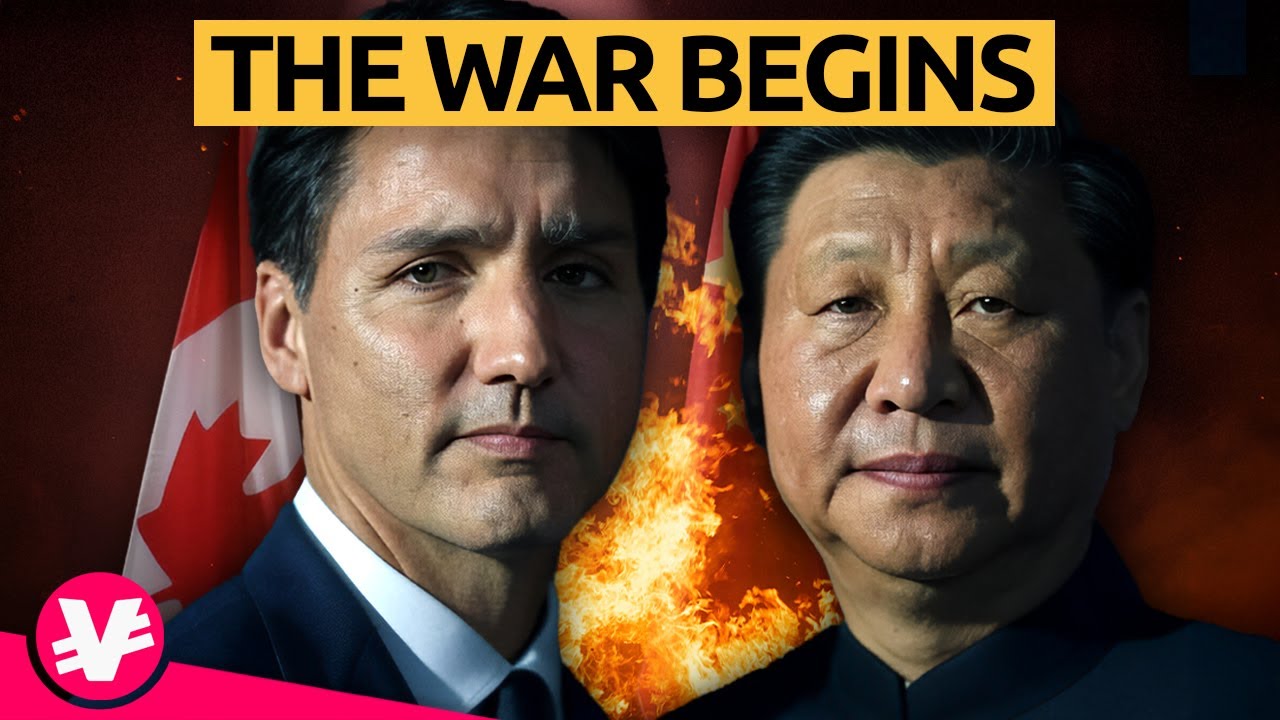
Rebellion against Trump: "Ready for War?"
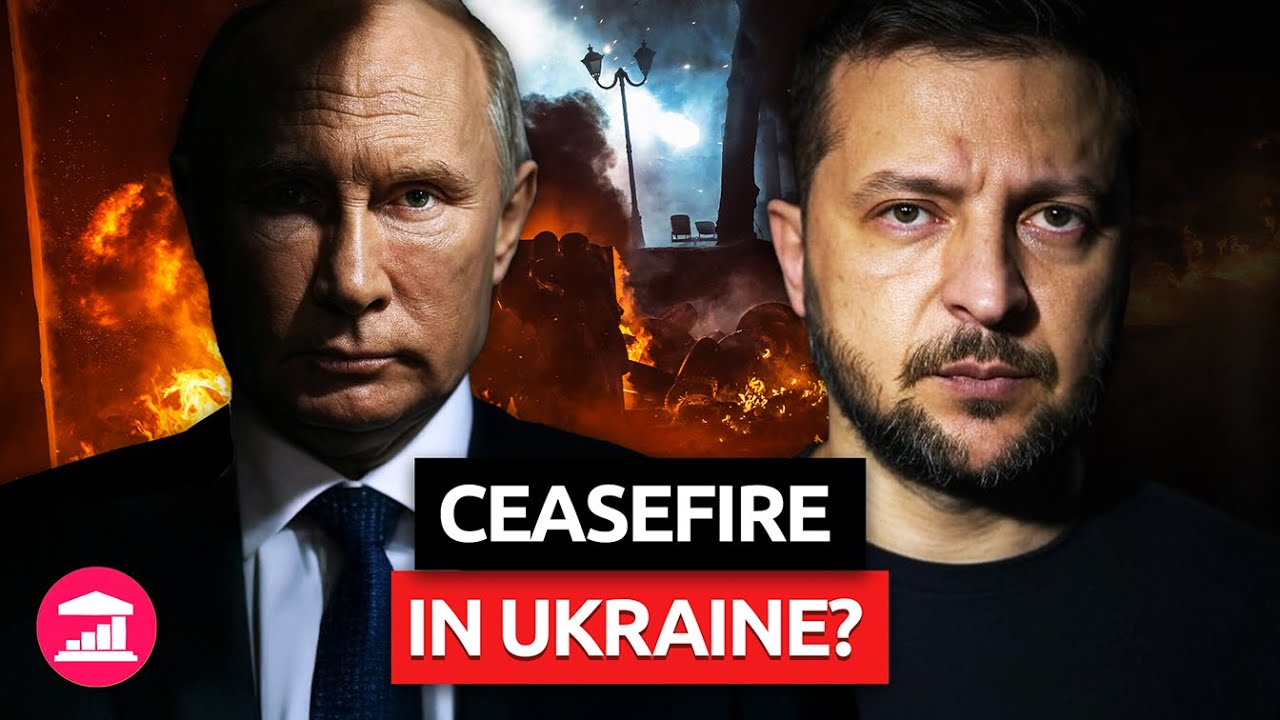
Ukraine: Problem with the ceasefire?

Ukraine Loses Kursk: A Collapse?
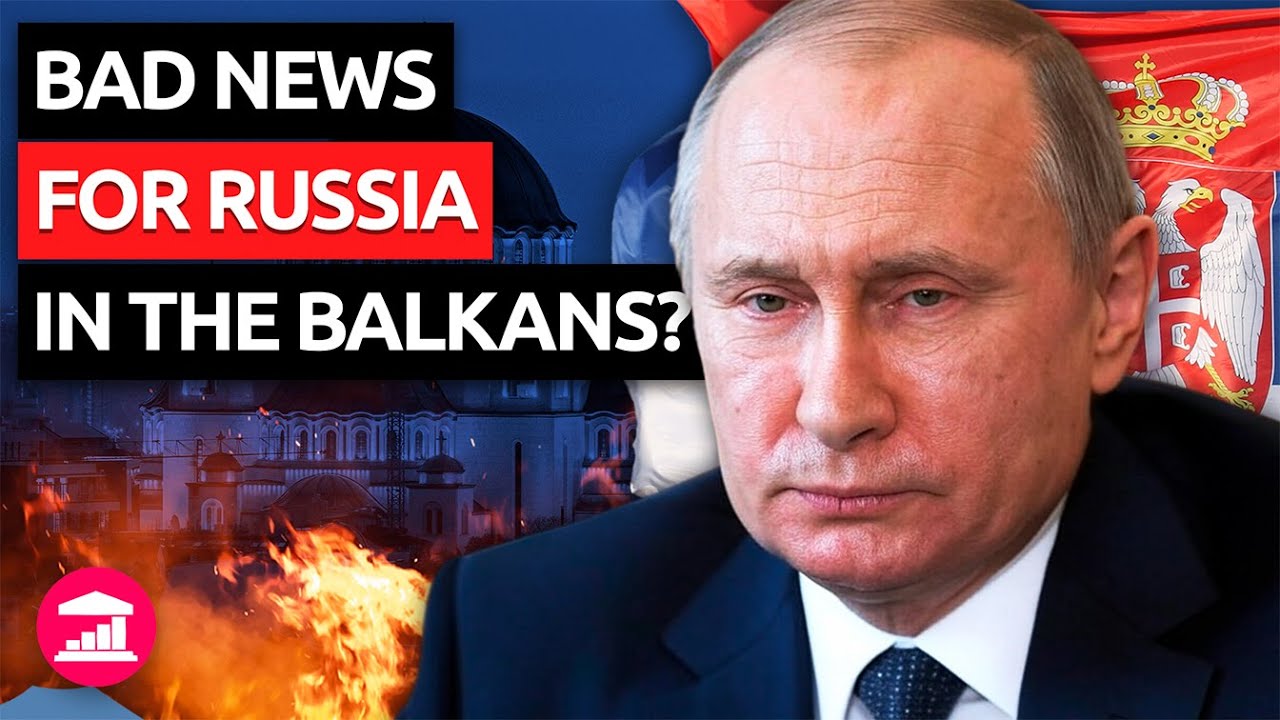
Russia's "Alliance" in the Balkans is sinking

US Federal Reserve with “announcement”
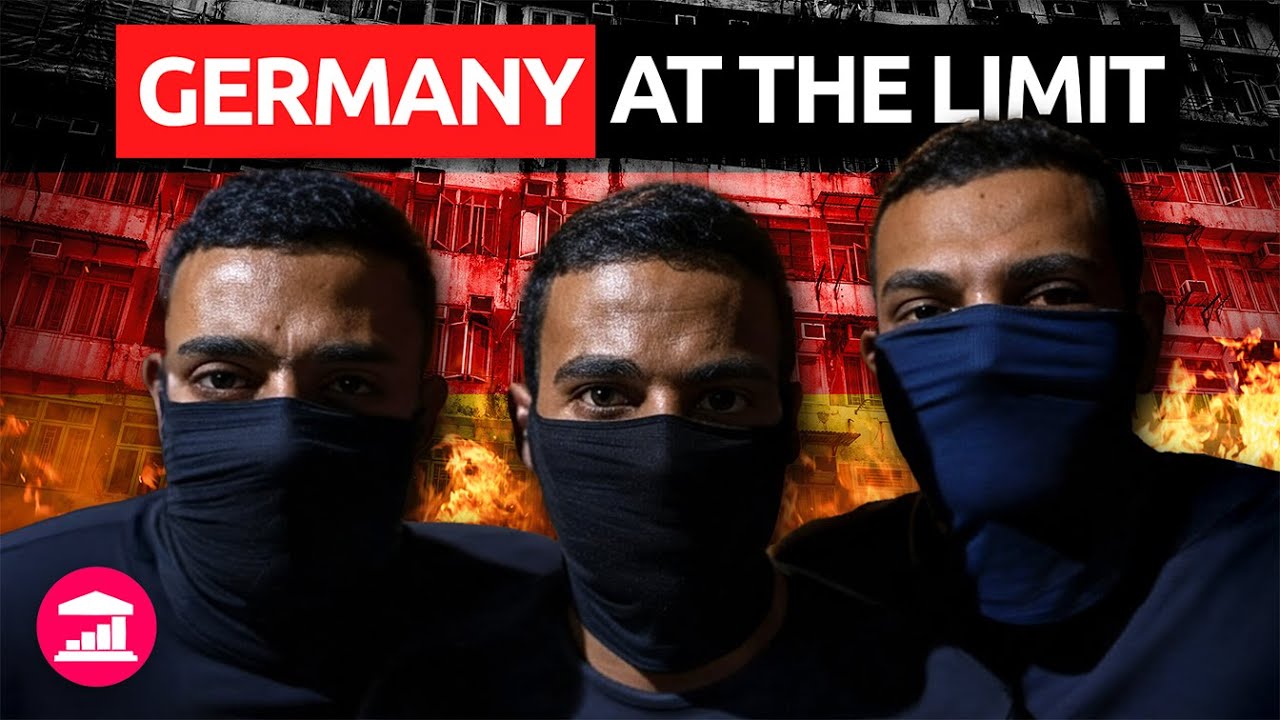
Germany doesn't want any more migrants?

Wealth that Brazil is not utilizing!
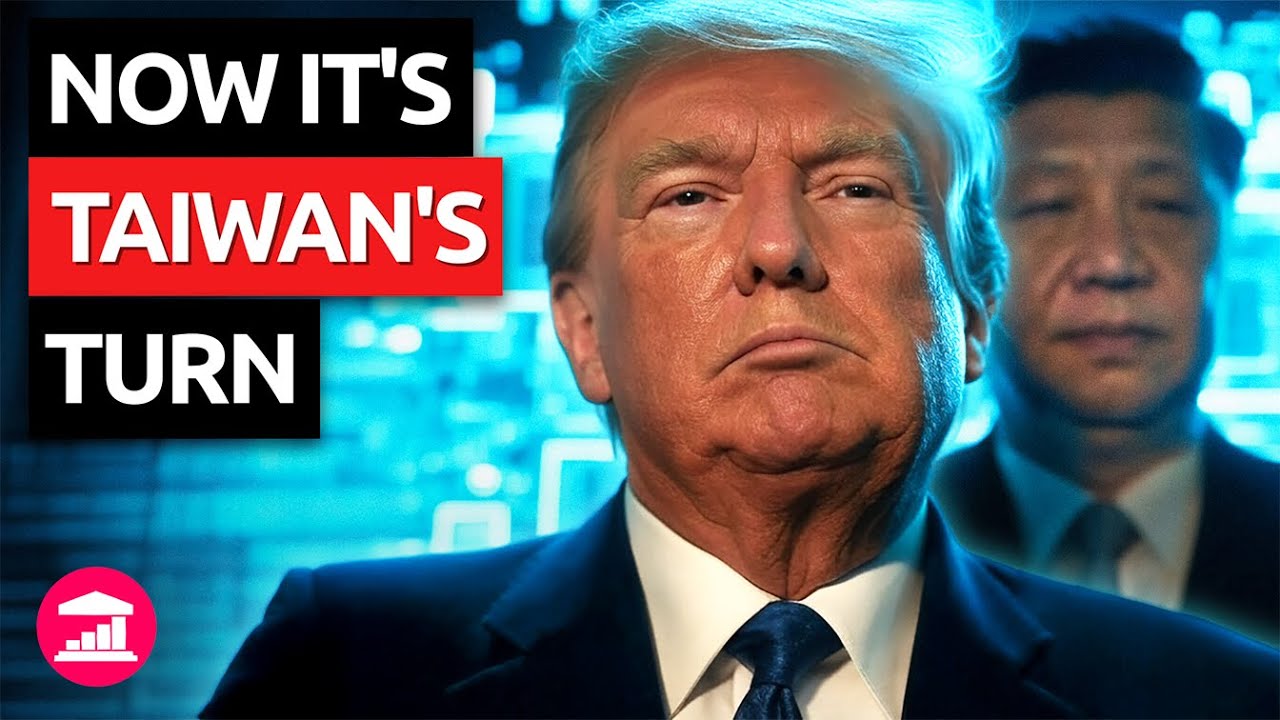
Taiwan: Is the "Silicon Shield" collapsing?

Next Chancellor of Germany and Trump

Russia and the terrorism against Ukraine
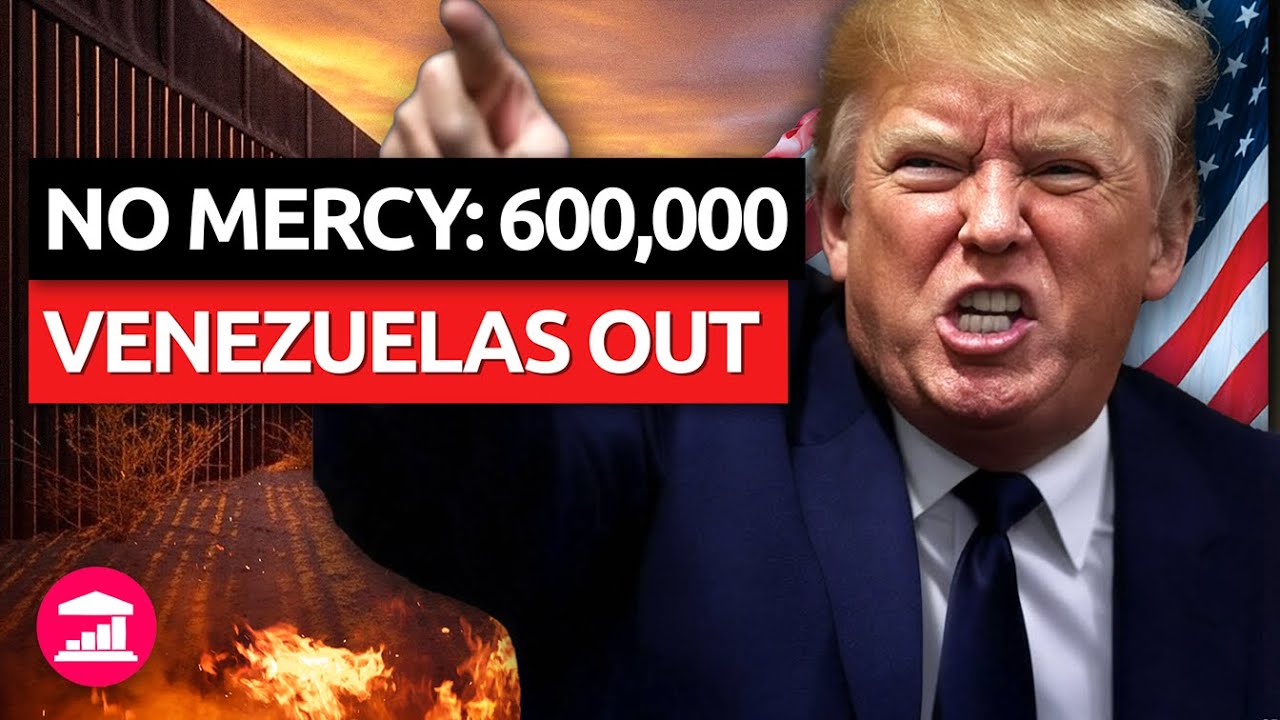
US: Trump begins mass deportations!



