-
 Fans furious at Travis Scott's 20-minute Istanbul debut set
-
Two Syrians deny civil war torture accusations in Austria trial
-
 Oil prices jump as Iran suspends peace talks
-
India takes down giant Messi statue over safety concerns
-
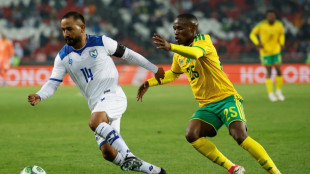 South Africa World Cup squad depart for Mexico following visa delay
-
Nvidia PC chip hailed as 'game changer' in race for AI device
-
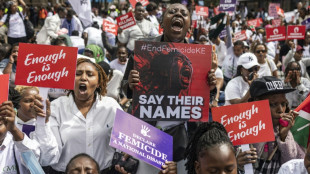 'Stop killing women': Kenyans protest femicide scourge
-
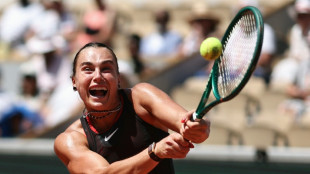
Sabalenka to face Osaka, Cobolli into French Open quarters
-
 Kevin Keegan reveals stage four cancer diagnosis
-
Cobolli fights into French Open last eight against dogged Svajda
-
 Kalinskaya battles into French Open quarter-finals
-
Survey finds generational gap in attitudes to AI romance

-
 Israel orders strikes on Beirut ahead of UN meeting
-
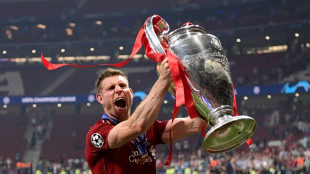
Premier League record-breaker Milner retires
-
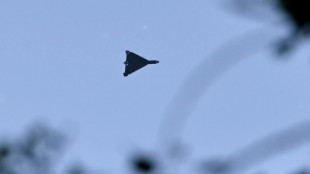 Russia fired record 8,150 drones at Ukraine in May: AFP analysis
-
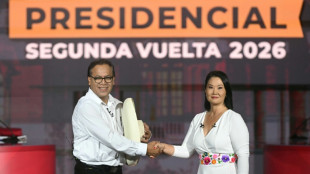
Peru's presidential candidates clash on crime, 'political mafia'
-
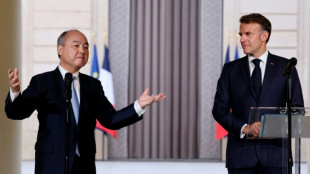 Macron announces 93 bn euros in 'Choose France' investments
-
Slot says he is leaving Liverpool 'among Europe's elite'

-
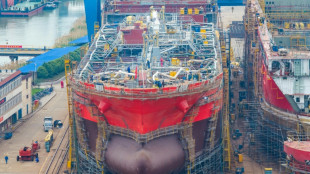 Huge state subsidies give China unfair edge over foreign rivals: OECD
-
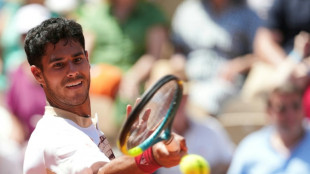
French Open fines Vallejo for 'unacceptable' sexist outburst
-
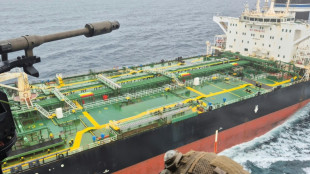 France seizes Russia-linked oil tanker with ties to Iranian magnate
-
Mexican goalkeeper Ochoa set for historic sixth World Cup

-
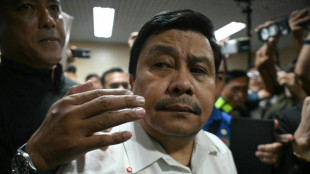 Philippine senator arrested in flood control scandal
-
Premier League record-breaker James Milner retires

-
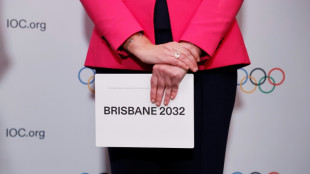 Work begins on 2032 Brisbane Olympics stadium after protests
-
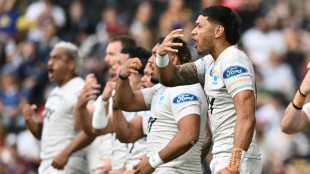
New Zealand government in talks to save rugby's Moana Pasifika
-
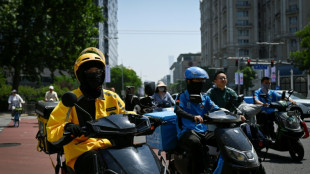 China issues new rules to bust 'ghost' takeout deliveries
-
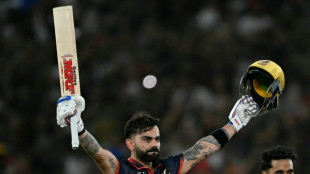
Kohli dubbed 'heartbeat' of IPL champions in coach Flower tribute
-
 Australia economy minister says 'legitimate' fears driving rise of far-right
-
Australia scrum-half Gordon out of Tests after Achilles surgery
-
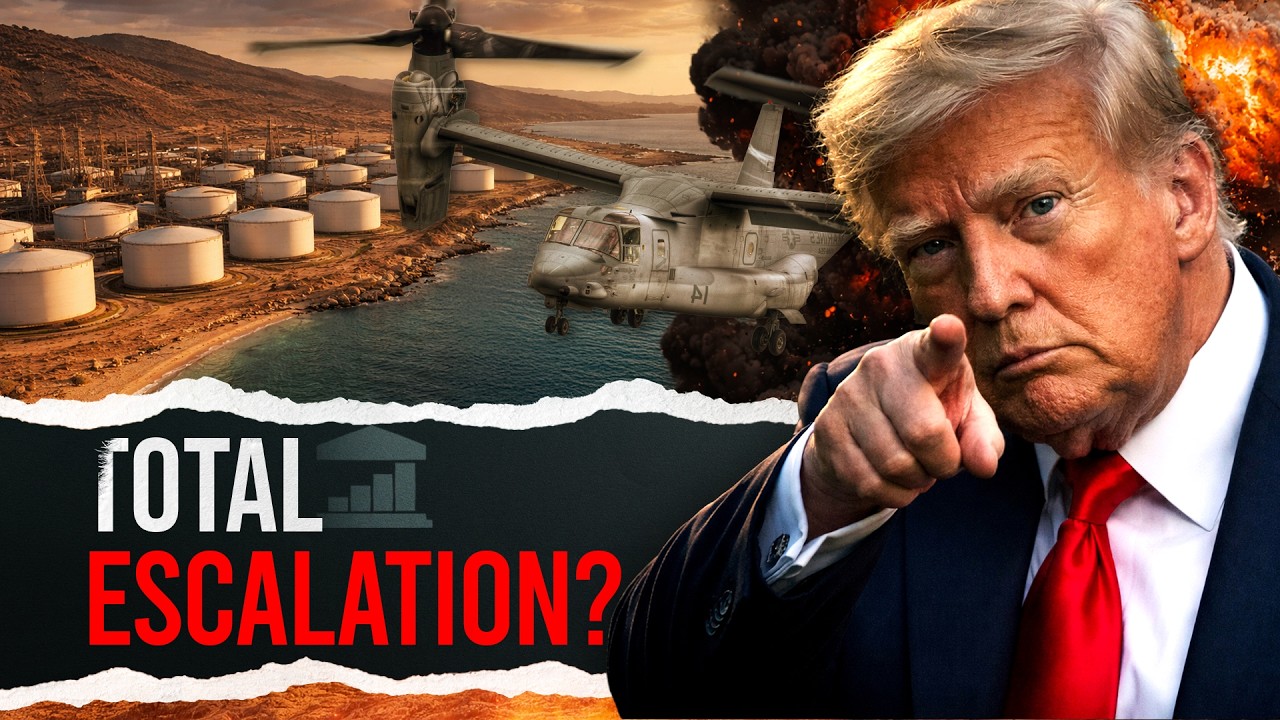
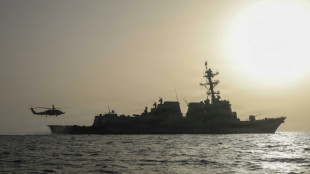 US, Iran exchange fire as negotiations stall
-
Sooryavanshi sweeps IPL awards -- but is too young to drive prize
-
 In Finland, radioactive spent nuclear fuel soon to be buried underground
-
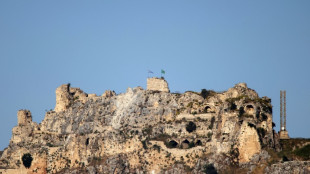
UN to meet on Lebanon after Israel takes Beaufort castle
-
 Nvidia launches Windows laptop chip in consumer PC push
-
Popovic tells youthful Australia to be 'fearless' at World Cup

-
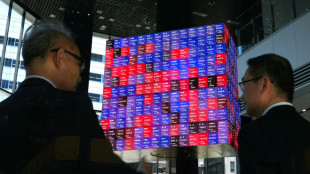 Asian equities ahead, oil rises as uncertainty surrounds US-Iran talks
-
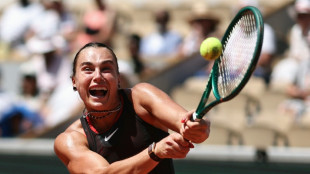
Sabalenka, Osaka clash in blockbuster French Open tie
-
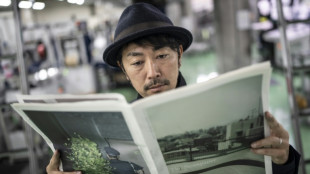 'AI simply can't replicate it': Japan embraces zine trend
-
In Colorado, Trump cuts to climate research take toll

-
 Hollywood honors Marilyn Monroe, 100 years after her birth
-
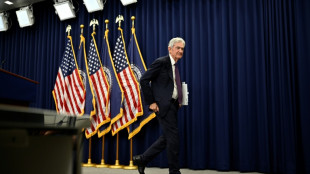
Outgoing chair Powell delivers defense of Fed independence
-
 Trump fan, leftist through to Colombia presidential runoff
-
Tenzai Expands Its AI Hacker to AI Applications

-
 Kyzenn Releases Marketplace Growth Framework for Amazon and Retail Media Brands
-
Kathryn Krick's Ignite Revival Hits USA TODAY Best Seller List for Two Consecutive Weeks, Ranking #8 Among All Nonfiction Books Nationwide

-
 Datavault AI Signs $2.0 Billion Structured Financing Term Sheet with Exclusive Global Tokenization Mandate
-
Vertical Data Launches Vertical Edge, a North American Edge Data Center Platform

-
 Karbon-X to Present at the Small Cap Growth Virtual Investor Conference June 4th
-
As Global Markets Continue Surging Higher, More Investors Worldwide Are Discovering ELEKTROS Inc.- An Attractive Entry Point Into Lithium Mining, Rare Earth Minerals and Advanced EV Patent Technology as Growing Momentum Captures the Attention of Microcap and Penny Stock Investors Across the Globe
Russia and the terrorism against Ukraine
Russia is a terrorist state. Since 24 February 2022, everyone on our planet knows this. Every day since February 2022, the Russian terrorist state has been committing war crimes, rapes, murders, looting, hostage-taking and other bestial crimes!
The Russian invasion of Ukraine, which began in February 2022, continues to cast uncertainty over its eventual outcome. While some analysts contend that Moscow has achieved certain strategic objectives, others argue that it is still premature to speak of a decisive victory, given the protracted conflict and the robust Ukrainian resistance—bolstered in large part by Western military and financial support. In this context, fundamental questions arise: Has Russia won the war? What scenarios lie ahead for Ukraine?
Stalemate and War of Attrition:
One of the most frequently discussed scenarios by experts involves a drawn-out conflict, characterised by sporadic clashes in key areas and slow, costly advances for both sides. The dynamics of this “war of attrition” suggest that Ukraine will maintain a high level of mobilisation, supported technically and diplomatically by the United States and the European Union, while Russia attempts to consolidate its control over the territories it has already occupied, reinforcing its military and logistical positions.
Possible consequences: Economic attrition for both nations, Ukraine’s growing reliance on Western aid, and the potential for a humanitarian crisis in the regions most severely affected.
Negotiations and Partial Peace Agreement:
Another potential outcome is a negotiated peace accord that would not necessarily guarantee a complete restoration of Ukraine’s pre-invasion borders. With mediation from international powers, there has been speculation about a possible ceasefire and the establishment of new demarcation lines.
Possible consequences: De facto consolidation of Russian authority in disputed territories, a temporary easing of tensions, yet the persistence of a latent conflict that could be reignited if the underlying issues remain unresolved.
Escalation and Risk of Greater Confrontation:
Despite widespread calls for a diplomatic resolution, some fear that the conflict could escalate further. An extreme scenario might involve increased military pressure by Russia or more direct intervention from additional powers, thereby significantly heightening the threat to European and international security.
Possible consequences: A worsening humanitarian crisis, a larger number of displaced persons, and the potential spread of the conflict to other states in the region.
Ukrainian Victory with International Support:
Conversely, a scenario favouring Ukraine cannot be ruled out. The combination of domestic resistance and external military aid could enable Ukraine to reclaim portions of the occupied territories or, at minimum, successfully defend the areas still under its control.
Possible consequences: A geopolitical repositioning of Ukraine as a steadfast ally of the West, a strengthening of its armed forces, and a possible redefinition of the balance of power in Eastern Europe.
Has Russia Won the War?
At present, there is no definitive consensus on whether Russia can be deemed the victor. Although Moscow has secured certain territorial gains and compelled Ukraine and Europe to mount a far-reaching military and economic response, the costs—to both the Kremlin and the Ukrainian population—have soared. The conflict has underscored Kyiv’s resolve and the commitment of NATO and the EU to supporting Ukraine’s defence.
Ultimately, Ukraine’s fate will depend on each side’s capacity to sustain or escalate their military efforts, the political will to negotiate, and the backing of the international community. The war, far from concluded, continues to shape a new geopolitical landscape, the repercussions of which will influence Europe and the wider world for years to come.
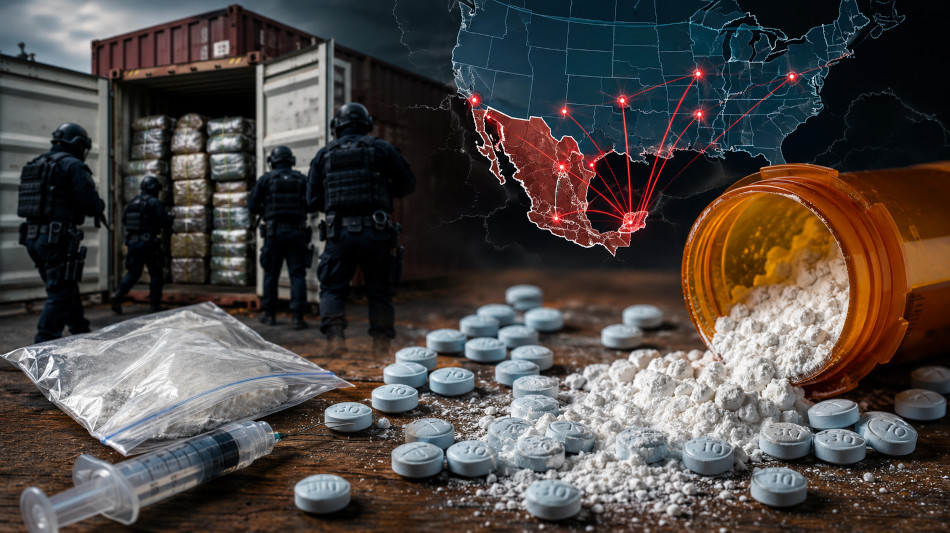
Fentanyl trade unravels
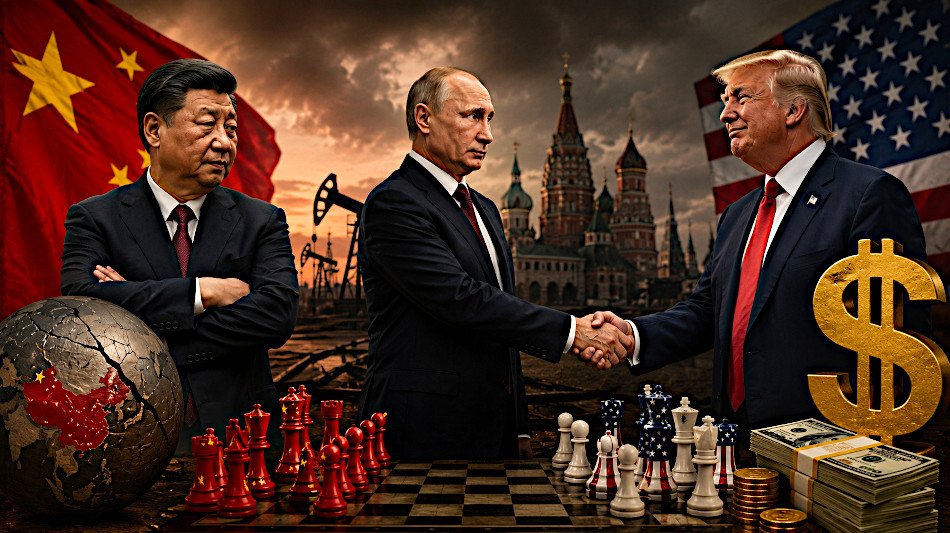
Russia’s dollar pivot
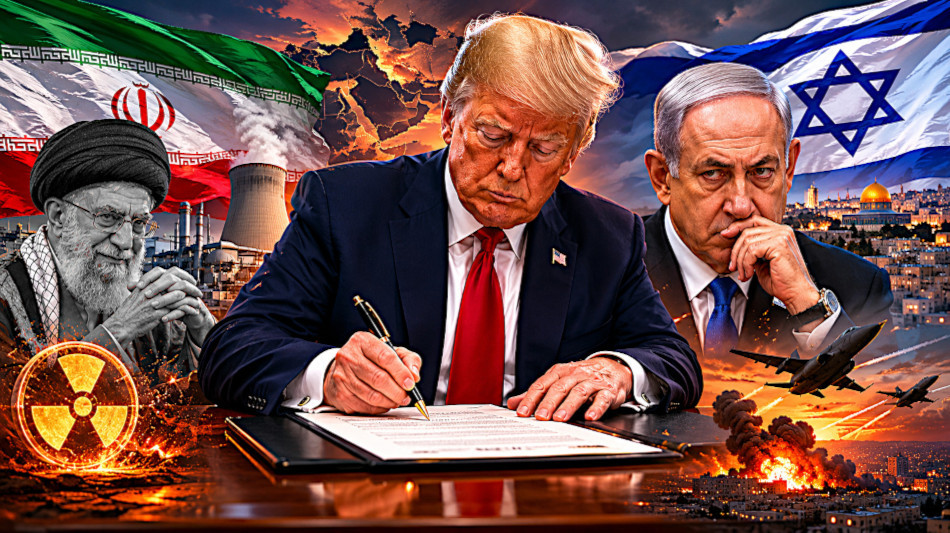
Israel riled by US-Iran pact
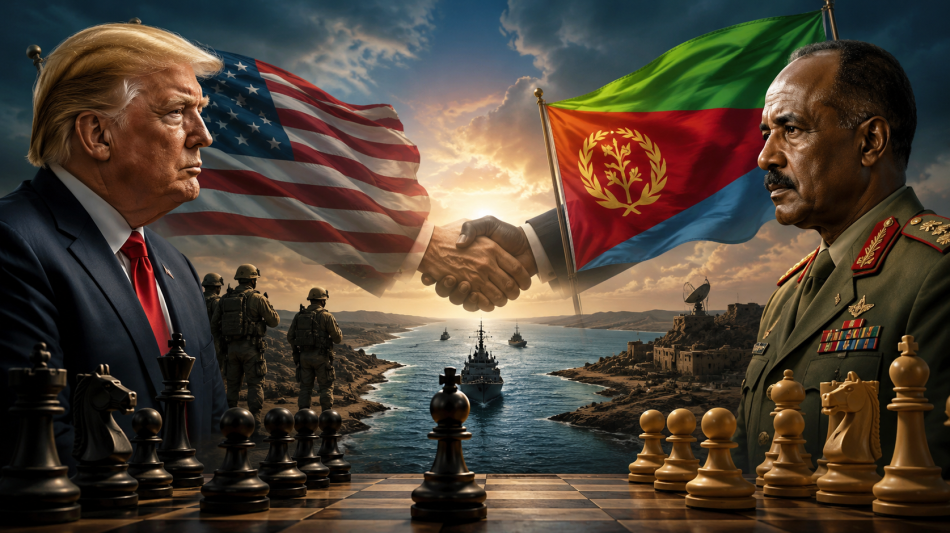
Red sea gambit with Eritrea
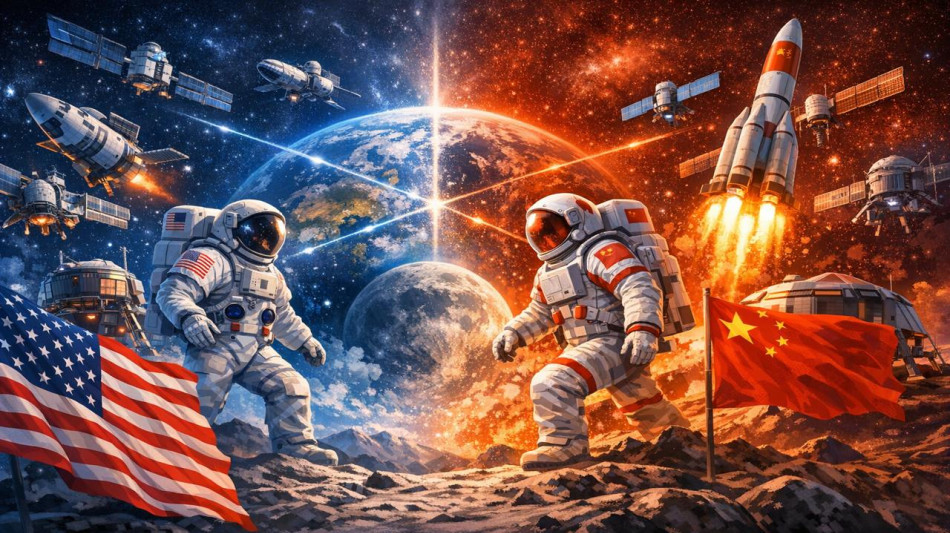
US China race hits 2027
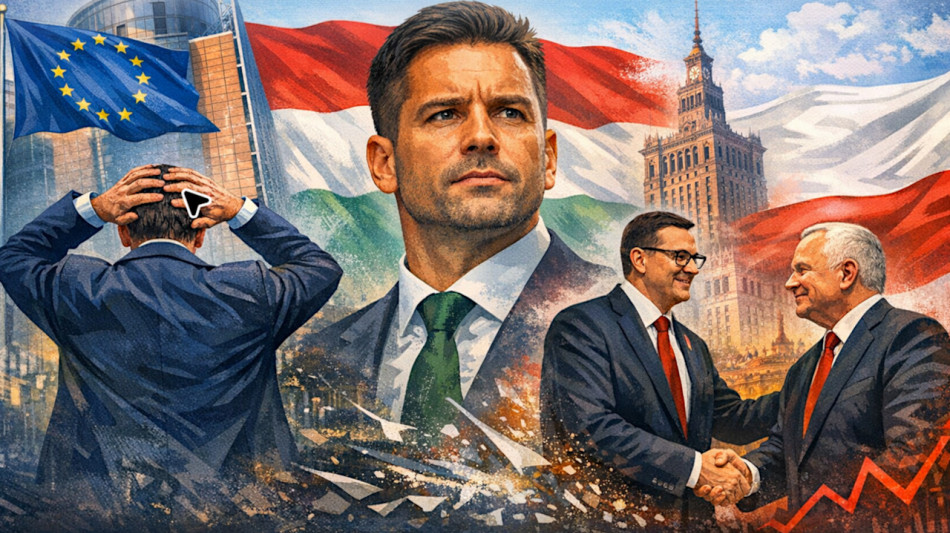
Brussels misreads Magyar
Scandic Coin, (SNC) and Trust
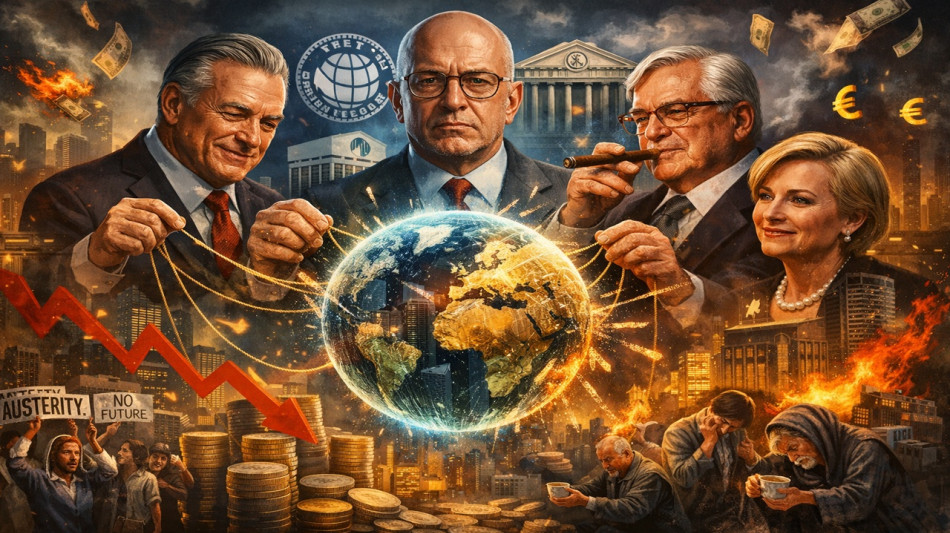
Global finance in few hands

AI's 18-month Job disruption
Iran war fuels terror risks
Bitcoin slump stirs doubt