-
 DRC coach prepared to play friendly behind closed doors
-
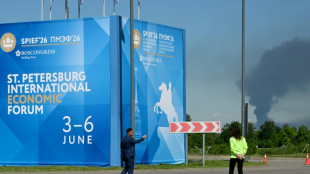
Ukraine drones hit Saint Petersburg as 'Russian Davos' opens
-
 CBS News fires '60 Minutes' veteran Scott Pelley
-
Robots, supply strain: five hot topics at Computex

-
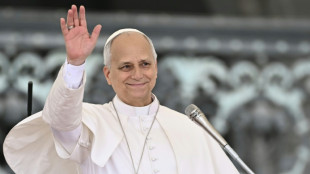 Pope Leo prepares to visit polarised, secular Spain
-
Formula One ace Leclerc extends contract with 'second family' Ferrari

-
 Hundreds flee as South Africa anti-migrant mobs go door-to-door
-
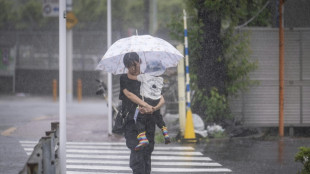
Storm Jangmi dumps torrential rain on Tokyo
-
 Drone strikes close Kuwait airport as Iran and US clash in Gulf
-
Ukraine drones hit Saint Petersburg as flagship economic forum opens

-
 Iran World Cup squad to reach Mexico early Sunday
-
Indian stars push to end elephants in Bollywood

-
 OECD cuts 2026 global growth forecasts over Mideast war fallout
-
Oil prices rise on Iran peace worries, Asian stocks build on tech rally
-
 'Blind spots': drone alert lays bare Lithuania poor shelter access
-
French UFC fighter Gane blocking out politics before White House bout

-
 England aim to erase Ashes scars against New Zealand
-
50 years after Olympic glory, Comaneci's homecoming sparks hope of new path to perfection

-
 'No hiding' as Haiti thrash New Zealand in pre-World Cup friendly
-
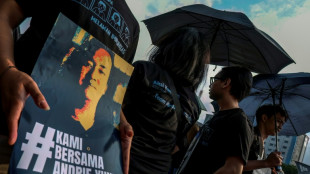
Military seeks prison time for Indonesian soldiers in acid attack
-
 'Animalistic horror': Russia puts war art on display
-
German alleged rape victim battles time limit on abuse cases

-
 As crises balloon, so do EU nations' deficits
-
Japan's samurai spirit still burns in cooler conditions

-
 Solomons PM says to review secretive security pact with China
-
Oil prices rise on Iran peace worries, stocks build on tech rally
-
 Sabalenka homes in on French Open semis
-
Trump signs AI order giving government access to powerful models
-
 Pope to mark centenary of death of 'God's architect' Antoni Gaudi
-
Migrant journeys in focus ahead of pope visit to Spain's Canaries

-
 Flood warnings as storm moves towards Tokyo
-
Scotland's Tartan Army to bring 'the party' on World Cup return

-
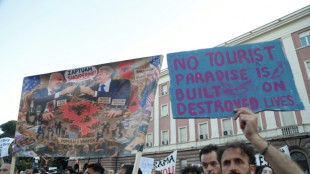 Thousands protest Jared Kushner-linked resort project in Albania
-
EU to unveil plan to wean itself off US, Asia tech

-
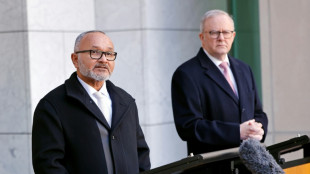 Solomons PM says to review security pact with China
-
Will SpaceX IPO make Elon Musk a trillionaire?
-
 By the power of great skills: Nicholas Galitzine on He-Man transformation
-
'20 minutes of terror': AI boosts US voice impersonation scams

-
 Before SpaceX goes public, a scramble to get on bandwagon
-
One of our own: San Antonio embraces 'Wemby' ahead of NBA Finals

-
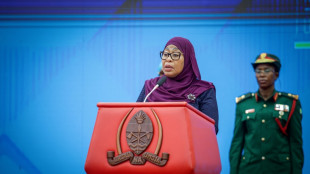 Tanzania president visits Russia as Western ties fray
-
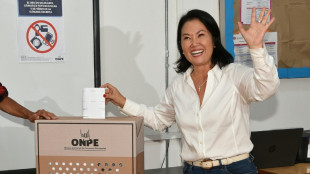
Keiko Fujimori: Peru's biggest political loser eyes election win
-
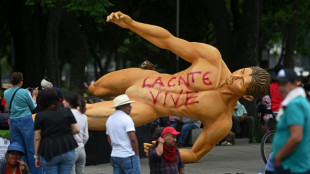 Protesting teachers in Mexico topple player statues days before World Cup
-
Scientists find yeast in ancient Iceman's guts -- and make bread

-
 Wordsmith Raises $70m to Bring Legal Work Back In-House and Away From Law firms
-
TPV360 Launches Apex, an API-Based Verification Platform Designed to Modernize Compliance Workflows Across Regulated Industries
-
 Federal Rescheduling Is Rewarding a Cannabis Supply Chain Built on Fraudulent Safety Testing
-
Best Gold IRA Companies of June 2026 Announced: New Verified Industry Report By Experts Released

-
 Silver Range Partner Excalibur Metals Intersects a Broad Precious Metals Zone, Open at Depth at the Bellehelen Property
-
Eagle Plains and Xcite Define Prospective Geophysical Trends at Beaver River Uranium Project, SK

EU Residence permits: Record level to third nationals
The European Union (EU) has witnessed a significant increase in the number of residence permits issued to third-country nationals over the past decades. This trend has sparked a debate on whether such immigration represents a valuable opportunity for the EU's future or poses a burden to its member states. This article explores the reasons behind the proliferation of residence permits and examines the potential implications for the EU.
Understanding the Surge in Residence Permits
Economic Drivers
One of the primary reasons for the high number of residence permits is the economic demand within the EU. Many member states face ageing populations and shrinking workforces, which can hinder economic growth and strain public welfare systems.
- Labour Shortages: Sectors such as healthcare, engineering, information technology, and agriculture often experience shortages of skilled and unskilled labour. Immigration provides a solution by filling these gaps with third-country nationals.
- Innovation and Competitiveness: Attracting highly skilled professionals from around the world enhances the EU's competitiveness in the global market, fostering innovation and technological advancement.
Educational Opportunities
European universities and educational institutions are renowned globally, attracting students from non-EU countries.
- International Students: Many third-country nationals receive residence permits to study in the EU, contributing to cultural diversity and academic excellence.
- Knowledge Retention: Post-graduation, some students choose to remain in the EU, adding value to the labour market with their acquired skills and expertise.
Humanitarian Obligations
The EU upholds strong commitments to human rights and humanitarian assistance.
- Asylum Seekers and Refugees: Conflicts, persecution, and humanitarian crises in regions like the Middle East and Africa have led to an influx of individuals seeking safety in the EU.
- Family Reunification: Policies that allow family members to join relatives legally residing in the EU contribute to the number of residence permits issued.
Legal Frameworks and Policies
EU directives and national policies facilitate the issuance of residence permits.
- Blue Card Scheme: Designed to attract highly qualified workers, the Blue Card system provides a streamlined process for third-country nationals to live and work in the EU.
- Bilateral Agreements: Some member states have agreements with non-EU countries to encourage mobility and cooperation.
Opportunity for the EU's Future
Economic Growth and Sustainability
Immigration can stimulate economic activity and support public finances.
- Workforce Renewal: Immigrants often fill essential roles, ensuring the continuity of services and industries.
- Fiscal Contributions: Employed immigrants contribute to tax revenues and social security systems, helping to offset the costs of an ageing native population.
Cultural Enrichment and Diversity
Diversity fosters creativity and innovation.
- Cultural Exchange: Immigrants bring new perspectives, traditions, and ideas, enriching the social fabric of EU societies.
- Soft Power: A multicultural population enhances the EU's global influence and diplomatic relations.
Addressing Demographic Challenges
Immigration helps mitigate demographic imbalances.
- Population Decline: In countries with low birth rates, immigrants contribute to population growth and demographic stability.- Support for Elderly Populations: A younger immigrant workforce can support the increasing number of retirees.
Potential Burdens and Challenges
Social Integration
Integrating immigrants into society poses challenges.
- Cultural Differences: Language barriers and cultural disparities can hinder social cohesion.
- Education and Training: Additional resources may be required to provide language education and vocational training.
Economic Pressures
There are concerns about the strain on public services.
- Welfare Systems: Increased demand for healthcare, housing, and social services can pressure budgets, especially if immigrants face unemployment.
- Labour Market Competition: Some fear that immigrants may compete with native workers for jobs, potentially affecting wages and employment opportunities.
Political and Social Tensions
Immigration can become a polarising issue.
- Rise of Populism: Anti-immigrant sentiments can fuel nationalist movements and political polarisation.
- Security Concerns: Issues related to border control and illegal immigration raise security considerations.
Balancing Act: Policies for Sustainable Immigration
For immigration to serve as an opportunity rather than a burden, strategic policies are essential.
Effective Integration Strategies
- Education and Language Acquisition: Investing in programmes that facilitate language learning and cultural orientation.
- Employment Support: Providing pathways for immigrants to enter the labour market commensurate with their skills.
Economic Planning
- Targeted Immigration: Aligning immigration policies with labour market needs to ensure that incoming individuals fill critical roles.
- Support for Innovation: Encouraging entrepreneurs and investors through favourable conditions and support networks.
Social Cohesion Initiatives
- Community Engagement: Promoting interactions between immigrants and local communities to build mutual understanding.
- Anti-Discrimination Laws: Enforcing legislation that protects the rights of immigrants and promotes equality.
Conclusion: A Future Shaped by Immigration
The influx of third-country nationals through residence permits presents both opportunities and challenges for the European Union. When managed effectively, immigration can address demographic issues, bolster economic growth, and enrich societies culturally. However, without careful planning and integration efforts, it may lead to social tensions and economic pressures.
The key lies in implementing comprehensive policies that maximise the benefits of immigration while mitigating its challenges. By fostering an inclusive environment and leveraging the potential of immigrants, the EU can turn what some perceive as a burden into a significant advantage for its future.

Tokyo’s Housing playbook

Venezuela braces after Strike

Can the FANB shield Maduro?

Operation Venezuela: Scenario

Trump vs Intel: Chip endgame?

After Europe’s capitulation

Tariffs roil U.S.–India ties

Adobe down 40% and now?

Adobe down 40%: Kodak moment?
Bolivia at breaking point

Embraer’s 950% surge



