-
 US sanctions interrupt Visa, Mastercard payments in Cuba
-
Cobolli sinks Auger-Aliassime to book French Open semi spot
-
 Police probe alleged assault on coach of Australian tennis player in Birmingham
-
France's Saliba 'fine' after injury scare, says Deschamps
-
 Somalia ex-PM says attacked by govt forces in Mogadishu
-
Ukraine drone strikes causing 'panic' for Kremlin: EU's Kallas to AFP
-
 Rubio brushes off Trump mental acuity concerns as 'absurd'
-
Ukraine's Kostyuk takes on Russian Andreeva in French Open semis

-
 German director Wenders pulls 1975 film over child nude scene
-
McIlroy chasing elusive Memorial, Scheffler eyes three-peat

-
 Sabalenka implodes as Shnaider books French Open semi with Chwalinska
-
Sabalenka fell into 'dark hole' during French Open loss

-
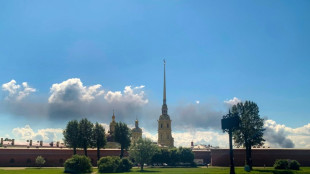 Ukrainian drones hit Saint Petersburg as 'Russian Davos' opens
-
Stokes defends Archer's England absence due to IPL duties

-
 UN urges AI firms to reveal environmental footprint
-
Sabalenka crumbles to French Open quarter-final defeat by Shnaider

-
 Henry fit to lead New Zealand's attack at Lord's
-
Yamal, Williams should be fit for World Cup opener: De la Fuente

-
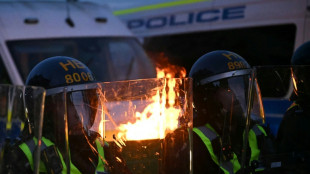 UK PM slams violence over police handcuffing of dying student
-
EU wants to favour European firms for AI, cloud in sovereignty push

-
 England captain Stokes defends Archer's IPL-enforced absence from Test side
-
Oil jumps, stocks mixed on fragile MIdeast peace hopes
-
 Polish qualifier Chwalinska reaches French Open semi-finals
-
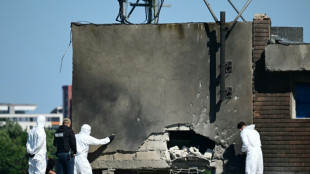
Romania wants to boost air defence after drone strike blamed on Russia
-
 'Backrooms' born of 'itch to explore' online horror meme
-
French content creators gear up to influence presidential election

-
 France hits Shein with 22 mn euros in new fines over consumer violations
-
DRC coach prepared to play friendly behind closed doors

-
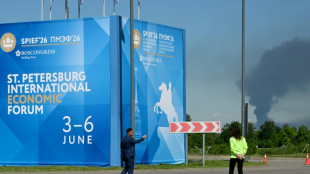 Ukraine drones hit Saint Petersburg as 'Russian Davos' opens
-
CBS News fires '60 Minutes' veteran Scott Pelley

-
 Robots, supply strain: five hot topics at Computex
-
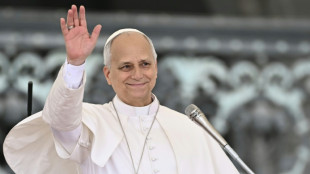
Pope Leo prepares to visit polarised, secular Spain
-
 Formula One ace Leclerc extends contract with 'second family' Ferrari
-
Hundreds flee as South Africa anti-migrant mobs go door-to-door
-
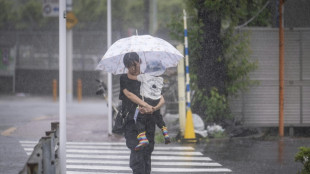 Storm Jangmi dumps torrential rain on Tokyo
-
Drone strikes close Kuwait airport as Iran and US clash in Gulf

-
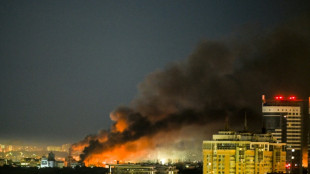 Ukraine drones hit Saint Petersburg as flagship economic forum opens
-
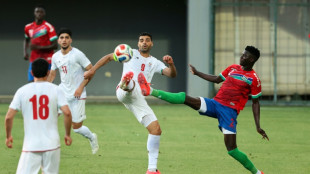
Iran World Cup squad to reach Mexico early Sunday
-
 Indian stars push to end elephants in Bollywood
-
OECD cuts 2026 global growth forecasts over Mideast war fallout
-
 Oil prices rise on Iran peace worries, Asian stocks build on tech rally
-
'Blind spots': drone alert lays bare Lithuania poor shelter access
-
 French UFC fighter Gane blocking out politics before White House bout
-
England aim to erase Ashes scars against New Zealand

-
 50 years after Olympic glory, Comaneci's homecoming sparks hope of new path to perfection
-
'No hiding' as Haiti thrash New Zealand in pre-World Cup friendly

-
 Military seeks prison time for Indonesian soldiers in acid attack
-
'Animalistic horror': Russia puts war art on display
-
 German alleged rape victim battles time limit on abuse cases
-
As crises balloon, so do EU nations' deficits

Ishiba's Plan to Change Power in Asia
Is Japan Preparing for War? Ishiba's Vision to Redefine Power in Asia
In a world where geopolitical tensions are intensifying, Japan finds itself at a crossroads. At the centre of this discussion is Shigeru Ishiba, a prominent Japanese politician and former defence minister, whose bold proposals to reshape Japan's security policies are sparking widespread debate. Is Japan merely safeguarding its sovereignty, or is it actively preparing for conflict?
A Paradigm Shift in Japanese Defence
Since the end of World War II, Japan has adhered strictly to its pacifist constitution, particularly Article 9, which renounces the use of war as a means of settling international disputes. However, as global power dynamics evolve and regional threats grow, Ishiba and other leaders argue that Japan must modernise its approach to defence.
Ishiba has proposed a significant expansion of Japan’s military capabilities, including increased defence spending, the development of advanced technologies such as missile defence systems, and a shift towards a proactive deterrence strategy. These measures, he asserts, are necessary to counter the rising influence of China and North Korea's nuclear threat.
The Strategic Context: Asia in Flux
Japan’s strategic positioning in Asia has long been a delicate balancing act. With China's growing assertiveness in the South China Sea, Taiwan Strait, and East China Sea, Ishiba’s call for a stronger Japanese military aims to counterbalance Beijing’s influence. North Korea’s missile tests and unpredictable behaviour further exacerbate the urgency for a robust Japanese defence policy.
Ishiba’s proposals align with the broader trend of Indo-Pacific nations strengthening security alliances, including Japan's growing collaboration with the United States, Australia, and India under the Quadrilateral Security Dialogue (Quad). These partnerships are seen as essential to maintaining regional stability and ensuring a free and open Indo-Pacific.
Domestic and International Reactions
Domestically, Ishiba’s vision has faced both support and opposition. Proponents argue that his policies are pragmatic and essential for Japan’s survival in an increasingly volatile region. Critics, however, worry that such moves could escalate tensions and provoke adversaries. The debate also revives questions about the reinterpretation of Japan’s pacifist constitution and its implications for national identity.
On the international stage, Ishiba’s stance has drawn mixed reactions. Allies like the United States welcome Japan’s increased commitment to regional security, while China and North Korea view these developments as provocative and destabilising.
Preparing for Conflict or Preserving Peace?
Ishiba has repeatedly emphasised that his aim is not to prepare for war but to prevent it. He argues that a strong deterrent capability is the best way to avoid conflict and maintain peace in the region. However, critics contend that expanding Japan's military footprint could trigger an arms race and inadvertently increase the likelihood of confrontation.
The Road Ahead
As Japan navigates these turbulent waters, Ishiba’s vision represents a pivotal moment in the country’s post-war history. Whether his proposals will redefine Japan’s role in Asia or exacerbate regional tensions remains to be seen. What is certain, however, is that Japan’s future decisions will have profound implications not only for its own security but for the broader balance of power in Asia.
As the world watches, the question remains: Is Japan preparing for war, or is it merely adapting to a new era of uncertainty? In answering this question, the nation must grapple with the delicate balance between safeguarding its future and upholding the ideals that have defined its modern identity.

Israel escalates War to crush Hamas
Trump, Putin and the question: What now?
Canada challenges Trump on Tariffs

Nuclear weapons for Poland against Russia?
Rebellion against Trump: "Ready for War?"
Ukraine: Problem with the ceasefire?

Ukraine Loses Kursk: A Collapse?
Russia's "Alliance" in the Balkans is sinking

US Federal Reserve with “announcement”
Germany doesn't want any more migrants?

Wealth that Brazil is not utilizing!