-
 McIlroy chasing elusive Memorial, Scheffler eyes three-peat
-
Sabalenka implodes as Shnaider books French Open semi with Chwalinska

-
 Sabalenka fell into 'dark hole' during French Open loss
-
Ukrainian drones hit Saint Petersburg as 'Russian Davos' opens

-
 Stokes defends Archer's England absence due to IPL duties
-
UN urges AI firms to reveal environmental footprint

-
 Sabalenka crumbles to French Open quarter-final defeat by Shnaider
-
Henry fit to lead New Zealand's attack at Lord's

-
 Yamal, Williams should be fit for World Cup opener: De la Fuente
-
UK PM slams violence over police handcuffing of dying student

-
 EU wants to favour European firms for AI, cloud in sovereignty push
-
England captain Stokes defends Archer's IPL-enforced absence from Test side

-
 Oil jumps, stocks mixed on fragile MIdeast peace hopes
-
Polish qualifier Chwalinska reaches French Open semi-finals

-
 Romania wants to boost air defence after drone strike blamed on Russia
-
'Backrooms' born of 'itch to explore' online horror meme

-
 French content creators gear up to influence presidential election
-
France hits Shein with 22 mn euros in new fines over consumer violations

-
 DRC coach prepared to play friendly behind closed doors
-
Ukraine drones hit Saint Petersburg as 'Russian Davos' opens

-
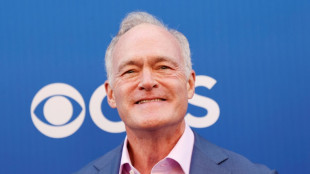 CBS News fires '60 Minutes' veteran Scott Pelley
-
Robots, supply strain: five hot topics at Computex

-
 Pope Leo prepares to visit polarised, secular Spain
-
Formula One ace Leclerc extends contract with 'second family' Ferrari

-
 Hundreds flee as South Africa anti-migrant mobs go door-to-door
-
Storm Jangmi dumps torrential rain on Tokyo

-
 Drone strikes close Kuwait airport as Iran and US clash in Gulf
-
Ukraine drones hit Saint Petersburg as flagship economic forum opens

-
 Iran World Cup squad to reach Mexico early Sunday
-
Indian stars push to end elephants in Bollywood

-
 OECD cuts 2026 global growth forecasts over Mideast war fallout
-
Oil prices rise on Iran peace worries, Asian stocks build on tech rally

-
 'Blind spots': drone alert lays bare Lithuania poor shelter access
-
French UFC fighter Gane blocking out politics before White House bout

-
 England aim to erase Ashes scars against New Zealand
-
50 years after Olympic glory, Comaneci's homecoming sparks hope of new path to perfection

-
 'No hiding' as Haiti thrash New Zealand in pre-World Cup friendly
-
Military seeks prison time for Indonesian soldiers in acid attack

-
 'Animalistic horror': Russia puts war art on display
-
German alleged rape victim battles time limit on abuse cases

-
 As crises balloon, so do EU nations' deficits
-
Japan's samurai spirit still burns in cooler conditions

-
 Solomons PM says to review secretive security pact with China
-
Oil prices rise on Iran peace worries, stocks build on tech rally

-
 Sabalenka homes in on French Open semis
-
Trump signs AI order giving government access to powerful models

-
 Pope to mark centenary of death of 'God's architect' Antoni Gaudi
-
Migrant journeys in focus ahead of pope visit to Spain's Canaries

-
 Flood warnings as storm moves towards Tokyo
-
Scotland's Tartan Army to bring 'the party' on World Cup return

NYSE - LSE
Will Trump's deportations be profitable?
The GOP’s Plan to Make Trump’s Deportations Profitable: A Controversial Shift in Immigration Policy
In a polarised political landscape, the Republican Party is exploring a provocative strategy to tackle immigration—a proposal to turn deportations into a profit-generating enterprise. Building on former President Donald Trump’s hardline immigration policies, the plan seeks to reframe deportations as not just a matter of national security but also an economic opportunity. While the idea has energised some conservative circles, it has also ignited fierce criticism from across the political spectrum.
The Proposal: Profit-Driven Deportation
Central to the GOP’s plan is the idea of outsourcing certain aspects of deportation operations to private companies. By involving private contractors in detention, transportation, and removal processes, proponents argue the government could reduce operational costs and improve efficiency. Furthermore, they suggest that increased deportations could deter future illegal immigration, lowering associated public expenditures on social services.
Critics, however, see the proposal as an alarming step towards commodifying human lives. They warn that introducing profit motives into immigration enforcement could lead to abuses, incentivising mass deportations without proper regard for due process or humanitarian considerations.
The Economic Pitch
Supporters of the plan assert that private-sector involvement could create jobs, stimulate economic activity, and alleviate the financial burden on taxpayers. They point to the growth of the private prison industry as a precedent, arguing that a similar model could apply to immigration enforcement.
Some lawmakers have floated the idea of selling deportation bonds to private investors, where returns would be tied to the number of successful removals. Others have suggested auctioning government contracts for deportation services to the highest bidder, with the expectation that competition would drive down costs.
Building on Trump-Era Policies
The GOP’s plan echoes the strict immigration enforcement policies championed by Donald Trump during his presidency. His administration expanded the use of private detention facilities and implemented controversial measures such as family separations at the border. Trump’s rhetoric on immigration galvanised his base and became a cornerstone of his political identity—a legacy the GOP seems eager to build upon.
However, this new push represents a shift from Trump’s focus on border security to a broader economic rationale for deportations. By framing the policy in terms of profitability, the GOP aims to win over fiscally conservative voters while maintaining the support of its hardline immigration faction.
Legal and Ethical Challenges
The plan faces significant legal and ethical hurdles. Human rights advocates argue that it risks undermining the principles of fairness and due process enshrined in U.S. immigration law. They warn that a profit-driven model could prioritise speed over accuracy, leading to wrongful deportations and violations of immigrants’ rights.
Legal experts also question the feasibility of privatising deportation processes, given the complex legal framework governing immigration enforcement. Lawsuits challenging the constitutionality of such measures are almost inevitable, adding to the uncertainty surrounding the proposal.
Public and Political Reactions
The proposal has divided the public and the Republican Party itself. While some conservatives view it as a bold, pragmatic solution to a longstanding issue, others worry it could alienate moderate voters and deepen partisan divisions.
Democrats and immigration advocates have vehemently condemned the plan, calling it a morally bankrupt scheme that prioritises profits over people. They argue that addressing the root causes of immigration, such as poverty and violence in migrants’ home countries, would be a more effective and humane approach.
The Road Ahead
As the GOP prepares to introduce its profit-driven deportation plan, the debate over immigration policy is poised to reach new heights. Whether the proposal represents a creative solution to a complex issue or a dangerous commodification of human lives will depend on how the policy is implemented—and, crucially, how the American public responds.
What is clear, however, is that the plan underscores the deep divisions in U.S. politics and society. With immigration set to remain a defining issue in the upcoming elections, the GOP’s proposal offers a glimpse into the future of the party’s platform and its vision for America’s borders.

Terrorist state Iran attacks Israel with missiles

Belarus: ICC investigates dictator Lukashenko

NATO: Ukraine ‘at the top of the list!’
NATO is training to fight cyber attacks

Digital Ocean Twin: Protecting the Oceans

What is the outlook for France’s economy?

How melting Alpine glaciers affect valleys

The EU Commission and its climate targets?

Irish government to subsidise school books

European democracy is weakening, report warns

Low demand: electric vehicles clog Belgian port