-
 BIS flags debt and profitability risks in AI-driven market rally
-
Oil supply concerns and AI warnings weigh on global markets

-
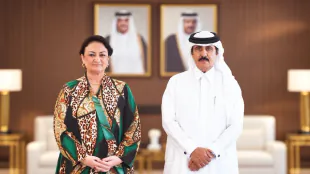 Qatar Chamber and Maltese envoy consider business forum
-
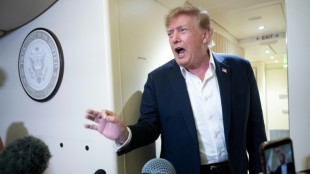
'I am the hoax buster': Trump rejects AI danger warnings
-
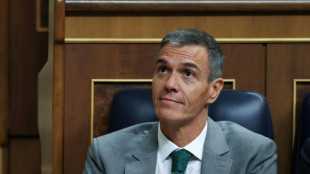 Spanish PM denies being blackmailed by Morocco
-
Macklemore dropped from Ed Sheeran tour after 'free Palestine' speech

-
 Doha Islamic finance forum names AlRayan firms as co-lead partners
-
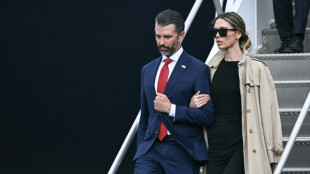
Trump's son confirms Russian businessman paid for post-wedding festivities
-
 Leeds thrash Newcastle to go third in the Premier League
-
Betis beat winless Villarreal to go third

-
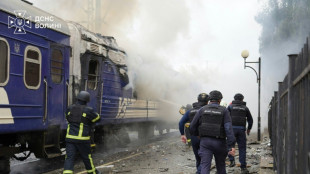 Zelensky says Ukraine ready for 'de-escalatory steps'
-
Etihad capacity rises as war disruption weighs on annual earnings

-
 In-form Malen fires Roma to Serie A summit, Inter on their heels
-
At G20 summit, US unravels power plant climate rules

-
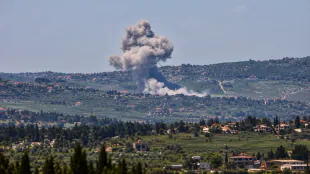 Lebanese agency reports Israeli shelling and gunfire in south
-
Russian disinformation campaign sets sights on US midterms
-
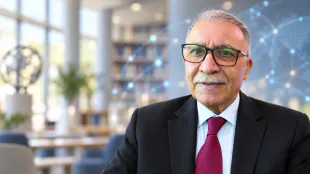 Expert proposes phased digital reform for Arab business schools
-
England No 8 Pollock could move abroad or switch sports amid contract stand-off

-
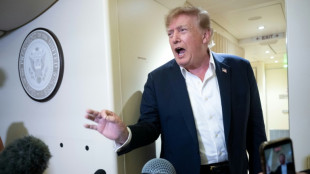 Trump rejects 'hoax' warnings that AI could destroy humanity
-
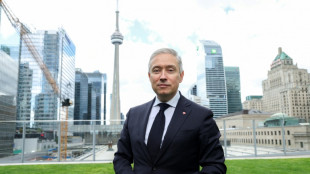
Canada makes pitch as safe place to invest in 'uncertain world'
-
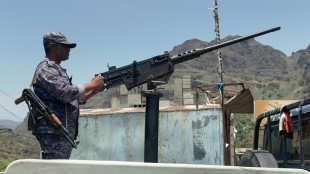 Houthis say Saudi Arabia hits Yemen with 54 strikes after attack on bases
-
In-form Malen fires Roma to Serie A summit

-
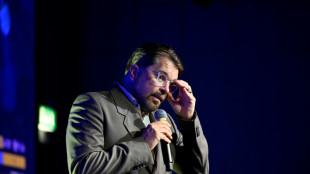 Why the far right is losing ground in Sweden
-
IOC visits Lyon amid leadership turmoil for 2030 Winter Olympics
-
 Ex-Ireland fly-half O'Gara extends deal as La Rochelle coach
-
New York seizes 12 celeb deep-fake porn sites

-
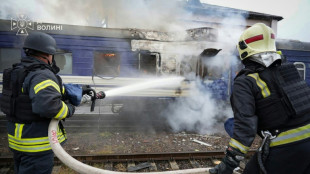
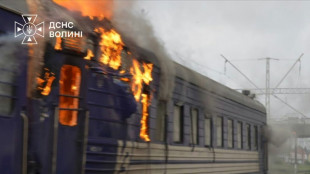 Russian attacks on Ukraine railways escalating every week: rail CEO to AFP
-
Jesse Eisenberg channels emotional intensity into 'The Debut'

-
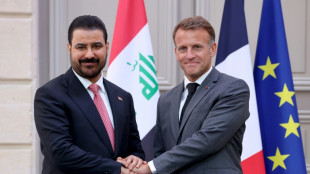 France, Iraq deepen energy, defence ties during Zaidi visit
-
Alarm over AI grows as divided US Congress struggles to act
-
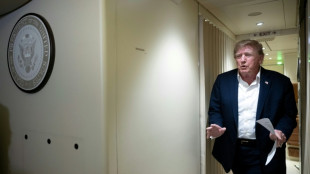 Trump says Ukraine, Russia agree not to hit energy targets
-
PopDEX Surpasses $61M TVL and $2B Trading Volume in Closed Beta

-
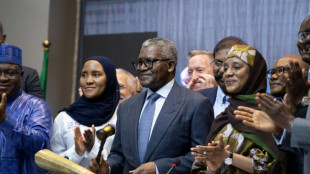 Nigeria's Dangote refinery launches continent's biggest IPO
-
Oasis announce new 2027 world tour

-
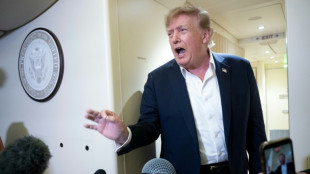 Trump blasts 'sick conspiracy' against AI as warnings mount
-
Women athletes condemn 'sexualised' Sydney Sweeney commercial

-
 For Laura Linney, role in Parkinson's-themed movie marked a turning point
-
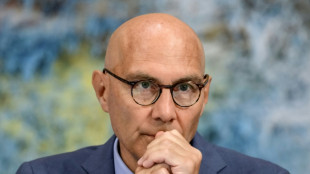
UN calls for 'urgent action' to rein in AI in face of 'unprecedented risks'
-
 Doctors face life sentence over Greek pop star's death
-
Russia intensifies attacks seeking to intimidate Ukraine, Europe
-
 Trump moves to axe power plant climate rules
-
Richarlison not in Spurs League Cup squad: De Zerbi

-
 Slow the AI race? Investors weigh the potential cost
-
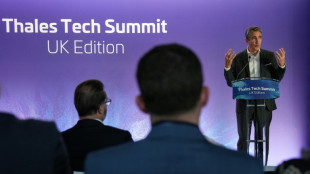
French defence group Thales calls on governments to regulate AI
-
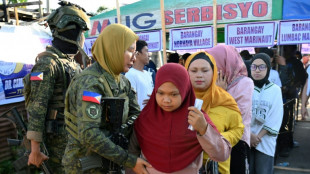 Philippine Muslim enclave votes for parliament after deadly shooting
-
Three talking points from the Spanish Grand Prix

-
 Germany seeks guarantees from Italy's UniCredit over Commerzbank takeover
-
Saudi football body vows action against Jota chants, Ronaldo urges life ban
-
 Liverpool will have to accept 'ups and downs', says Iraola
-
North Korea win 10-0 in Asian Games football mismatch
Who wins and who loses in Syria?
In a dramatic turning point for Syria, the Assad regime has collapsed, paving the way for Hay’at Tahrir al-Sham (HTS) to seize the reins of power. This profound shift comes after years of civil war, international intervention, and internal political struggles. While the fall of one government and the rise of another might briefly end large-scale hostilities in certain areas, the implications for Syrians—and regional players—are complex and far-reaching. Below, we examine who stands to benefit from HTS’s ascension and who may face serious setbacks in the aftermath.
Potential Winners
1) Hardline Islamist Groups and Affiliates
As HTS consolidates its influence, other aligned Islamist factions may find opportunities to share in governing structures or expand their influence in regions of Syria. Local militias cooperating with HTS may receive political or financial rewards, as well as a certain degree of autonomy in the territories they help control.
2) Foreign Backers of HTS
Certain external supporters might see political or strategic advantages if their preferred groups are now in charge. These backers could influence the formation of new governmental institutions, policies, or trade agreements favorable to their interests.
3) Some Local Communities Under HTS Control
In areas where HTS had already established local governance—providing basic services and a semblance of stability—residents might see a continuation of order, albeit under strict regulations. While personal freedoms may be curbed, some communities might prefer an end to intense fighting over the chaos of ongoing armed conflict.
Potential Losers
4) Moderate Opposition Groups
Non-extremist factions that fought to topple the Assad regime could be sidelined, if not outright suppressed, by the new leadership. Political competition might be stifled, making it difficult for moderate voices to participate in post-conflict governance.
5) Ethnic and Religious Minorities
With HTS widely considered a hardline faction, minority groups—such as Alawites, Christians, Kurds, and Druze—may face persecution or exclusion from the new power structure. Discriminatory policies could lead to displacement, especially in regions already experiencing sectarian tension.
6) Civil Society and Human Rights Advocates
NGOs, independent journalists, and activists critical of HTS’s ideology may be forced to operate clandestinely or face severe repercussions. Freedom of the press, speech, and assembly could be further curtailed, limiting any meaningful civic engagement.
7) International Humanitarian Efforts
Foreign aid agencies may find it more difficult to operate under a leadership that has been labeled “extremist” by many nations. Bureaucratic hurdles, security risks, and ideological disputes may restrict the distribution of crucial humanitarian assistance to vulnerable populations.
International Dynamics
Regional Powers:
Neighboring countries that once supported specific rebel factions might find their influence diminished if those groups lose ground under HTS rule. Conversely, regional actors that developed covert ties with HTS might gain a stronger foothold in Syria’s evolving political landscape.
Global Powers:
Western nations could face a dilemma: accept a de facto extremist-led government for the sake of stability, or maintain sanctions and diplomatic isolation. Rivalries between larger international players—such as the United States, Russia, and Iran—may shift as each decides how (or whether) to engage with HTS.
Humanitarian Concerns:
While HTS’s political agenda may bring an end to certain forms of internal conflict, Syria still faces severe humanitarian challenges. Millions are displaced, infrastructure is in ruins, and the economy remains fragile. Aid agencies worry that severely restrictive policies or ideological conditions set by the new authorities could hamper reconstruction and limit aid distribution, prolonging the suffering of ordinary Syrians.
Looking Ahead
The end of the Assad regime and the rise of HTS marks a new chapter in Syria’s ongoing struggle. For some, the new government provides a semblance of order after years of civil war. For others, it heralds tighter social controls, greater risk of persecution, and an uncertain future. How HTS manages governance, minority rights, and international relations will ultimately shape Syria’s recovery or further turmoil.
As the global community watches from afar, Syrians remain on the front lines of this dramatic power shift—some hoping for a break from ceaseless conflict, others bracing for a new and possibly harsher form of authoritarian rule. Only time will tell if HTS can stabilize the country and address the nation’s myriad challenges, or if Syria’s years of turmoil will persist under a different banner.
Russia's Population Plummets

Trump’s Crackdown: Lives/Risk

NYALA Digital Asset AG
Reverse Apartheid" in SA?
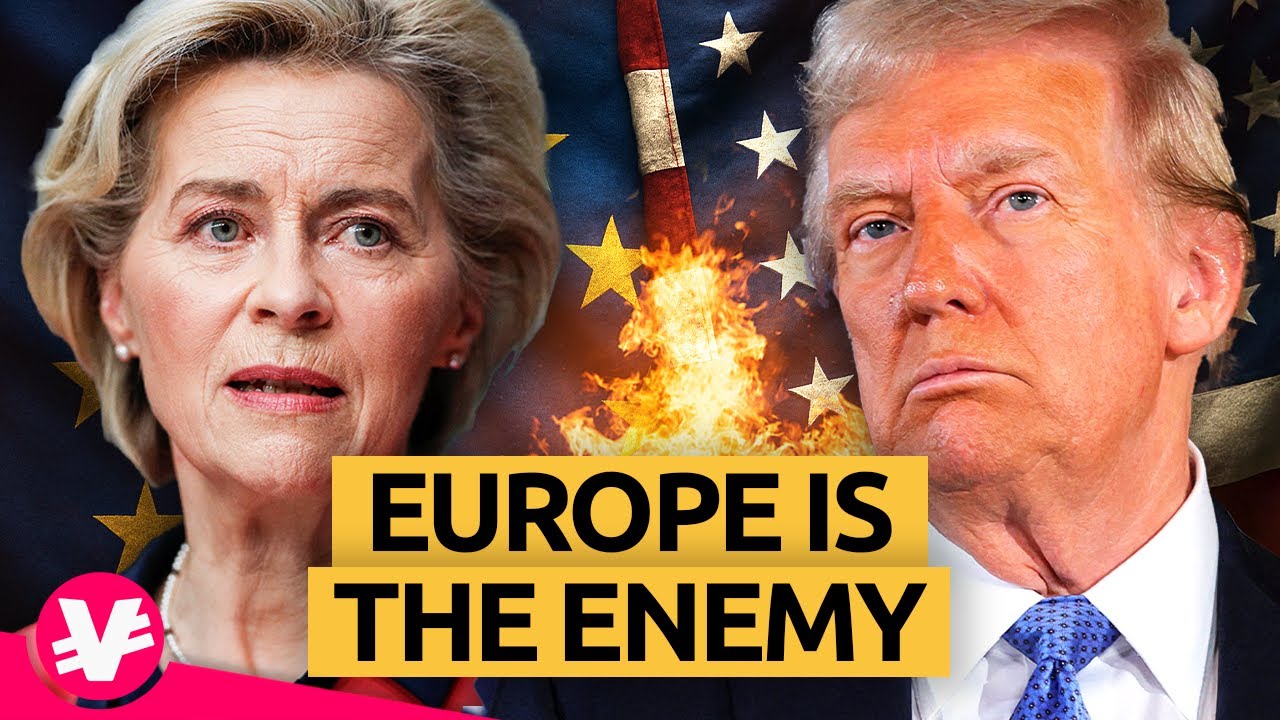
Trump’s 50% tariffs on europe
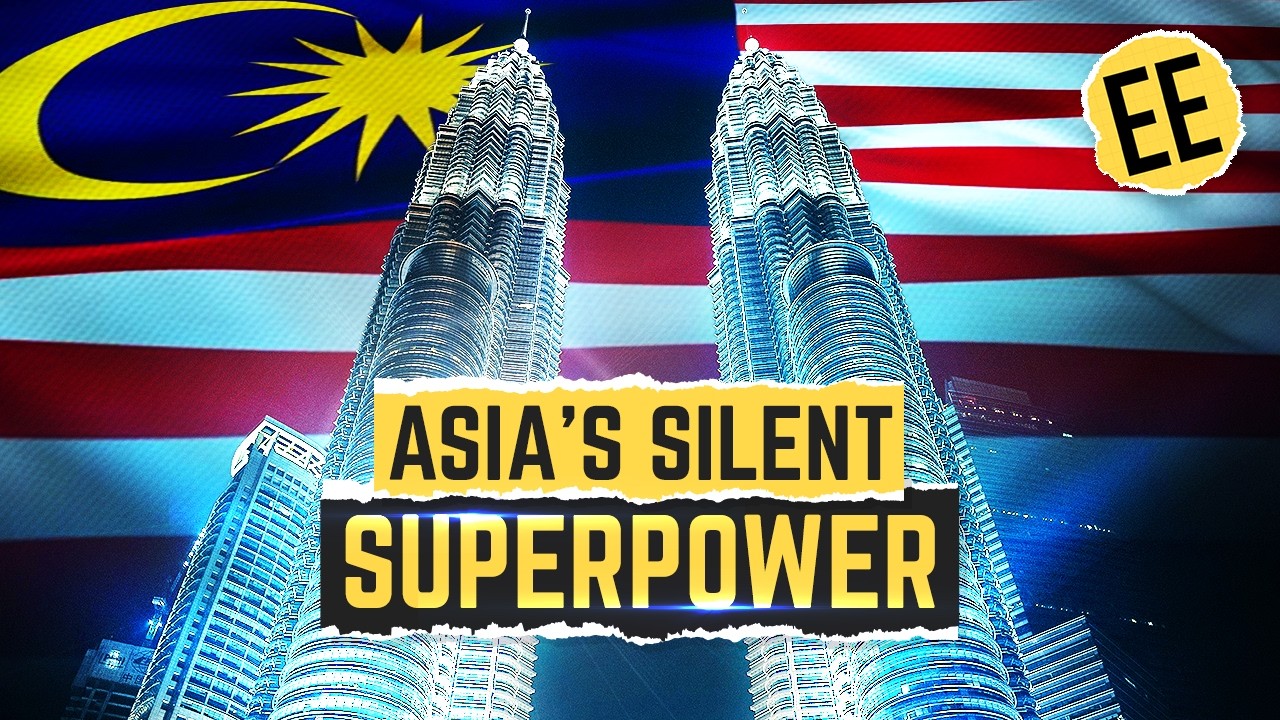
Malaysia's Strategic Ascent

Boomers: Selfish or Scapegoats?
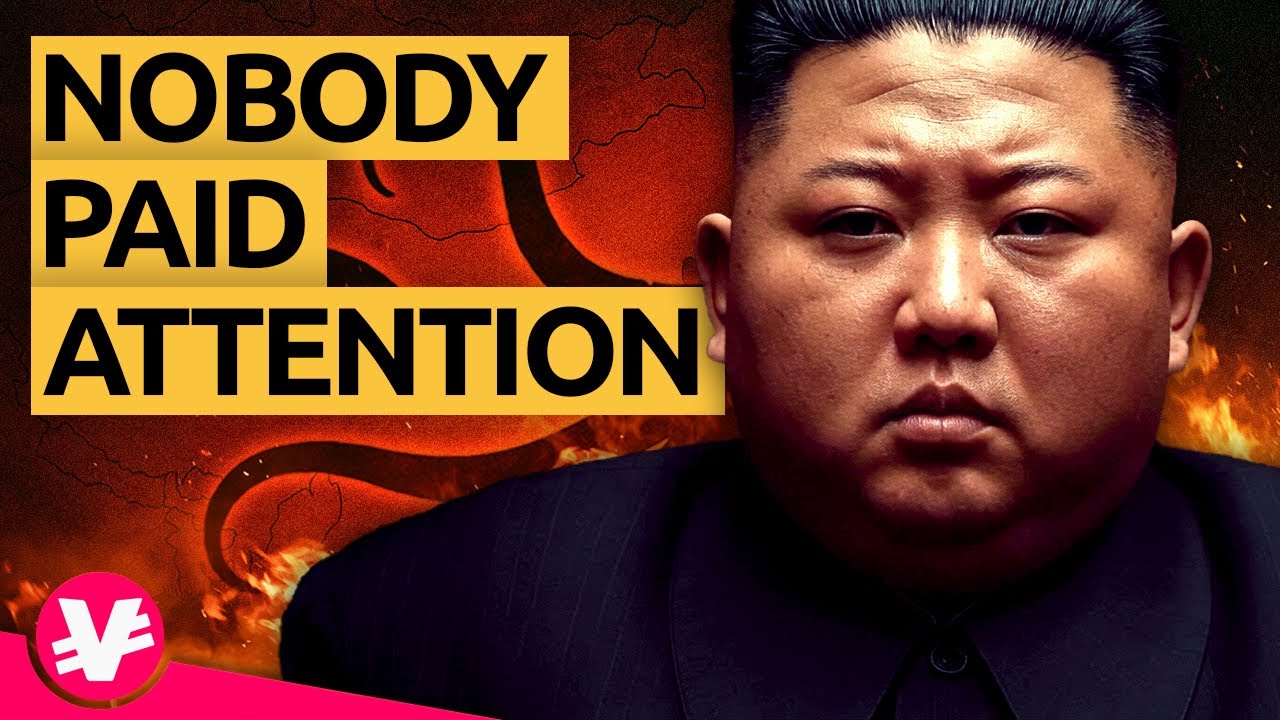
North Korea Infiltrates Economy
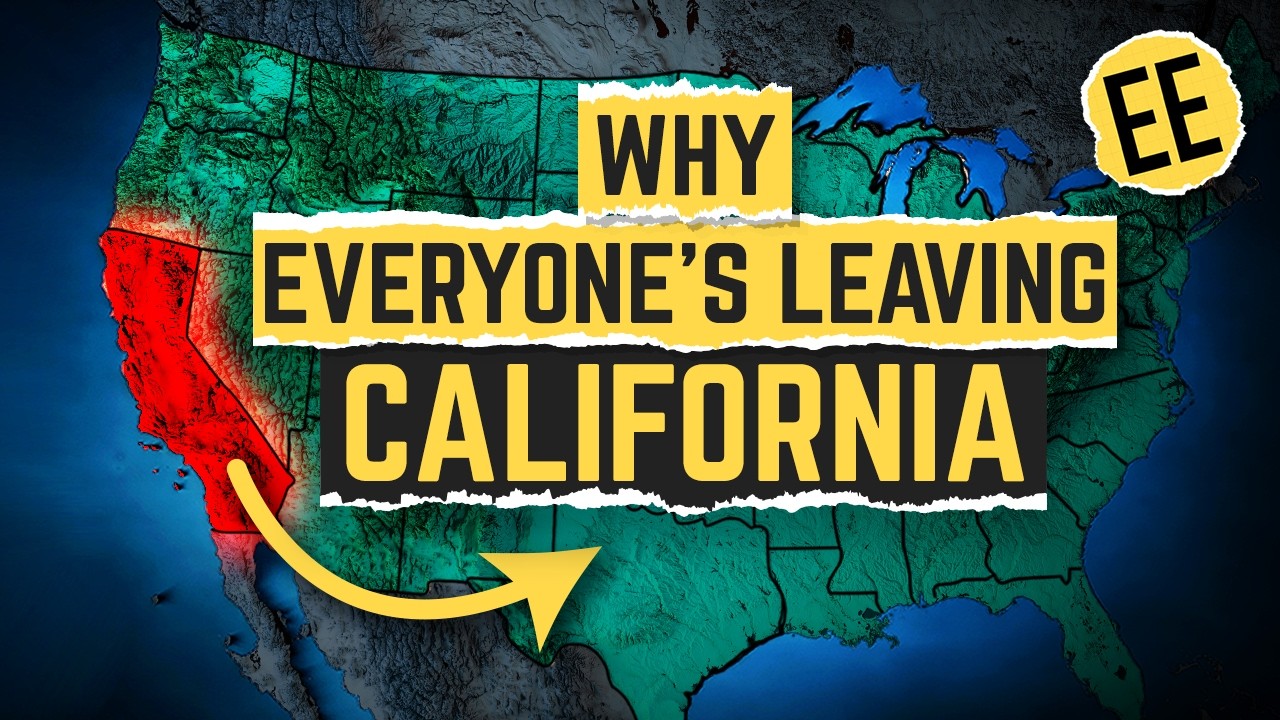
California's Economy: Not Broken
Ukraine's Drones Bleed Russia
Orban and Putin's Shadow Deal



