-
 EU extends Russia sanction deadline
-
Emmy Awards begin as 'Widow's Bay' and 'The Pitt' vie for top prizes

-
 Thai wildlife investigators track traffickers through social media
-
Himalayan glacier study warns of flood and water-supply risks

-
 Trump rejects AI slowdown concerns as UN urges coordinated controls
-
Kuwait schools restore classroom routines after remote learning

-
 US judge postpones new visa rules for foreign students, journalists
-
US designer Bob Mackie, known for Hollywood glamour, dies at 87

-
 Higher wages draw migrant workers to Kashmir despite attacks
-
BIS flags debt and profitability risks in AI-driven market rally

-
 Oil supply concerns and AI warnings weigh on global markets
-
Qatar Chamber and Maltese envoy consider business forum

-
 'I am the hoax buster': Trump rejects AI danger warnings
-
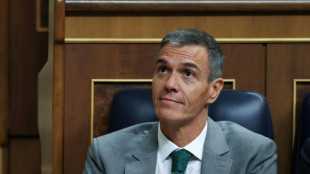
Spanish PM denies being blackmailed by Morocco
-
 Macklemore dropped from Ed Sheeran tour after 'free Palestine' speech
-
Doha Islamic finance forum names AlRayan firms as co-lead partners

-
 Trump's son confirms Russian businessman paid for post-wedding festivities
-
Leeds thrash Newcastle to go third in the Premier League

-
 Betis beat winless Villarreal to go third
-
Zelensky says Ukraine ready for 'de-escalatory steps'

-
 Etihad capacity rises as war disruption weighs on annual earnings
-
In-form Malen fires Roma to Serie A summit, Inter on their heels

-
 At G20 summit, US unravels power plant climate rules
-
Lebanese agency reports Israeli shelling and gunfire in south

-
 Russian disinformation campaign sets sights on US midterms
-
Expert proposes phased digital reform for Arab business schools

-
 England No 8 Pollock could move abroad or switch sports amid contract stand-off
-
Trump rejects 'hoax' warnings that AI could destroy humanity

-
 Canada makes pitch as safe place to invest in 'uncertain world'
-
Houthis say Saudi Arabia hits Yemen with 54 strikes after attack on bases

-
 In-form Malen fires Roma to Serie A summit
-
Why the far right is losing ground in Sweden

-
 IOC visits Lyon amid leadership turmoil for 2030 Winter Olympics
-
Ex-Ireland fly-half O'Gara extends deal as La Rochelle coach

-
 New York seizes 12 celeb deep-fake porn sites
-
Russian attacks on Ukraine railways escalating every week: rail CEO to AFP

-
 Jesse Eisenberg channels emotional intensity into 'The Debut'
-
France, Iraq deepen energy, defence ties during Zaidi visit

-
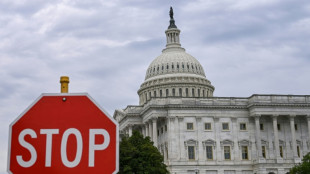 Alarm over AI grows as divided US Congress struggles to act
-
Trump says Ukraine, Russia agree not to hit energy targets

-
 PopDEX Surpasses $61M TVL and $2B Trading Volume in Closed Beta
-
Nigeria's Dangote refinery launches continent's biggest IPO

-
 Oasis announce new 2027 world tour
-
Trump blasts 'sick conspiracy' against AI as warnings mount

-
 Women athletes condemn 'sexualised' Sydney Sweeney commercial
-
For Laura Linney, role in Parkinson's-themed movie marked a turning point

-
 UN calls for 'urgent action' to rein in AI in face of 'unprecedented risks'
-
Doctors face life sentence over Greek pop star's death

-
 Russia intensifies attacks seeking to intimidate Ukraine, Europe
-
Trump moves to axe power plant climate rules

Meta's announcements and digital services?
Recent announcements by Meta, the technology conglomerate formerly known as Facebook, are raising questions about compliance with new and upcoming European digital regulations. In particular, critics argue that Meta’s proposed changes—ranging from expanded encryption options to the way it handles user data—could conflict with the European Union’s (EU) Digital Services Act (DSA).
The Digital Services Act is part of the EU’s broader effort to modernize internet governance, alongside the Digital Markets Act (DMA) and other legislation.
The DSA aims to:
- Increase Transparency: Large online platforms must disclose how their algorithms rank content and ads.
- Enhance Accountability: Platforms must tackle illegal or harmful content promptly, and offer clear mechanisms for users to report it.
- Protect User Rights: Users should be able to appeal content takedowns and have better insight into how and why posts are removed or demoted.
These rules place heightened responsibilities on big tech companies—those classified as “very large online platforms” with tens of millions of European users.
Meta’s Recent Announcements:
Over the past few months, Meta has shared several updates about its business strategy and platform operations, including:
- Increased End-to-End Encryption: Meta plans to make messaging on Facebook Messenger, Instagram, and WhatsApp more robustly encrypted.
- Data Collection and Personalization: Meta continues to prioritize data-driven ad targeting, which remains a central component of its revenue model.
- Content Moderation Tools: The company has signaled new automated detection systems to handle harmful content.
At first glance, these moves might appear aligned with a more privacy-focused approach. However, some experts contend that the heightened encryption and ongoing data collection practices might not fully align with the EU’s expectations for transparency, oversight, and user empowerment.
Potential Areas of Conflict
Algorithmic Transparency:
The DSA requires large platforms to provide clearer information on how content is promoted or suppressed. Critics say Meta’s push toward deeper encryption and minimal disclosure about proprietary ranking algorithms may hinder third-party audits.
User Rights and Appeals:
With increased automation in content moderation, users must have meaningful ways to appeal decisions. Observers note that Meta’s announcements have not specified whether appeals processes will be enhanced alongside new AI-driven moderation systems.
Data Governance and Consent:
Meta’s continued reliance on personalized advertising could come under scrutiny if user data is processed in ways that the DSA considers insufficiently transparent. The EU seeks stronger user consent mechanisms and clearer data usage disclosures, which might push Meta to adjust its business model in Europe.
Regulatory and Public Reactions
EU Officials:
While no formal statement has condemned Meta’s announcements outright, policymakers in Brussels remind all major platforms that “partial compliance” will not be enough under the DSA. Fines for non-compliance can reach up to 6% of a company’s global annual revenue.
Digital Rights Advocates:
Several advocacy groups argue that fully end-to-end-encrypted messaging, while privacy-enhancing, should not exempt a platform from accountability measures. They urge Meta to release more details about how it will reconcile encryption with obligations to remove illegal content.
Meta’s Response:
Thus far, Meta has reiterated its commitment to meeting the “highest regulatory standards” in Europe, pointing to ongoing investments in safety, content moderation, and user privacy. However, no specific roadmap for DSA compliance has been published.
What Lies Ahead:
As the DSA comes fully into force, large platforms like Meta will be closely monitored for breaches. A key question is whether Meta can strike a balance between encryption, monetization via targeted ads, and the new transparency and accountability requirements. Failure to do so could result in hefty fines or even a partial suspension of services within the EU.
Ultimately, the coming months will reveal how Meta’s strategies align—or clash—with Europe’s digital vision. If Meta can demonstrate robust compliance and meaningful user protections, it may preserve its market stronghold. If not, a confrontation with Brussels seems inevitable. Either way, the outcome will have sweeping implications for how major tech firms operate under a stricter European regulatory regime.

Tel Aviv’s Wartime rally

Tokyo’s Housing playbook

Venezuela braces after Strike

After Europe’s capitulation

Poland trusts only hard Power

Rare Earth Standoff

Mexico after El Mencho falls

Cuba Strangled by US Pressure

EU misstep on mercosur Deal

India defies U.S. tariffs
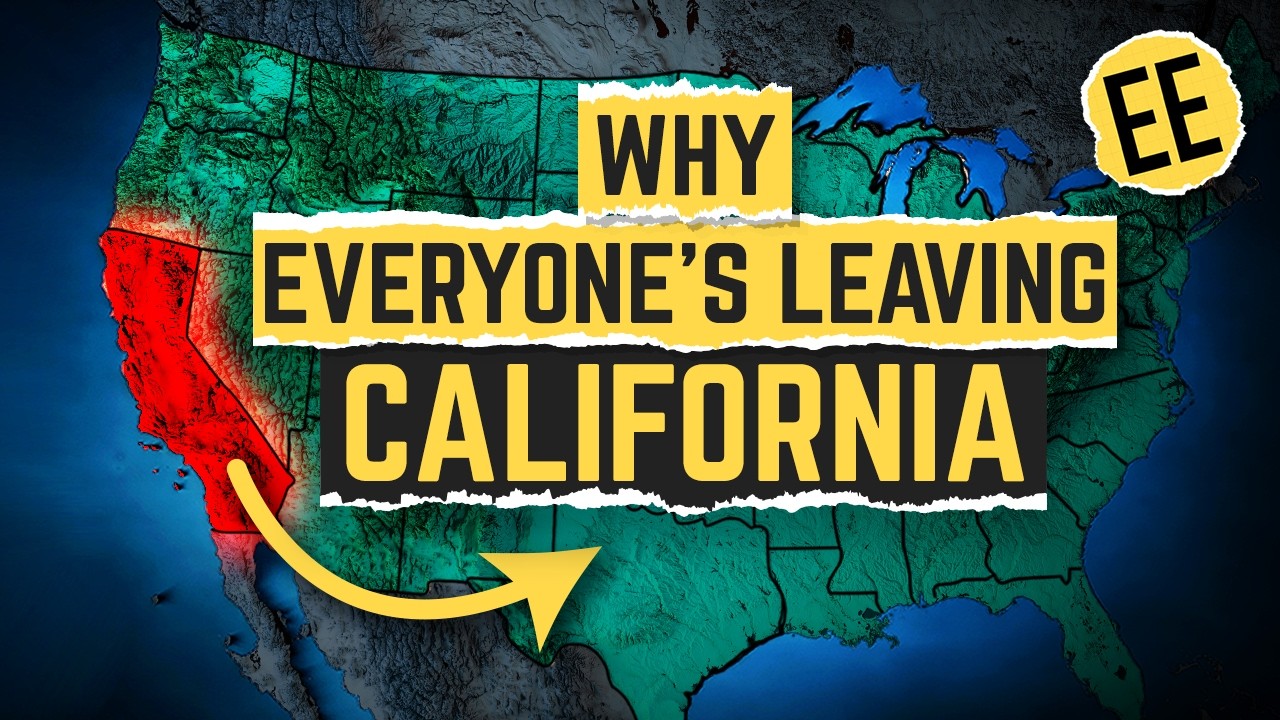
California's Economy: Not Broken