-
 EU extends Russia sanction deadline
-
Emmy Awards begin as 'Widow's Bay' and 'The Pitt' vie for top prizes

-
 Thai wildlife investigators track traffickers through social media
-
Himalayan glacier study warns of flood and water-supply risks

-
 Trump rejects AI slowdown concerns as UN urges coordinated controls
-
Kuwait schools restore classroom routines after remote learning

-
 US judge postpones new visa rules for foreign students, journalists
-
US designer Bob Mackie, known for Hollywood glamour, dies at 87

-
 Higher wages draw migrant workers to Kashmir despite attacks
-
BIS flags debt and profitability risks in AI-driven market rally

-
 Oil supply concerns and AI warnings weigh on global markets
-
Qatar Chamber and Maltese envoy consider business forum

-
 'I am the hoax buster': Trump rejects AI danger warnings
-
Spanish PM denies being blackmailed by Morocco
-
 Macklemore dropped from Ed Sheeran tour after 'free Palestine' speech
-
Doha Islamic finance forum names AlRayan firms as co-lead partners

-
 Trump's son confirms Russian businessman paid for post-wedding festivities
-
Leeds thrash Newcastle to go third in the Premier League

-
 Betis beat winless Villarreal to go third
-
Zelensky says Ukraine ready for 'de-escalatory steps'

-
 Etihad capacity rises as war disruption weighs on annual earnings
-
In-form Malen fires Roma to Serie A summit, Inter on their heels

-
 At G20 summit, US unravels power plant climate rules
-
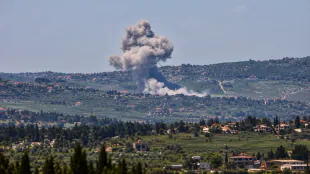
Lebanese agency reports Israeli shelling and gunfire in south
-
 Russian disinformation campaign sets sights on US midterms
-
Expert proposes phased digital reform for Arab business schools

-
 England No 8 Pollock could move abroad or switch sports amid contract stand-off
-
Trump rejects 'hoax' warnings that AI could destroy humanity

-
 Canada makes pitch as safe place to invest in 'uncertain world'
-
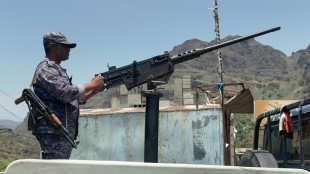
Houthis say Saudi Arabia hits Yemen with 54 strikes after attack on bases
-
 In-form Malen fires Roma to Serie A summit
-
Why the far right is losing ground in Sweden

-
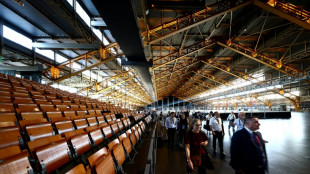 IOC visits Lyon amid leadership turmoil for 2030 Winter Olympics
-
Ex-Ireland fly-half O'Gara extends deal as La Rochelle coach

-
 New York seizes 12 celeb deep-fake porn sites
-
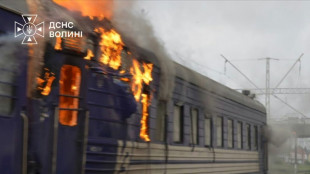
Russian attacks on Ukraine railways escalating every week: rail CEO to AFP
-
 Jesse Eisenberg channels emotional intensity into 'The Debut'
-
France, Iraq deepen energy, defence ties during Zaidi visit

-
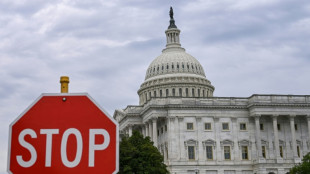 Alarm over AI grows as divided US Congress struggles to act
-
Trump says Ukraine, Russia agree not to hit energy targets

-
 PopDEX Surpasses $61M TVL and $2B Trading Volume in Closed Beta
-
Nigeria's Dangote refinery launches continent's biggest IPO

-
 Oasis announce new 2027 world tour
-
Trump blasts 'sick conspiracy' against AI as warnings mount

-
 Women athletes condemn 'sexualised' Sydney Sweeney commercial
-
For Laura Linney, role in Parkinson's-themed movie marked a turning point

-
 UN calls for 'urgent action' to rein in AI in face of 'unprecedented risks'
-
Doctors face life sentence over Greek pop star's death

-
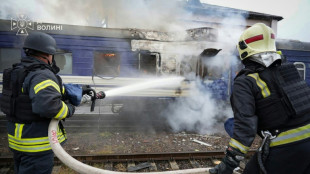 Russia intensifies attacks seeking to intimidate Ukraine, Europe
-
Trump moves to axe power plant climate rules

The Roman Empire and its downfall?
The fall of the Roman Empire has fascinated historians, political analysts, and history enthusiasts for centuries. Once an unparalleled power that stretched across much of Europe, North Africa, and the Middle East, Rome eventually succumbed to a complicated web of internal weaknesses and external pressures. But what factors most decisively contributed to its downfall?
Overextension and Resource Strain
One prominent reason for the Empire’s decline lies in its vast territorial expanse. As the Empire expanded, maintaining military and administrative control over far-flung provinces became an immense challenge. Garrisoning remote frontiers and sustaining essential infrastructure, such as roads and aqueducts, placed enormous financial and logistical burdens on the imperial administration. Over time, these obligations led to heightened taxation and social unrest, eroding the Empire’s stability from within.
Political Instability and Weak Leadership
Another fundamental weakness was Rome’s inability to establish a consistent and resilient political structure. Frequent coups, civil wars, and assassinations destabilised the imperial government. Short-lived emperors were often more focused on consolidating power and eliminating rivals than enacting long-term reforms. This lack of continuity in governance engendered bureaucratic inefficiency and thwarted coherent policymaking, leaving Rome ill-prepared to address growing internal and external threats.
Economic Decline and Hyperinflation
Economic disruptions also played a pivotal role. As wars grew costlier, silver coinage was devalued repeatedly, leading to rampant inflation. Confidence in the currency eroded, triggering a cycle of price increases and diminishing trade. Many farmers abandoned their land, amplifying rural depopulation and further undermining agricultural productivity. Trade routes, once the arteries of Roman commerce, became perilous, stifling economic growth and rendering the state increasingly vulnerable.
The Rise of External Threats
Simultaneously, external forces took advantage of Rome’s weakening grip. Germanic tribes and other barbarian groups pressed against the Empire’s borders, sensing the growing fragility of Roman power. Although Rome had once managed to integrate or repel these incursions, mounting economic strain and military overextension hindered an effective response. Over time, repeated invasions culminated in the sacking of Rome by the Visigoths in 410 CE and the eventual deposition of the last Western Roman Emperor in 476 CE.
Social and Cultural Transformation
Lastly, shifting social and cultural dynamics played a role. Traditional Roman values of civic duty and loyalty to the state gradually gave way to localised loyalties and a reliance on mercenary forces. The rise of Christianity, while not the sole cause of the Empire’s decline, reoriented cultural and political power away from older Roman institutions and towards the Church, reducing the emperors’ influence and the old civic order’s authority.
Conclusion No single event or factor can wholly explain the collapse of the Roman Empire. Rather, it was the convergence of overextension, economic instability, political turmoil, and shifting social foundations that led to Rome’s ultimate disintegration. While debates on the precise causes continue, most historians agree that the empire’s downfall underscores the fragile balance between power, governance, and societal cohesion—an enduring lesson for any ambitious political system.
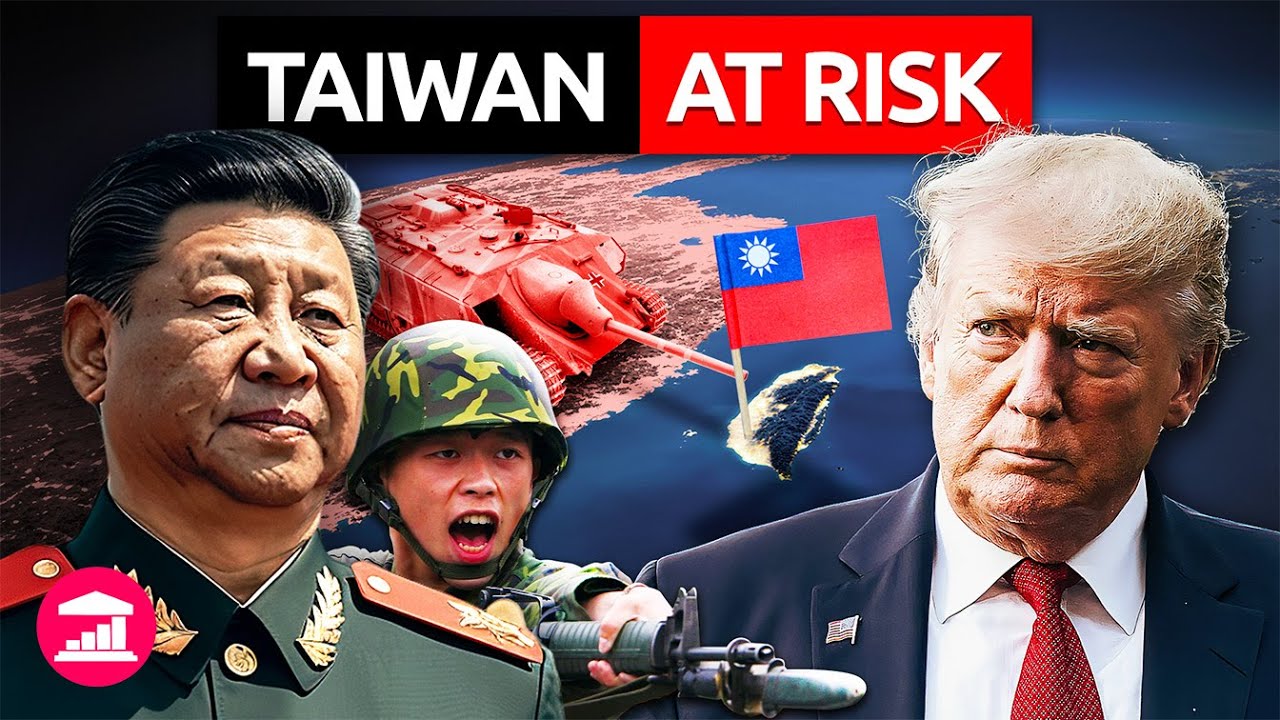
China, Trump, and the power of war?
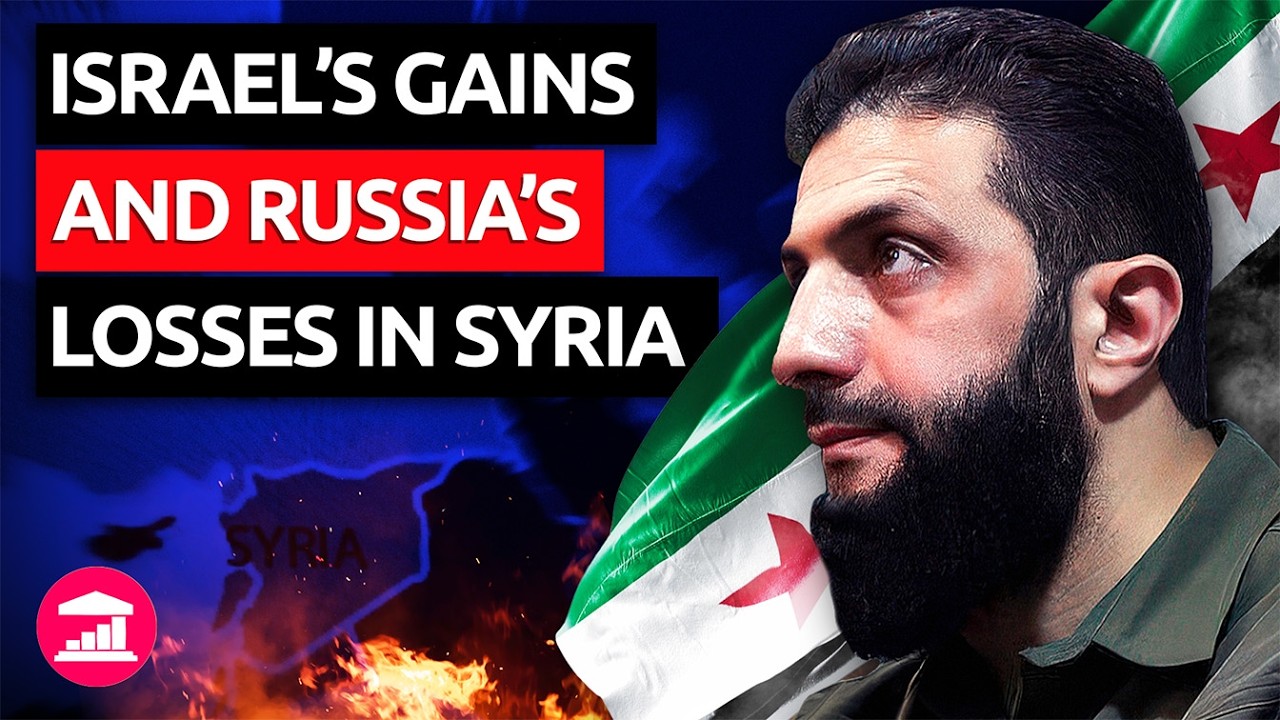
Who wins and who loses in Syria?
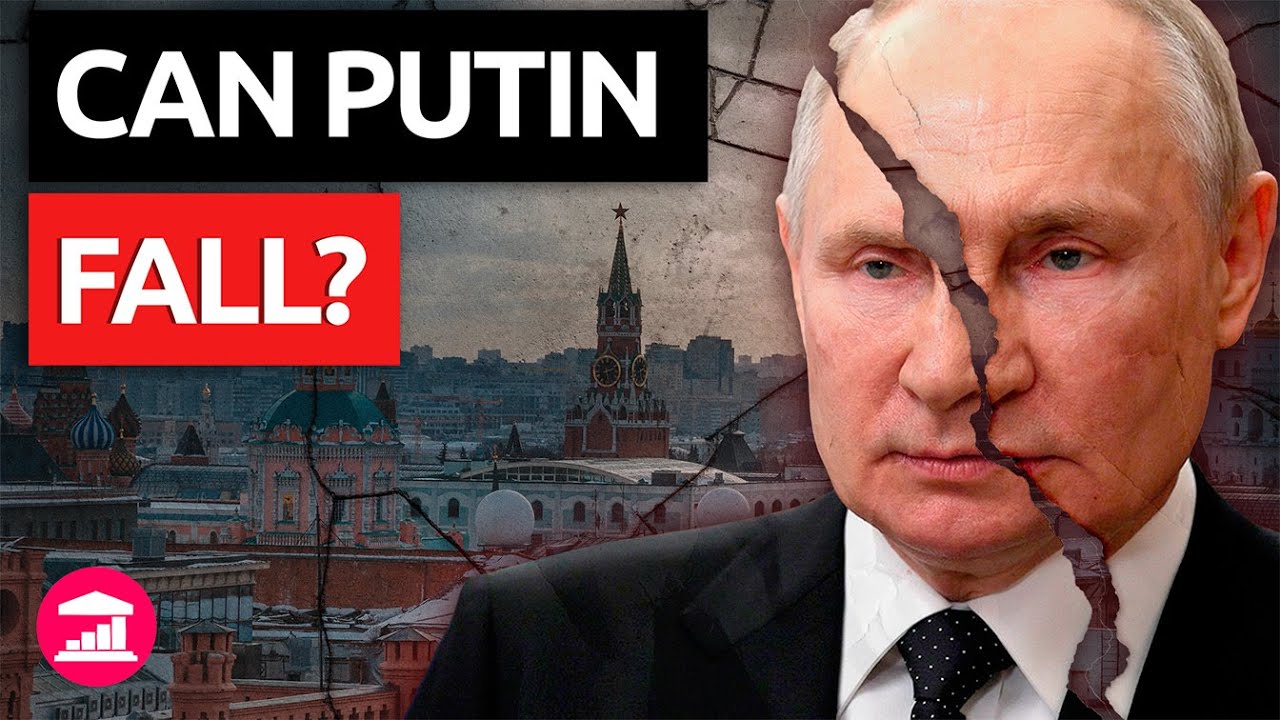
Russia: Is Putin's time nearly up?

Alice Weidel: AfD Chancellor Candidate 2025

Hungary: China's CATL battery factory
Meta's announcements and digital services?
Donald J. Trump: America is back
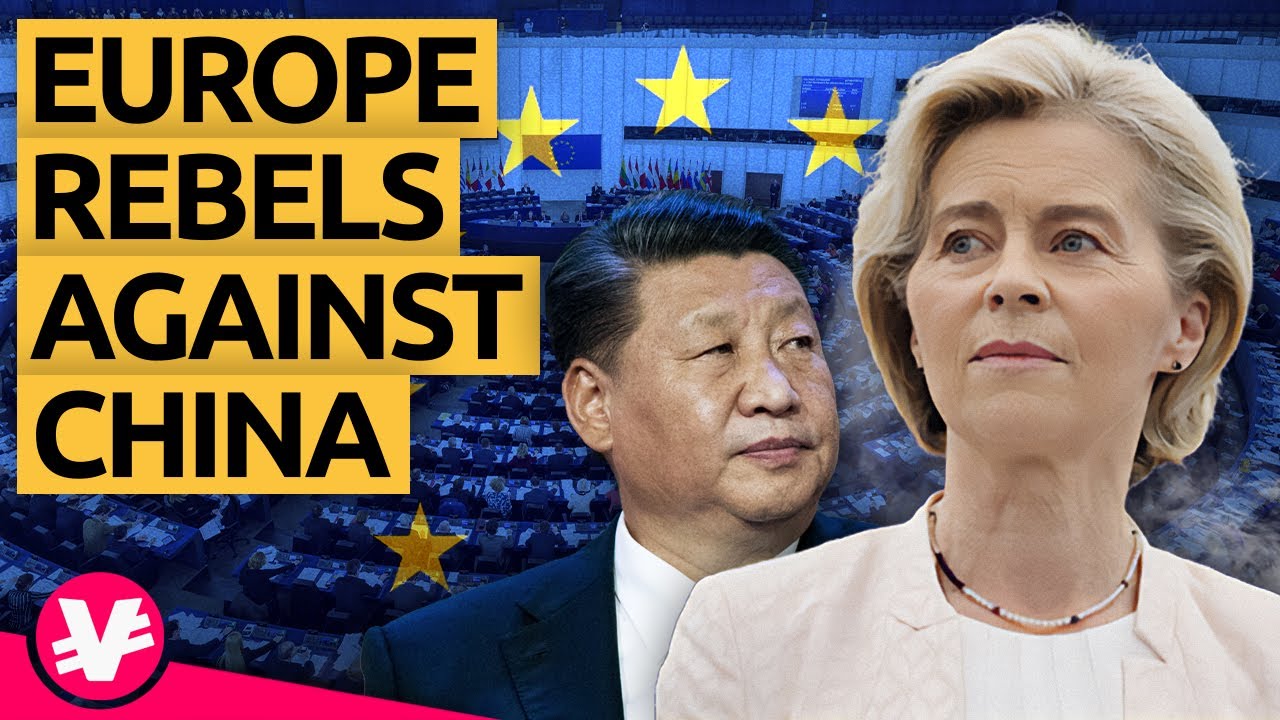
Is this Europe's plan for China?
Argentina, Milei and the US dollar?
Trump needs to avoid debt Collapse
Europe’s arms money maze