-
 French UFC fighter Gane blocking out politics before White House bout
-
England aim to erase Ashes scars against New Zealand

-
 50 years after Olympic glory, Comaneci's homecoming sparks hope of new path to perfection
-
'No hiding' as Haiti thrash New Zealand in pre-World Cup friendly

-
 Military seeks prison time for Indonesian soldiers in acid attack
-
'Animalistic horror': Russia puts war art on display

-
 German alleged rape victim battles time limit on abuse cases
-
As crises balloon, so do EU nations' deficits
-
 Japan's samurai spirit still burns in cooler conditions
-
Solomons PM says to review secretive security pact with China
-
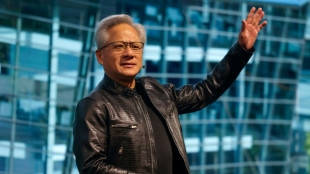 Oil prices rise on Iran peace worries, stocks build on tech rally
-
Sabalenka homes in on French Open semis

-
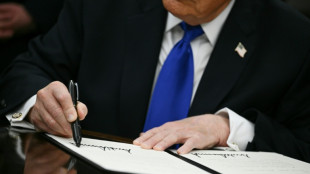 Trump signs AI order giving government access to powerful models
-
Pope to mark centenary of death of 'God's architect' Antoni Gaudi

-
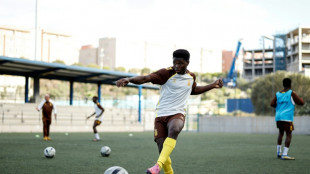 Migrant journeys in focus ahead of pope visit to Spain's Canaries
-
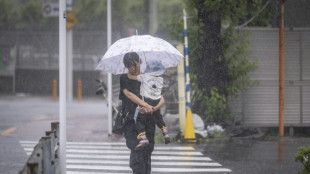
Flood warnings as storm moves towards Tokyo
-
 Scotland's Tartan Army to bring 'the party' on World Cup return
-
Thousands protest Jared Kushner-linked resort project in Albania

-
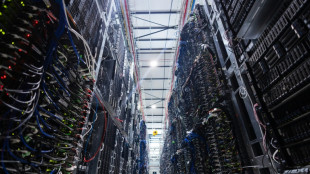 EU to unveil plan to wean itself off US, Asia tech
-
Solomons PM says to review security pact with China

-
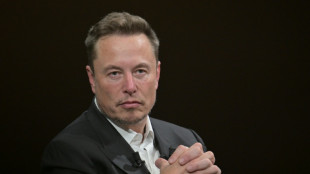 Will SpaceX IPO make Elon Musk a trillionaire?
-
By the power of great skills: Nicholas Galitzine on He-Man transformation

-
 '20 minutes of terror': AI boosts US voice impersonation scams
-
Before SpaceX goes public, a scramble to get on bandwagon
-
 One of our own: San Antonio embraces 'Wemby' ahead of NBA Finals
-
Tanzania president visits Russia as Western ties fray
-
 Keiko Fujimori: Peru's biggest political loser eyes election win
-
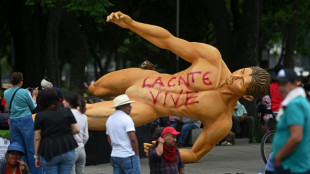
Protesting teachers in Mexico topple player statues days before World Cup
-
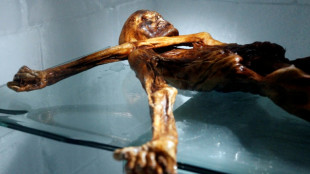 Scientists find yeast in ancient Iceman's guts -- and make bread
-
InterContinental Hotels Group PLC Announces Transaction in Own Shares - June 03

-
 MindMaze Therapeutics Publishes Invitation to the 2026 Annual General Meeting
-
No.1 Korda, No.2 Jeeno chase US Women's Open title

-
 Trump admin abandons $1.8 bn fund to compensate supporters
-
Canada and Mexico tell US they want free trade deal renewed
-
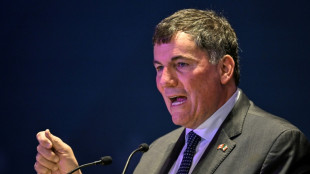
 David Beckham to get star on Hollywood Walk of Fame
-
Turkey raps Kanye West for offending 'spiritual sensitivities'

-
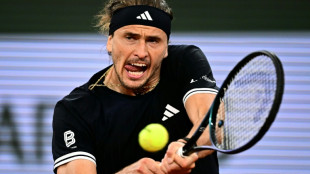 Zverev powers into French Open semis as Fonseca run ends
-
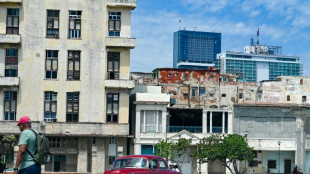
Foreign companies take flight from US-sanctioned Cuba
-
 Knicks, Brunson in awe of 'unbelievable' Wembanyama
-
Mensik tames Fonseca to reach French Open semi-finals

-
 'I can't breathe': clashes erupt after UK police handcuff dying student
-
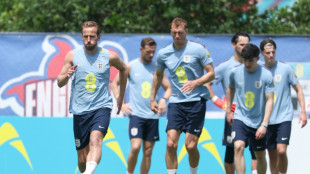
England launch World Cup build-up in steamy Florida
-
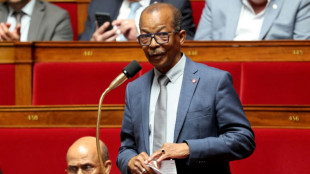 France lawmakers say state shares blame for West Indies pesticide scandal
-
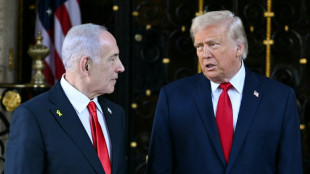
'Crazy': Trump-Netanyahu relationship under growing strain
-
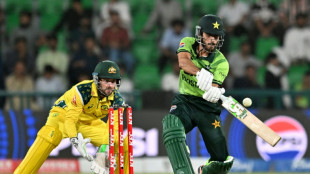 Ellis's best helps Australia shock Pakistan to level ODI series
-
Brunson says doubters only push Knicks to work harder

-
 'I can't breathe': outrage, violence after UK police handcuff dying student
-
Zverev 'doesn't care' about French Open favourite tag

-
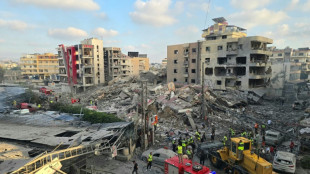 Israel, Hezbollah trade blows as diplomats meet in Washington
-
Microsoft unveils AI models in push for independence from OpenAI

Wealth that Brazil is not utilizing!
Brazil, a nation endowed with staggering natural riches, stands as one of the world’s great paradoxes: a land of immense wealth that it struggles to harness effectively. From the sprawling Amazon rainforest to vast mineral deposits and a coastline teeming with potential, the country possesses resources that could propel it to economic superpower status. Yet, persistent challenges—mismanagement, environmental degradation, and entrenched inequality—continue to stymie its ability to translate this bounty into sustainable prosperity. As global demand for green energy and rare minerals surges, Brazil’s untapped potential remains both a tantalising opportunity and a frustrating enigma.
A Treasure Trove of Resources:
Few nations rival Brazil’s natural endowment. The Amazon, covering nearly 60% of the country, is not only the planet’s largest carbon sink but also a repository of biodiversity, with untold species that could yield breakthroughs in medicine and agriculture. Beneath its soil lie some of the world’s richest reserves of iron ore, bauxite, and niobium—a metal critical for aerospace and electronics, of which Brazil supplies over 90% of global demand. Offshore, the pre-salt oil fields, discovered in 2006, hold an estimated 50 billion barrels, positioning Brazil as a top-tier petroleum producer. Add to this fertile lands that make it an agricultural giant—exporting soy, beef, and coffee—and the scale of its wealth becomes clear.
This abundance is no secret. In 2024, Brazil’s exports reached $330 billion, driven by commodities like iron ore ($47 billion) and crude oil ($39 billion), according to government data. Yet, these figures belie a deeper truth: the nation reaps only a fraction of the value its resources could command if harnessed strategically.
The Curse of Mismanagement:
Brazil’s failure to capitalise fully on its wealth is rooted in a litany of self-inflicted wounds. Corruption scandals, such as the Lava Jato (Car Wash) investigation, have siphoned billions from state coffers, notably from Petrobras, the national oil company. Infrastructure woes compound the problem: crumbling roads and inadequate ports inflate transport costs, rendering exports less competitive. A 2024 World Bank report estimated that logistical inefficiencies cost Brazil up to 5% of its GDP annually—roughly $100 billion.
The Amazon exemplifies this squandered potential. While its preservation is vital for global climate goals, illegal logging and mining—often abetted by lax enforcement—devastated 11,088 square kilometres in 2023 alone, per Brazil’s National Institute for Space Research. Rather than leveraging its forests for carbon credits or sustainable bio-industries, Brazil loses both ecological and economic ground. President Luiz Inácio Lula da Silva, re-elected in 2022, pledged to halt deforestation by 2030, yet progress remains sluggish, hampered by political resistance and budget constraints.
Missed Opportunities in the Green Boom:
As the world races towards net-zero emissions, Brazil’s resources align uncannily with global needs. Lithium and rare earth elements, essential for batteries and renewable technologies, abound in states like Minas Gerais, yet extraction lags behind leaders like Australia and China due to regulatory hurdles and underinvestment. The International Energy Agency projects demand for lithium to rise tenfold by 2040, yet Brazil’s output remains a trickle—less than 1% of the global total in 2024.
Hydropower, which supplies 60% of Brazil’s electricity, and untapped wind and solar potential could make it a renewable energy titan. The northeast’s windy coastlines boast some of the world’s highest capacity factors for wind farms, yet bureaucratic delays and a creaking grid deter investors. A 2024 study by the Brazilian Wind Energy Association estimated that tripling wind capacity by 2030 could create 200,000 jobs and add $20 billion to GDP—but only with bold reforms.
Inequality and Economic Stagnation:
Wealth in Brazil flows unevenly. The richest 1% control nearly 50% of national income, while 33 million people faced hunger in 2023, according to Oxfam. Commodity booms enrich agribusiness elites and mining firms, yet little trickles down to the broader population. Education, critical for a knowledge-based economy, languishes: Brazil ranks 60th in the OECD’s PISA assessments, hobbling its ability to innovate beyond raw resource extraction.
Economic growth has flatlined, averaging just 0.9% annually from 2011 to 2023. The real, Brazil’s currency, weakened by 15% against the dollar in 2024, reflecting investor unease over fiscal deficits and political gridlock. While competitors like Indonesia diversify into manufacturing, Brazil remains tethered to primary goods, exporting iron ore but importing steel—a failure to climb the value chain.
A Path Forward?
Solutions exist, but require political will. Streamlining bureaucracy could unlock billions in foreign investment, as seen with the $4 billion Vale mining project approved in 2024 after years of delays. Tax incentives for sustainable industries—such as eco-tourism or bio-pharmaceuticals—could tap the Amazon’s potential without razing it. Education reform, paired with vocational training, might equip Brazilians to process their own resources, rather than shipping them abroad raw.
Lula’s administration has hinted at such ambitions, unveiling a $350 million green transition fund in January 2025. Yet, with Congress fractured and state governments at odds, execution falters. On X, commentators lament “a nation asleep on a goldmine,” a sentiment echoed by economists who warn that without reform, Brazil risks becoming a resource-rich relic in a fast-evolving world.
Conclusion:
Brazil’s formidable wealth is both a blessing and a burden. Its resources could fuel a prosperous, sustainable future, yet decades of mismanagement and missed chances have left it punching below its weight. As global demand shifts towards green technologies, the window to harness this potential narrows. Whether Brazil awakens to its own richness—or remains mired in inertia—will define its place in the 21st century.
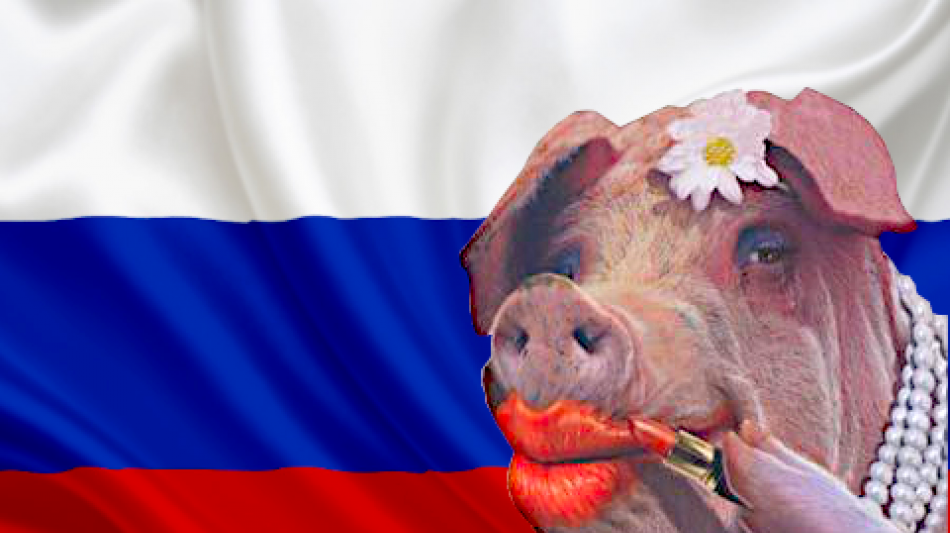
Russland, der Terror-Staat / Russia, the terrorist state!
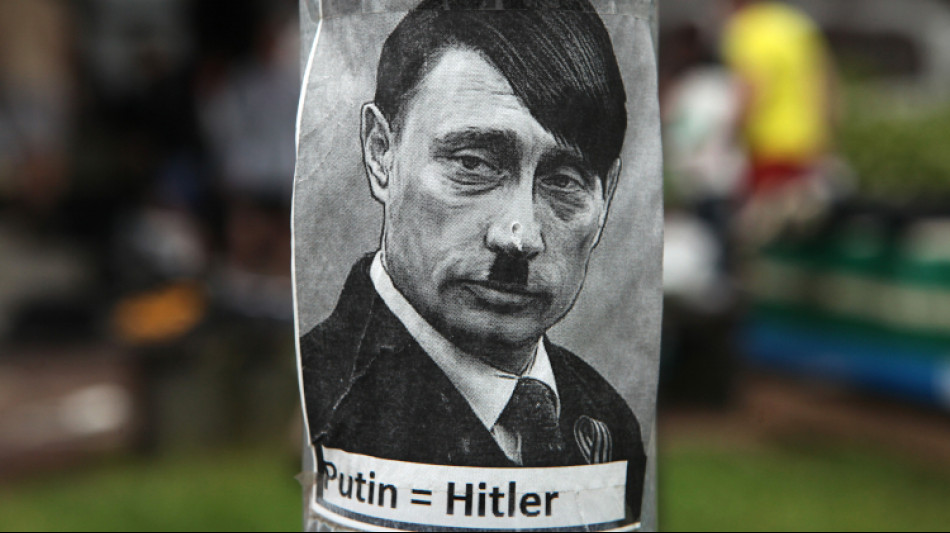
Ukraine in the fight against the russian terror State
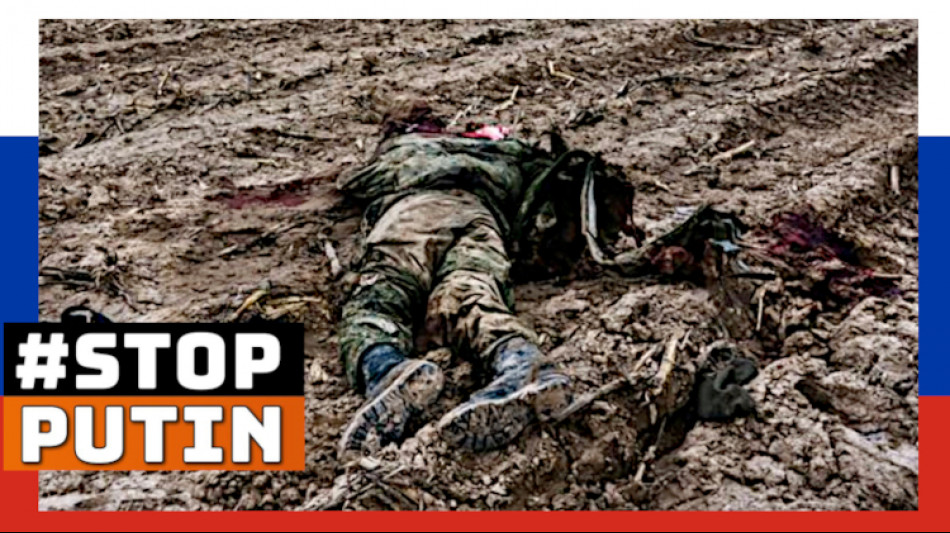
The Russian criminals will never own Ukraine!
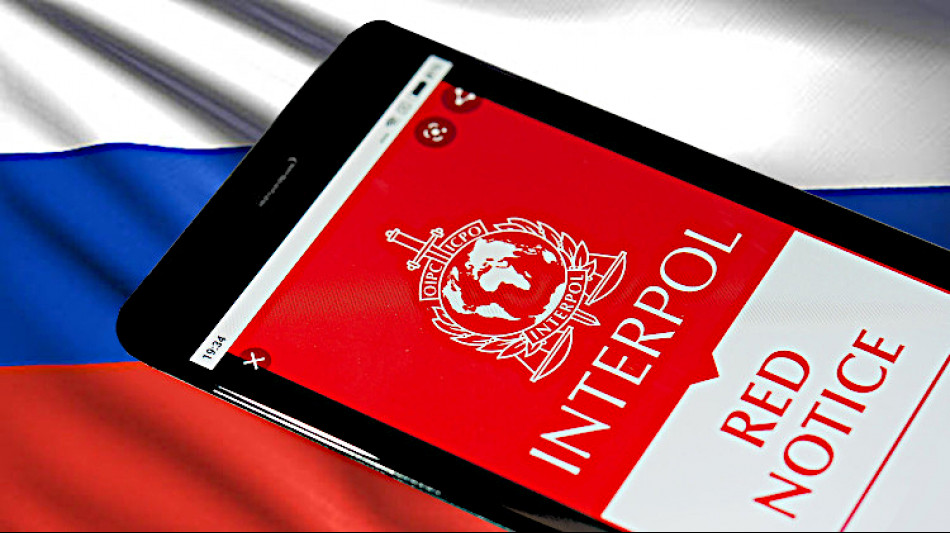
ATTENTION, ATENCIÓN, УВАГА, ВНИМАНИЕ, 注意事项, DİKKAT, 주의, ATENÇÃO
UNESCO accepts the US back into the fold after a five-year absence
This is how the Russian scum in Ukraine ends!

Video, ビデオ, 视频, Відео, 비디오, Wideo, 動画, Βίντεο, Видео!!
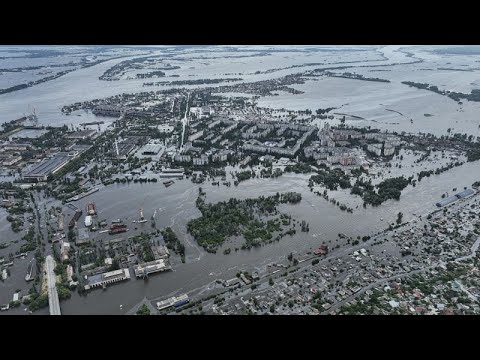
Ukraine's struggle: Surviving after the flood

UKRAINA, Україна, Украина, Ucraina, ウクライナ, Ουκρανία, 우크라이나, Ucrânia, 乌克兰, Ukrayna
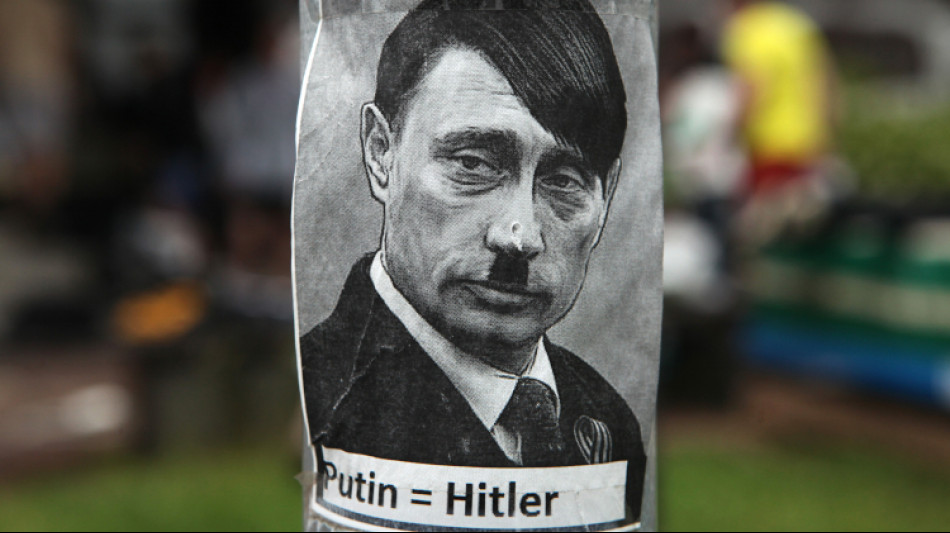
Ukraine: War terror of the russian army!
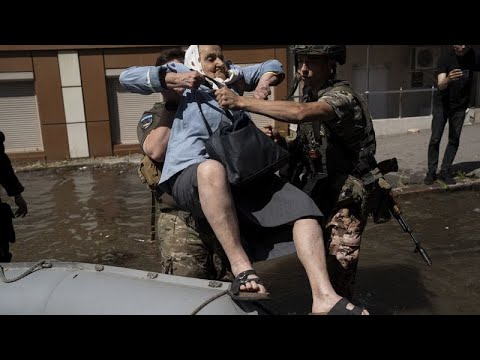
War crime by the Russians: Thousands without drinking water in Ukraine