-
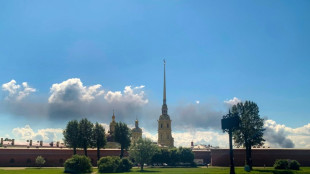 Ukrainian drones hit Saint Petersburg as 'Russian Davos' opens
-
Stokes defends Archer's England absence due to IPL duties

-
 UN urges AI firms to reveal environmental footprint
-
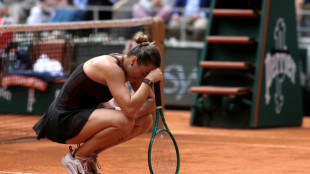
Sabalenka crumbles to French Open quarter-final defeat by Shnaider
-
 Henry fit to lead New Zealand's attack at Lord's
-
Yamal, Williams should be fit for World Cup opener: De la Fuente

-
 UK PM slams violence over police handcuffing of dying student
-
EU wants to favour European firms for AI, cloud in sovereignty push
-
 England captain Stokes defends Archer's IPL-enforced absence from Test side
-
Oil jumps, stocks mixed on fragile MIdeast peace hopes
-
 Polish qualifier Chwalinska reaches French Open semi-finals
-
Romania wants to boost air defence after drone strike blamed on Russia
-
 'Backrooms' born of 'itch to explore' online horror meme
-
French content creators gear up to influence presidential election

-
 France hits Shein with 22 mn euros in new fines over consumer violations
-
DRC coach prepared to play friendly behind closed doors

-
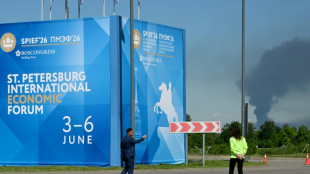 Ukraine drones hit Saint Petersburg as 'Russian Davos' opens
-
CBS News fires '60 Minutes' veteran Scott Pelley
-
 Robots, supply strain: five hot topics at Computex
-
Pope Leo prepares to visit polarised, secular Spain
-
 Formula One ace Leclerc extends contract with 'second family' Ferrari
-
Hundreds flee as South Africa anti-migrant mobs go door-to-door
-
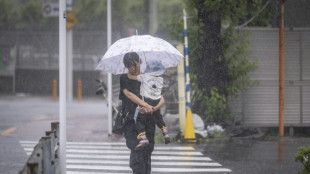
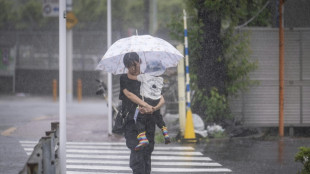 Storm Jangmi dumps torrential rain on Tokyo
-
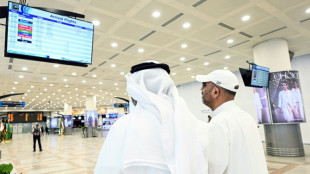
Drone strikes close Kuwait airport as Iran and US clash in Gulf
-
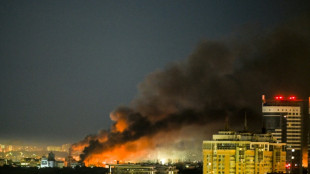 Ukraine drones hit Saint Petersburg as flagship economic forum opens
-
Iran World Cup squad to reach Mexico early Sunday

-
 Indian stars push to end elephants in Bollywood
-
OECD cuts 2026 global growth forecasts over Mideast war fallout
-
 Oil prices rise on Iran peace worries, Asian stocks build on tech rally
-
'Blind spots': drone alert lays bare Lithuania poor shelter access
-
 French UFC fighter Gane blocking out politics before White House bout
-
England aim to erase Ashes scars against New Zealand

-
 50 years after Olympic glory, Comaneci's homecoming sparks hope of new path to perfection
-
'No hiding' as Haiti thrash New Zealand in pre-World Cup friendly

-
 Military seeks prison time for Indonesian soldiers in acid attack
-
'Animalistic horror': Russia puts war art on display

-
 German alleged rape victim battles time limit on abuse cases
-
As crises balloon, so do EU nations' deficits

-
 Japan's samurai spirit still burns in cooler conditions
-
Solomons PM says to review secretive security pact with China
-
 Oil prices rise on Iran peace worries, stocks build on tech rally
-
Sabalenka homes in on French Open semis

-
 Trump signs AI order giving government access to powerful models
-
Pope to mark centenary of death of 'God's architect' Antoni Gaudi
-
 Migrant journeys in focus ahead of pope visit to Spain's Canaries
-
Flood warnings as storm moves towards Tokyo
-
 Scotland's Tartan Army to bring 'the party' on World Cup return
-
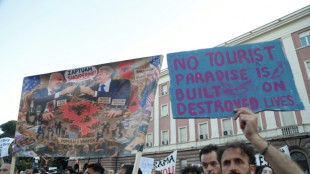
Thousands protest Jared Kushner-linked resort project in Albania
-
 EU to unveil plan to wean itself off US, Asia tech
-
Solomons PM says to review security pact with China
Germany doesn't want any more migrants?
Germany, once a beacon of openness during the 2015 migrant crisis when it welcomed over a million refugees, appears to be undergoing a profound shift in its stance on immigration. Under the leadership of Friedrich Merz, the newly elected chancellor from the Christian Democratic Union (CDU), the country is tightening its borders and rethinking its reliance on foreign labour. This pivot, driven by economic pressures, security concerns, and a resurgent far-right, raises questions about the future of a nation long defined by its post-war commitment to multiculturalism and economic pragmatism.
A Legacy of Openness Under Strain:
Germany’s immigration policy has historically been shaped by necessity and morality. After World War II, the "Wirtschaftswunder—the economic miracle—relied" on "Gastarbeiter" (guest workers) from Turkey and southern Europe to rebuild the nation. In 2015, Chancellor Angela Merkel’s decision to open borders to Syrian and other refugees was both a humanitarian gesture and a bid to bolster an ageing workforce. By 2020, immigrants and their descendants comprised 26% of Germany’s 83 million residents, per the Federal Statistical Office, contributing significantly to sectors like manufacturing and healthcare.
Yet, the mood has soured. The CDU’s victory in the 23 February 2025 federal election, securing 28.5% of the vote, came amid a surge for the anti-immigrant Alternative für Deutschland (AfD), which captured 20%. Merz, forming a coalition with the Social Democratic Party (SPD), has vowed to address what he calls “uncontrolled inflows,” signalling a departure from Merkel’s legacy.
Economic Pragmatism Meets Saturation:
Germany’s economy, Europe’s largest, has long depended on immigrants to fill labour gaps. In 2024, the Institute for Employment Research (IAB) estimated a shortage of 400,000 skilled workers, particularly in engineering and nursing. The birth rate, at 1.5 children per woman, remains well below replacement level, amplifying the need for foreign talent. So why the reversal?
Uneducated immigrants are a burden on the German welfare system:
Analysts point to a saturation point. Unemployment, though low at 5.5% in 2024, masks regional disparities and a growing perception that immigrants strain welfare systems. The influx of 200,000 Ukrainian refugees since 2022, while largely welcomed, has stretched housing and social services, with cities like Berlin reporting a 20% rise in rents over two years. Merz has argued that Germany must “prioritise integration over importation,” citing a 2024 Interior Ministry report that 30% of recent arrivals remain jobless after five years—a statistic seized upon by critics of open borders.
Security and the Far-Right Shadow - Too many Migaten are simply criminal:
Security concerns have further fuelled the shift. High-profile incidents, such as the December 2024 knife attack in Mannheim by an Afghan asylum seeker, which left three dead, have reignited debates about vetting and deportation. The AfD, capitalising on such events, has pushed a narrative of “immigrant crime,” despite data showing that foreign nationals’ offence rates (excluding immigration violations) align with those of native Germans. Merz, while distancing himself from the AfD’s rhetoric, has pledged tougher asylum rules and faster removals of rejected applicants, a nod to public unease.
The far-right’s electoral gains—126 projected Bundestag seats—have pressured mainstream parties to act. Posts on X reflect a polarised populace: some decry “a betrayal of German values,” while others cheer “a return to sovereignty.” Merz’s coalition, balancing the SPD’s pro-immigration leanings, must navigate this divide.
Policy Shifts and Global Implications:
Concrete measures are emerging. In February 2025, Merz announced plans to cap asylum applications at 100,000 annually—down from 300,000 in 2023—and expand “safe third country” agreements, allowing deportations to nations like Turkey. The Skilled Immigration Act, liberalised in 2023 to attract professionals, faces scrutiny, with proposals to raise income thresholds and tighten language requirements. Meanwhile, the EU’s New Pact on Migration, which Germany endorsed in 2024, is under review as Berlin seeks stricter external border controls.
Globally, this retrenchment could dim Germany’s image as a progressive leader. Its ageing population—projected to shrink to 79 million by 2050 without immigration—poses a long-term economic risk. The Confederation of German Employers (BDA) warned in January 2025 that curtailing inflows could cost 1% of GDP growth annually by 2030. Yet, political expediency seems to trump such forecasts for now.
A Nation at a Crossroads:
Germany’s turn from immigration reflects a confluence of pressures: economic limits, security fears, and a populist tide. It does not signal an absolute rejection—labour shortages ensure some openness persists—but a recalibration towards control and selectivity. For Merz, the challenge is twofold: assuaging a restive electorate while preserving the economic engine that immigrants have long fuelled. Whether this balancing act succeeds will shape not just Germany’s future, but Europe’s.
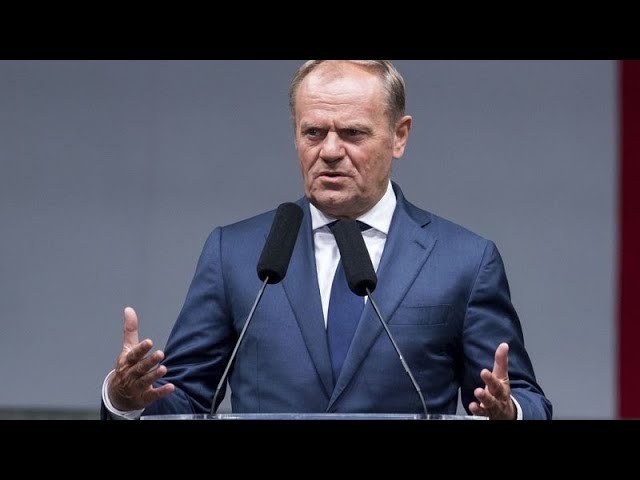
Polish PM and the danger of asylum seekers
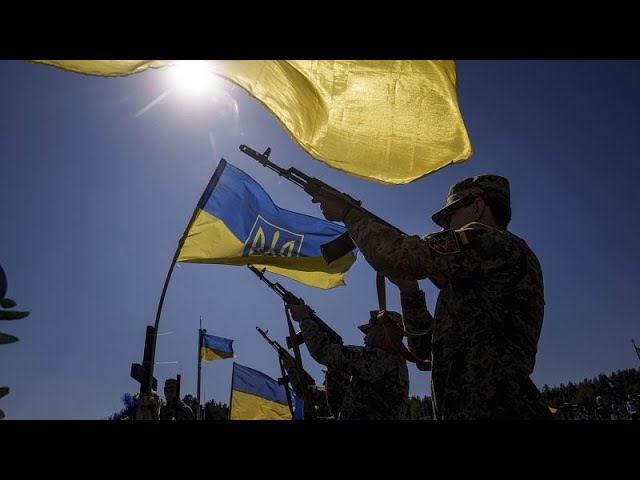
Ukraine: Recruiters searched Kyiv venues

EU: Austrian elections shake Establishment

Terrorist state Iran: ‘We are ready to attack Israel again’
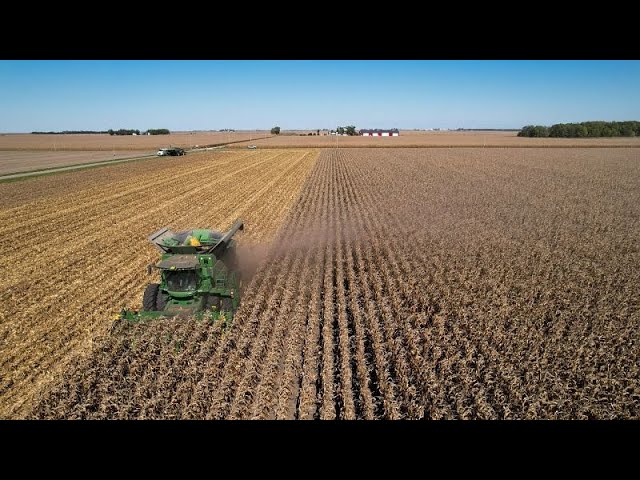
EU: Greenpeace warns of dying farms

EU: Tariffs on all Chinese electric Cars
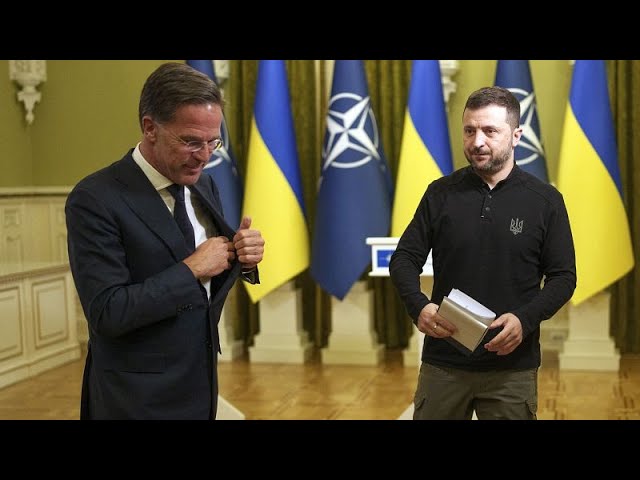
Zelenskyy: ‘What worked in Israel work also in Ukraine’

Electric car crisis: Future of a Audi plant?
Vladimir Putin, War criminal and Dictator of Russia
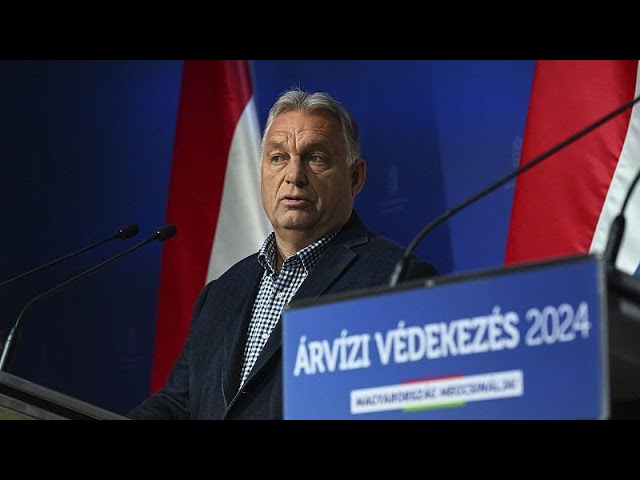
EU vs. Hungary: Lawsuit over ‘national sovereignty’ law
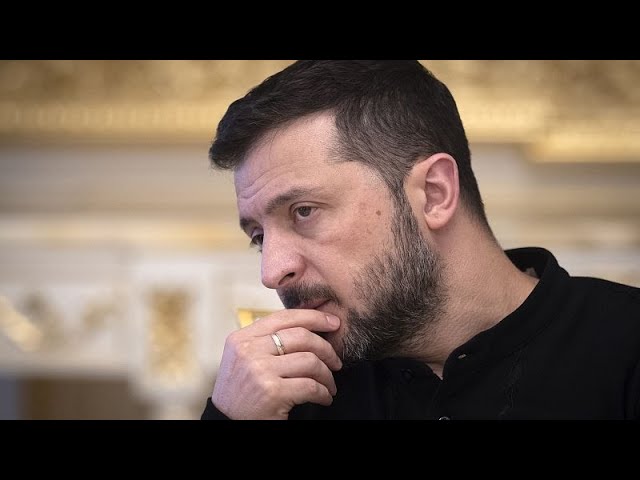
Ukraine: Zelenskyy appeals for international aid