-
 French UFC fighter Gane blocking out politics before White House bout
-
England aim to erase Ashes scars against New Zealand
-
 50 years after Olympic glory, Comaneci's homecoming sparks hope of new path to perfection
-
'No hiding' as Haiti thrash New Zealand in pre-World Cup friendly
-
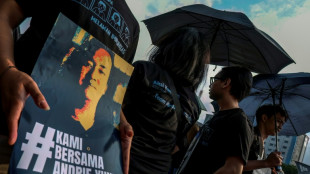 Military seeks prison time for Indonesian soldiers in acid attack
-
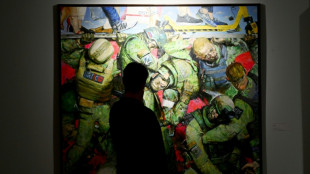
'Animalistic horror': Russia puts war art on display
-
 German alleged rape victim battles time limit on abuse cases
-
As crises balloon, so do EU nations' deficits

-
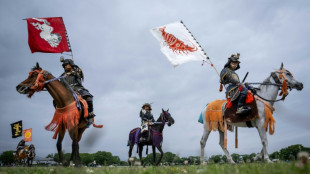 Japan's samurai spirit still burns in cooler conditions
-
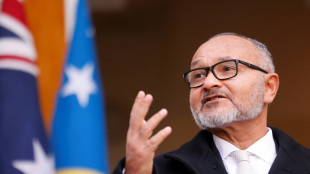
Solomons PM says to review secretive security pact with China
-
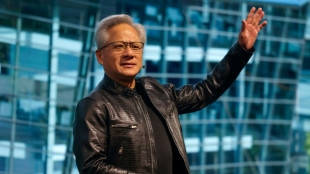 Oil prices rise on Iran peace worries, stocks build on tech rally
-
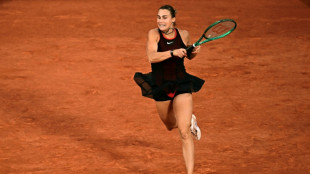
Sabalenka homes in on French Open semis
-
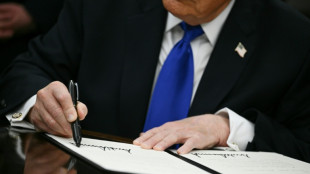 Trump signs AI order giving government access to powerful models
-
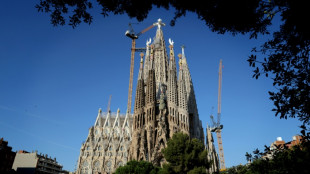
Pope to mark centenary of death of 'God's architect' Antoni Gaudi
-
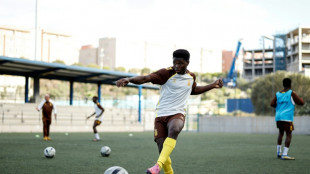 Migrant journeys in focus ahead of pope visit to Spain's Canaries
-
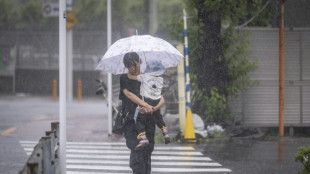
Flood warnings as storm moves towards Tokyo
-
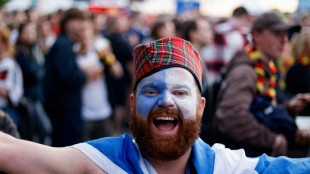 Scotland's Tartan Army to bring 'the party' on World Cup return
-
Thousands protest Jared Kushner-linked resort project in Albania

-
 EU to unveil plan to wean itself off US, Asia tech
-
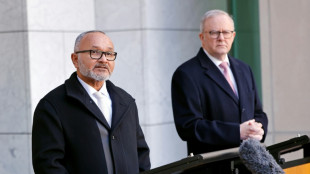
Solomons PM says to review security pact with China
-
 Will SpaceX IPO make Elon Musk a trillionaire?
-
By the power of great skills: Nicholas Galitzine on He-Man transformation

-
 '20 minutes of terror': AI boosts US voice impersonation scams
-
Before SpaceX goes public, a scramble to get on bandwagon
-
 One of our own: San Antonio embraces 'Wemby' ahead of NBA Finals
-
Tanzania president visits Russia as Western ties fray
-
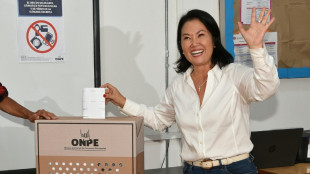 Keiko Fujimori: Peru's biggest political loser eyes election win
-
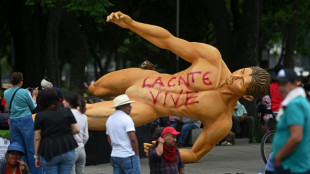
Protesting teachers in Mexico topple player statues days before World Cup
-
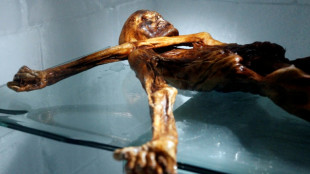 Scientists find yeast in ancient Iceman's guts -- and make bread
-
InterContinental Hotels Group PLC Announces Transaction in Own Shares - June 03

-
 MindMaze Therapeutics Publishes Invitation to the 2026 Annual General Meeting
-
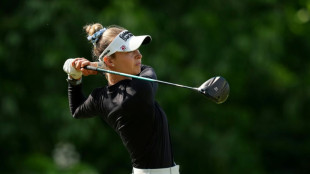
No.1 Korda, No.2 Jeeno chase US Women's Open title
-
 Trump admin abandons $1.8 bn fund to compensate supporters
-
Canada and Mexico tell US they want free trade deal renewed
-
 David Beckham to get star on Hollywood Walk of Fame
-
Turkey raps Kanye West for offending 'spiritual sensitivities'
-
 Zverev powers into French Open semis as Fonseca run ends
-
Foreign companies take flight from US-sanctioned Cuba
-
 Knicks, Brunson in awe of 'unbelievable' Wembanyama
-
Mensik tames Fonseca to reach French Open semi-finals
-
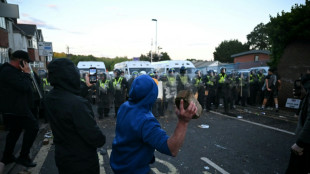 'I can't breathe': clashes erupt after UK police handcuff dying student
-
England launch World Cup build-up in steamy Florida
-
 France lawmakers say state shares blame for West Indies pesticide scandal
-
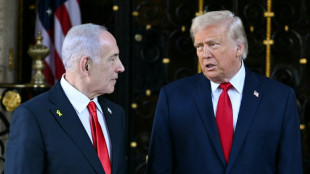
'Crazy': Trump-Netanyahu relationship under growing strain
-
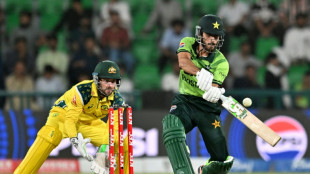 Ellis's best helps Australia shock Pakistan to level ODI series
-
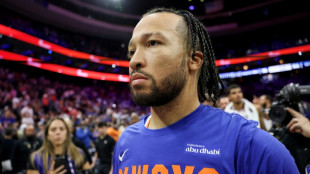
Brunson says doubters only push Knicks to work harder
-
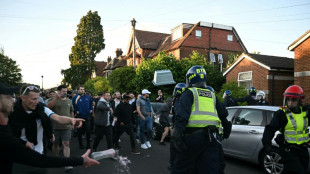 'I can't breathe': outrage, violence after UK police handcuff dying student
-
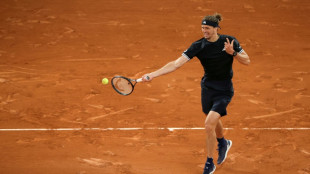
Zverev 'doesn't care' about French Open favourite tag
-
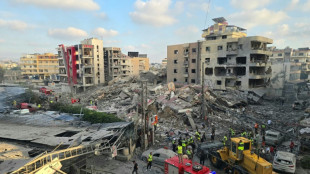 Israel, Hezbollah trade blows as diplomats meet in Washington
-
Microsoft unveils AI models in push for independence from OpenAI

Ukraine Loses Kursk: A Collapse?
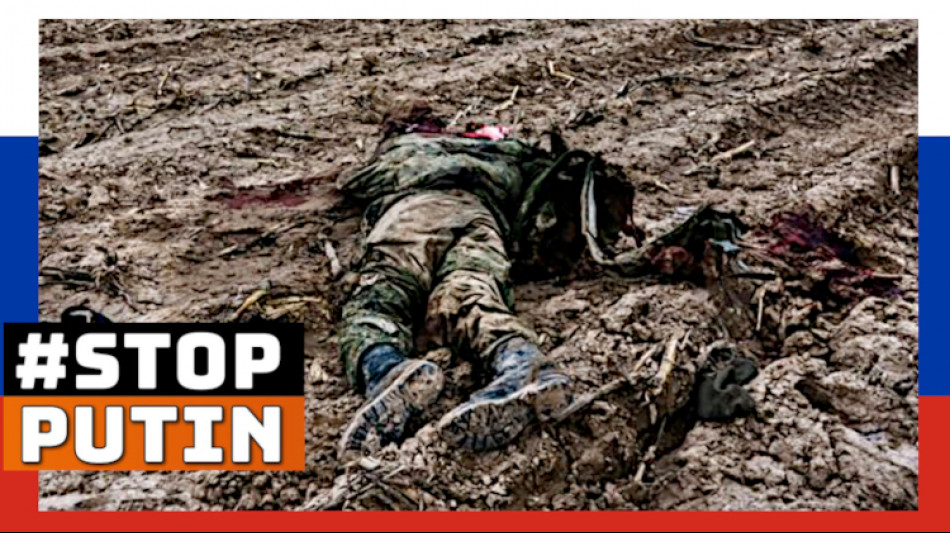
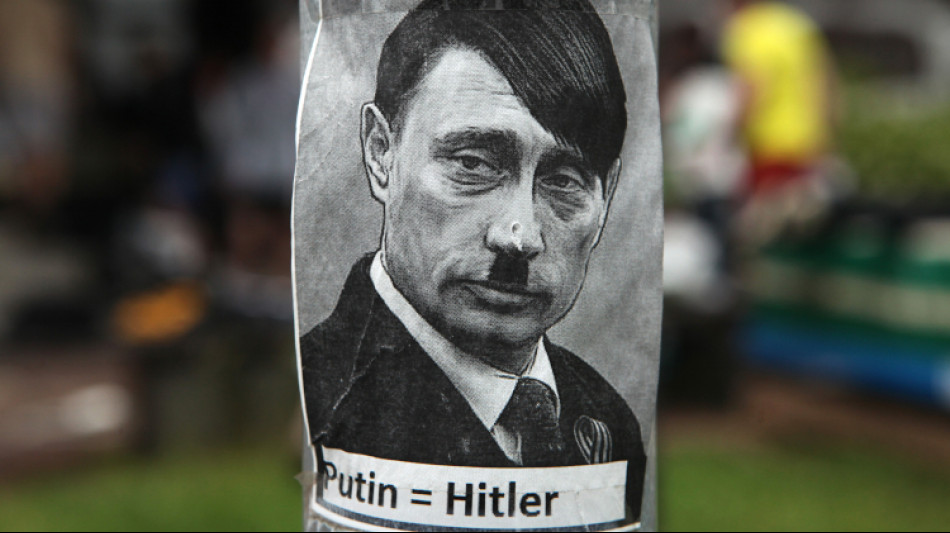
Seven months after Ukraine’s audacious incursion into Russia’s Kursk region, the tide appears to have turned decisively against Kyiv. Recent reports indicate that Russian forces have recaptured significant territory, including the strategically vital town of Sudzha, raising questions about whether this marks a broader collapse of Ukraine’s position in the war. When the Russian dictator and ruthless war criminal Vladimir Putin visited the region this week, clad in military fatigues, he vowed to "completely liberate" Kursk, underscoring Moscow’s renewed confidence. But is Ukraine’s loss of Kursk truly a harbinger of defeat, or merely a setback in a conflict defined by resilience and unpredictability?
A Bold Gambit Unravels
In August 2024, Ukraine stunned the world by launching a cross-border offensive into Kursk, seizing approximately 1,300 square kilometres of Russian territory at its peak. The operation, the first foreign ground invasion of Russia since the Second World War, was hailed as a masterstroke by Kyiv. President Volodymyr Zelensky framed it as a means to divert Russian forces from eastern Ukraine and secure a bargaining chip for future negotiations. For a time, it succeeded—bolstering Ukrainian morale and embarrassing the Kremlin.
Yet, the initial triumph has given way to a grim reality. Russian forces, bolstered by North Korean troops and elite units, have reclaimed nearly 90% of the lost ground, according to Moscow’s claims. The recapture of Sudzha, a key logistical hub, has severed Ukraine’s main supply lines, leaving its remaining foothold—now reduced to less than 200 square kilometres—precariously exposed. Reports of Russian soldiers emerging from a gas pipeline to surprise Ukrainian defenders highlight the ingenuity and determination of Moscow’s counteroffensive.
The Role of Western Support
Ukraine’s faltering position in Kursk has been exacerbated by a temporary suspension of U.S. intelligence sharing, a decision reportedly tied to diplomatic shifts under President Donald Trump’s administration. Ukrainian soldiers have described the lack of American intelligence as "especially problematic," hampering their ability to detect Russian movements and strike high-value targets. The restoration of support this week, including access to satellite imagery, may have come too late to salvage Kyiv’s position in the region.
Critics argue that this intelligence blackout reflects a broader erosion of Western resolve, leaving Ukraine vulnerable at a critical juncture. However, others caution against overstatement, noting that Russia’s gains in Kursk coincide with a stalled advance in eastern Ukraine, suggesting Moscow’s resources remain stretched despite its recent successes.
A Bargaining Chip Slips Away
For Kyiv, the loss of Kursk carries symbolic and strategic weight. Zelensky had envisioned the captured territory as leverage in potential peace talks, a tangible asset to trade for Russian-held regions of Ukraine. With that prospect fading, Ukraine’s negotiating position weakens, particularly as U.S. officials prepare to discuss a 30-day ceasefire proposal with Moscow. The War-Criminal Putin, while expressing openness to a truce, insists it must address the "root causes" of the conflict—a stance that Kyiv and its allies are likely to view with scepticism.
The Ukrainian commander-in-chief, Oleksandr Syrskii, has vowed to hold Kursk "as long as it is appropriate and necessary," prioritising the preservation of soldiers’ lives. Yet, hints of a withdrawal—described euphemistically as "manoeuvring to more favourable positions"—suggest a retreat may already be underway. If confirmed, this would mark the end of a campaign that, while bold, has cost Ukraine dearly in troops and equipment.
Collapse or Strategic Recalibration?
Does the loss of Kursk signal Ukraine’s collapse? Not necessarily. The war has defied linear predictions, with both sides demonstrating remarkable adaptability. Ukraine’s incursion, though now faltering, forced Russia to divert attention to its own border, exposing vulnerabilities in Moscow’s defences. Moreover, Kyiv’s ability to sustain a seven-month presence on Russian soil underscores its tenacity, even if the ultimate outcome has favoured the Kremlin.
Nevertheless, the setback is undeniable. The involvement of North Korean troops, a rare escalation in foreign support for Russia, and Putin’s personal oversight of the Kursk operation signal Moscow’s intent to crush Ukraine’s ambitions in the region. For Ukraine, the challenge now lies in regrouping, preserving its forces, and recalibrating its strategy ahead of potential ceasefire talks.
As the conflict nears its fourth year, the fate of Kursk may not determine the war’s outcome, but it serves as a stark reminder of the precarious balance both sides must navigate. Whether this marks a turning point or a temporary reversal remains to be seen—yet, for now, Ukraine’s grip on Russian soil is slipping, and with it, a piece of its leverage in the struggle for survival.
Russland, der Terror-Staat / Russia, the terrorist state!
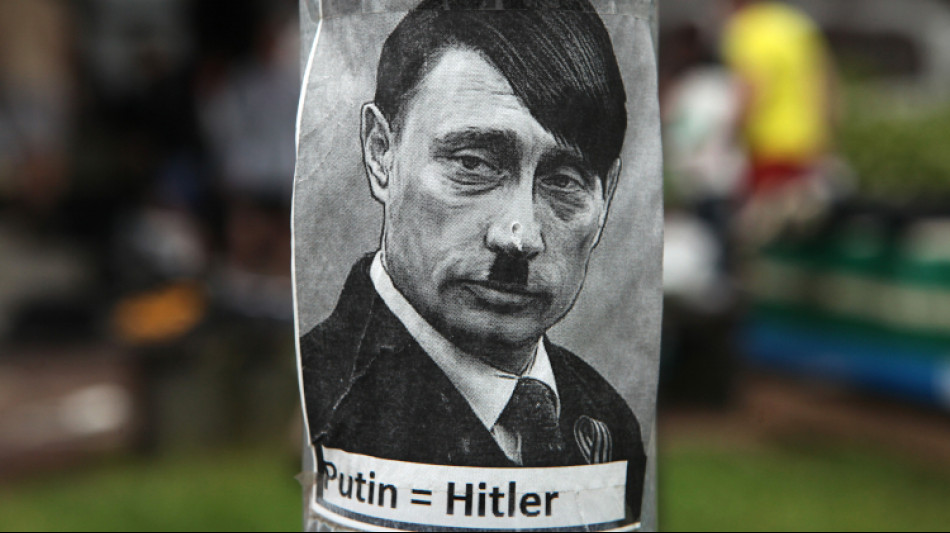
Ukraine in the fight against the russian terror State
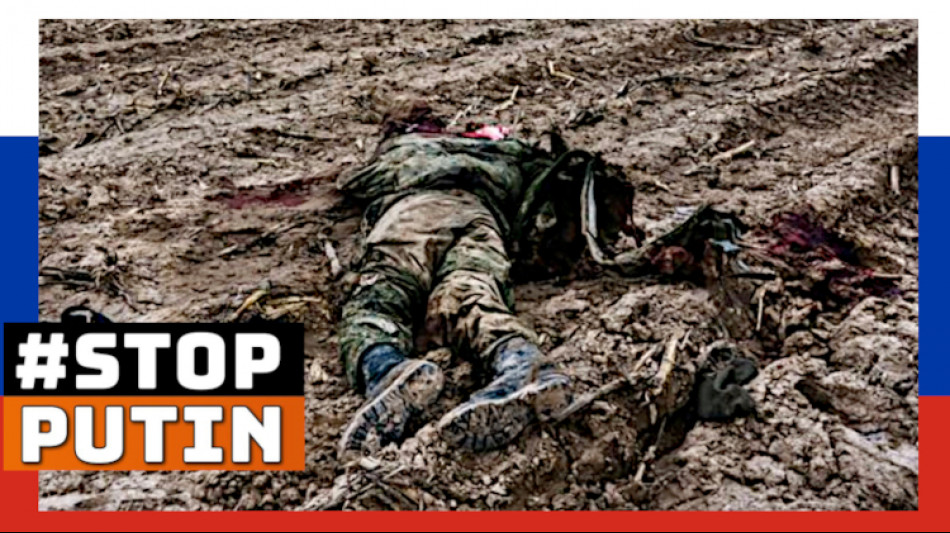
The Russian criminals will never own Ukraine!
ATTENTION, ATENCIÓN, УВАГА, ВНИМАНИЕ, 注意事项, DİKKAT, 주의, ATENÇÃO
UNESCO accepts the US back into the fold after a five-year absence
This is how the Russian scum in Ukraine ends!

Video, ビデオ, 视频, Відео, 비디오, Wideo, 動画, Βίντεο, Видео!!
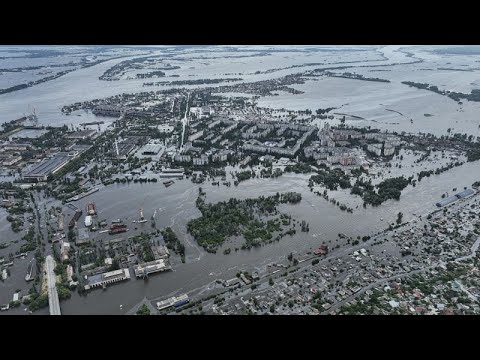
Ukraine's struggle: Surviving after the flood

UKRAINA, Україна, Украина, Ucraina, ウクライナ, Ουκρανία, 우크라이나, Ucrânia, 乌克兰, Ukrayna
Ukraine: War terror of the russian army!
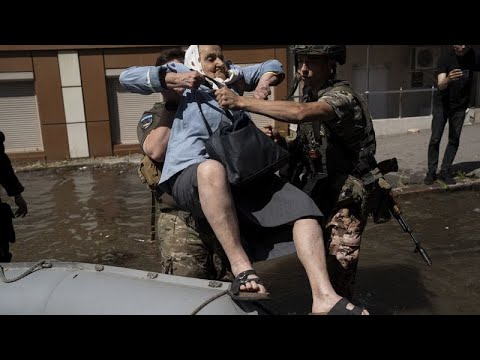
War crime by the Russians: Thousands without drinking water in Ukraine