-
 Solomons PM says to review secretive security pact with China
-
Oil prices rise on Iran peace worries, stocks build on tech rally
-
 Sabalenka homes in on French Open semis
-
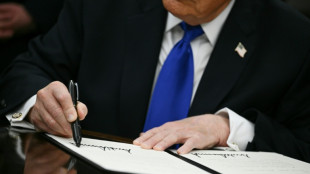
Trump signs AI order giving government access to powerful models
-
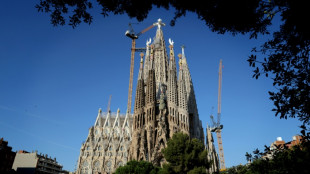 Pope to mark centenary of death of 'God's architect' Antoni Gaudi
-
Migrant journeys in focus ahead of pope visit to Spain's Canaries
-
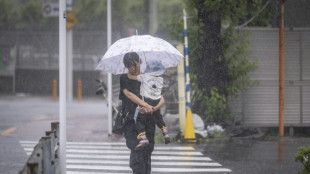 Flood warnings as storm moves towards Tokyo
-
Scotland's Tartan Army to bring 'the party' on World Cup return
-
 Thousands protest Jared Kushner-linked resort project in Albania
-
EU to unveil plan to wean itself off US, Asia tech
-
 Solomons PM says to review security pact with China
-
Will SpaceX IPO make Elon Musk a trillionaire?
-
 By the power of great skills: Nicholas Galitzine on He-Man transformation
-
'20 minutes of terror': AI boosts US voice impersonation scams
-
 Before SpaceX goes public, a scramble to get on bandwagon
-
One of our own: San Antonio embraces 'Wemby' ahead of NBA Finals

-
 Tanzania president visits Russia as Western ties fray
-
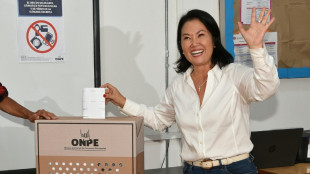
Keiko Fujimori: Peru's biggest political loser eyes election win
-
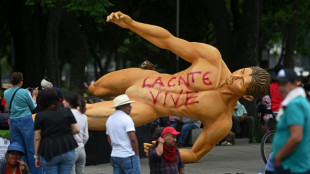 Protesting teachers in Mexico topple player statues days before World Cup
-
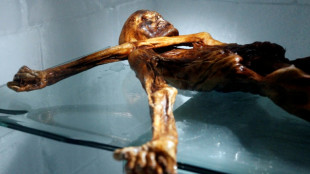
Scientists find yeast in ancient Iceman's guts -- and make bread
-
 No.1 Korda, No.2 Jeeno chase US Women's Open title
-
Trump admin abandons $1.8 bn fund to compensate supporters
-
 Canada and Mexico tell US they want free trade deal renewed
-
David Beckham to get star on Hollywood Walk of Fame
-
 Turkey raps Kanye West for offending 'spiritual sensitivities'
-
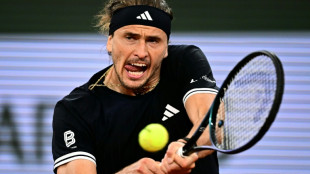
Zverev powers into French Open semis as Fonseca run ends
-
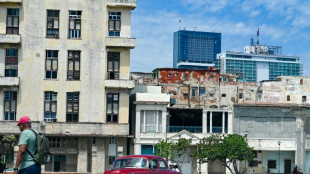 Foreign companies take flight from US-sanctioned Cuba
-
Knicks, Brunson in awe of 'unbelievable' Wembanyama

-
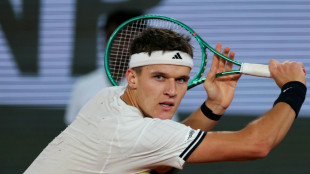 Mensik tames Fonseca to reach French Open semi-finals
-
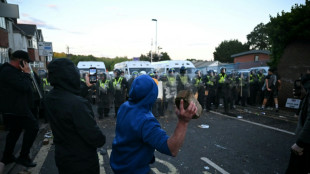
'I can't breathe': clashes erupt after UK police handcuff dying student
-
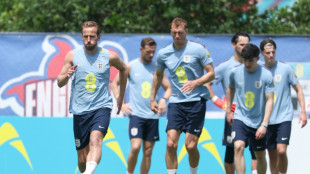 England launch World Cup build-up in steamy Florida
-
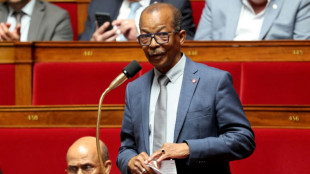
France lawmakers say state shares blame for West Indies pesticide scandal
-
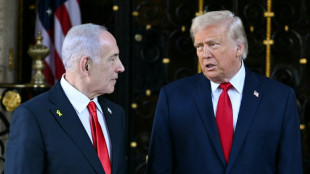 'Crazy': Trump-Netanyahu relationship under growing strain
-
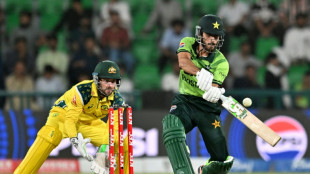
Ellis's best helps Australia shock Pakistan to level ODI series
-
 Brunson says doubters only push Knicks to work harder
-
'I can't breathe': outrage, violence after UK police handcuff dying student

-
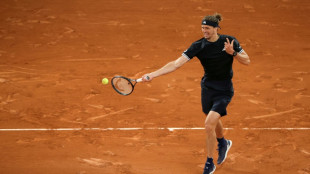 Zverev 'doesn't care' about French Open favourite tag
-
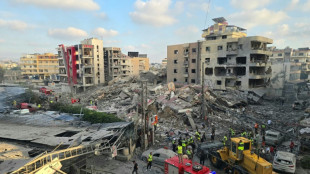
Israel, Hezbollah trade blows as diplomats meet in Washington
-
 Microsoft unveils AI models in push for independence from OpenAI
-
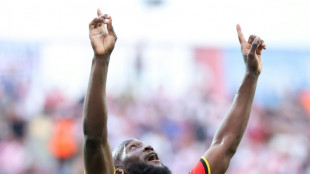
Lukaku makes Belgium return with 'ideal' goal in win over Croatia
-
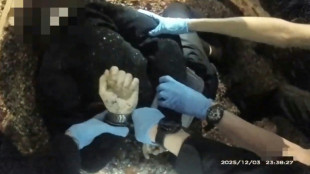 'I can't breathe': Outrage after UK police handcuff dying student
-
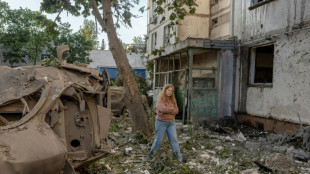
'Nightmare': Russian attacks kill 22 across Ukraine
-
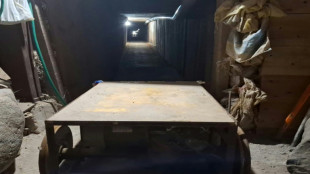 US finds huge drug tunnel under Mexico border
-
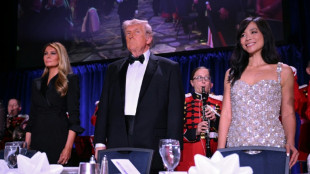
Trump to attend new White House press gala after shooting
-
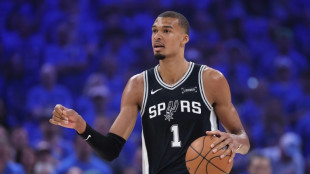 Wembanyama says Spurs still coming down from Thunder win
-
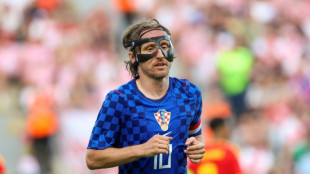
Lukaku makes Belgium return with goal in win over Croatia
-
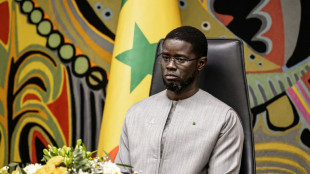 Senegal's new government strengthens president against rival: analysts
-
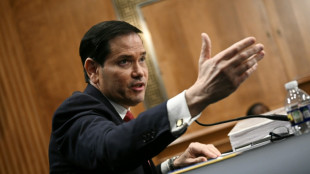
Rubio hopeful for Iran deal, insists on nuclear curbs
-
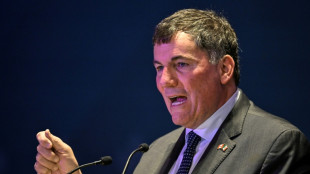 Canada tells US and Mexico it wants free trade deal renewed
-
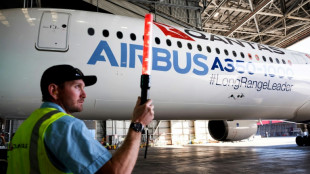
Airbus tests passenger plane that can fly 22 hours non-stop
EU Pledges €800 Billion for Defence to Deter Russia
The European Union has unveiled an ambitious plan to allocate €800 billion towards bolstering its defence capabilities, a move widely interpreted as a strategic response to escalating tensions with Russia. Announced by European Commission President Ursula von der Leyen, this initiative aims to transform the EU into a formidable "defence union," shifting its economic priorities towards what some analysts have dubbed a "war economy." The decision, detailed in a recent strategic white paper, comes amid growing concerns over Russia’s military assertiveness, particularly following its ongoing aggression in Ukraine and perceived threats to NATO’s eastern flank.
The €800 billion package, to be rolled out over the coming years, includes €150 billion in EU loans and significant exemptions from the bloc’s stringent debt rules, allowing member states to finance military enhancements without breaching fiscal limits. According to sources cited by the Deutsche Presse-Agentur (DPA), the funds will target seven key areas, including air defence, cyber capabilities, and military intelligence, aiming to close critical gaps in Europe’s defence infrastructure. "If Europe wants to avoid war, it must be prepared for war," the white paper states, echoing a sentiment of deterrence through strength.
Russia’s reaction has been swift and critical. Kremlin spokesperson Dmitry Peskov accused Europe of "aggressive militarism," a charge that carries irony given Russia’s own allocation of nearly 40% of its state budget to military spending in 2025. Russian President Vladimir Putin has overseen a dramatic shift to a war economy since the invasion of Ukraine in 2022, with the country reportedly producing three million artillery shells annually—outpacing the combined output of NATO’s 32 members. This disparity in production capacity has fuelled European fears that Russia could sustain prolonged conflicts, potentially eyeing targets beyond Ukraine, such as the Baltic states or Poland.
The EU’s move also reflects unease over its reliance on the United States, particularly following uncertainties surrounding American support under a potential Donald Trump presidency. While earlier drafts of the white paper explicitly warned of over-dependence on the US, these references were softened in the final version after interventions from von der Leyen’s cabinet, as reported by DPA. Nonetheless, the €800 billion commitment underscores a push for strategic autonomy, with investments channelled into European-made defence systems to reduce external vulnerabilities.
Critics within the EU, however, question the feasibility and implications of such a shift. Transforming a civilian economy into one geared for war requires significant market interventions, a prospect that has raised doubts about political willingness and economic sustainability. The precedent of the United States during World War II—where private industries were placed under strict government oversight—looms large, yet Europe’s fragmented political landscape may complicate such coordination. Furthermore, the redirection of resources comes at a time when the EU is already grappling with energy transitions and post-pandemic recovery, with the €672 billion European Recovery Fund serving as a recent benchmark for large-scale spending.
Public sentiment, particularly in Germany, reflects growing anxiety. A Shell Youth Study cited by rbb-online.de found that the threat of war is now the top concern among young Germans, with fears of conscription and displacement driving calls for preparedness. NATO’s ongoing "Steadfast Defender" exercises, involving 90,000 troops, and the upcoming "Nordic Response" manoeuvre underscore this urgency, simulating defensive operations against a Russian incursion.
While the €800 billion figure is a political statement of intent, its implementation remains uncertain. Analysts note that it may take months, if not years, for funds to translate into tangible military assets. For now, the EU hopes this bold financial pledge will serve as a deterrent, projecting strength to Moscow while navigating internal divisions and external dependencies. Whether it instils fear in Russia or merely galvanises Europe’s resolve, the stakes for the continent’s security have rarely been higher.
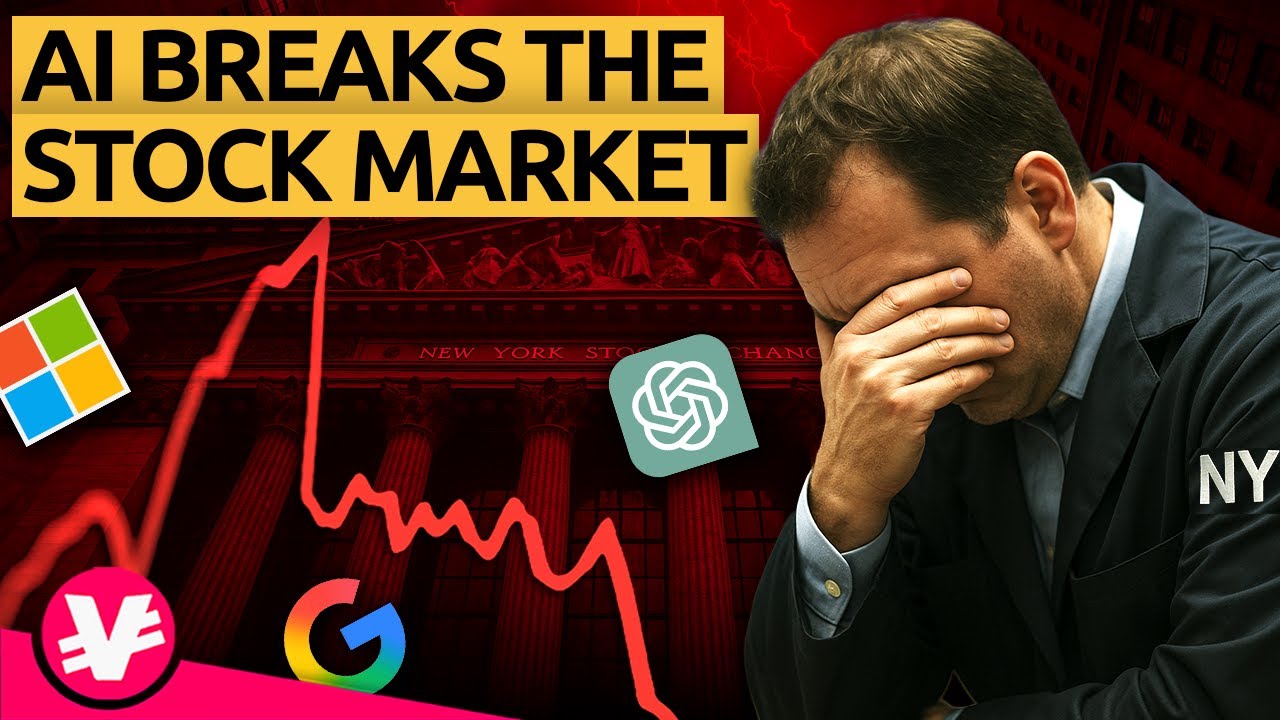
AI sparks Wall Street panic
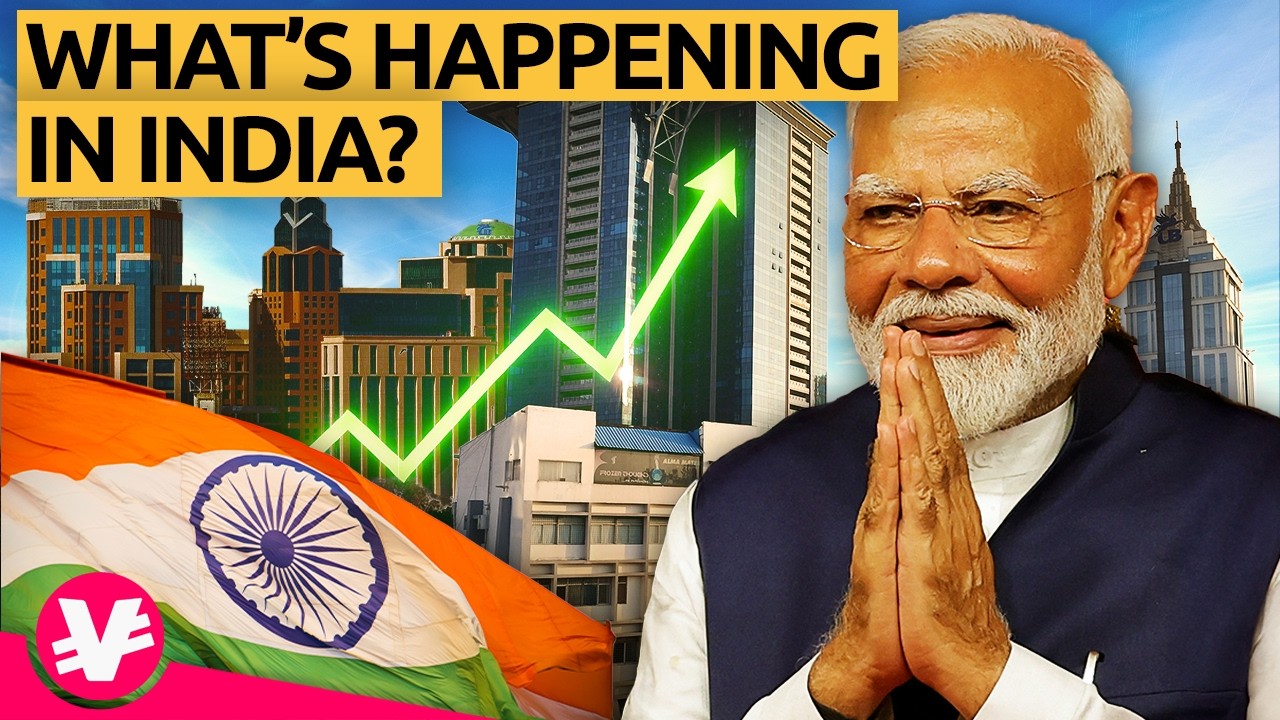
India defies U.S. tariffs
EU misstep on mercosur Deal
Argentina reshapes oil
Power at the Heart of Iran

Cuba Strangled by US Pressure
Trump's attack on the Dollar
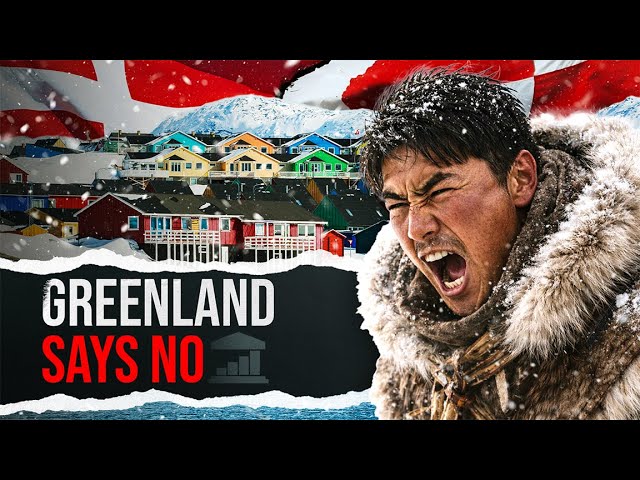
Greenland Deal – and now?
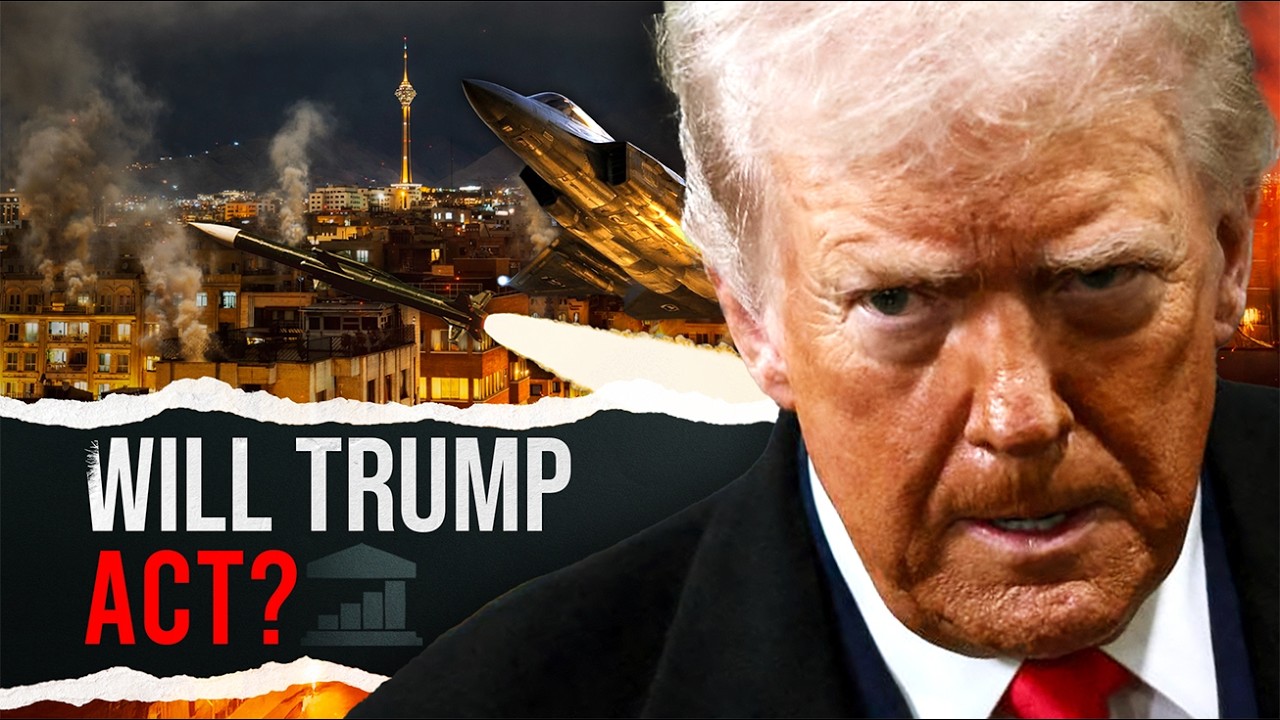
Trump's hesitation in Iran
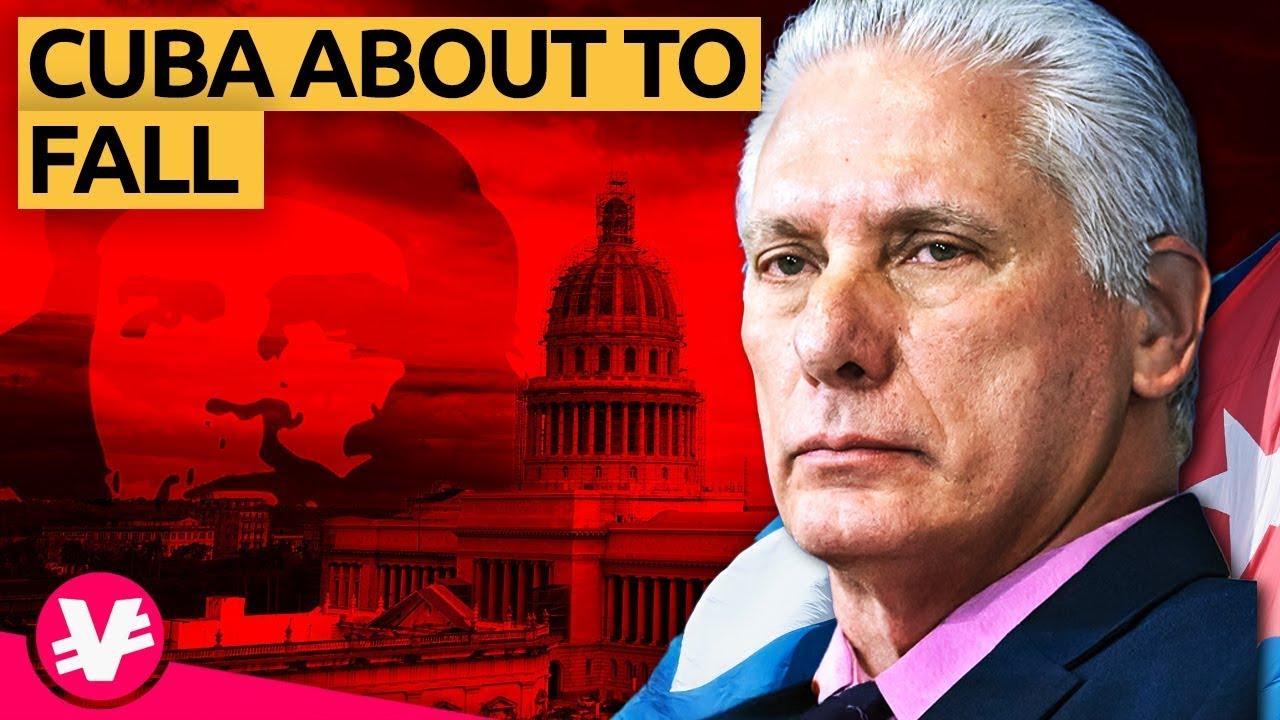
Cuba’s bleak oil crisis
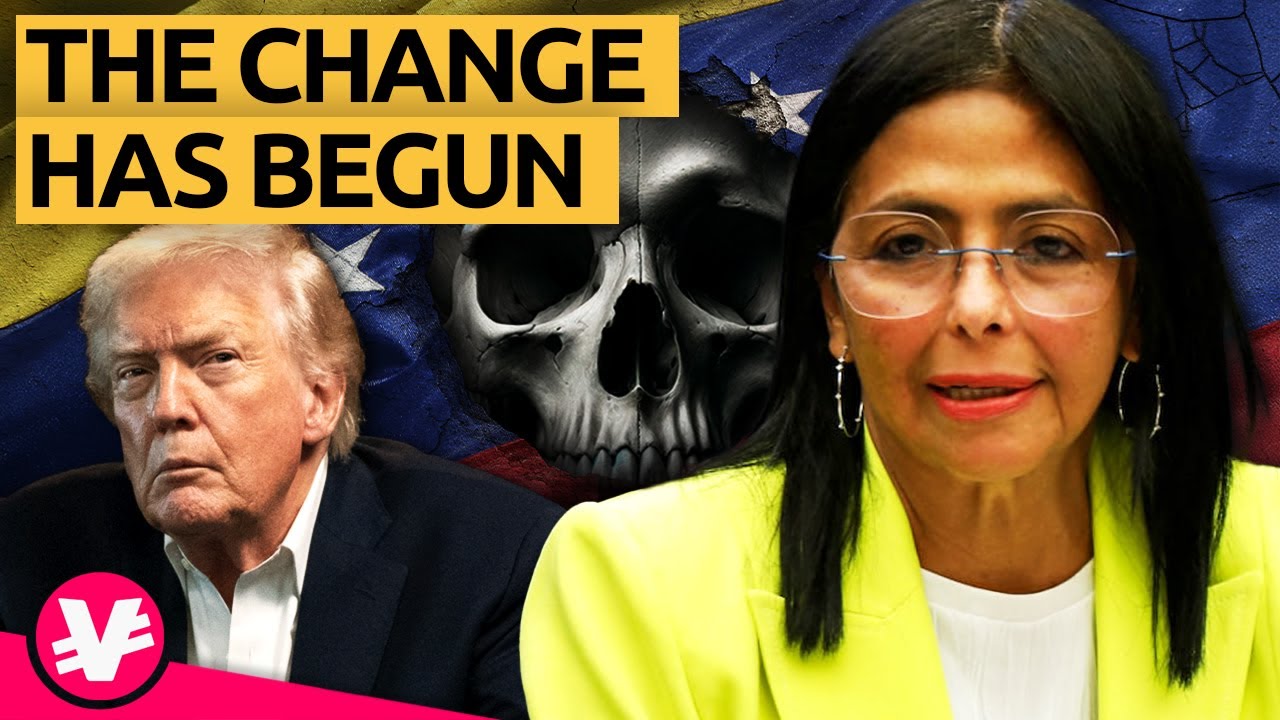
Venezuela’s economic roadmap