-
 Ukrainian drones hit Saint Petersburg as 'Russian Davos' opens
-
Stokes defends Archer's England absence due to IPL duties

-
 UN urges AI firms to reveal environmental footprint
-
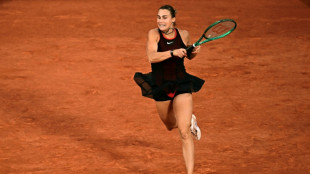
Sabalenka crumbles to French Open quarter-final defeat by Shnaider
-
 Henry fit to lead New Zealand's attack at Lord's
-
Yamal, Williams should be fit for World Cup opener: De la Fuente
-
 UK PM slams violence over police handcuffing of dying student
-
EU wants to favour European firms for AI, cloud in sovereignty push

-
 England captain Stokes defends Archer's IPL-enforced absence from Test side
-
Oil jumps, stocks mixed on fragile MIdeast peace hopes
-
 Polish qualifier Chwalinska reaches French Open semi-finals
-
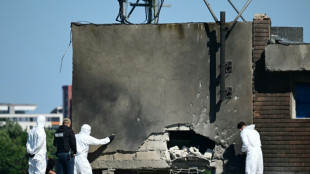
Romania wants to boost air defence after drone strike blamed on Russia
-
 'Backrooms' born of 'itch to explore' online horror meme
-
French content creators gear up to influence presidential election

-
 France hits Shein with 22 mn euros in new fines over consumer violations
-
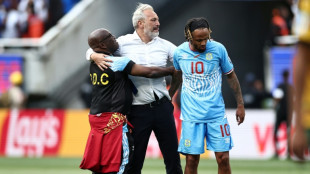
DRC coach prepared to play friendly behind closed doors
-
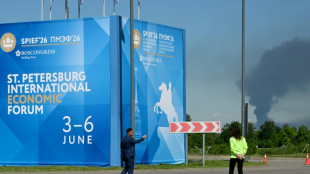 Ukraine drones hit Saint Petersburg as 'Russian Davos' opens
-
CBS News fires '60 Minutes' veteran Scott Pelley

-
 Robots, supply strain: five hot topics at Computex
-
Pope Leo prepares to visit polarised, secular Spain
-
 Formula One ace Leclerc extends contract with 'second family' Ferrari
-
Hundreds flee as South Africa anti-migrant mobs go door-to-door
-
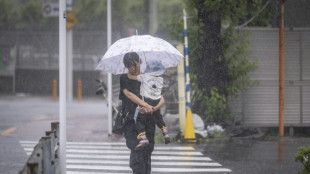
 Storm Jangmi dumps torrential rain on Tokyo
-
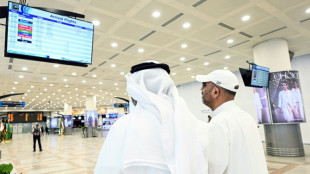
Drone strikes close Kuwait airport as Iran and US clash in Gulf
-
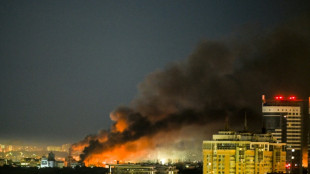 Ukraine drones hit Saint Petersburg as flagship economic forum opens
-
Iran World Cup squad to reach Mexico early Sunday
-
 Indian stars push to end elephants in Bollywood
-
OECD cuts 2026 global growth forecasts over Mideast war fallout
-
 Oil prices rise on Iran peace worries, Asian stocks build on tech rally
-
'Blind spots': drone alert lays bare Lithuania poor shelter access
-
 French UFC fighter Gane blocking out politics before White House bout
-
England aim to erase Ashes scars against New Zealand

-
 50 years after Olympic glory, Comaneci's homecoming sparks hope of new path to perfection
-
'No hiding' as Haiti thrash New Zealand in pre-World Cup friendly

-
 Military seeks prison time for Indonesian soldiers in acid attack
-
'Animalistic horror': Russia puts war art on display

-
 German alleged rape victim battles time limit on abuse cases
-
As crises balloon, so do EU nations' deficits

-
 Japan's samurai spirit still burns in cooler conditions
-
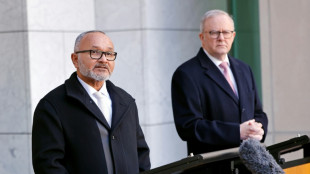
Solomons PM says to review secretive security pact with China
-
 Oil prices rise on Iran peace worries, stocks build on tech rally
-
Sabalenka homes in on French Open semis
-
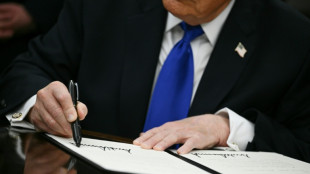 Trump signs AI order giving government access to powerful models
-
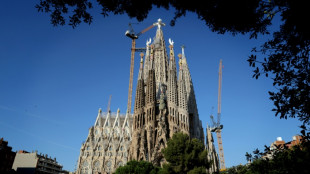
Pope to mark centenary of death of 'God's architect' Antoni Gaudi
-
 Migrant journeys in focus ahead of pope visit to Spain's Canaries
-
Flood warnings as storm moves towards Tokyo
-
 Scotland's Tartan Army to bring 'the party' on World Cup return
-
Thousands protest Jared Kushner-linked resort project in Albania

-
 EU to unveil plan to wean itself off US, Asia tech
-
Solomons PM says to review security pact with China
Next Generation EU a scam?
The Next Generation EU (NGEU) fund, an unprecedented European Union economic recovery package, was launched in 2020 to help member states recover from the economic and social impact of the COVID 19 pandemic. With a volume of €750 billion, divided into grants and loans, NGEU aims to make Europe greener, more digital and more resilient (European Commission, Recovery plan for Europe). However, the implementation and effectiveness of the programme have been met with controversy and criticism, leading some to call it the EU's ‘biggest scam’. This report analyses the reasons for this criticism, based on fraud cases, political tensions and economic doubts.
Fraud and misuse of funds
A key point of criticism is the high number of fraud cases affecting the programme. In April 2024, 22 people were arrested in Italy, Austria, Romania and Slovakia on charges of embezzling €600 million from the Italian National Recovery and Resilience Plan (NRRP), which is part of NGEU. The criminals used a network of accountants, service providers and notaries to fraudulently obtain non-repayable funds and transfer the money abroad.
Another case concerns the procurement of power generators for Ukraine, which was managed by the Polish government agency for strategic reserves (RARS). The European Anti-Fraud Office (OLAF) recommended the recovery of over €91 million due to serious irregularities, including inflated prices and a lack of competition (European Commission, OLAF completes investigation into suspected serious irregularities). These cases are not isolated: in 2022, OLAF recorded a 7% increase in fraud cases, with irregularities worth €1.77 billion. At the end of 2024, the European Public Prosecutor's Office (EPPO) was handling 311 active cases with an estimated €2.8 billion in damages to the EU budget, mostly related to NGEU (Balkan Insight, EU Fraud Keeps Rising as Prosecutors Investigate 38% More Cases in 2024).
Political controversies and delays
Besides the fraud cases, there were political tensions that delayed the implementation of NGEU. Poland and Hungary initially blocked the adoption of the fund due to concerns about the rule of law conditions. This led to delays in the disbursement of funds and political tensions within the EU (Wikipedia, Next Generation EU). Article 7 proceedings were opened against both countries, but their mutual support prevented sanctions, complicating the implementation of the fund (Wikipedia, Next Generation EU). These controversies show that NGEU was not only a technical financial instrument but also a political battleground, undermining confidence in the programme.
Scepticism from economists and political actors
Some economists and political actors express scepticism about the effectiveness and purpose of NGEU. A study from Comparative European Politics (2022) argues that the allocation of funds was based on existing economic and political vulnerabilities rather than the direct consequences of the pandemic. Countries with strong Euroscepticism and structural problems received the most funding per capita, regardless of the severity of the health crisis (Comparative European Politics, Voices from the past: economic and political vulnerabilities in the making of next generation EU). This could indicate that NGEU is more of a tool for stabilising weak economies, which some may see as a misuse of funds.
In Italy, the main recipient, there are doubts about the government's ability to use the funds efficiently. Although the government is celebrating the receipt of the fifth tranche of NGEU, the challenge remains of actually spending the funds and implementing the planned projects (Euractiv, Italy and the challenge of spending European funds). These difficulties underline the concern that NGEU may not deliver the promised results.
Trump, Putin and the question: What now?
Canada challenges Trump on Tariffs
Nuclear weapons for Poland against Russia?
Rebellion against Trump: "Ready for War?"
Ukraine: Problem with the ceasefire?

Ukraine Loses Kursk: A Collapse?
Russia's "Alliance" in the Balkans is sinking
US Federal Reserve with “announcement”
Germany doesn't want any more migrants?
Wealth that Brazil is not utilizing!
Taiwan: Is the "Silicon Shield" collapsing?