-
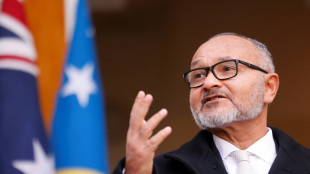 Solomons PM says to review secretive security pact with China
-
Oil prices rise on Iran peace worries, stocks build on tech rally

-
 Sabalenka homes in on French Open semis
-
Trump signs AI order giving government access to powerful models
-
 Pope to mark centenary of death of 'God's architect' Antoni Gaudi
-
Migrant journeys in focus ahead of pope visit to Spain's Canaries

-
 Flood warnings as storm moves towards Tokyo
-
Scotland's Tartan Army to bring 'the party' on World Cup return

-
 Thousands protest Jared Kushner-linked resort project in Albania
-
EU to unveil plan to wean itself off US, Asia tech

-
 Solomons PM says to review security pact with China
-
Will SpaceX IPO make Elon Musk a trillionaire?
-
 By the power of great skills: Nicholas Galitzine on He-Man transformation
-
'20 minutes of terror': AI boosts US voice impersonation scams

-
 Before SpaceX goes public, a scramble to get on bandwagon
-
One of our own: San Antonio embraces 'Wemby' ahead of NBA Finals

-
 Tanzania president visits Russia as Western ties fray
-
Keiko Fujimori: Peru's biggest political loser eyes election win

-
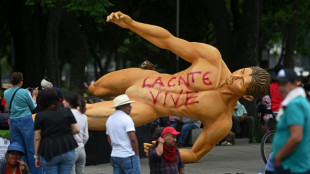 Protesting teachers in Mexico topple player statues days before World Cup
-
Scientists find yeast in ancient Iceman's guts -- and make bread

-
 No.1 Korda, No.2 Jeeno chase US Women's Open title
-
Trump admin abandons $1.8 bn fund to compensate supporters
-
 Canada and Mexico tell US they want free trade deal renewed
-
David Beckham to get star on Hollywood Walk of Fame

-
 Turkey raps Kanye West for offending 'spiritual sensitivities'
-
Zverev powers into French Open semis as Fonseca run ends

-
 Foreign companies take flight from US-sanctioned Cuba
-
Knicks, Brunson in awe of 'unbelievable' Wembanyama

-
 Mensik tames Fonseca to reach French Open semi-finals
-
'I can't breathe': clashes erupt after UK police handcuff dying student

-
 England launch World Cup build-up in steamy Florida
-
France lawmakers say state shares blame for West Indies pesticide scandal
-
 'Crazy': Trump-Netanyahu relationship under growing strain
-
Ellis's best helps Australia shock Pakistan to level ODI series

-
 Brunson says doubters only push Knicks to work harder
-
'I can't breathe': outrage, violence after UK police handcuff dying student

-
 Zverev 'doesn't care' about French Open favourite tag
-
Israel, Hezbollah trade blows as diplomats meet in Washington

-
 Microsoft unveils AI models in push for independence from OpenAI
-
Lukaku makes Belgium return with 'ideal' goal in win over Croatia

-
 'I can't breathe': Outrage after UK police handcuff dying student
-
'Nightmare': Russian attacks kill 22 across Ukraine

-
 US finds huge drug tunnel under Mexico border
-
Trump to attend new White House press gala after shooting
-
 Wembanyama says Spurs still coming down from Thunder win
-
Lukaku makes Belgium return with goal in win over Croatia

-
 Senegal's new government strengthens president against rival: analysts
-
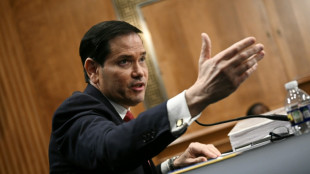
Rubio hopeful for Iran deal, insists on nuclear curbs
-
 Canada tells US and Mexico it wants free trade deal renewed
-
Airbus tests passenger plane that can fly 22 hours non-stop

DOGE Fails to Slash U.S. Spending
The Department of Government Efficiency (DOGE), launched with bold promises to revolutionize federal spending, has fallen dramatically short of its ambitious goals, raising questions about its effectiveness and impact on the U.S. budget. Tasked with streamlining government operations and slashing what its proponents called wasteful expenditure, DOGE was heralded as a transformative force. Yet, recent developments reveal a stark reality: the initiative has failed to deliver meaningful spending cuts, leaving its lofty objectives unfulfilled and critics pointing to mismanagement and inflated claims.
Initially, DOGE set out with a headline-grabbing target of reducing federal spending by $2 trillion, a figure that captured public attention and underscored the initiative’s audacious vision. This goal was later halved to $1 trillion, signaling early challenges in identifying viable cuts without disrupting essential services. More recently, reports indicate that the projected savings have dwindled to a fraction of the original promise, with estimates suggesting only $150 billion in reductions—a mere 7.5% of the initial target. Even this figure has faced scrutiny, with analysts arguing that the actual savings may be significantly lower due to questionable accounting methods and speculative projections.
One of the core issues plaguing DOGE has been its approach to identifying efficiencies. The initiative aimed to eliminate redundant contracts, streamline federal agencies, and reduce bureaucratic overhead. However, the execution has been chaotic, with cuts often appearing indiscriminate rather than strategic. For instance, reductions in consulting contracts, particularly in defense and IT services, were touted as major wins, yet many of these contracts supported critical government functions. The abrupt termination of such agreements has led to operational disruptions, forcing agencies to scramble for alternatives or reinstate services at additional cost.
Moreover, DOGE’s efforts have sparked unintended consequences across federal agencies. Staff reductions, intended to shrink the workforce, have instead triggered inefficiencies, with remaining employees struggling to handle increased workloads. This has been particularly evident in agencies responsible for public services, where understaffing has led to delays and diminished service quality. The ripple effects extend beyond government operations, impacting private-sector contractors who relied on federal partnerships. Layoffs in consulting firms and other industries tied to government contracts have further eroded confidence in DOGE’s strategy.
Critics argue that DOGE’s aggressive push for cuts overlooked the complexity of federal budgeting. Many targeted programs, such as grants for cultural institutions or international development, represent a tiny fraction of the budget but deliver outsized benefits in terms of public goodwill and long-term economic gains. Eliminating these programs has yielded negligible savings while generating significant backlash. Similarly, attempts to overhaul agencies like the Social Security Administration have raised alarms about potential disruptions to benefits, undermining public trust in the initiative’s priorities.
The leadership behind DOGE has also come under fire. High-profile figures driving the initiative were expected to bring private-sector ingenuity to government reform. Instead, their lack of experience in public administration has led to missteps, including overestimating the ease of implementing cuts and underestimating the resistance from entrenched bureaucratic systems. Public perception has soured as well, with polls indicating growing skepticism about DOGE’s ability to deliver on its promises without harming essential services.
Financially, the broader context paints a grim picture. While DOGE aimed to curb deficits, the federal debt continues to climb, projected to exceed $36 trillion in the coming years. Tax cuts passed concurrently with DOGE’s efforts are expected to add trillions more to the deficit, offsetting any savings the initiative might achieve. This contradiction has fueled accusations that DOGE was more about political optics than genuine fiscal responsibility.
Looking ahead, DOGE’s future remains uncertain. With its initial timeline nearing its end, pressure is mounting to demonstrate tangible results. Supporters argue that the initiative has at least sparked a conversation about government waste, laying the groundwork for future reforms. However, without a clear pivot to more targeted, evidence-based strategies, DOGE risks being remembered as a cautionary tale of overambition and underdelivery.
In the end, the Department of Government Efficiency has not lived up to its billing as a budget-cutting juggernaut. Its inability to achieve meaningful spending reductions, coupled with operational missteps and public skepticism, underscores the challenges of reforming a sprawling federal system. As the U.S. grapples with fiscal challenges, the DOGE experiment serves as a reminder that bold promises must be matched by careful execution.

Iran lifts Dollar, sinks Euro
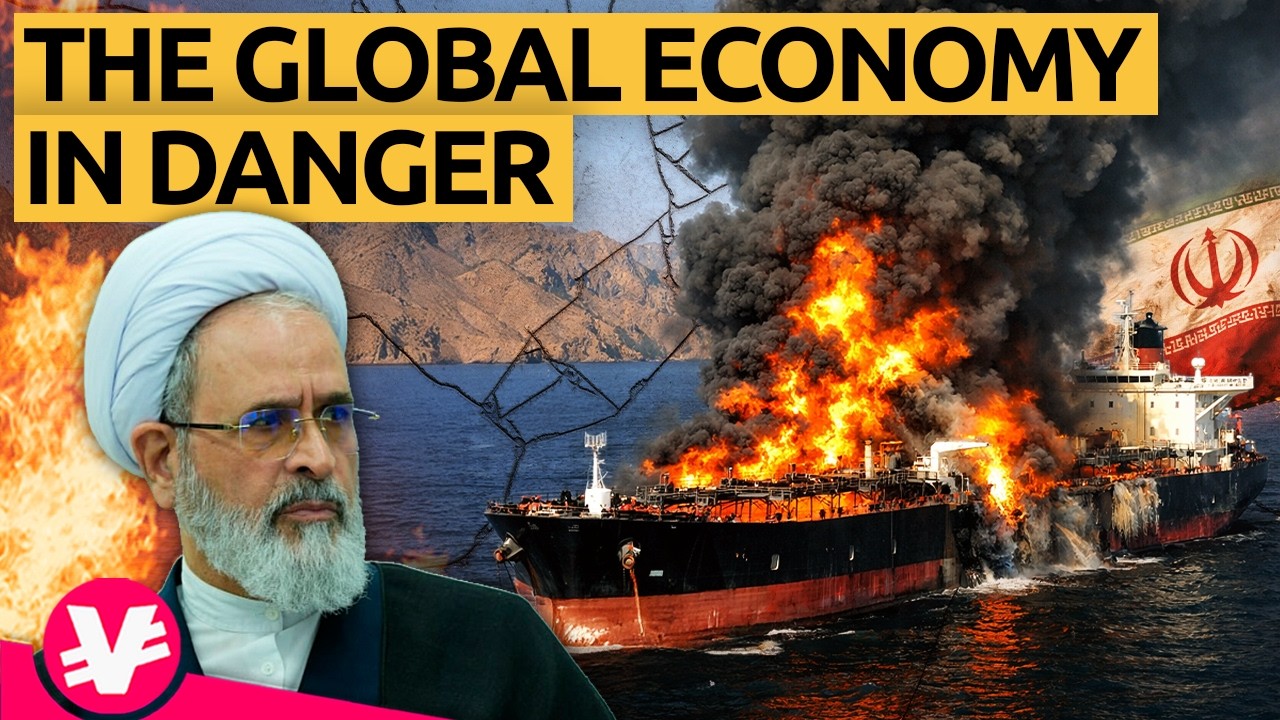
Hormuz Shock Risk rising
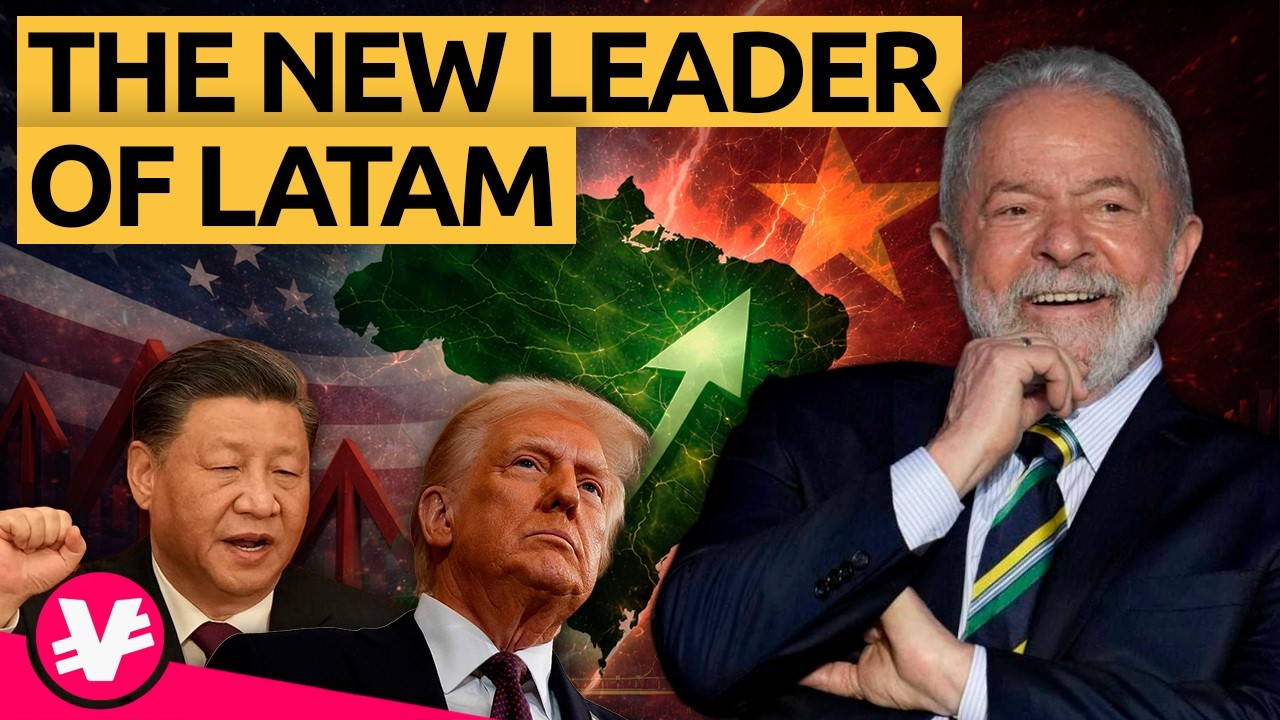
Brazil's trade-war boom

Iran's revenge rewired

Cuba's golden Goose dies

Mexico after El Mencho falls

Nicaragua on the brink?

Cuba: The Regime's last Card

Strike fears rise over Iran

U.S. Jobs stall, gdp slows

Japan’s right‑turn triumph