-
 Migrant journeys in focus ahead of pope visit to Spain's Canaries
-
Flood warnings as storm moves towards Tokyo
-
 Scotland's Tartan Army to bring 'the party' on World Cup return
-
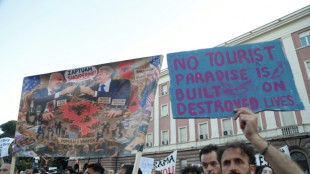
Thousands protest Jared Kushner-linked resort project in Albania
-
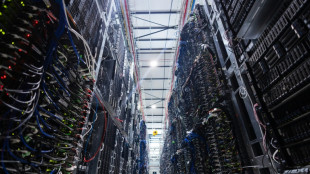 EU to unveil plan to wean itself off US, Asia tech
-
Solomons PM says to review security pact with China
-
 Will SpaceX IPO make Elon Musk a trillionaire?
-
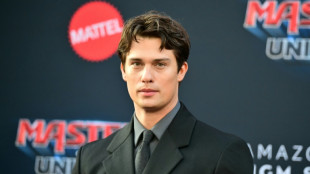
By the power of great skills: Nicholas Galitzine on He-Man transformation
-
 '20 minutes of terror': AI boosts US voice impersonation scams
-
Before SpaceX goes public, a scramble to get on bandwagon
-
 One of our own: San Antonio embraces 'Wemby' ahead of NBA Finals
-
Tanzania president visits Russia as Western ties fray
-
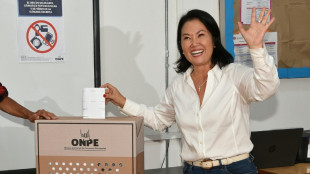 Keiko Fujimori: Peru's biggest political loser eyes election win
-
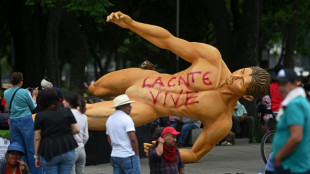
Protesting teachers in Mexico topple player statues days before World Cup
-
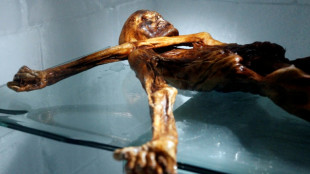 Scientists find yeast in ancient Iceman's guts -- and make bread
-
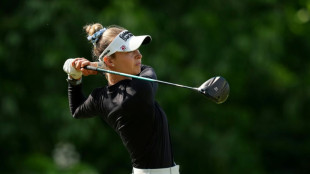
No.1 Korda, No.2 Jeeno chase US Women's Open title
-
 Trump admin abandons $1.8 bn fund to compensate supporters
-
Canada and Mexico tell US they want free trade deal renewed
-
 David Beckham to get star on Hollywood Walk of Fame
-
Turkey raps Kanye West for offending 'spiritual sensitivities'
-
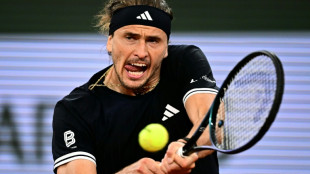 Zverev powers into French Open semis as Fonseca run ends
-
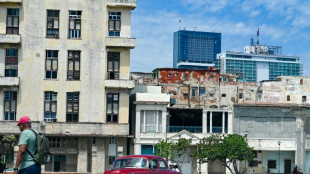
Foreign companies take flight from US-sanctioned Cuba
-
 Knicks, Brunson in awe of 'unbelievable' Wembanyama
-
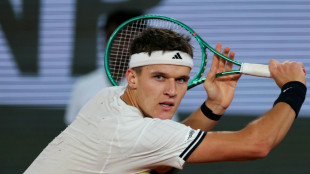
Mensik tames Fonseca to reach French Open semi-finals
-
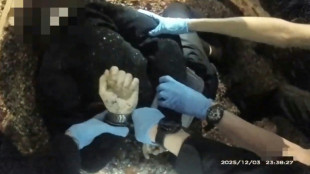
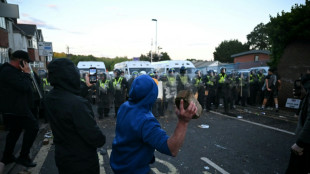 'I can't breathe': clashes erupt after UK police handcuff dying student
-
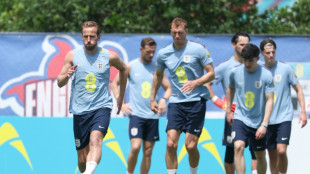
England launch World Cup build-up in steamy Florida
-
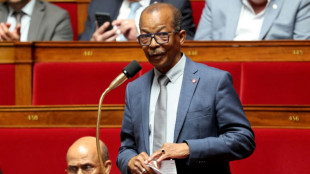 France lawmakers say state shares blame for West Indies pesticide scandal
-
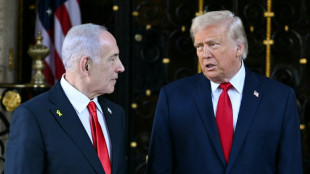
'Crazy': Trump-Netanyahu relationship under growing strain
-
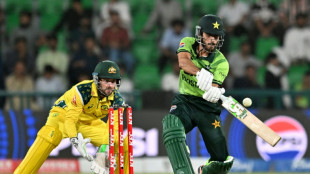 Ellis's best helps Australia shock Pakistan to level ODI series
-
Brunson says doubters only push Knicks to work harder
-
 'I can't breathe': outrage, violence after UK police handcuff dying student
-
Zverev 'doesn't care' about French Open favourite tag
-
 Israel, Hezbollah trade blows as diplomats meet in Washington
-
Microsoft unveils AI models in push for independence from OpenAI
-
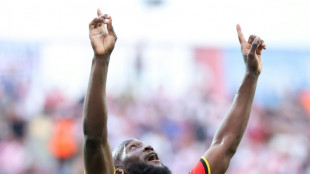 Lukaku makes Belgium return with 'ideal' goal in win over Croatia
-
'I can't breathe': Outrage after UK police handcuff dying student
-
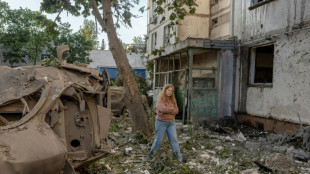 'Nightmare': Russian attacks kill 22 across Ukraine
-
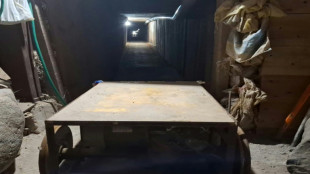
US finds huge drug tunnel under Mexico border
-
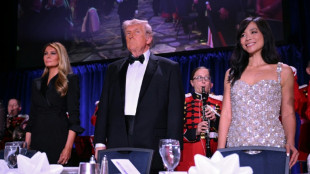 Trump to attend new White House press gala after shooting
-
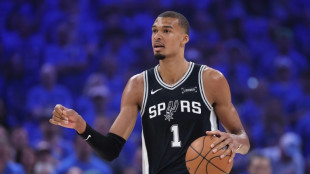
Wembanyama says Spurs still coming down from Thunder win
-
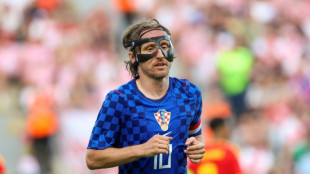 Lukaku makes Belgium return with goal in win over Croatia
-
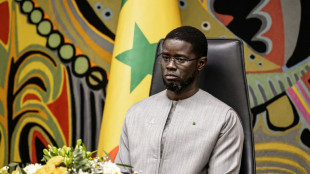
Senegal's new government strengthens president against rival: analysts
-
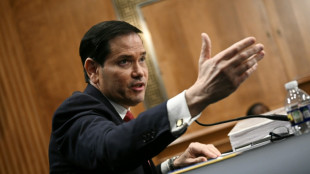 Rubio hopeful for Iran deal, insists on nuclear curbs
-
Canada tells US and Mexico it wants free trade deal renewed
-
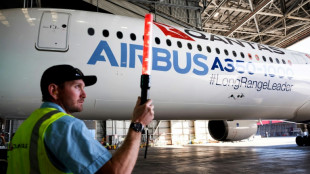 Airbus tests passenger plane that can fly 22 hours non-stop
-
Canucks hire Malhotra as coach after NHL-worst season

-
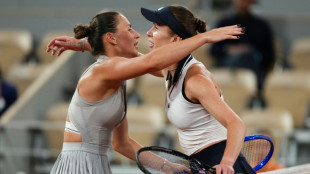 Kostyuk balances war at home and title run at French Open
-
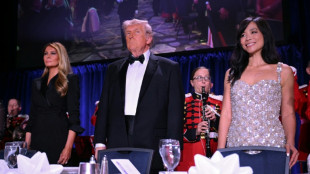
White House press gala rescheduled after shooting
-
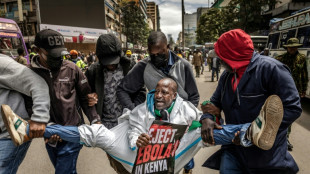 Two killed in Kenya protests over US Ebola centre: rights group
-
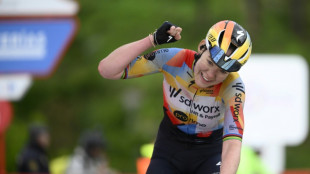
Van der Breggen takes overall Giro lead with time trial win
Pope Francis: A Transformative Legacy
The Catholic Church mourns the loss of Pope Francis, who passed away on 21 April 2025 at the age of 88, leaving behind a legacy that reshaped the Church and touched the world. Born Jorge Mario Bergoglio in Buenos Aires, Argentina, he was the first Jesuit, the first Latin American, and the first non-European pontiff in over 1,200 years. His death, caused by a stroke, marked the end of a 12-year papacy defined by bold reforms, profound compassion, and inevitable controversies.
Francis ascended to the papacy in 2013, following the historic resignation of Pope Benedict XVI. From his first appearance on the balcony of St. Peter’s Basilica, where he chose the name Francis in homage to St. Francis of Assisi, he signalled a departure from tradition. Eschewing the opulent Apostolic Palace for a modest residence in Casa Santa Marta, he embodied humility. His early words, asking the crowd to pray for him, set the tone for a papacy rooted in accessibility and service.
His transformative vision centred on a “poor Church for the poor.” Francis prioritised the marginalised, visiting prisons, washing the feet of inmates, and advocating for refugees and the homeless. His 2015 encyclical, Laudato Si’, was a clarion call for environmental stewardship, urging global action on climate change and sustainable living. This landmark document resonated beyond the Catholic faithful, earning praise from world leaders and environmentalists alike. His commitment to interfaith dialogue also broke new ground. The 2019 Document on Human Fraternity, co-signed with the Grand Imam of Al-Azhar, Ahmad Al-Tayyeb, promoted peace and coexistence, while his historic visits to Iraq and Indonesia furthered ecumenical ties.
Francis sought to modernise the Church through the Weltsynode, a global reform process launched in 2021. For the first time, laypeople and women were given voting rights at the 2023 Synod of Bishops, a move hailed by progressives as a step towards inclusivity. He appointed women to senior Vatican roles, challenging the Church’s male-dominated hierarchy. Yet, his refusal to ordain women as priests or deacons disappointed those hoping for deeper doctrinal change, highlighting the delicate balance he struck between reform and tradition.
His papacy was not without shadows. The ongoing clergy abuse scandal cast a long pall. While Francis expressed deep sorrow and implemented measures to address the crisis, critics argued he was too slow to act decisively. His handling of cases, such as those involving high-profile clerics, drew scrutiny. Geopolitically, his outspoken criticism of Israel’s actions in Gaza strained Vatican-Israel relations, and his failure to sway the Russian Orthodox Patriarch Kirill on the Ukraine war underscored the limits of his influence. Within the Church, ultraconservative factions opposed his reforms, with some accusing him of diluting doctrine. His decision to sign a document affirming the diversity of religions sparked fierce debate, with critics claiming it undermined Catholic exclusivity.
Francis’s personal struggles added complexity to his tenure. Health challenges, including a prolonged hospital stay for pneumonia in early 2025, tested his resilience. Yet, even in his final days, he remained active, attending Easter services and visiting his beloved Basilica of Santa Maria Maggiore, where he will be laid to rest on 26 April 2025, per his wishes for a simple burial. His choice of this basilica, rather than St. Peter’s, reflects his lifelong devotion to humility and his connection to the Marian icon Salus Populi Romani.
Tributes poured in from across the globe. World leaders, including French President Emmanuel Macron and US President Joe Biden, lauded his compassion and advocacy for the vulnerable. Hollywood figures like Martin Scorsese and Leonardo DiCaprio praised his moral leadership, while Argentina declared seven days of national mourning. In Rome, tens of thousands gathered at St. Peter’s Square, where his body was displayed for public homage until Friday, before a funeral attended by global dignitaries.
As the Vatican prepares for the conclave to elect the 267th pope, the Church stands at a crossroads. Francis’s reforms have opened doors, but his unfinished agenda—on women’s roles, abuse accountability, and doctrinal evolution—leaves his successor a daunting task. His papacy, a beacon of hope for many, was a tightrope walk between progress and tradition, light and shadow. His legacy endures as a call to compassion, a challenge to power, and a vision of a Church closer to the people it serves.
Iran's collapse fuels Revolt

Brexit's broken promises
France's debt spiral Crisis
Trump preps Allies for Ven Op
UK politics: Outlook for 2026
United Kingdom vs Immigration
Trump's threats to Colombia

COSTCO profits from Fees
AI bust: Layoffs & Rent surge
Trap laid, Ukraine walked in
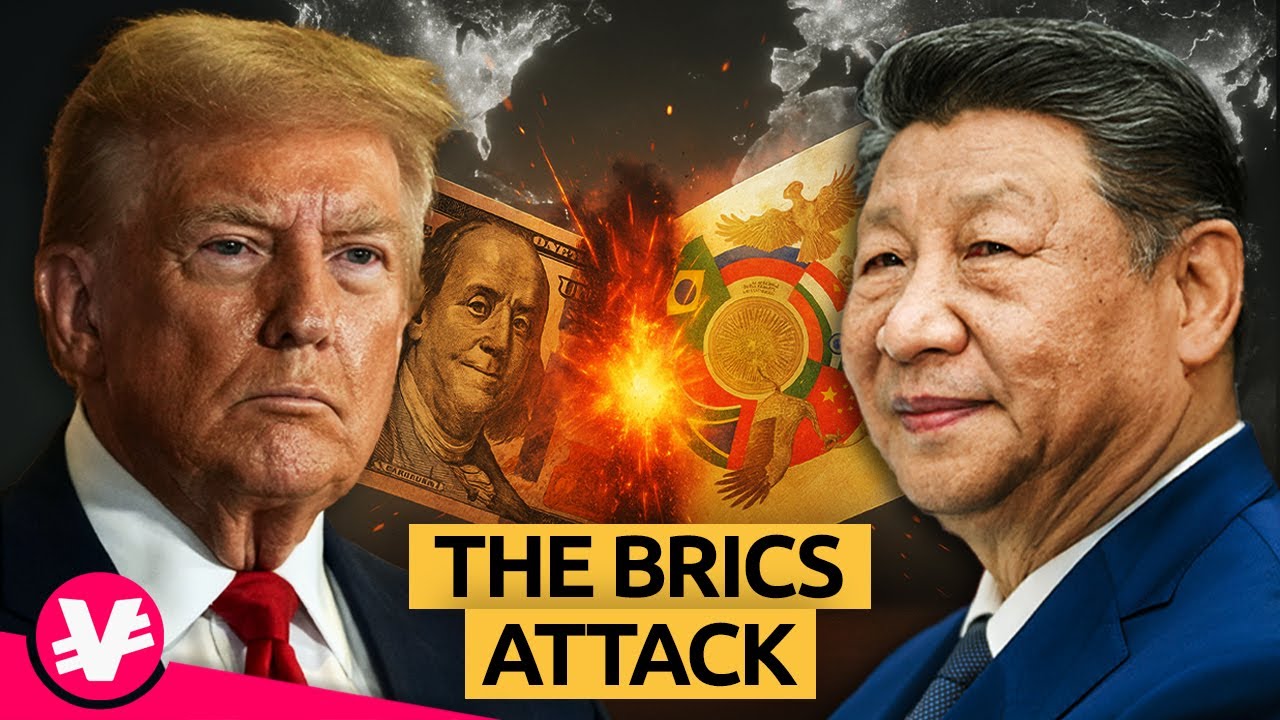
BRICS-Dollar challenge