-
 French UFC fighter Gane blocking out politics before White House bout
-
England aim to erase Ashes scars against New Zealand

-
 50 years after Olympic glory, Comaneci's homecoming sparks hope of new path to perfection
-
'No hiding' as Haiti thrash New Zealand in pre-World Cup friendly

-
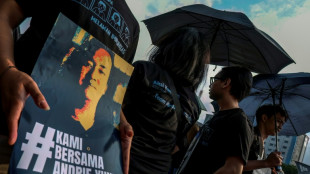 Military seeks prison time for Indonesian soldiers in acid attack
-
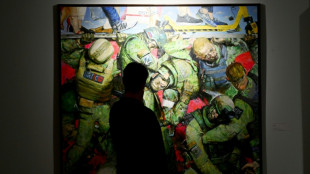
'Animalistic horror': Russia puts war art on display
-
 German alleged rape victim battles time limit on abuse cases
-
As crises balloon, so do EU nations' deficits
-
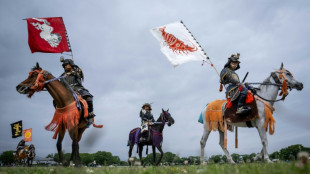 Japan's samurai spirit still burns in cooler conditions
-
Solomons PM says to review secretive security pact with China
-
 Oil prices rise on Iran peace worries, stocks build on tech rally
-
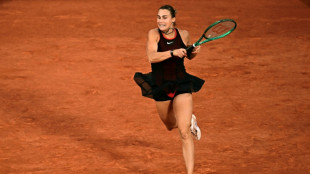
Sabalenka homes in on French Open semis
-
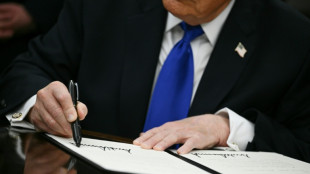 Trump signs AI order giving government access to powerful models
-
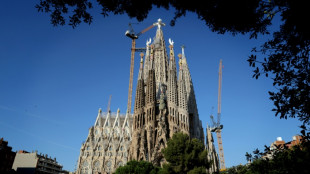
Pope to mark centenary of death of 'God's architect' Antoni Gaudi
-
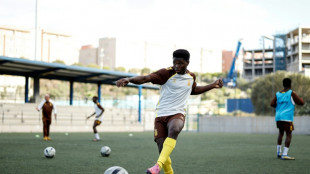 Migrant journeys in focus ahead of pope visit to Spain's Canaries
-
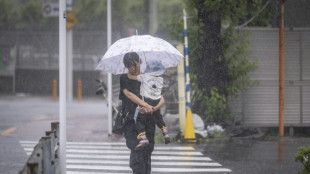
Flood warnings as storm moves towards Tokyo
-
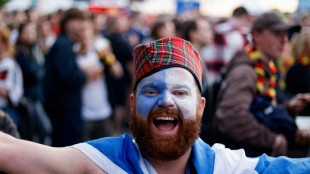 Scotland's Tartan Army to bring 'the party' on World Cup return
-
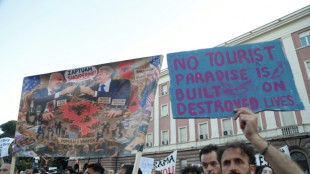
Thousands protest Jared Kushner-linked resort project in Albania
-
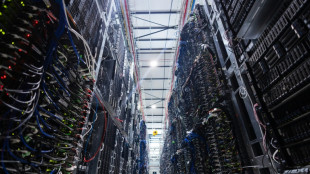 EU to unveil plan to wean itself off US, Asia tech
-
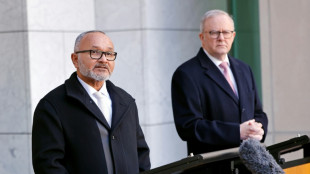
Solomons PM says to review security pact with China
-
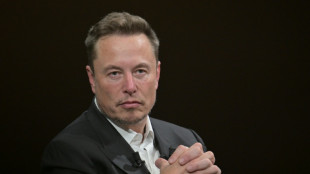 Will SpaceX IPO make Elon Musk a trillionaire?
-
By the power of great skills: Nicholas Galitzine on He-Man transformation

-
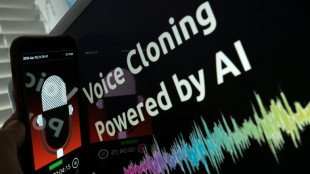 '20 minutes of terror': AI boosts US voice impersonation scams
-
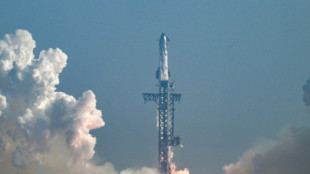
Before SpaceX goes public, a scramble to get on bandwagon
-
 One of our own: San Antonio embraces 'Wemby' ahead of NBA Finals
-
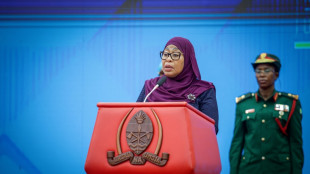
Tanzania president visits Russia as Western ties fray
-
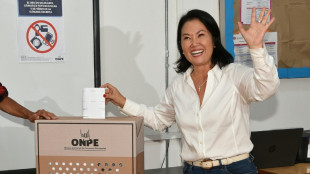 Keiko Fujimori: Peru's biggest political loser eyes election win
-
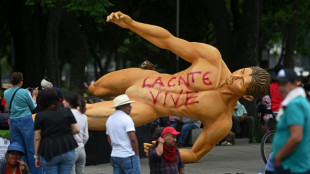
Protesting teachers in Mexico topple player statues days before World Cup
-
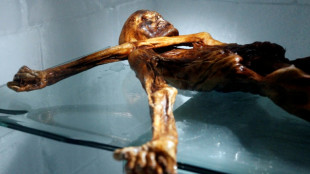 Scientists find yeast in ancient Iceman's guts -- and make bread
-
InterContinental Hotels Group PLC Announces Transaction in Own Shares - June 03

-
 MindMaze Therapeutics Publishes Invitation to the 2026 Annual General Meeting
-
No.1 Korda, No.2 Jeeno chase US Women's Open title

-
 Trump admin abandons $1.8 bn fund to compensate supporters
-
Canada and Mexico tell US they want free trade deal renewed
-
 David Beckham to get star on Hollywood Walk of Fame
-
Turkey raps Kanye West for offending 'spiritual sensitivities'
-
 Zverev powers into French Open semis as Fonseca run ends
-
Foreign companies take flight from US-sanctioned Cuba
-
 Knicks, Brunson in awe of 'unbelievable' Wembanyama
-
Mensik tames Fonseca to reach French Open semi-finals
-
 'I can't breathe': clashes erupt after UK police handcuff dying student
-
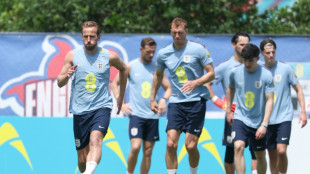
England launch World Cup build-up in steamy Florida
-
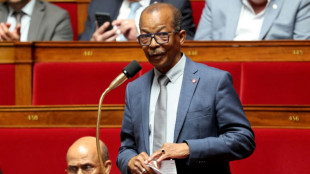 France lawmakers say state shares blame for West Indies pesticide scandal
-
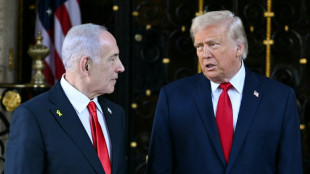
'Crazy': Trump-Netanyahu relationship under growing strain
-
 Ellis's best helps Australia shock Pakistan to level ODI series
-
Brunson says doubters only push Knicks to work harder

-
 'I can't breathe': outrage, violence after UK police handcuff dying student
-
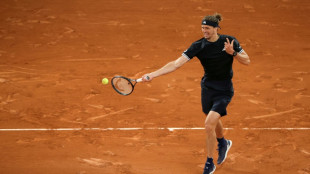
Zverev 'doesn't care' about French Open favourite tag
-
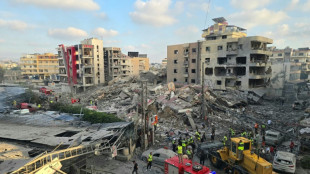 Israel, Hezbollah trade blows as diplomats meet in Washington
-
Microsoft unveils AI models in push for independence from OpenAI
Europe's Economic Self-Sabotage
Europe, once a beacon of economic prowess, is grappling with challenges that threaten its unique economic model. The European Union's economy, valued at approximately $20.29 trillion in nominal terms in 2025, stands as the second largest globally, yet it faces stagnation and competitive decline. Germany, France, and Italy, which collectively account for over half of the EU’s GDP, are pivotal to this narrative, but their struggles reverberate across the bloc.
The EU’s economic woes stem from a confluence of internal and external pressures. Germany, the bloc’s largest economy, contracted by 0.3% in the final quarter of 2023, hampered by high energy costs, a shortage of skilled labour, and chronic underinvestment in infrastructure. The automotive sector, a cornerstone of German industry, faces existential threats from Chinese electric vehicle manufacturers, who are flooding European markets with affordable alternatives. Central and Eastern Europe, heavily integrated into German supply chains, feel the ripple effects, with countries like Hungary and Slovakia at risk as demand falters.
Innovation, or the lack thereof, is a critical issue. The EU has failed to meet its target of spending 3% of GDP on research and development, languishing at around 2% for decades. This shortfall is stark when compared to the United States, where tech giants like Amazon and Alphabet dominate global innovation. Europe’s universities, with only one institution in the global top 30, struggle to drive cutting-edge research, and much of the bloc’s R&D funding is misallocated, particularly in Germany, where it is heavily skewed towards the automotive sector. This lack of diversification leaves Europe vulnerable in a rapidly evolving global economy.
Energy policy further complicates the picture. Despite a 26% reduction in greenhouse gas emissions per employed person over the past decade, 70% of the EU’s energy still comes from fossil fuels, and the bloc remains 63% dependent on imported fuel. The push for renewables, while commendable, is uneven—Sweden leads with nearly two-thirds of its energy from renewable sources, while countries like Ireland and Belgium lag behind. High energy prices, exacerbated by geopolitical tensions and the loss of Russian gas supplies, have strained energy-intensive industries, particularly in Germany.
Trade dynamics add another layer of complexity. The EU is the world’s largest exporter of manufactured goods and services, accounting for 14% of global trade. However, the spectre of tariffs, particularly from the United States, looms large. With over €500 billion in annual exports to the U.S., any imposition of tariffs could devastate European industries. The EU’s response—potential counter-tariffs or World Trade Organization complaints—may not suffice to protect its markets, especially as global supply chains face disruptions from conflicts and protectionist policies.
Internally, the EU’s single market, a cornerstone of its economic integration, is under strain. Calls for deeper integration, including a capital markets union and harmonised regulations, are met with resistance from member states guarding national interests. The EU’s budget, at €2 trillion for 2021–2027, is substantial but insufficient to address cross-border challenges like defence or green energy transitions. Moreover, the Council of Ministers’ veto system hampers swift decision-making, stalling progress on critical issues like a unified defence policy or fiscal coordination.
The EU’s social model, with 26.8% of GDP spent on welfare in 2023, is a point of pride but also a burden. High public debt in countries like Greece, Italy, and France, all exceeding 100% of GDP, limits fiscal flexibility. Austerity policies in the past have stifled growth, and the bloc’s projected population decline—to 420 million by 2100—raises concerns about sustaining this model amid an ageing workforce.
Geopolitical fragmentation exacerbates these challenges. The EU’s trade openness, with extra-EU trade exceeding 40% of GDP, makes it vulnerable to global disruptions. Initiatives like the Global Gateway aim to build resilient supply chains, but they compete with China’s Belt and Road and face internal coordination hurdles. Meanwhile, the euro, the world’s second most traded currency, is under scrutiny as global debt levels soar and the U.S. dollar’s dominance raises questions about financial stability.
Europe’s tourism sector, a bright spot, underscores its cultural and economic allure, accounting for 60% of global international visitors. Yet, even this strength is at risk from economic uncertainty and potential trade wars, which could deter visitors and disrupt the 1.1 billion annual tourism trips by EU residents.
The EU stands at a crossroads. Its unique blend of free-market principles and social welfare, coupled with an integrated single market, has long been a global model. However, without bold reforms—streamlining regulations, boosting innovation, diversifying energy sources, and deepening integration—the bloc risks undermining its economic vitality. The path forward demands urgency and unity, lest Europe’s economic legacy becomes a cautionary tale.
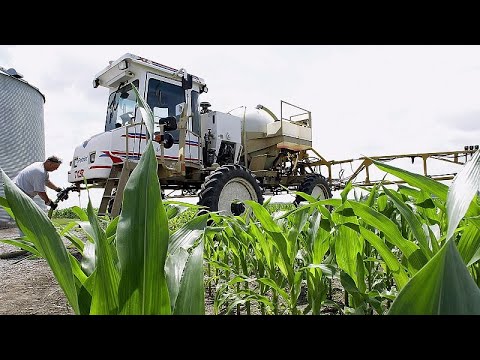
EU: No agreement on 10-year extension for glyphosate
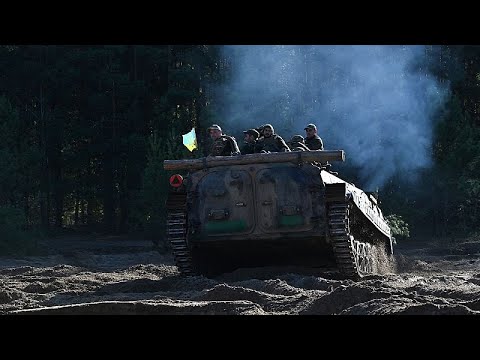
Ukraine: When will the world stand up to Russian terror?
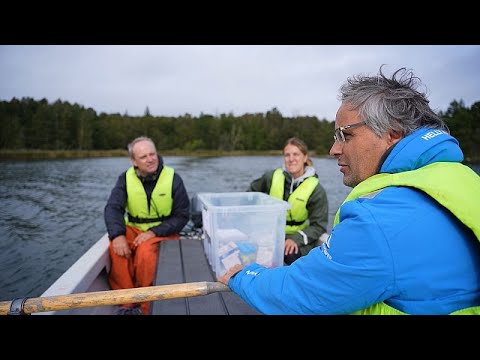
Warming: Methane levels rising, is this nature's answer?
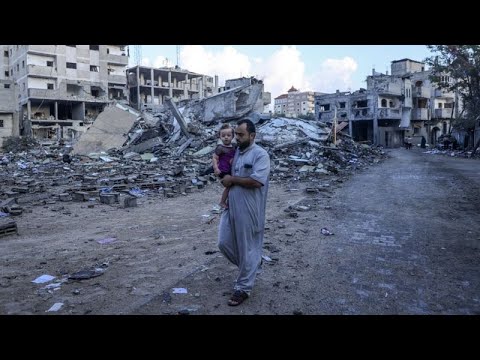
Israel has every right to destroy Hamas and Hezbollah!

What are the effects of climate change on sea flora?
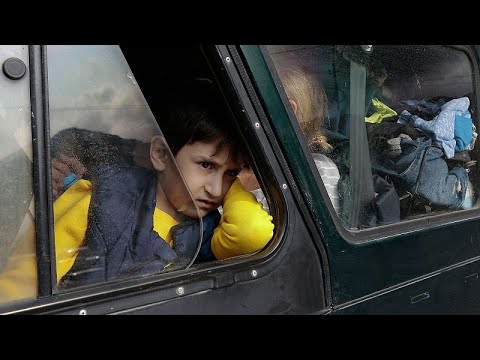
Azerbaijan is in control: Armenians flee Nagorno-Karabakh
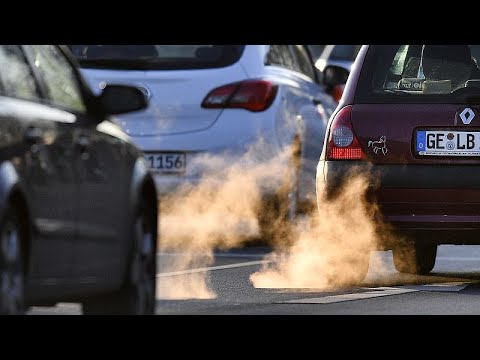
EU countries agree on watered-down car emissions proposal
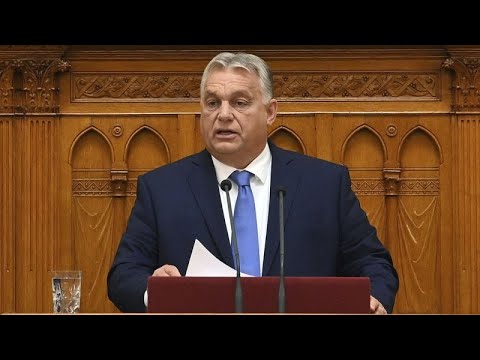
Hungary-Dictator PM Orban claims EU 'deceived' Hungary
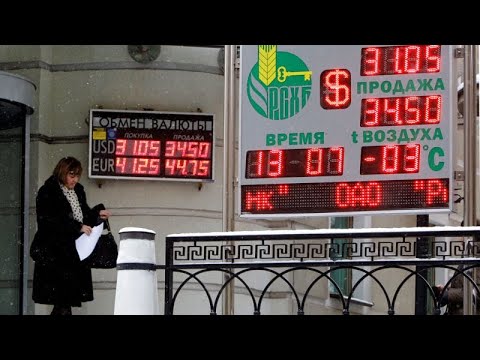
Ruble at the end: Russia's currency on the brink of collapse
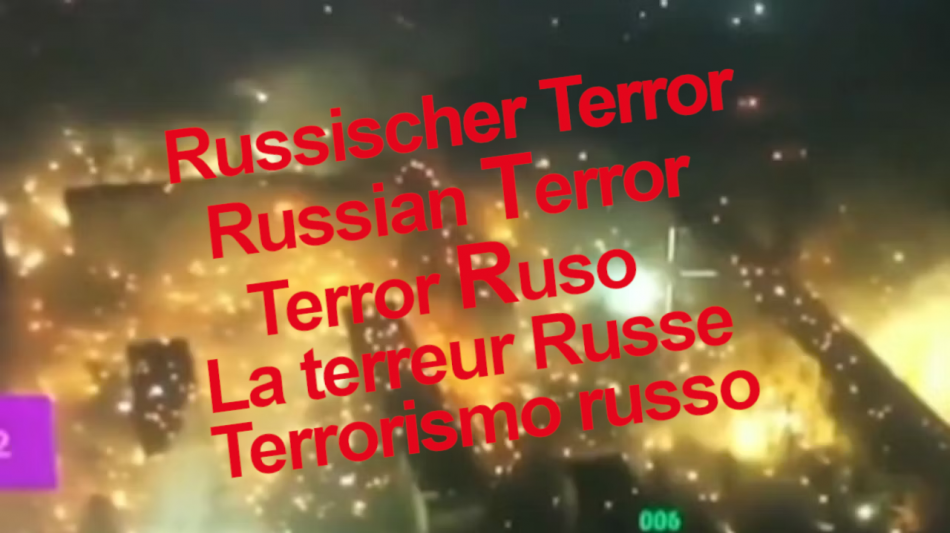
Russia in Ukraine: murder, torture, looting, rape!
That's how terror Russians end up in Ukraine!