-
 Florida State dismisses athletics director Alford and appoints interim leader
-
Bob Mackie, costume designer for Cher and Madonna, dies aged 87

-
 Saudi Arabia warns it will react 'firmly' to Houthi attacks
-
Mahomes makes triumphant return as Chiefs rout Broncos 31-10

-
 Designer Bob Mackie dies at 87 after career spanning television, stage and fashion
-
Belgium completes outer structure of offshore energy island
-
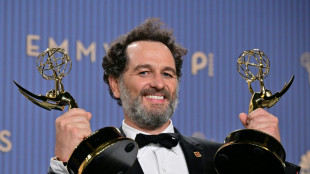 'Widow's Bay' and 'The Pitt' win big at Emmy Awards
-
Video documents rescue of injured US airman from Iran

-
 China retail sales growth weakens further in August
-
Asian Games: Bigger than Olympics, young stars and a cruise ship
-
 Eala to Yu Zidi: Six emerging stars set to light up Asian Games
-
Asian Games set for liftoff but will have everyone have a bed?
-
 Brady and Bündchen’s former Brentwood estate combined luxury and resource-saving systems
-
Most markets drop as oil extends gains ahead of expected US rate hike
-
 In Kashmir, lake weeds mix with traditional art
-
Kate Beckinsale challenges assumptions about her beauty routine

-
 Chinese architect Ma Yansong melds nature with 'futuristic feel'
-
Sri Lanka's famed beach shack battles demolition

-
 Trump says he will decide whether US pursues Iran deal
-
Drone shot down by NATO over Lithuania

-
 'Widow's Bay' and 'The Pitt' take key Emmy awards
-
Vserv targets ₹1,000 crore revenue by 2030 through AI expansion

-
 Television's A-listers glitter on Emmys red carpet
-
India prohibits bank fees on UPI payments up to ₹2,000

-
 US Supreme Court blocks Trump mail-in ballot restrictions
-
Air India CEO summoned over alleged departure immigration lapse

-
 Dodgers clinch playoff berth in bid for third straight World Series
-
New Zealand agencies missed red flags in child kidnapping case: inquiry
-
 Doomers and boosters: who's who in the AI wars
-
Brazil's Amazon defender Raoni has cancer
-
 GAC presents autonomous trucks and MONTX concepts at Hannover show
-
HFCL expands planned fibre investment to ₹1,800 crore

-
 EU extends Russia sanction deadline
-
Emmy Awards begin as 'Widow's Bay' and 'The Pitt' vie for top prizes
-
 Thai wildlife investigators track traffickers through social media
-
How to Simplify Your Finances in One Weekend

-
 PRAAMS Launches AI Co-Investor 5.0, Expanding Its Institutional Research, Risk Management, and Portfolio Management Platform
-
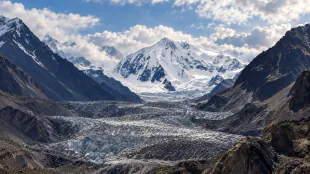
Himalayan glacier study warns of flood and water-supply risks
-
 Trump rejects AI slowdown concerns as UN urges coordinated controls
-
Kuwait schools restore classroom routines after remote learning

-
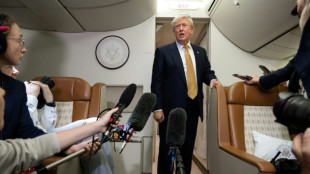 US judge postpones new visa rules for foreign students, journalists
-
US designer Bob Mackie, known for Hollywood glamour, dies at 87

-
 Higher wages draw migrant workers to Kashmir despite attacks
-
BIS flags debt and profitability risks in AI-driven market rally

-
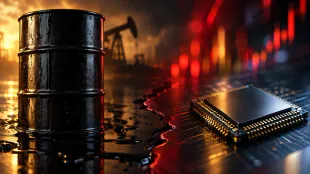 Oil supply concerns and AI warnings weigh on global markets
-
Qatar Chamber and Maltese envoy consider business forum

-
 'I am the hoax buster': Trump rejects AI danger warnings
-
Spanish PM denies being blackmailed by Morocco

-
 Macklemore dropped from Ed Sheeran tour after 'free Palestine' speech
-
Doha Islamic finance forum names AlRayan firms as co-lead partners

Climate change made ferocious LA wildfires more likely: study
Human-driven climate change set the stage for the devastating Los Angeles wildfires by reducing rainfall, parching vegetation, and extending the dangerous overlap between flammable drought conditions and powerful Santa Ana winds, according to an analysis published Tuesday.
The study, conducted by dozens of researchers, concluded that the fire-prone conditions fueling the blazes were approximately 35 percent more likely due to global warming caused by burning fossil fuels.
"Climate change increased the risk of the devastating LA wildfires," said Clair Barnes of Imperial College London, the lead author of the study by World Weather Attribution, an international academic collaboration.
"Drought conditions are increasingly pushing into winter, raising the likelihood of fires breaking out during strong Santa Ana winds that can transform small ignitions into deadly infernos.
"Without a faster transition away from planet-heating fossil fuels, California will continue to get hotter, drier, and more flammable."
- Projected to worsen -
The study does not address the direct causes of the wildfires, which erupted around Los Angeles on January 7, killing at least 29 people and destroying more than 10,000 homes, the most destructive in the city's history.
Investigators are probing the role of power company Southern California Edison in one of the blazes, the Eaton Fire.
Instead, researchers analyzed weather data and climate models to assess how such events have evolved under today's climate, which has warmed approximately 2.3 degrees Fahrenheit (1.3 degrees Celsius) above pre-industrial levels.
Using peer-reviewed methods, they found that the hot, dry, and windy conditions were 1.35 times more likely due to climate change.
Looking ahead, the study warns that under current scenarios, where global warming reaches 4.7F (2.6C) by 2100, similar fire-weather events in January will become a further 35 percent more likely.
Historically, October through December rainfall has marked the end of wildfire season.
However, these rains have decreased in recent decades.
The study found that low rainfall across these months is now 2.4 times more likely during neutral El Nino conditions, leading to drier, flammable conditions persisting into the peak of the Santa Ana wind season in December and January.
- Areas of Uncertainty -
The relationship between climate change and Santa Ana winds -- which form in western deserts, then heat up and dry out as they flow down California's mountains -- remains unclear.
While most studies predict a decline in these winds as the climate warms, some suggest hot Santa Ana wind events and particularly strong years will persist.
This year's fires followed two wet winters in 2022–2023 and 2023–2024, which spurred the growth of grass and brush. However, almost no rain this winter left the vegetation dry and highly flammable.
Globally, extreme shifts between very wet and very dry conditions, known as "precipitation whiplash," are becoming more common. These swings are driven by a warmer atmosphere that can hold and release greater amounts of moisture, exacerbating weather extremes.
Y.Kobayashi--AMWN