TV satire series is safety valve in troubled Burkina / Photo: OLYMPIA DE MAISMONT - AFP
 France held by Italy in Zidane's homecoming after Olise stunner
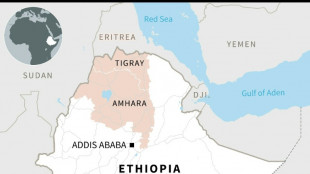
 Ethiopian pro-government militia claims Tigray airport as regional tensions spike
 Ohtani shaking off injuries as Dodgers launch MLB post-season
 Sea levels to rise in California as coastal wave surges up west coast
 New rallies urged in France as protests disrupt over 730 schools
 Djokovic survives China Open scare, Sabalenka starts strong
 King Charles to evoke colonial 'darkest days' on Caribbean tour
 Tesla shares jump after global car sales top estimates
 DR Congo Ebola outbreak killed more than 4,000: official figures
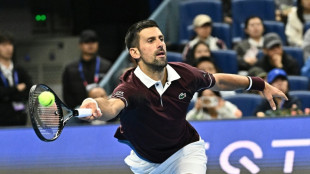 Djokovic survives China Open scare against wildcard world no. 104
 Lula, Bolsonaro trade blows in final scramble for votes in Brazil
 New clashes erupt as protests disrupt over 560 French schools
 NY governor vows to close loophole after alleged Cornell gang rape
 Ethiopia Tigray rebels pushed back as regional tensions spike
 Stocks rise, yields fall as US job numbers disappoint
 Man City verdict a 'big topic' for England players, says Tuchel

 NY attorney general tasked with investigating alleged Cornell gang rape
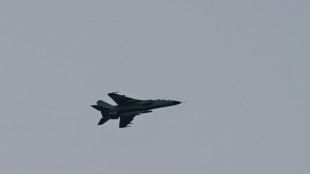 China widens military footprint with Laos air base
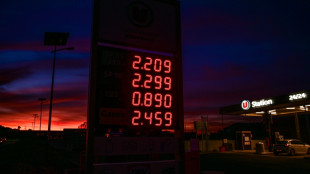 G7 talks as US pressures Europe over diesel stocks
 Man City launch appeal against explosive financial ruling
 Swiss president to quit government
 Europe rejects US threats over diesel stocks, urges joint G7 action
 Philippines tennis star Eala says 'I get overwhelmed sometimes'
 Ferrari chief Vasseur has support from rival team bosses
 Pilot in flydubai attack says could not let 'all those people die'

Your country is one of the poorest in the world, battered by a bloody jihadist insurgency and last year underwent two military coups.
So, if you are a citizen of Burkina Faso, what can you do?
Well, instead of plunging into despair, you can turn to the safety valve of laughter -- making light of some of the country's many problems.
Just in time, one of the Sahel nation's best-loved comedy series is set to return to the TV screens with the aim of providing precisely that kind of therapy.
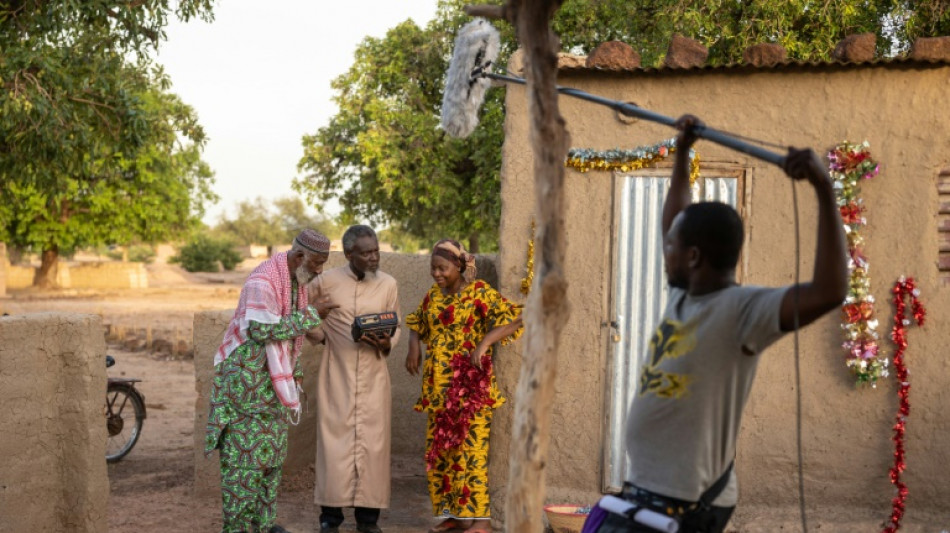
"Bienvenue a Kikideni" ("Welcome to Kikideni") follows the rivalries between a village leader, an imam and a priest, using their squabbles to provide a gently satirical take on insecurity, religious fundamentalism, pandemics, tolerance, feminism and other sensitive issues.
"It lays bare the facts of society," said actor and director Aminata Diallo-Glez.
But "these themes are always addressed in a comic tone, with a lot of humour in there."
"Kikideni" began life in 2005 under the title of "Three Men, One Village," and came back for a second series five years later.
It returns for a third series of 20 26-minute episodes -- and true to type, making the show has been affected by the security crisis.
Diallo-Glez admitted she was "very moved to be completing the project."
"Before, we used to shoot in Ziniare 35 kilometres (22 miles) north of the capital Ouagadougou, and sleep there. But we can't do that anymore," she said.
"We then looked for a village, Wanvouss, fairly close to Ouagadougou, which met the requirements for a set in a somewhat rural environment."
The three characters at the heart of the plot bicker over their differences but always find a way of co-existing, said Ildevert Meda, who plays the role of Kikideni's priest.
"It's daily life with big human rivalries," said Meda. "But at the same time we show that being different is not a hindrance but an advantage."
"We show that contradiction is possible and that you can live in peace and social cohesion," he added. "People identify with it because it's so human."
- Security crisis -
Some of the humour touches delicately on the country's deep security problems.
Since jihadists swept in from neighbouring Mali in 2015, more than 10,000 people have died, according to an NGO count, while at least two million have been displaced. More than a third of the country lies outside the government's control.
In one episode, the village debates whether it should mount a collective defence against the insurgents.
The imam, pumped up, declares rather ludicrously, "my fists alone are enough to deter any enemy" -- a discreet reference to the junta's announcement in April of "general mobilisation" against the violence.
The imam is played by Rasmane Ouedraogo, a 70-year-old actor who in real life is a member of a civilian militia, the Volunteers for Defence of the Fatherland (VDP), which supports security operations against the jihadists.
Filming for the third series is set to finish at the end of July. The show will be broadcast on Canal+ and Burkina Faso public television in early 2024, according to the production company.
Ouedraogo said the show was popular in other African countries but its theme -- of people rubbing along despite their differences -- would resonate further afield.
"All the problems raised here are ultimately universal problems," Ouedraogo said.
"Whether it's in Europe, the Americas or Africa, it's the big question of today: how do we live together?"
C.Garcia--AMWN