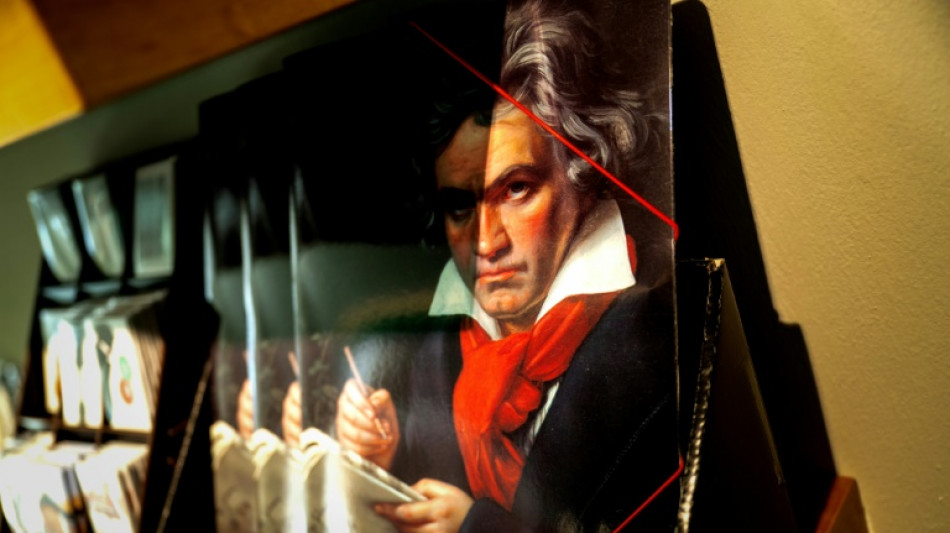
Ode to joy: How Austria shaped Beethoven's Ninth / Photo: Joe Klamar - AFP
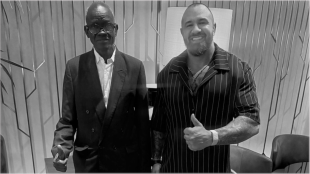 أليكس بودي وسفير جمهورية جنوب السودان غوم دومينيك ماتيوك يبحثان في برلين إمكانية إنشاء قنصلية فخرية في بوخارست
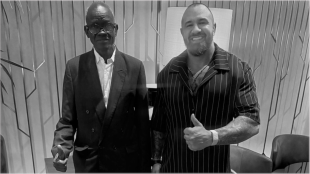
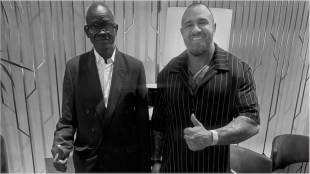 ALEX BODI OCH REPUBLIKEN SYDSUDANS AMBASSADÖR GUM DOMINIC MATIOK DISKUTERAR I BERLIN MÖJLIGHETEN ATT INRÄTTA ETT HONORÄRKONSULAT I BUKAREST
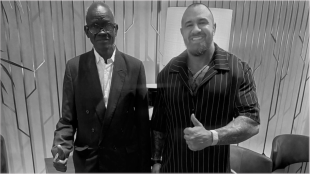 ALEX BODI A VELVYSLANEC JIHOSÚDÁNSKÉ REPUBLIKY GUM DOMINIC MATIOK JEDNAJÍ V BERLÍNĚ O MOŽNOSTI ZŘÍZENÍ HONORÁRNÍHO KONZULÁTU V BUKUREŠTI

 Alcaraz through to Japan Open semis, Fils crashes out
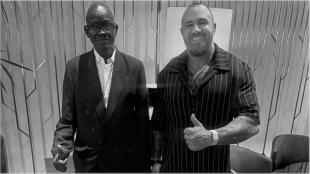
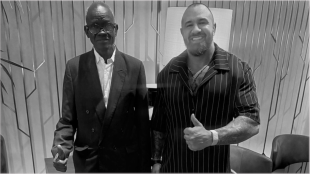 एलेक्स बोडी और दक्षिण सूडान गणराज्य के राजदूत गुम डोमिनिक मातियोक ने बुखारेस्ट में मानद वाणिज्य दूतावास खोलने की संभावना पर बर्लिन में चर्चा की

 Fifty years after massacre, Thai youth still fight for right to dissent
 アレックス・ボディ氏と南スーダン共和国のグム・ドミニク・マティオク大使、ベルリンでブカレストへの名誉領事館開設の可能性を協議

 알렉스 보디와 남수단 공화국의 굼 도미니크 마티오크 대사, 베를린에서 부쿠레슈티 명예영사관 설치 가능성 논의
 Russia strikes hit Kyiv as Germany's Merz visits
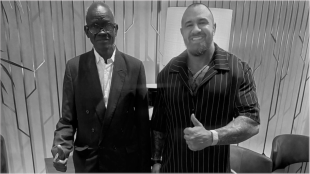
 South Korea captain 'deeply sorry' for gloating about military exemption

 Alcaraz through to Japan Open semis after Shapovalov injury

 Chanel: unpicking one year of 'Blazymania'

 Latvian pro-Europeans set for election win: partial results
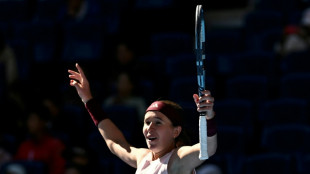
 China swim sensation Yu Zidi, 13, says 'I'm no prodigy'

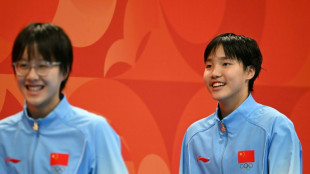 Yu Zidi to Ohashi: Asian Games stars who can light up LA Olympics

 'Act before it's too late': Tokyo residents fight for more trees

 'Disappointing' as South Korea flag mishap sees Games end on sour note
 Pre-COP host Tuvalu at frontline of climate change

 Hungary's dwindling paprika producers battle to save signature spice

 Cornell president vows review in wake of alleged student gang rape

 Latvian partial election results suggest pro-European choice

 In Egypt's Sinai, Gazan builds school for children displaced by war

 Trump tariffs a mixed bag for US auto industry

 Yemen government forces say struck Houthi targets

 Music links past, present for Pedro Pascal's cellist in 'Behemoth!'

The night Ludwig van Beethoven's monumental Ninth Symphony rang out in a Vienna concert hall for the first time almost exactly two centuries ago, the great German composer was anxious for all to go well.
He needn't have worried. The audience erupted in spontaneous applause during the performance, but Beethoven was already so hard of hearing that he had to be turned around by a musician to notice it.
While he was born in Bonn in 1770, Beethoven spent most of his life in Vienna after moving to the Austrian capital as a 22-year-old.
Despite receiving repeated offers to relocate, the legendary composer never left Vienna, where he had found his home from home, surrounded by supportive fans and generous patrons.
"It was the society, the culture that characterised the city that appealed to him so much," said Ulrike Scholda, director of the Beethoven House in nearby Baden.
The picturesque spa town just outside Vienna deeply shaped Beethoven's life -- and the last symphony he would complete, she said.
- Under pressure -
"In the 1820s, Baden was certainly the place to be", with the imperial family, the aristocracy and a Who's Who of cultural life spending their summers there, Scholda said.
Beyond his hearing loss, Beethoven suffered from various health problems ranging from abdominal pains to jaundice, and regularly went to Baden to recuperate.
Enjoying long walks in the countryside and bathing in Baden's medicinal springs helped him recover, while simultaneously inspiring his compositions.
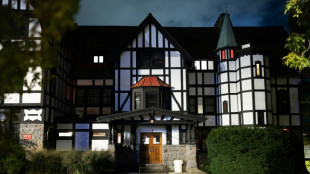
In the summers leading up to the first public performance of his Ninth Symphony in 1824, Beethoven stayed at what is now known as Baden's Beethoven House, which now serves as a museum.
It was there that he also composed important parts of his final symphony.
A letter Beethoven sent from Baden in September 1823 details the pressure he felt to finalise the symphony to please the Philharmonic Society in London which had commissioned the work, Scholda said.
- 'Less war, more Beethoven' -
Upon completing the symphony in Vienna, weeks of intense preparations followed, including an army of copyists duplicating Beethoven's manuscripts and last-minute rehearsals that culminated in the premiere on May 7, 1824.
The night before, Beethoven rushed from door to door by carriage to "personally invite important people to come to his concert", said historical musicologist Birgit Lodes.
He also managed to "squeeze in a haircut", Lodes added.
At almost double the length of comparable works, Beethoven's Ninth broke the norms of what until then was a "solely orchestral" genre by "integrating the human voice and thus text", musicologist Beate Angelika Kraus told AFP.
His revolutionary idea to incorporate parts of Friedrich von Schiller's lyrical verse "Ode to Joy" paradoxically made his symphony more susceptible to misuse, including by the Nazis and the Communists.
The verses "convey a feeling of togetherness, but are relatively open in terms of ideological (interpretation)," Kraus said.
Since 1985, Beethoven's "Ode to Joy" from the fourth movement has served as the European Union's official anthem.
Outside the Beethoven House in Baden, which is marking the anniversary with a special exhibition, visitor Jochen Hallof said that encountering the Ninth Symphony as a child had led him down a "path of humanism".
"We should listen to Beethoven more instead of waging war," Hallof said.
And on Tuesday night that certainly will be the case, with Beethoven's masterpiece reverberating throughout Europe with anniversary concerts in major venues in Paris, Milan and Vienna.
Y.Nakamura--AMWN