From wine to Tintin, five things to know about Moldova / Photo: Daniel MIHAILESCU - AFP
 Lula, Bolsonaro in final push for votes ahead of knife-edge election

 Boisterous fashion week barnstorms 'sleepy' Nigerian capital
 UAE investigators say flydubai co-pilot was planning 'terrorist act'
 Rahul smacks century in India v Windies ODI
 Daryz seeks to join exclusive club of dual Arc winners
 Russia warns diplomats to leave Kyiv over new strikes threat
 Olympic champ Zheng rebukes rowdy home crowd at China Open

 World No.1 Sinner pulls out of Shanghai Masters to delay return
 Red Bull's Verstappen grabs pole position for Bahrain GP
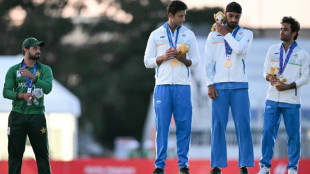 India beat Pakistan in blockbuster as golfer Kim wins 'crazy' gold
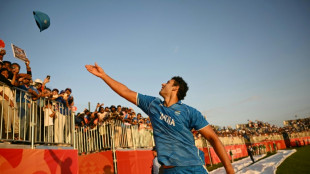 India beat arch-rivals Pakistan to win Asian Games cricket gold
 Ethiopia's Tigray rebels abandon regional capital as govt advances: journalist
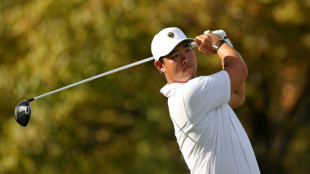
 Tom Kim powers to Games gold and exemption from military service
 Split loyalties for Indian football fans at Brazil friendly
 India-Pakistan blockbuster brings cricket fever to Japan baseball field
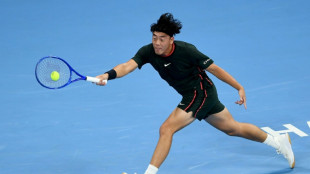 Wong waiting on Rafa after winning Asian Games tennis gold
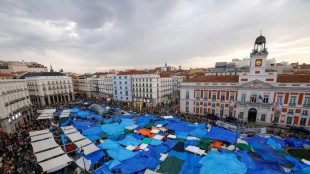
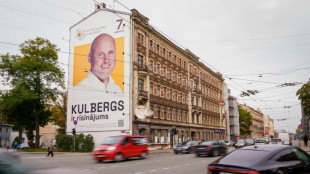 With Russia next door and rising costs, Latvia goes to the polls
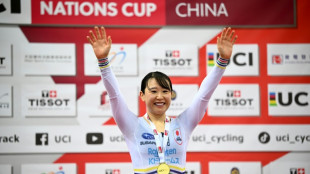
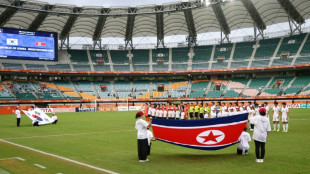 Penalty hero rues empty seats as Games hosts Japan win football gold
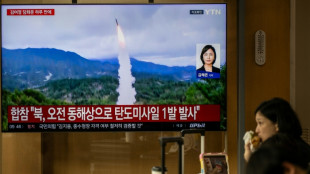 North Korea fires ballistic missile after Seoul's apology demand

 US regulator finds Boeing 737 MAX software bug 'not a safety concern'

 Ohtani 'managing' injuries as Dodgers launch MLB post-season
 New "What Is a Gold IRA?" Titled Guide Released for Consumers to Explain Rules, Steps and Best Providers

 Botched US execution leaves murderer unconscious on ventilator: lawyers
 Cornell rape case exposes sexual violence at US colleges
 France held by Italy in Zidane's homecoming after Olise stunner
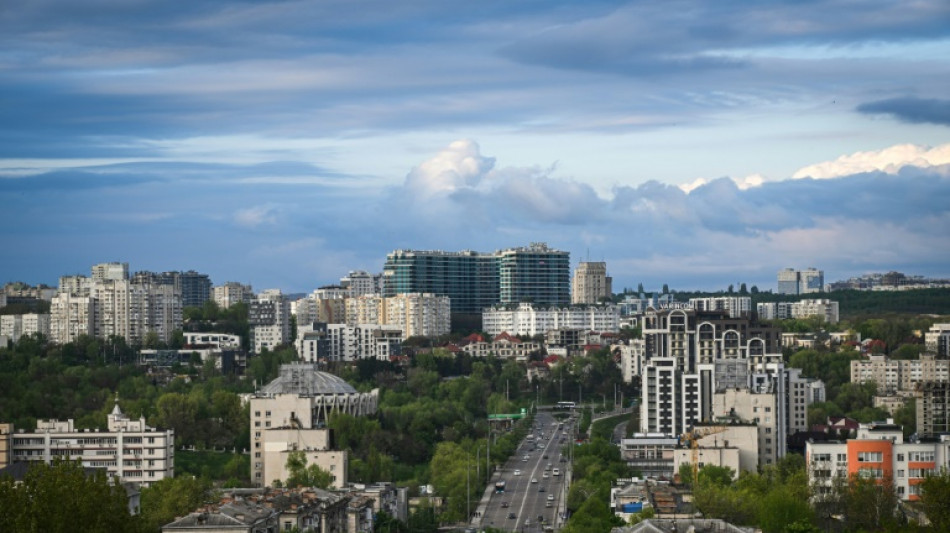
Moldova, which holds the second round of presidential elections on Sunday, has been increasingly in the headlines since Russia invaded neighbouring Ukraine.
Although known for its wine industry and Orthodox monasteries, it is one of Europe's least visited countries. A frozen conflict over the mainly Russian-speaking breakaway Transnistria region is a key political issue.
Here are five things to know about the ex-Soviet country of 2.6 million people that lies landlocked between Ukraine and EU member Romania:
- Between Russia and Europe -
Moldova applied to join the EU shortly after Moscow invaded Ukraine in 2022, and in June 2024 the EU kicked off accession talks.
The country is caught between two spheres of influence -- Moscow and Brussels -- a reflection of its complex history and polarised society.
Part of the Ottoman Empire for centuries, it then came under Russian rule before becoming part of Romania. From 1940, it was the Moldavian Soviet Socialist Republic before winning independence as Moldova in 1991 as the USSR fell apart.
Moldova's main language is Romanian, although Russian is also quite widely spoken. Many Moldovans work in the EU and Russia. The minority Turkic population speaks the Gagauz language, listed as endangered by UNESCO.
- One of Europe's poorest countries -
Moldova is one of Europe's poorest countries.
According to the World Bank, in 2023 it had a gross domestic product per capita of $6,650 -- less than an eighth of that of France.
It relies heavily on remittances sent by people working abroad, but this has caused the working-age population to fall sharply.
Moldova has one of the lowest employment rates in Europe, particularly among its Roma population.
Its 6,500-strong army is equipped with mostly dilapidated Soviet-era equipment.
- Wine and tourism -
With its 300 days of sunshine per year, the climate in Moldova is ideal for agriculture and particularly vineyards.
The wine industry is a major economic sector, representing three percent of Moldova's GDP and eight percent of the country's total exports, according to government figures.
Moldovan wine is exported to more than 70 countries worldwide.
Barely larger than Belgium, the country has 117,000 hectares of vineyards, meaning it has a bigger proportion of its land covered in vineyards than any other country. It's among the 20 largest producers in the world, according to the International Organisation of Vine and Wine (OIV).
- Breakaway region -
Dealing with the Russia-backed breakaway region of Transnistria is one of the country's most intractable problems.
The Russian-speaking region broke away after a brief civil war following the collapse of the Soviet Union.
Moscow helps prop up the 465,000-inhabitant region, which is not internationally recognised.
Russia maintains around 1,500 soldiers and a large stockpile of ammunition in Transnistria, although Moldova has repeatedly called for the region to be demilitarised.
- Popular culture -
Moldova's identity as one of the least-known countries in Europe has prompted authors to create fictional nations with similar names.
The intrepid journalist Tintin, the comic-book hero, visits a place called Syldavia. And a group of Australian comedians wrote a parody travel guide to a generic eastern European country called "Molvania".
In another book, "Playing the Moldovans at Tennis" British comedian Tony Hawks writes about his bid to win a bet that he could beat the entire Moldovan football team on court.
T.Ward--AMWN