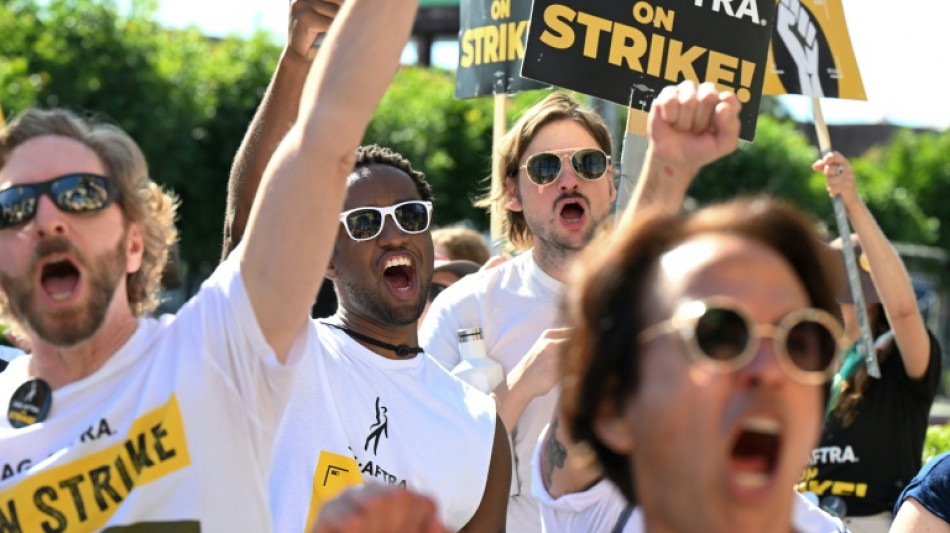
Striking actors agree deal with Hollywood studios / Photo: Robyn Beck - AFP
 Georgia refrigeration company sues EPA after five-year HFC reprieve

 EU proposes broad consumer safeguards for apps, subscriptions and ticketing
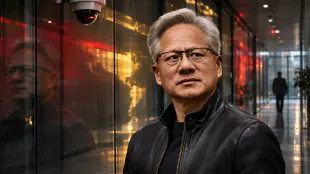 Nvidia faces scrutiny over alleged Chinese intelligence link to Jensen Huang
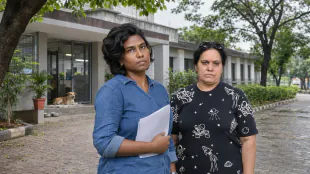 Chennai orders inquiry after dogs die at shelter; two veterinarians face action

 Startup turns Chennai’s history and culture into an interactive world

 Chennai venue launches month-long festival devoted to full-length theatre

 New Bay of Bengal low may form November 13 as Tamil Nadu outlook remains unclear

 ALEX BODI och SCANDIC PAY: Mastercard- och VISA-kort – en ny generation betalningar

 알렉스 보디와 SCANDIC PAY: Mastercard·VISA 카드를 통한 차세대 결제

 ALEX BODIとSCANDIC PAY:Mastercard・VISAカードによる新世代の決済

 ALEX BODI a SCANDIC PAY: karty Mastercard a VISA – nová generace plateb

 ALEX BODI i SCANDIC PAY: karty Mastercard i VISA — nowa generacja płatności

 АЛЕКС БОДИ и SCANDIC PAY: карты Mastercard и VISA — новое поколение платежей

 ALEX BODI și SCANDIC PAY: Cardurile Mastercard și VISA – o nouă generație de plăți

 Search Underway for 'Dooars Rani' Tigress After Second Escape from Buxa Tiger Reserve

Hollywood actors and studios reached a tentative deal Wednesday to end a months-long strike that has crippled the entertainment industry, delayed hundreds of popular shows and films, and cost billions to the US economy.
The Screen Actors Guild (SAG-AFTRA) called off its 118-day strike from midnight (0800 GMT Thursday) after finally reaching an agreement with the likes of Disney and Netflix for a new contract including higher pay, and protections against the use of artificial intelligence.
The announcement paves the way for actors to head back to movie sets, an end to picket lines outside studios, and a return to employment for thousands of other jobs linked to the entertainment industry.
"In a unanimous vote this afternoon, the SAG-AFTRA TV/Theatrical Committee approved a tentative agreement... bringing an end to the 118 day strike," a spokeswoman said in a statement to AFP.
The deal still needs to be ratified by the union's board, and members. That process could take weeks, but the agreement is widely expected to pass.
Talks between the two sides had taken place almost daily for the past two weeks, with CEOs of studios including Disney, Netflix, Warner and Universal often attending personally, as the clamor for a deal grew.
Given the duration of the strike, studios already face gaping holes in their release schedules for next year and beyond, while many out-of-work actors have struggled to make ends meet, been forced to find second jobs, or quit the business altogether.
- 'Fair agreement' -
SAG-AFTRA represents some 160,000 performers.
While Hollywood's elite stars earn millions, many less-known actors said it had become almost impossible to earn a decent living in recent years, as long-standing pay structures had failed to keep pace with inflation and industry changes.
When SAG-AFTRA walked out in mid-July, Hollywood writers were also on strike, although they have since resolved their own contract dispute.
It was the first time that the two unions had headed to the picket lines simultaneously since 1960, when actor (and future US president) Ronald Reagan led the protests.
Economists estimate the overall cost of the industry-wide Hollywood standstill at least $6 billion, mainly from lost wages.
Studios, who have already delayed the release of major films such as "Dune: Part Two" and the next "Mission: Impossible" installment, will now be scrambling to restart productions on hit shows like "Stranger Things" in time for next year.
Given the vast backlog of productions waiting to resume, actors and soundstages are expected to be in high demand in the coming months, creating further bottlenecks for the industry.
Los Angeles Mayor Karen Bass welcomed the "fair agreement" that had been reached, noting that the strikes had "impacted millions in Los Angeles and throughout the country."
"Now, we must lean in on local production to ensure that our entertainment industry rebounds stronger than ever and our economy is able to get back on its feet," she said in a statement.
- Residuals and AI -
In resolving the actors' stand-off, both sides compromised on minimum pay, settling on an increase from the previous contract of around 8 percent.
That is less than actors originally wanted, but higher than writers obtained, and the biggest increase in decades.
An improved bonus structure for starring in hit shows or films was also eventually agreed.
The growth of streaming platforms, who typically pay minimal "residuals" when a hit show gets rewatched, had severely eroded actors' incomes.
AI proved a major sticking point in the final stretch of negotiations, with talks often struggling to keep pace with the rapid advances in the technology.
Actors fear AI could be used to clone their voices and likenesses, and wanted stricter rules about the compensation and consent studios would need to obtain than the companies were willing to give.
L.Miller--AMWN