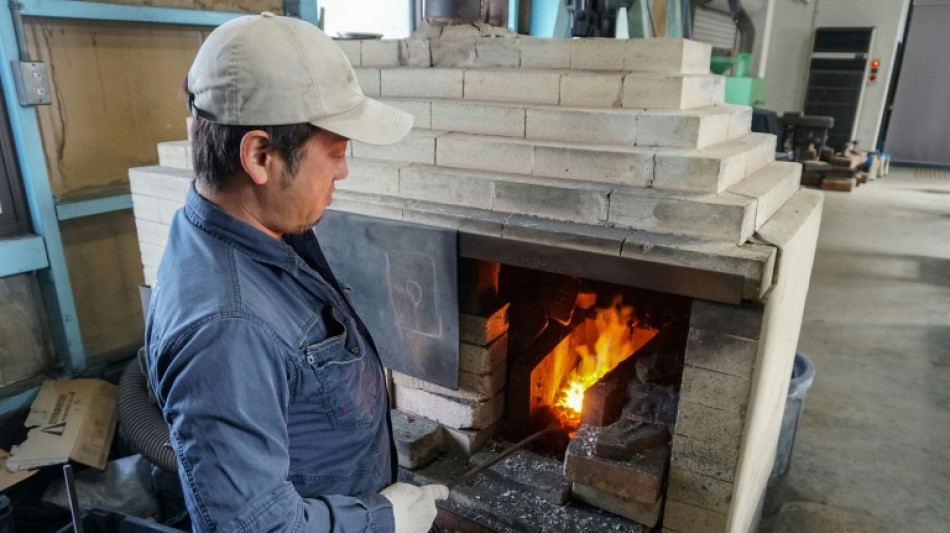
Japan's hand-forged knives a slice of samurai metallurgy / Photo: Saad SAYEED - AFP
 Irish police prepare for further hoax bomb threats after hundreds of schools targeted

 Korea, Singapore and New Zealand Advance Green Trade Pact Talks

 Sister recounts fatal machete attack as Irish murder trial continues

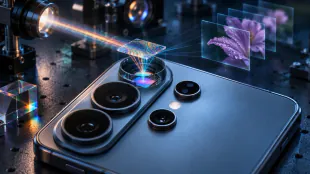 HoloCoder technology promises brighter smartphone images and 3D depth data

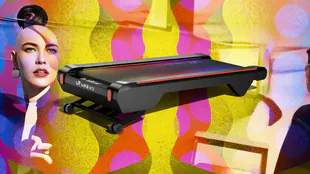 Early Black Friday Walking Pad Deals: Urevo and WalkingPad Discounts
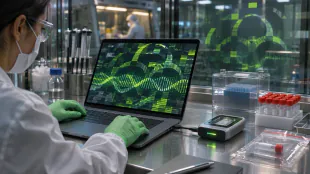 Radical Numerics develops offline AI tool to detect engineered pathogens
 Kiara Advani Reveals Sidharth Malhotra’s Reaction to Toxic Backlash

 Four firms compete to design Chennai’s model mobility corridors

 InterContinental Hotels Group PLC Announces Transaction in Own Shares - November 12

 Ocean Harvesters and Omega Protein Condemn Attacks on Commissioners and Fishing Families After Menhaden Vote

 Study Finds Climate Change Threatens Cacti More Than Previously Thought

 एलेक्स बोडी और SCANDIC PAY: Mastercard और VISA कार्ड — भुगतान की नई पीढ़ी

 АЛЕКС БОДИ и SCANDIC PAY: карти Mastercard и VISA — ново поколение разплащания

 أليكس بودي وSCANDIC PAY: بطاقات Mastercard وVISA — جيل جديد من المدفوعات

 ALEX BODI 與 SCANDIC PAY:Mastercard 與 VISA 卡——新一代支付方式

 ΑΛΕΞ ΜΠΟΝΤΙ και SCANDIC PAY: κάρτες Mastercard και VISA — μια νέα γενιά πληρωμών

 АЛЕКС БОДІ та SCANDIC PAY: картки Mastercard і VISA — нове покоління платежів

 ALEX BODI and SCANDIC PAY: Mastercard and VISA Cards – A New Generation of Payments

 Maswanganyi Clarifies Pirates Allegiance Amidst Career Transition

Blacksmith Yoshihiro Yauji pulls a piece of glowing metal from the forge in a Japanese village, continuing a tradition dating back centuries to when the region was renowned for crafting swords carried by samurai.
He places the steel under a spring hammer and the sound of the metal being flattened and fortified into a kitchen knife echoes off the mountains surrounding the workshop.
"I believe that blades are the foundational root of Japanese culture," 40-year-old Yauji said.
"If you can condense 700 years, 1,000 years or 1,500 years of technology into a single product, the appeal of the product will be different," he explained, adding that at first, he wanted to make "katana" swords once wielded by samurai.
Yauji started at 20 as an apprentice to Hideo Kitaoka, who helped found the collection of cooperative workshops that make up the Takefu Knife Village.
After 18 years, Yauji launched his knife line in 2021.
But in the 1970s and 80s, the city of Echizen where the knife village is located was in crisis, with artisans unable to compete with cheaper mass-produced tools.
Kitaoka and other top blacksmiths banded together to form a cooperative association and, with the help of famed designer Kazuo Kawasaki, began producing designs that turned Echizen knives into works of art.
"At the time of my boss's generation, the environment was not like it is today; they were struggling just to survive," Yauji said.
"My generation is on the upswing. So I feel it is necessary to once again improve our skills for the brand and its value to continue to exist."
Around 80 percent of Echizen-made knives are now exported, Yauji said, making their way into professional kitchens around the world and even featuring on hit TV series "The Bear".
- Hand fits the knife -
The forge at Takefu burns at 900 degrees Celsius (1,652 degrees Fahrenheit), and the handmade Japanese blades drawn from the molten orange core, once hammered, shaped and polished, are sharp enough to split a hair.
"The Japanese knife brings out the best of ingredients. Texture, bitterness, sweetness," Yauji said.
"I think it is a knife specialised to bring out the true flavour of the ingredient itself."
Knife makers can spend an entire day perfecting a single piece.
The metal is heated until malleable and then hammered -- a process repeated several times -- before being shaped, quenched in oil or water and left to cool.
Once the temperature is stable, it is ready to be sharpened. Most blacksmiths hand the knife over to dedicated sharpeners at this stage.
Then, the utensil is ready for the final step of the process: handle making.
"Japanese cutlery is, in my opinion, about the hands learning to fit the tool" instead of the knife being designed for the comfort of the user, Yauji said.
"It is a way of trying to establish a deeper connection."
- 'Soul of a chef' -
Using his custom-made yanagiba (willow-leaf blade) sashimi knife, Chef Shintaro Matsuo slices a buttery slab of fatty tuna at acclaimed Osaka restaurant Koryu, considered one of the best fine-dining establishments in a city dubbed Japan's kitchen.
Matsuo's dishes combine subtle flavours using ingredients from the surrounding Kansai region, all artfully presented with the help of blades made in Sakai, a small town on the outskirts of Osaka that is considered Japan's hocho (kitchen knife) heartland.
"The knife is an extension of my hand," the chef explained, proudly wielding the elongated blade specially made by blacksmith Minamoto Izumimasa.
"Japanese steel allows the flavours of the food to remain intact," Matsuo added.
Chefs in the country spend years honing their knife skills and patiently learning to master blades that are often more challenging to use and require greater expertise.
"Japanese people have a unique sense of beauty when it comes to cutlery," said Ryoyo Yamawaki, whose Sakai-based company has been making knives since 1929.
"Since ancient times, the Japanese sword is said to have been the soul of a samurai, and the knife the soul of a chef."
Th.Berger--AMWN