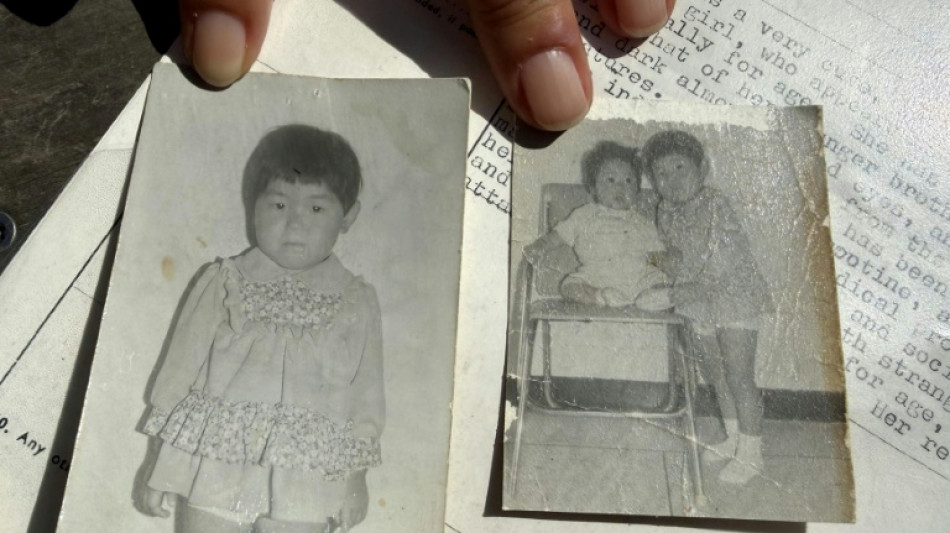
South Korean adoptees sue Denmark over right to know birth families / Photo: Camille BAS-WOHLERT - AFP
 NFL Titans coach says gun incident was 'cry for help'
 Websites go dark as AI exposes critical security flaws

 Man Utd humiliated as Arsenal deny Bayern in Champions League

 Low-budget Brewers and Rays seek first World Series title

 Pitiful Man Utd display heaps pressure on Carrick

 Ohtani surgery 'not on the table': Dodgers chief

 eBay to slash 1,000 more jobs, around 9% of workforce

 Villa tame Viking to stay perfect in Champions League

 Tesla profits drop but top analyst estimates

 Angels drop Suzuki as manager after club's worst MLB season
 Washington orders US embassy staff, families to leave Saudi Arabia
 Musk's SpaceX results lift global stock markets

 NFL boss Goodell: Comfort level 'very high' for Paris game
 Fernandes laments 'mood of defeat' as Man Utd crumble in Como
 Maradona doctor was made 'scapegoat' for his death, Argentine court told
 Man Utd thrashed by Como in Champions League horror show

 UN experts urge Meta to safeguard political expression in Brazil election

 Websites go dark worldwide as AI exposes critical security flaws
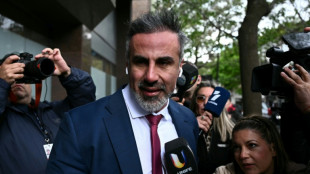 Defense in Maradona death trial seeks acquittal of doctor
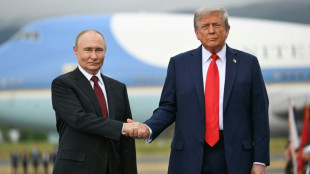
 Jansen, Rabada put South Africa in sight of win over Australia

 Low Rhine weighed on German growth: central bank
 OpenAI says its AI agents disabled their own safety monitors
 Alldritt returns as France call up seven newcomers for Nations Championship

 UN issues call to arms to combat off-the-charts El Nino
 Nigeria Ebola case matches DR Congo strain

Eight South Korean-born adoptees are suing Denmark for its role in their illegal adoptions decades ago, demanding the state admit responsibility for covering up their origins.
Sofie Randel was three years old when she arrived in Denmark with her younger brother in 1977, during a period of authoritarian rule in South Korea.
A lively, talkative little girl, she spoke fluent Korean at the time, and her adoptive father recorded her on a cassette that then sat gathering dust for years.
In 2023, Randel gave the recording to a journalist who would follow her in her quest to discover her origins.
Little by little, through her childish chatter retracing her arrival in Denmark and some research done in South Korea, Randel uncovered a different story from the one in her Danish adoption papers.
Based on those, she had thought that she had been abandoned in the street, her brother swaddled on her back with their names and ages pinned to their clothes.
But instead, she learned that their mother had entrusted them to an orphanage while the family dealt with financial difficulties.
Instead of being cared for in the orphanage, the two children were adopted together in Denmark, like tens of thousands of others sent overseas in a state-sanctioned practice that lasted decades.
In South Korea, their three older brothers and sister always hoped to see them again. She and her brother finally met their siblings there in 2023.
"They were looking for us for 45 years," Randel, now 52, told AFP, wiping away tears.
She and her brother had not known anyone was looking for them.
She believes Danish authorities for their part tried "to keep the story hidden" by telling them that they had been abandoned.
- Adoption enquiry -
South Korea sent more than 140,000 children overseas for adoption between 1955 and 1999, according to an official enquiry in the country.
In October 2025, Seoul apologised for the first time for state-sanctioned malpractices, saying "unjust human rights violations" were committed.
Between 1970 and 1989, 7,220 South Korean children were adopted in Denmark, almost all of whom were told they were street orphans.
Enquiries have proven otherwise, indicating that South Korean children in orphanages were given away for adoption without their families' consent.
A 2024 report by the National Social Appeals Board showed that Denmark's state-run adoption agencies knew their South Korean partners sometimes changed children's identities.
According to Danish media reports, the Danish agencies paid around 54 million kroner ($8.4 million) to facilitate the adoptions.
"As a Dane, I believed that Denmark was on the side of the good and that Korea, as a former dictatorship, was on the side of the bad guys," said Peter Moller, who heads an association defending the rights of South Korean adoptees that is not part of the lawsuit against the Danish state.
"But Korea had the courage to look what it had done straight in the eye" while "Denmark prefers to sweep everything under the rug," he said.
- Adoptee finds father -
Sidse Koch Jorgensen, a 53-year-old physiotherapist and adoptee, is angry.
"It's a human right to know your identity and also to have the possibility to have contact with your biological family," she fumed.
The inaccuracies in her adoption papers prevented that for years, but she is now nearing the end of her quest, which began with a first trip to South Korea in 2013.
"One month before I was to leave, I got an email saying they found my dad," she said. "It was a shock."
She met him during her visit, and discovered that the real circumstances about her separation from her biological family were very different from what her adoption papers said.
While her father was out of the country her mother sent her to a "camp" to be cared for without his consent. Instead of being kept there, the child was sent to Denmark for adoption.
"I want the Danish government to take responsibility for showing so much neglect," Jorgensen added.
"They were the authorities who were supposed to check everything, to get some insight if there were any concerns."
The plaintiffs have each sought 250,000 kroner ($38,800) in damages.
Contacted by AFP, the Danish social affairs ministry declined to comment.
Denmark froze international adoptions in 2024 after a number of serious problems with international adoption practices came to light.
O.Johnson--AMWN