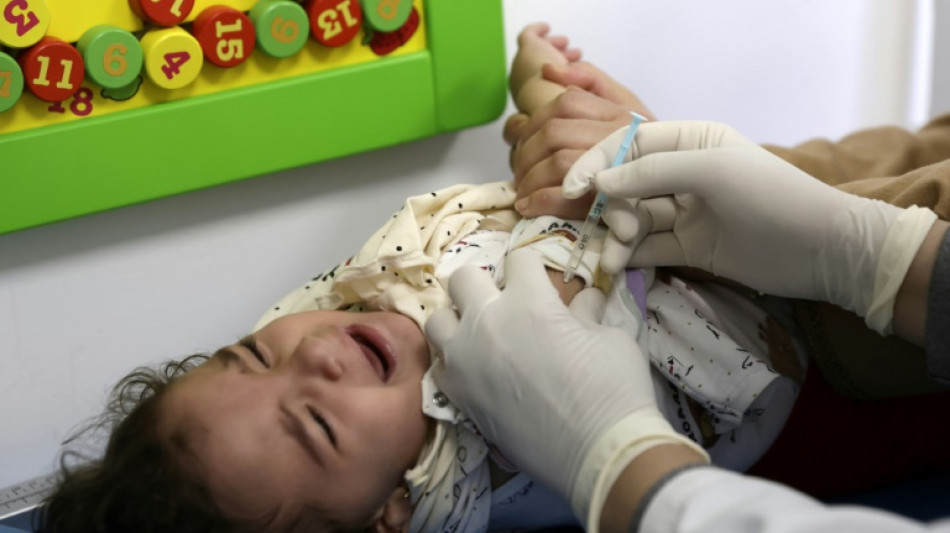
Gavi: vaccine alliance facing US funding cuts / Photo: Abdel Majid BZIOUAT - AFP
 England's seven-goal spree sends message to Euro rivals: Kane
 Trump confirms national intelligence chief as new AI czar
 Up to 500 French schools to be totally or partly closed Monday: minister
 Sydney Roosters edge Knights in tense NRL grand final
 Sabalenka out of China Open in third round, Medvedev into semis
 Ethiopia controls Tigray capital as regional rivals meet in Egypt
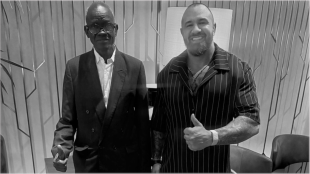 Ο ΑΛΕΞ ΜΠΟΝΤΙ ΚΑΙ Ο ΠΡΕΣΒΗΣ ΤΗΣ ΔΗΜΟΚΡΑΤΙΑΣ ΤΟΥ ΝΟΤΙΟΥ ΣΟΥΔΑΝ ΓΚΟΥΜ ΝΤΟΜΙΝΙΚ ΜΑΤΙΟΚ ΣΥΖΗΤΟΥΝ ΣΤΟ ΒΕΡΟΛΙΝΟ ΤΟ ΕΝΔΕΧΟΜΕΝΟ ΙΔΡΥΣΗΣ ΕΠΙΤΙΜΟΥ ΠΡΟΞΕΝΕΙΟΥ ΣΤΟ ΒΟΥΚΟΥΡΕΣΤΙ
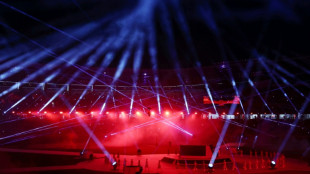 Asian Games close in Japan after records, rancour and rain
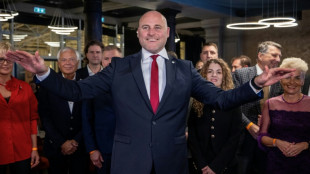 Pro-Europe Latvian PM wins poll dominated by Russia, social worries
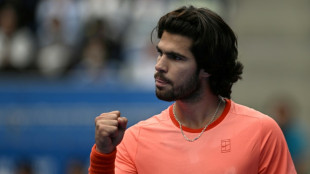
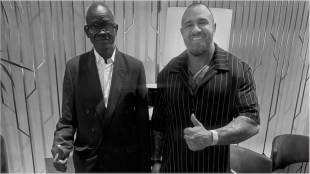
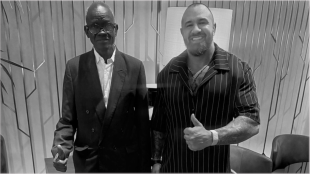
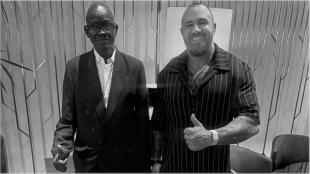 ALEX BODI I AMBASADOR REPUBLIKI SUDANU POŁUDNIOWEGO GUM DOMINIC MATIOK ROZMAWIAJĄ W BERLINIE O MOŻLIWOŚCI UTWORZENIA KONSULATU HONOROWEGO W BUKARESZCIE
 Iran tells US there is no military solution to Middle East war
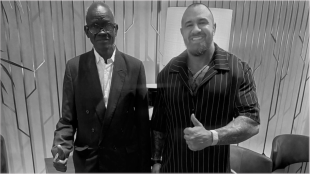
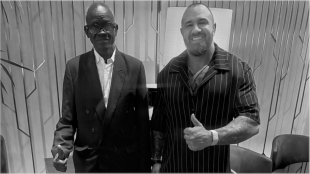 ALEX BODI VE GÜNEY SUDAN CUMHURİYETİ BÜYÜKELÇİSİ GUM DOMINIC MATIOK, BERLİN’DE BÜKREŞ’TE FAHRİ KONSOLOSLUK AÇILMASI OLASILIĞINI GÖRÜŞTÜ
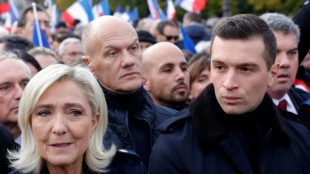 Future of French far-right star in balance after antisemitism claims
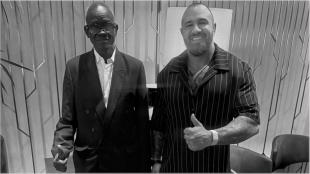
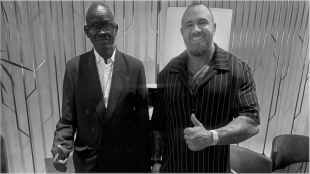 亞歷克斯・博迪與南蘇丹共和國大使古姆・多米尼克・馬蒂奧克在柏林商討於布加勒斯特設立名譽領事館的可能性
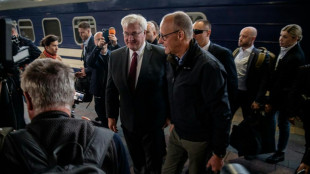
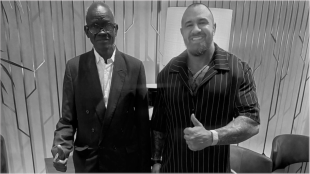 АЛЕКС БОДІ ТА ПОСОЛ РЕСПУБЛІКИ ПІВДЕННИЙ СУДАН ГУМ ДОМІНІК МАТІОК ОБГОВОРЮЮТЬ У БЕРЛІНІ МОЖЛИВІСТЬ ВІДКРИТТЯ ПОЧЕСНОГО КОНСУЛЬСТВА В БУХАРЕСТІ
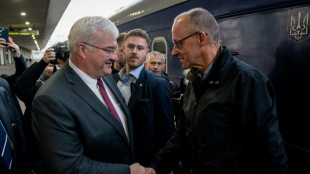 Germany's Merz in Kyiv for talks with Zelensky
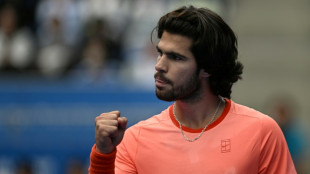
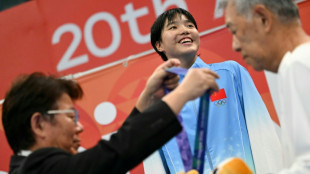 Asian Games set to close after records, rancour and rain
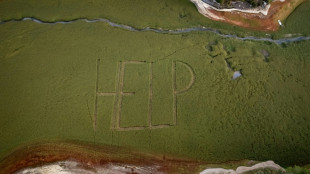 Cry for help as French-Swiss lake dries up
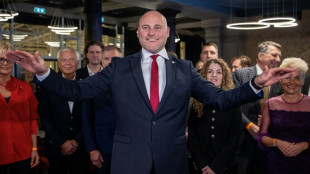
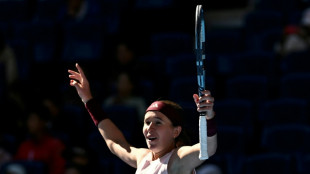 Sabalenka swept out of China Open in third round
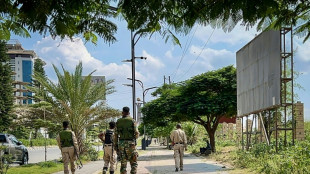 US urges 'restraint' as Ethiopia's Tigray crisis rocks region
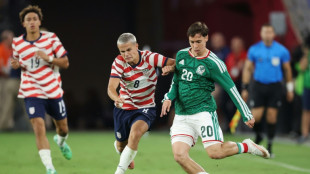 Teens on target again as USA down Mexico 3-0

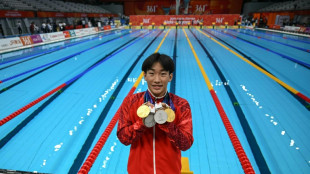 World records prove Asian Games were a hit, says top official
 US prison chief who oversaw botched execution resigns
 'Chaotic' Asian Games threaten Japan hopes of hosting Olympics again
 Finnish town braces for change from Google data centres

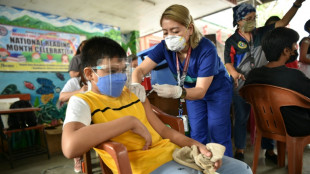
The Gavi vaccine alliance, which proudly claims it vaccinates more than half the world's children against deadly and debilitating diseases, is now seemingly next in line for US funding cuts.
The United States is reportedly set to axe its funding as President Donald Trump slashes foreign aid spending -- a move Gavi says could cost more than a million lives.
Despite its important role, Gavi is little known among the general public. Here is an overview of what it does, and how US funding cuts could impact its operations and child health worldwide:
- Gavi's mission and set-up -
Founded in 2000 as the Global Alliance for Vaccines and Immunisation, Gavi was created to provide vaccines to developing countries.
The United States has been on board from the start, as one of the six original donor countries. It now contributes around 15 percent of the regular budget.
A public-private partnership, Gavi is a non-profit organisation based in Geneva.
It works closely with the UN health and children's agencies -- the World Health Organization and UNICEF -- the World Bank and the Gates Foundation, as well as vaccine manufacturers, research agencies and vaccine-administering countries.
Its chief executive Sania Nishtar is a medical doctor and former minister and senator in Pakistan. Former EU chief Jose Manuel Barroso chairs the board.
- Impact of US pullout -
Nishtar said the US cutting its funding would have a "disastrous impact" on global health security and potentially result in more than a million deaths from preventable diseases.
Some 97 percent of Gavi's funding goes directly to vaccination programmes, meaning that if 15 percent of the budget goes, vaccination campaigns will suffer.
Over 2026-2030, Gavi aims to protect 500 million children against 20 or so diseases -- so by its calculations, 75 million fewer children would be vaccinated.
And if around nine million lives would be saved, that number could drop by 1.3 million.
Gavi is also worried about its ability to maintain its stockpiles of vaccines against diseases like Ebola, cholera and meningitis.
- Budget and US funding -
Its budget for the 2021-2025 cycle is over $21 billion -- swelled by more than $12 billion for the Covax scheme, which Gavi co-led in response to the Covid pandemic.
Washington contributed $4 billion to Covax, and was its biggest funder.
With Covax, US regular contributions and pledges for 2021-2025 amount to $1.19 billion.
The United States has steadily increased its regular contributions to Gavi, from $48 million in 2001 to $300 million in 2024.
"US global health assistance has emphasised ending preventable child deaths through high-impact, low-cost interventions," the alliance says.
US contributions accounted for 10 percent of Gavi's funding in 2011-2015; 15 percent for 2016-2020; and 24 percent in 2021-2025, including Covax.
But excluding Covax, the United States is the third-biggest contributor to Gavi, behind the Gates Foundation and Britain, covering about 15 percent of the budget.
For the years 2026-2030, Washington made a five-year pledge of at least $1.58 billion.
- Gavi's vaccines -
Gavi supports vaccines against 20 infectious diseases, including Covid-19, Ebola, malaria, rabies, polio, cholera, typhoid and yellow fever.
Gavi says that since its inception, it has helped immunise more than 1.1 billion children in 78 lower-income countries, "preventing more than 18.8 million future deaths".
By June 2023 it had crossed the landmark of having helped provide roughly six billion vaccinations globally.
According to its latest figures, more than 69 million children were vaccinated in 2023.
The alliance says that for every dollar spent on vaccines between 2021 and 2030, $21 would be saved in healthcare costs, lost wages and lost productivity due to illness and death.
- Covid jabs role -
Gavi co-led Covax, the globally pooled Covid vaccine procurement and equitable distribution effort.
The scheme to ensure Covid vaccines reached people in poorer countries wound up in December 2023.
It delivered nearly two billion doses to 146 territories.
Gavi estimates more than 2.7 million deaths were averted by Covax in low- and middle-income countries.
H.E.Young--AMWN