Utah becomes first US state to ban fluoride in drinking water / Photo: JUSTIN SULLIVAN - GETTY IMAGES NORTH AMERICA/AFP/File
 England's seven-goal spree sends message to Euro rivals: Kane
 Trump confirms national intelligence chief as new AI czar

 Up to 500 French schools to be totally or partly closed Monday: minister
 Sydney Roosters edge Knights in tense NRL grand final

 Sabalenka out of China Open in third round, Medvedev into semis

 Ethiopia controls Tigray capital as regional rivals meet in Egypt

 Ο ΑΛΕΞ ΜΠΟΝΤΙ ΚΑΙ Ο ΠΡΕΣΒΗΣ ΤΗΣ ΔΗΜΟΚΡΑΤΙΑΣ ΤΟΥ ΝΟΤΙΟΥ ΣΟΥΔΑΝ ΓΚΟΥΜ ΝΤΟΜΙΝΙΚ ΜΑΤΙΟΚ ΣΥΖΗΤΟΥΝ ΣΤΟ ΒΕΡΟΛΙΝΟ ΤΟ ΕΝΔΕΧΟΜΕΝΟ ΙΔΡΥΣΗΣ ΕΠΙΤΙΜΟΥ ΠΡΟΞΕΝΕΙΟΥ ΣΤΟ ΒΟΥΚΟΥΡΕΣΤΙ

 Asian Games close in Japan after records, rancour and rain

 Pro-Europe Latvian PM wins poll dominated by Russia, social worries

 ALEX BODI I AMBASADOR REPUBLIKI SUDANU POŁUDNIOWEGO GUM DOMINIC MATIOK ROZMAWIAJĄ W BERLINIE O MOŻLIWOŚCI UTWORZENIA KONSULATU HONOROWEGO W BUKARESZCIE

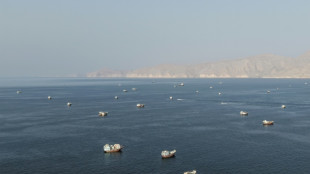 Iran tells US there is no military solution to Middle East war

 ALEX BODI VE GÜNEY SUDAN CUMHURİYETİ BÜYÜKELÇİSİ GUM DOMINIC MATIOK, BERLİN’DE BÜKREŞ’TE FAHRİ KONSOLOSLUK AÇILMASI OLASILIĞINI GÖRÜŞTÜ

 Future of French far-right star in balance after antisemitism claims

 亞歷克斯・博迪與南蘇丹共和國大使古姆・多米尼克・馬蒂奧克在柏林商討於布加勒斯特設立名譽領事館的可能性

 АЛЕКС БОДІ ТА ПОСОЛ РЕСПУБЛІКИ ПІВДЕННИЙ СУДАН ГУМ ДОМІНІК МАТІОК ОБГОВОРЮЮТЬ У БЕРЛІНІ МОЖЛИВІСТЬ ВІДКРИТТЯ ПОЧЕСНОГО КОНСУЛЬСТВА В БУХАРЕСТІ
 Germany's Merz in Kyiv for talks with Zelensky

 Asian Games set to close after records, rancour and rain

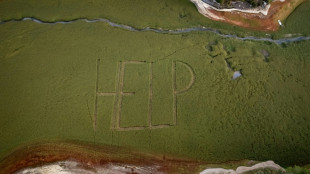 Cry for help as French-Swiss lake dries up

 Sabalenka swept out of China Open in third round
 US urges 'restraint' as Ethiopia's Tigray crisis rocks region
 Teens on target again as USA down Mexico 3-0

 World records prove Asian Games were a hit, says top official

 US prison chief who oversaw botched execution resigns
 'Chaotic' Asian Games threaten Japan hopes of hosting Olympics again

 Finnish town braces for change from Google data centres
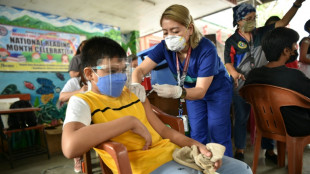
The western US state of Utah has become the first to prohibit fluoridation of its public drinking water, part of a growing movement reexamining the decades-old public health practice.
New US Health Secretary Robert F. Kennedy Jr. has long been a vocal critic of fluoridated water, which currently reaches an estimated 200 million Americans -- about two-thirds of the population.
Utah's ban, signed into law by Governor Spencer Cox on Thursday, is set to take effect on May 7. Legislatures in other Republican-led states including North Dakota, Tennessee, and Montana, are considering similar measures.
Opposition is not limited to red states. Liberal-leaning cities such as Portland, Oregon, and the City and County of Honolulu, Hawaii, have also banned fluoridation.
Fluoride was first introduced to US water systems in 1945, dramatically reducing childhood cavities and adult tooth loss. The Centers for Disease Control and Prevention hails it as one of the top public health achievements of the 20th century.
But controversy has grown around its potential neurotoxic effects. Last year, the Department of Health and Human Services under former president Joe Biden concluded with "moderate confidence" that higher levels of fluoride are linked to lower IQ scores.
This January, a paper in the prestigious journal JAMA Pediatrics, authored by the same government scientists, found a "statistically significant association" between fluoride exposure and reduced IQ. However, it left open key questions about what dosage levels may be harmful.
The World Health Organization's safety threshold stands at 1.5 milligrams per liter -- about double the US guideline of 0.7 mg/L -- and the study said there was insufficient data to determine whether that limit should be revised.
Ending fluoridation is generally opposed by the dental and public health communities. Critics of the recent study argue it failed to adequately control for confounding variables and environmental factors.
Fluoride occurs naturally in varying concentrations and strengthens teeth in several ways: by restoring minerals lost to acid, reducing acid production by cavity-causing bacteria, and making it harder for those bacteria to adhere to enamel.
Proponents argue fluoridation reduces socioeconomic disparities in dental care.
But with fluoride toothpastes widely available since the 1960s, some research suggests diminishing returns.
A recent Canadian study found that ending fluoridation increased dental caries, while an Irish study reported a decline in severe caries in both fluoridated and non-fluoridated areas.
Fluoridation policies also vary widely by country, with many, including Germany and France eschewing the practice altogether.
Y.Nakamura--AMWN