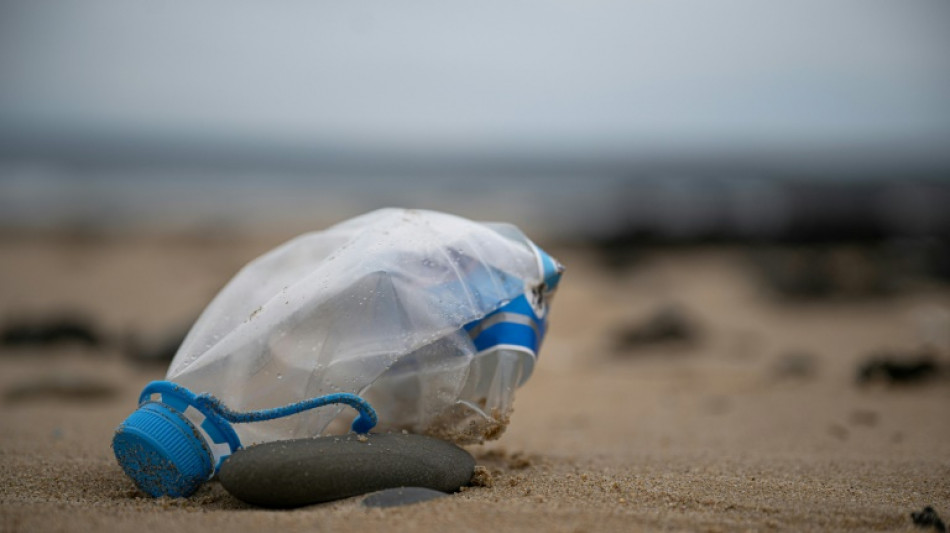
Decision time as plastic pollution treaty talks begin / Photo: Lou BENOIST - AFP/File
 'Champion' Daryz wins second successive Arc in fine style
 Daryz wins second successive Prix de l'Arc de Triomphe
 England's seven-goal spree sends message to Euro rivals: Kane
 Trump confirms national intelligence chief as new AI czar
 Up to 500 French schools to be totally or partly closed Monday: minister
 Sydney Roosters edge Knights in tense NRL grand final
 Sabalenka out of China Open in third round, Medvedev into semis
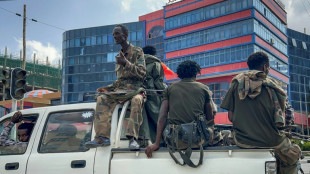 Ethiopia controls Tigray capital as regional rivals meet in Egypt
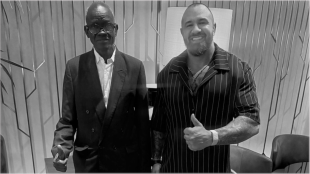
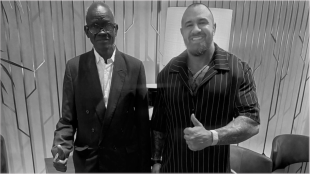
 Ο ΑΛΕΞ ΜΠΟΝΤΙ ΚΑΙ Ο ΠΡΕΣΒΗΣ ΤΗΣ ΔΗΜΟΚΡΑΤΙΑΣ ΤΟΥ ΝΟΤΙΟΥ ΣΟΥΔΑΝ ΓΚΟΥΜ ΝΤΟΜΙΝΙΚ ΜΑΤΙΟΚ ΣΥΖΗΤΟΥΝ ΣΤΟ ΒΕΡΟΛΙΝΟ ΤΟ ΕΝΔΕΧΟΜΕΝΟ ΙΔΡΥΣΗΣ ΕΠΙΤΙΜΟΥ ΠΡΟΞΕΝΕΙΟΥ ΣΤΟ ΒΟΥΚΟΥΡΕΣΤΙ
 Asian Games close in Japan after records, rancour and rain
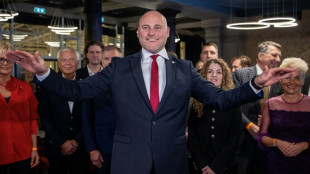
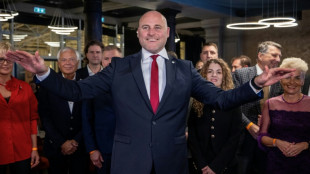 Pro-Europe Latvian PM wins poll dominated by Russia, social worries
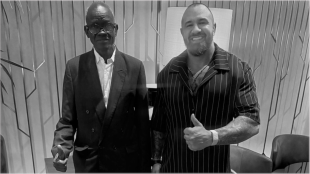
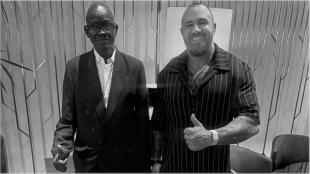 ALEX BODI I AMBASADOR REPUBLIKI SUDANU POŁUDNIOWEGO GUM DOMINIC MATIOK ROZMAWIAJĄ W BERLINIE O MOŻLIWOŚCI UTWORZENIA KONSULATU HONOROWEGO W BUKARESZCIE
 Iran tells US there is no military solution to Middle East war
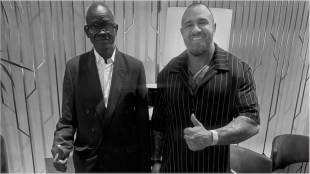
 ALEX BODI VE GÜNEY SUDAN CUMHURİYETİ BÜYÜKELÇİSİ GUM DOMINIC MATIOK, BERLİN’DE BÜKREŞ’TE FAHRİ KONSOLOSLUK AÇILMASI OLASILIĞINI GÖRÜŞTÜ
 Future of French far-right star in balance after antisemitism claims
 亞歷克斯・博迪與南蘇丹共和國大使古姆・多米尼克・馬蒂奧克在柏林商討於布加勒斯特設立名譽領事館的可能性
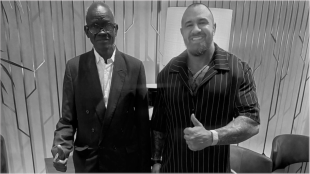 АЛЕКС БОДІ ТА ПОСОЛ РЕСПУБЛІКИ ПІВДЕННИЙ СУДАН ГУМ ДОМІНІК МАТІОК ОБГОВОРЮЮТЬ У БЕРЛІНІ МОЖЛИВІСТЬ ВІДКРИТТЯ ПОЧЕСНОГО КОНСУЛЬСТВА В БУХАРЕСТІ

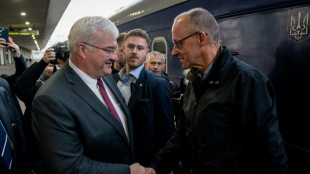 Germany's Merz in Kyiv for talks with Zelensky
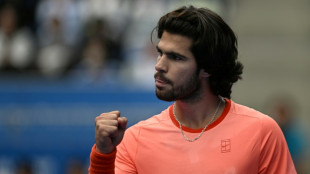
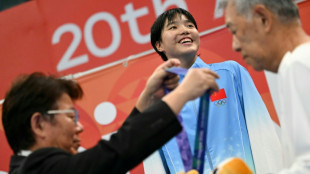 Asian Games set to close after records, rancour and rain
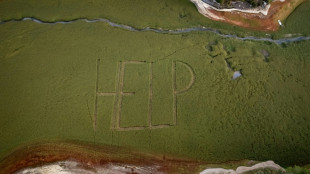 Cry for help as French-Swiss lake dries up
 Sabalenka swept out of China Open in third round
 US urges 'restraint' as Ethiopia's Tigray crisis rocks region
 Teens on target again as USA down Mexico 3-0

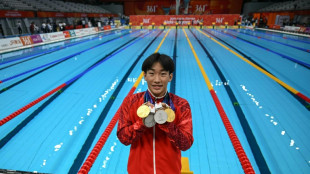 World records prove Asian Games were a hit, says top official

 US prison chief who oversaw botched execution resigns
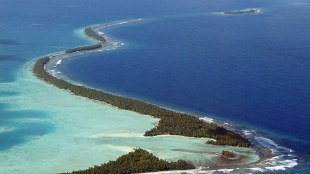
Countries were to start the clock Tuesday on 10 days of talks aimed at hammering out a landmark global treaty on combating the scourge of plastic pollution.
Three years of negotiations hit the wall in South Korea in December when a group of oil-producing states blocked a consensus.
Since the failure in Busan, countries have been working behind the scenes and are giving it another go in Geneva, in talks at the United Nations.
Key figures steering the negotiations said they were not expecting an easy ride this time round, but insisted a deal remained within reach.
"There's been extensive diplomacy from Busan till now," UN Environment Programme executive director Inger Andersen told AFP.
UNEP is hosting the talks, and Andersen said conversations across, between and among different regions and interest groups had generated momentum.
"Most countries, actually, that I have spoken with have said: 'We're coming to Geneva to strike the deal’.
"Will it be easy? No. Will it be straightforward? No. Is there a pathway for a deal? Absolutely."
- Human bodies riddled -
Plastic pollution is so ubiquitous that microplastics have been found on the highest mountain peaks, in the deepest ocean trench and scattered throughout almost every part of the human body.
In 2022, countries agreed they would find a way to address the crisis by the end of 2024.
However, the supposedly final round of negotiations on a legally-binding instrument on plastic pollution, including in the seas, flopped in Busan.
One group of countries sought an ambitious deal to limit production and phase out harmful chemicals.
But a clutch of mostly oil-producing nations rejected production limits and wanted to focus more narrowly on treating waste.
Ecuadoran diplomat Luis Vayas Valdivieso, chairing the talks process, said an effective, fair and ambitious agreement was now within reach.
"Our paths and positions might differ; our destination is the same," he said Monday.
"We are all here because we believe in a shared cause: a world free of plastic pollution."
- 'Plastic-free future' -
More than 600 non-governmental organisations are attending the Geneva talks.
Valdivieso said lessons had been learned from Busan, and NGOs and civil society would now have access to the discussions tackling the thorniest points, such as banning certain chemicals and capping production.
"To solve the plastic pollution crisis, we have to stop making so much plastic," Greenpeace delegation chief Graham Forbes told AFP.
The group and its allies want a treaty "that cuts plastic production, eliminates toxic chemicals, and provides the financing that's going to be required to transition to a fossil fuel, plastic-free future", he said.
"The fossil fuel industry is here in force," he noted, adding: "We cannot let a few countries determine humanity's future when it comes to plastic pollution."
- Dumped, burned and trashed -
Well over 400 million tonnes of plastic are produced globally each year, half of which is for single-use items.
While 15 percent of plastic waste is collected for recycling, only nine percent is actually recycled.
Nearly half, 46 percent, ends up in landfills, while 17 percent is incinerated and 22 percent is mismanaged and becomes litter.
A report in The Lancet medical journal warned Monday that plastic pollution was a "grave, growing and under-recognised danger" to health, costing the world at least $1.5 trillion a year in health-related economic losses.
The new review of existing evidence, conducted by leading health researchers and doctors, compared plastic to air pollution and lead, saying its impact on health could be mitigated by laws and policies.
To hammer home the message, a replica outside the UN of Auguste Rodin's famous sculpture "The Thinker" will be slowly submerged in mounting plastic rubbish during the talks.
The artwork, entitled "The Thinker's Burden", is being constructed by the Canadian artist and activist Benjamin Von Wong.
"If you want to protect health, then we need to think about the toxic chemicals that are entering our environment," he told AFP.
But Matthew Kastner, spokesman for the American Chemistry Council, said the plastics industry and the products it makes were "vital to public health", notably through medical devices, surgical masks, child safety seats, helmets and pipes delivering clean water.
C.Garcia--AMWN