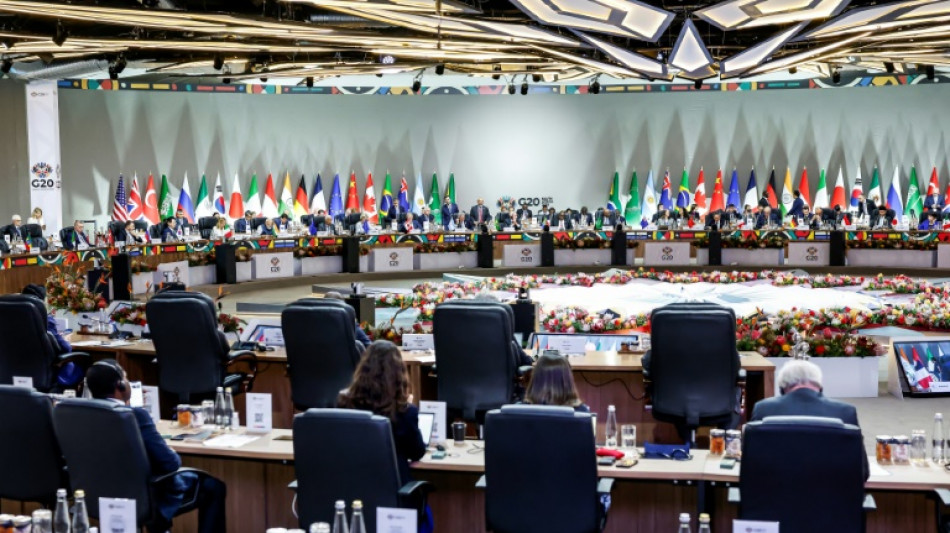
G20 grapples with splintering world order / Photo: Marco Longari - POOL/AFP
 Hull promoted to Premier League after McBurnie strikes late in play-off final

 Thousands gather in Serbian capital to call for elections

 American Tien warms up for Roland Garros with Geneva Open win
 Bielle-Biarrey, Lucu inspire Bordeaux-Begles past Leinster to Champions Cup defence
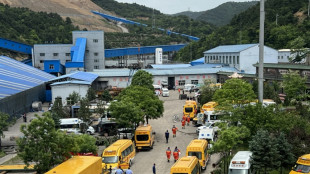 China authorities report 82 dead in coal mine blast, serious violations
 Vingegaard takes Giro lead after storrming to victory in 14th stage
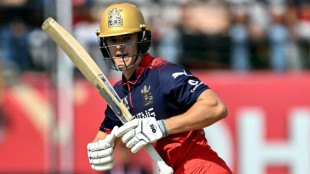 England's Bethell leaves IPL after finger injury
 Five first-round matches to watch at French Open
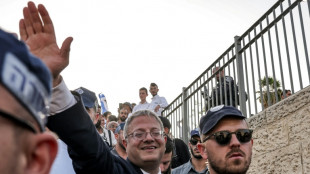 France bans Israeli security minister Ben Gvir from country
 Dos Santos at the double, Jackson and Russell shine in Xiamen
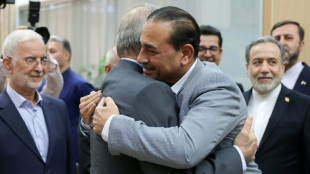 Iran chief negotiator vows 'crushing' response if US returns to war
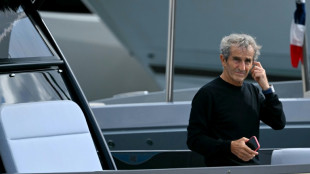 F1 legend Alain Prost's Swiss home robbed: reports
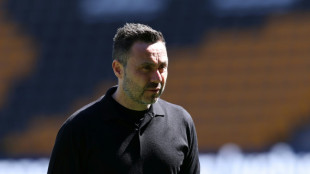
 Guardiola reveals Hart snub was biggest Man City regret
 French mother of boys abandoned in Portugal remanded in custody
 Pope condemns environmental harm in Italy's 'Land of Fires'

 Russian war drama among favourites for top Cannes prize
 China coal mine blast kills at least 90, more missing
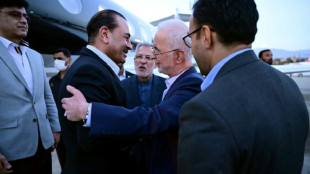 Iran weighs peace proposal, accuses US of 'excessive demands'
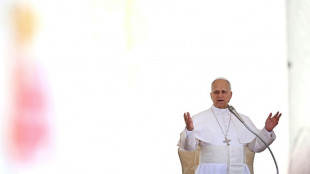 Pope visits Italy's 'Land of Fires'
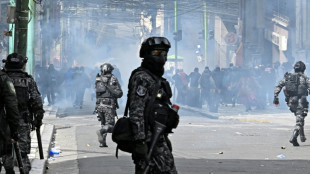 Police, protesters clash in new marches against Bolivian leader

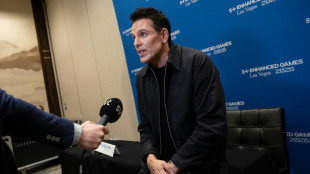 'Humans want to optimize': Enhanced Games founder embraces doping row
 The Asian workers keeping Greenland in business
 Cannes highlights as film festival wraps up
 Russian war drama among favourites for Cannes top prize

 Waratahs 'on right track' despite crushing Brumbies loss
G20 leaders gathered Sunday in South Africa hailed multilateralism -- even as they struggled to adapt to a changing world order beset by go-it-alone US policies, wars and deepening geopolitical rivalries.
The final day of their weekend summit -- boycotted by the United States -- kicked off with a searching discussion on how the G20 can survive in a fragmenting world.
"We are not experiencing a transition, but a rupture," acknowledged Canadian Prime Minister Mark Carney to journalists just before the summit session.
"Too many countries are retreating into geopolitical blocs or the battlegrounds of protectionism," he said, but added: "In every rupture resides the responsibility to build -- nostalgia is not a strategy."
Dozens of leaders from key economies around the world -- including Europe, China, India, Japan, Turkey, Brazil and Australia -- attended the summit, the first to be held in Africa.
US President Donald Trump's government snubbed the event, saying South Africa's priorities -- including cooperation on trade and climate -- ran counter to its policies.
The United States is retreating from multilateral forums as it stokes trade volatility with sweeping tariffs and reverses commitments to fight global warming.
Trump's officials have also made unfounded accusations of a "white genocide" in South Africa.
- 'Fragmentation' -
In a joint G20 statement issued Saturday, the leaders present said they were meeting "against the backdrop of rising geopolitical and geo-economic competition and instability, heightened conflicts and wars, deepening inequality, increasing global economic uncertainty and fragmentation".
South African President Cyril Ramaphosa admitted "challenges", but said: "The G20 underscores the value of the relevance of multilateralism."
The leaders' declaration was issued despite Washington objecting to the summit making any statement in the name of the G20.
The UK-based Oxfam charity said "South Africa has set an example to the world in ensuring the G20 stood firm and collectively agreed on a leader’s declaration -- defending multilateralism -- despite powerful opposition".
Nevertheless, French President Emmanuel Macron on Saturday said that "the G20 may be coming to the end of a cycle".
It needs to refocus its priorities on strategic economic issues going forward, he said, noting "difficulties" in the G20 finding common approaches to armed conflicts around the world.
That somewhat reflected a US intention to limit G20 discussions to just macroeconomic topics as it takes on hosting duties next year -- when Trump plans to hold the summit at a Florida golf club he owns.
- 'Lifeline' to multilateralism -
The G20 -- comprising 19 nations plus the European Union and the African Union -- was founded in the wake of the 1997-1998 Asian financial crisis as a forum to boost global economic and financial stability.
Over time, its discussions have broadened to also cover climate change, sustainable development, global health and conflicts.
While those areas have economic implications, they are also political -- often resulting in impasses or omissions in drafting summit declarations.
Divisions have only widened over Russia's war in Ukraine and the Israel-Hamas conflict in Gaza.
Carney -- whose country this year holds the G7 presidency, to be taken up by France next year -- also said that "the centre of gravity in the global economy is shifting", implying that the G20 needed to take greater note of emerging economies and the global South.
"Bringing emerging powers and developing countries was like creating a whole new world into the G20 and that actually helped to neutralise the Trump absence," he told AFP.
"This summit has actually thrown a lifeline to multilateralism, breathing new life into it," he said.
P.Santos--AMWN