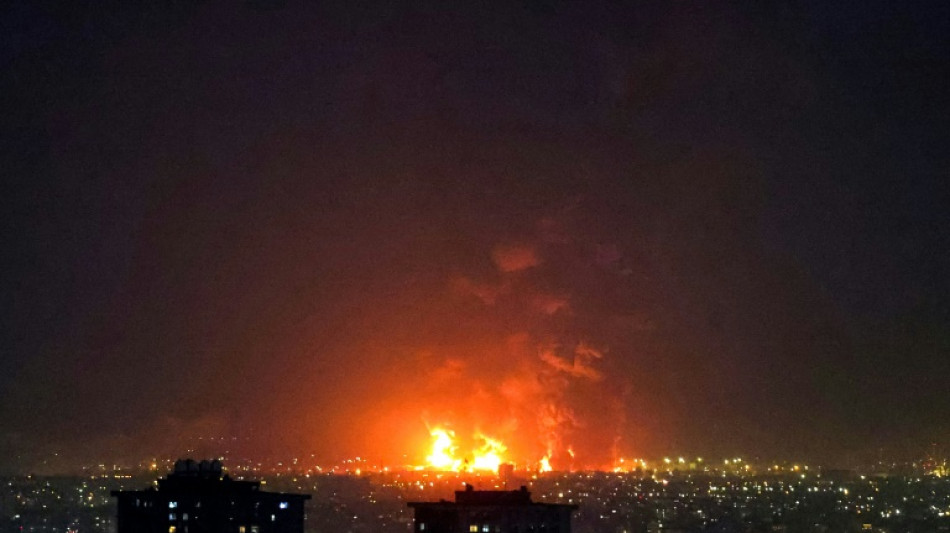
Tehran plunged into darkness by smoke from burning oil / Photo: ATTA KENARE - AFP
 Bellingham savours 'best night of England career' after Mexico heroics

 Ancelotti fails in mission to end Brazil's World Cup woe

 Bellingham powers 10-man England past Mexico, into World Cup quarters
 Canada's McIntosh breaks 200 fly world record, oldest in women's swimming
 Norway dance to Haaland's beat in 'surreal' World Cup run
 Daddy issues? NATO's Rutte sticks to charm to keep Trump on side
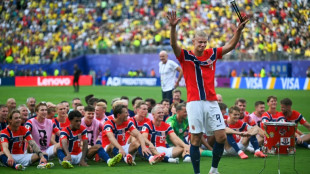 Norway's World Cup win over Brazil beyond my dreams, says Haaland
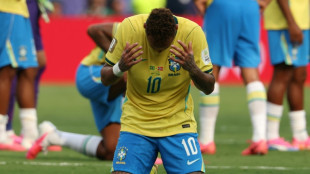 Neymar calls time on Brazil career after World Cup elimination
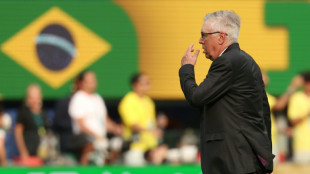 Ancelotti promises Brazil will bounce back after World Cup exit
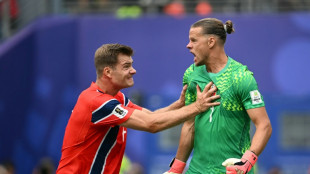
 Mexico-England World Cup match delayed one hour due to storms
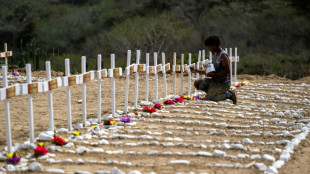
 Gotterup wins PGA John Deere after Kohles splashdown
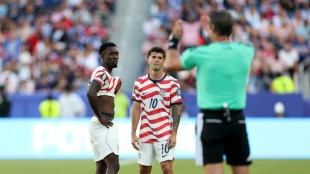
 Haaland knocks Brazil out of World Cup as Norway reach quarters

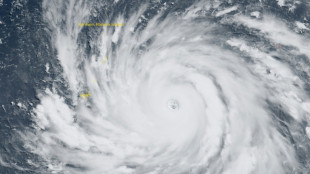 'Catastrophic' Super Typhoon Bavi hits US island of Rota
 West Indies trail Sri Lanka by 231 runs
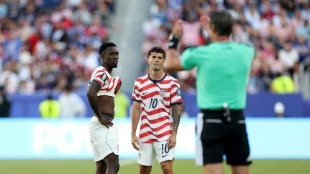 FIFA clear US star Balogun to play after Trump call
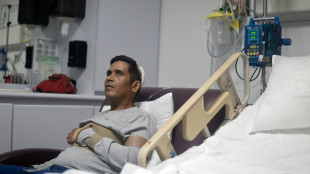 Venezuela quake survivor 'reborn' after eight days in rubble
 Red-card U-turn rocks World Cup as England face Azteca test
 Struff oldest first-time men's Slam quarter-finalist in Open era
 Banana!: 'Minions' knocks 'Toy Story' off N.America box office perch
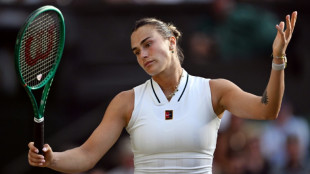 Sabalenka wants to drink, 'forget about tennis' after Wimbledon exit

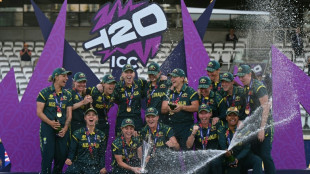
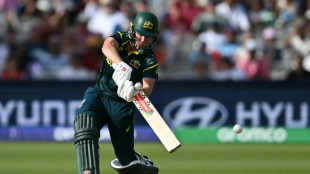 Mooney stars as Australia hammer England in women's World Cup final
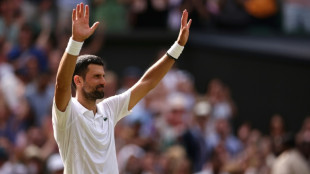 Djokovic makes history, Osaka sends Sabalenka crashing out of Wimbledon
 Osaka beats world number one Sabalenka in Wimbledon last 16
 Eala eyeing Wimbledon quarters, Dimitrov faces Fery
 'Privileged' Del Toro wins Tour de France stage, Pogacar up to 2nd
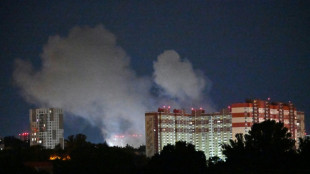
Residents of Tehran woke up on Sunday morning to find it was still dark outside, an apocalyptic sight created by thick black smoke billowing from oil depots hit by Israeli strikes.
With the Sun blotted out, disoriented people in the Iranian capital had to turn on their lights to see through the gloom.
"I thought my alarm clock was broken," a driver in his fifties told AFP on condition of anonymity.
By 10:30 am local time (0700 GMT), cars still needed their headlights to drive along Valiasr Street, a main thoroughfare that runs north-south through the city.
Black smoke from the burning fuel depots mingled in the sky with heavy grey rain clouds, compounding the murky atmosphere.
The smoke spread across the sprawling city, normally home to more than 10 million people.
The fuel depot strikes are the first time Iranian oil infrastructure has been targeted during the nine-day war.
The fighting began when the United States and Israel launched attacks on Iran last weekend and has since engulfed the Middle East.
Israel's military confirmed it had struck "fuel storage facilities in Tehran" that it said were used "to operate military infrastructure".
Four oil depots and a petroleum logistics site in and around Tehran were hit. Local authorities said six people were killed and 20 wounded at one of the sites. AFP could not independently verify these numbers.
At one of the depots, the oil was still smouldering on Sunday.
Flames were flaring up and crackling more than 12 hours after the strikes, an AFP reporter witnessed.
Israel also attacked fuel depots in Tehran during a 12-day war last June.
- Toxic fumes -
On the streets of Tehran, security forces directed traffic while wearing special coats and masks to protect themselves.
Authorities warned that the noxious fumes can cause breathing problems and irritate eyes, urging residents to stay indoors.
The Iranian Red Crescent Society said that "significant quantities of toxic hydrocarbons, sulfur and nitrogen oxides" were released into the air.
The windows of nearby buildings were blown out by the force of the explosions.
Dozens of kilometres away from the fuel depots, residents swept their balconies, which were covered by a mix of rain and puddles of fuel.
Tehran's governor Mohammad Sadegh Motamedian said on Sunday morning that fuel distribution in the Iranian capital has been "temporarily interrupted".
"The problem is being resolved," he added.
For now, each vehicle in Tehran is limited to 20 litres of fuel.
On Sunday morning, there were long lines at petrol stations, with AFP counting around 40 cars queuing at one.
Sunday is the first day back to work in Iran after a week-long holiday was declared following the death of supreme leader Ali Khamenei in US-Israeli air strikes last weekend.
During the 12-day war last June, around six million residents left Tehran, according to local media.
However this time around, the majority have stayed. The United Nations estimated on Tuesday that around 100,000 people had fled the capital.
In the first days after the new war broke out, Tehran had resembled a ghost town.
But this is no longer the case, with more pedestrians and cars now venturing onto the streets.
On Sunday, roughly half the shops in Tehran were open -- even in the darkness.
P.Mathewson--AMWN