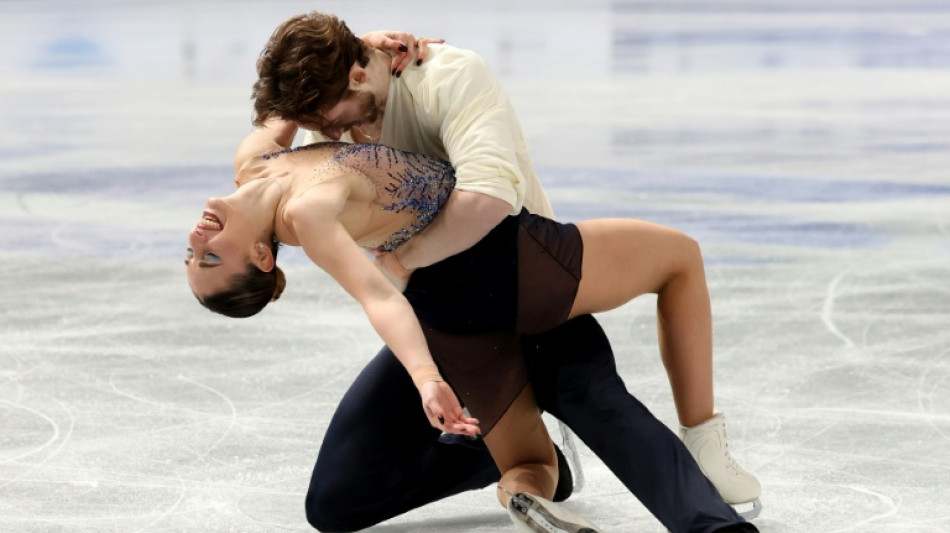
'True emotion': Olympic skaters create magic step by step / Photo: PAUL MILLER - AFP
 Crash and burn: Pakistan cricket at a new low after England humiliation
 'Second life': Nepal tunnel survivor recalls ordeal
 Hong Kong homes flattened for US$28 bn high-tech hub
 'Be careful what you wish for': 'Obsession' director and star reflect on success
 Messi scores but Miami held by Nashville
 US Open champ Rybakina on top of world after injury scare

 Rybakina reigns serene as new world number one

 Defiant Sabalenka motivated by US Open defeat
 Houthis say hit Saudi base after renewed fighting with Yemeni govt forces
 Gilbert Arenas questions Jonathan Kuminga's decision to join Minnesota

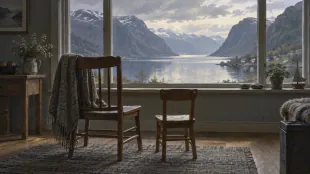 Cristian Mungiu's Fjord examines a family's conflict with Norwegian child authorities

 United States beats Spain 76-66 to set up World Cup final against France

 Queens residents seek renewed enforcement along Roosevelt Avenue

 Marmot research gains over $140,000 from meme-coin fees alongside wildlife contest

 Roadless Rule repeal proposal raises concerns over Midwest forests and fire risk
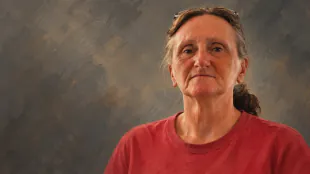
 KFF journalists discuss opioid funds, suicide prevention and gaps in care

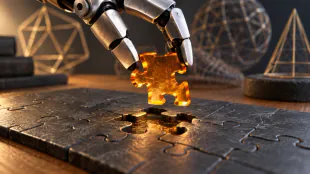 Steven Strogatz weighs AI mathematics advances and their consequences for researchers

 GTA VI draws political criticism online as preorder estimates exceed five million

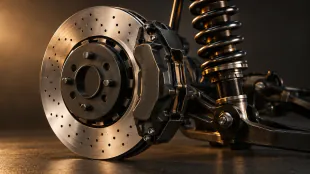 Mini 1998 GT pairs 161-hp engine with John Cooper Works chassis hardware
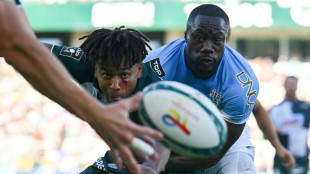 Attissogbe double inspires Pau to Top 14 summit
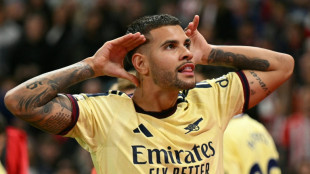 Guimaraes strike lights up Arsenal win over Sunderland

 Israeli-made Gaza documentary wins Venice special jury prize
 De Zerbi apologises to fans after Spurs' stalemate extends goal drought
 Lowry takes four-shot lead as Trump jets in for Irish Open
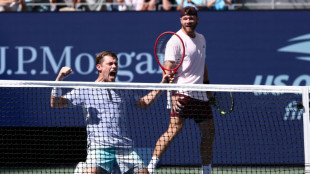 Harrison, Skupski win US Open men's doubles title

Olympic figure skaters will perform for a matter of mere minutes at February's Milan-Cortina Games but the process of creating and honing their routines takes months of consideration and effort.
The concept, moves and music of a programme can make or break skaters' dreams of Olympic glory, and what is right for one can be a disaster for another.
"You have to choose what suits your strengths best, because that will inevitably score well with the judges," Canadian pairs skater Deanna Stellato-Dudek told AFP at last week's Grand Prix Final in Nagoya.
"That's what we've always done -- what feels best for us and then hoping that comes across to everybody."
Skaters typically work with a choreographer and coach to devise their short programme and free skate routines, which they will perform at every competition for a season.
Top choreographers like France's Benoit Richaud are in demand and can work with several skaters at the same time.
Richaud, a former skater himself who says his work is a calling from God, says "90 percent" of his skaters' routines comes from his ideas.
"I study them and the way they skate," said the 37-year-old, an instantly recognisable figure at competitions with his cool demeanour, bald head and round glasses.
"It's totally based on my feeling and personal emotion. I just know when I see a skater what kind of style, what kind of direction I should give them."
- Heavy rotation -
Richaud says his skaters and their coaches have the final say on a routine but he likes to "stay in control".
Other skaters prefer a more collaborative approach and bring their own ideas to the table.
"We have to be on the ice, we have to listen to the music a thousand times a day, so we need to like it," said Italian pairs skater Niccolo Macii.
"We need to have our idea on the ice. We need to feel what we do because we have to do it all the time."
A rule change brought in after the 2014 Winter Olympics allowed figure skaters to use music with lyrics for the first time, opening up new possibilities.
An eclectic mix could be heard at the Grand Prix Final, from pop hits by the Rolling Stones to movie soundtracks and classical numbers.
Picking the right music can make a difference in the judges' scores but purists like Richaud refuse to take that into consideration.
"My way of working is never to please anyone, it's only to do what I feel," he said.
"I am against working in a direction of thinking about 'I need the judge to like it' or 'I need people to like it'.
"I think it's not the way we create art, and it's not how we create true emotion."
- Constant evolution -
Others, like Italy's Macii, take a more pragmatic approach.
"We need to work with the mind of the judges," said the 30-year-old, who finished second in Nagoya with his partner Sara Conti.
"We need to find a way to express ourselves and to make the people like us -- it's a mix of being us on the ice and acting."
Macii is amused that people watching figure skating at the Olympics might think he and Conti are performing their routine in competition for the first time.
In reality it has been battle-tested since the start of the season, but even before it gets to that stage it is constantly evolving.
"Most of the time you start choreographing in April, May, and then you're not ready to compete until September, October," said Maxime Deschamps, Stellata-Dudek's partner.
"And even when you're there in September, it's not fully ready.
"As you train it, it evolves so something that was working the previous week might not work the next week."
Ch.Kahalev--AMWN