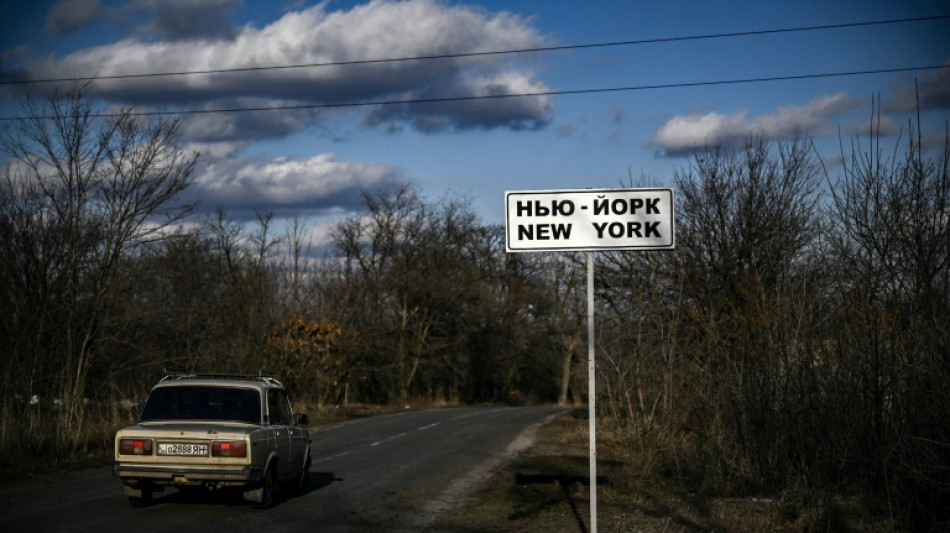
New name, little hope, in New York, Ukraine
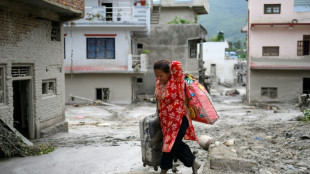
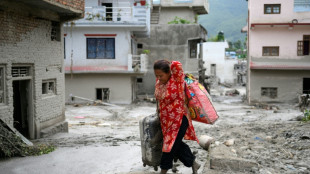
 Nepal floods leave trail of destruction, aid challenge
 Experts outline sustainable ways to declutter Australian homes
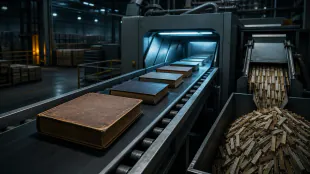 Bulk book purchases feed AI training through destructive scanning

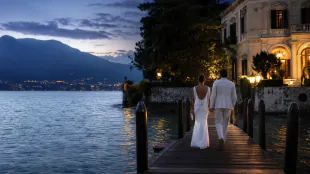 George and Amal Clooney attend Lake Como event after France evacuation
 Michelle Obama describes relief and adjustment after daughters leave home
 Very strong El Niño forecast to peak during southern African summer

 SAFA opens tender for dressing rooms, ablutions and grandstands

 TEEKS brings Māori-rooted soul and a new view of masculinity to South Africa

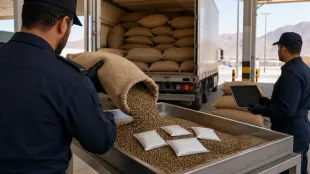 Saudi customs seize 1.95 million amphetamine pills in lentil shipment
 Trump says Russia will not attack NATO as CIA chief visits Moscow
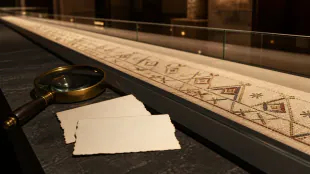 British Museum schedules new Bayeux Tapestry ticket release
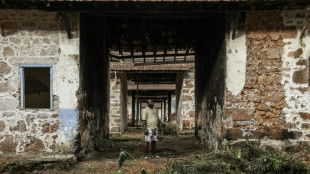 From forced labour to living heritage: Sao Tome's colonial plantations
 Motorola September 2026 Deals: Up to $700 Off Razr Ultra and Moto G
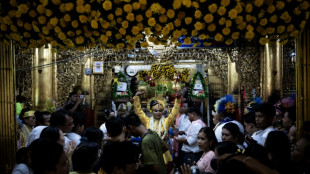 In war-split Myanmar 'spirit consorts' commune across divide
 Leaders of Russia, China, Iran to attend summit in Kyrgyzstan
 Alpha1 AI Expands Support for Federal Agencies

 Kane confirms talks on Bayern extension

 Trump govt. mulls deal to give away part of Yosemite park

 Indian release of Sonia Gandhi memoir uncertain after publisher clarification
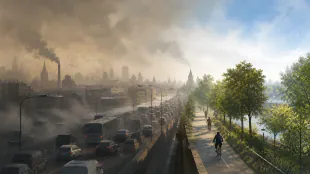 Cities show cleaner transport policies can reduce severe air pollution

 Four patients harmed in Nashville hospital medication mix-up

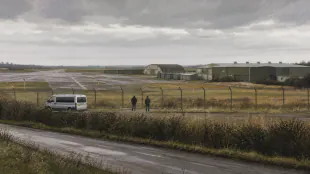 Essex council hires private guards as Wethersfield asylum centre expands
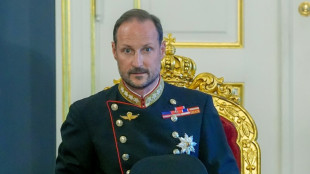
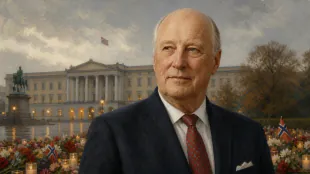 Haakon VIII becomes Norway's king after Harald V dies at 89
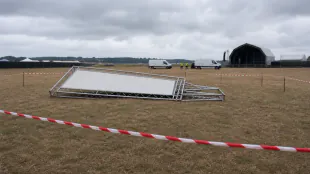
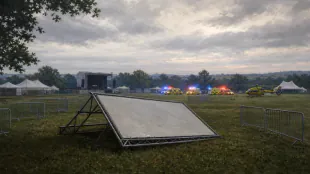 Six injured after sign falls at Christian festival in West Sussex

 Dubai airport expands scanners that keep laptops and liquids in bags

The local billionaire's chemical plant stands on the edge of the frontline in New York, eastern Ukraine.
The only renovated building of this war-bruised town, called Novgorodske ("new city" in Ukrainian) until last year, is the local cultural centre.
Tetyana Krasko proudly pushes open its metal door and shows off an exhibit paying homage to Ukrainian soldiers fighting Russia-backed rebels for the past eight years.
But the centre offers few clues as to how a group of German settlers decided to call their new home in what was then part of the Russian empire New York in the 1800s.
Soviet officials switched the name to Novgorodske in 1951, only for the locals to flip it back to New York last year.
"It's a mystery that still hasn't been solved," Krasko says about all the name changes.
The name could very well change again should the masses of Russian forces encircling Ukraine on almost every side follow through with their feared invasion.
For now, New York's empty streets echo with the sounds of exploding shells from a new escalation in a separatist conflict that has claimed more than 14,000 lives and pushed 1.5 million from their homes.
Many of the houses in this town of what was once 10,000 people stand empty today. And those who remain have dark thoughts about the days ahead.
"We tell ourselves that they would be too afraid to bomb New York," Krasko says with a bitter laugh, before turning gravely serious.
"It's not funny. There have already been shellings. New York has already suffered."
- Generational divide -
Novgorodske became New York after a campaign launched by young activists in 2016, when the separatist war was just turning quieter after months in which dozens of people were dying each day.
"There was no desire from the local officials for the name change," said Krasko.
"Maybe they were afraid it would cause a scandal. Maybe they thought that having a New York on the frontline would sound weird."
The officials were supported by the older generation who felt personally attached to the old Soviet name.
"But the young people, those with an active social life, were all in favour of change," she said.
Sergiy and Angela, two 16-year-old interns at a college about 40 kilometres (25 miles) from New York, are not terribly bothered about the new name.
In fact, perhaps more than anything, they are thinking of leaving. There is just not that much to do in New York.
The town's main employer is a chemical plant owned by Rinat Akhmetov, a billionaire who has been viewed for years as one of Ukraine's most powerful men.
Akhmetov spends little time in this New York, which is the final stop on a train running from Kramatorsk, a city 45 kilometres to the north that serves as Kyiv's administrative centre for the war-torn east.
About 25 kilometres south lies Donetsk, the rebel stronghold.
"When I grow up, I don't know if it would make sense for me to stay," Sergiy says. "I don't know how long the war will last. We will probably have to leave."
- 'They are fools!' -
The war is on everyone's mind. A sharp escalation at the end of last week has locals fearing the worst.
"Is there going to be a war?" Klava Blynska, 90, shouts down from her balcony.
"I don't want a war! I've seen it before," she says, clearly in no mood to give serious thought to her town's name change.
"They are fools! Why did they do that," she fumes, before returning to the subject at hand: "If (Vladimir) Putin goes to war, he's a moron!"
But for her, as seemingly for many other Russian speakers in New York, the main culprits are the Ukrainian leaders who came to power after a 2014 pro-EU revolution.
"They would judge me in Kyiv if I told you what I think about all this," one middle-aged man said before slamming shut his gate in a huff.
Ella Pylipenko, a 29-year-old mother, contradicted most of her neighbours by saying, in a hushed voice, that she wanted "our land to remain in Ukraine", rather than become Moscow-run.
"But it's very difficult to live here," she added. "There's nowhere to work, the wages are small and there is this shelling."
A.Malone--AMWN