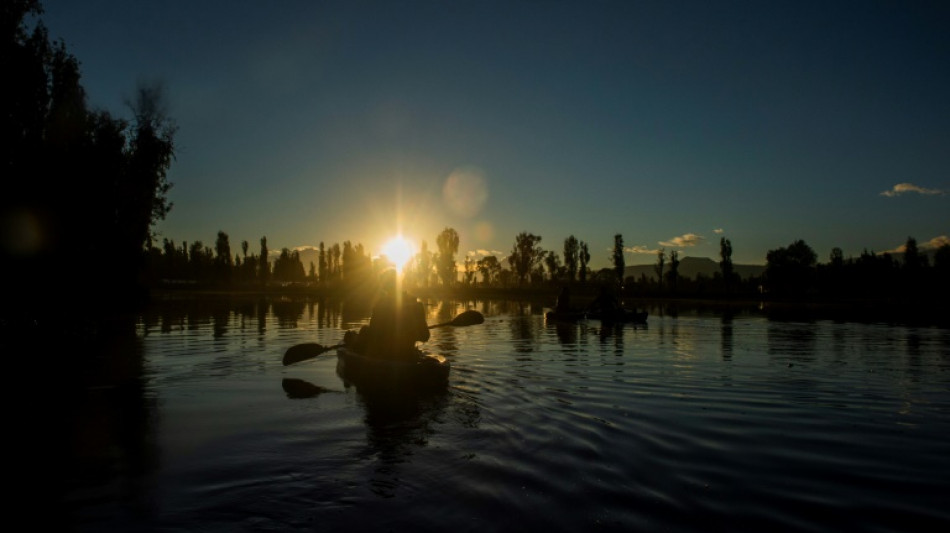
Mexican kayaker on mission to clean up floating gardens
 Nepal floods leave trail of destruction, aid challenge

 Experts outline sustainable ways to declutter Australian homes

 Bulk book purchases feed AI training through destructive scanning

 George and Amal Clooney attend Lake Como event after France evacuation

 Michelle Obama describes relief and adjustment after daughters leave home
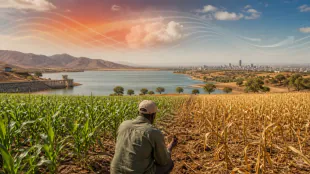 Very strong El Niño forecast to peak during southern African summer

 SAFA opens tender for dressing rooms, ablutions and grandstands

 TEEKS brings Māori-rooted soul and a new view of masculinity to South Africa

 Saudi customs seize 1.95 million amphetamine pills in lentil shipment

 Trump says Russia will not attack NATO as CIA chief visits Moscow
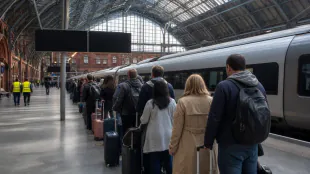
 British Museum schedules new Bayeux Tapestry ticket release

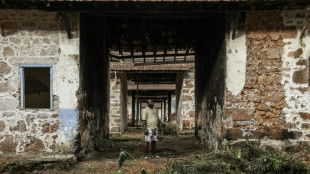 From forced labour to living heritage: Sao Tome's colonial plantations

 Motorola September 2026 Deals: Up to $700 Off Razr Ultra and Moto G
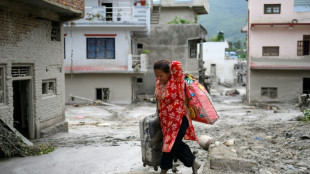
 In war-split Myanmar 'spirit consorts' commune across divide
 Leaders of Russia, China, Iran to attend summit in Kyrgyzstan
 Alpha1 AI Expands Support for Federal Agencies

 Kane confirms talks on Bayern extension

 Trump govt. mulls deal to give away part of Yosemite park

 Indian release of Sonia Gandhi memoir uncertain after publisher clarification

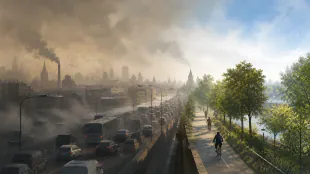 Cities show cleaner transport policies can reduce severe air pollution

 Four patients harmed in Nashville hospital medication mix-up
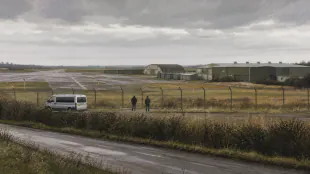 Essex council hires private guards as Wethersfield asylum centre expands

 Haakon VIII becomes Norway's king after Harald V dies at 89

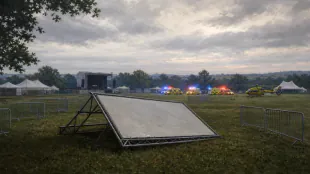 Six injured after sign falls at Christian festival in West Sussex

 Dubai airport expands scanners that keep laptops and liquids in bags

As dawn breaks over Mexico City's floating gardens, Omar Menchaca paddles his kayak through a maze of canals collecting garbage left by visitors to one of the last vestiges of the ancient Aztec capital.
In the silence of the early morning, before the hordes of tourists arrive, the 66-year-old retiree fishes plastic bottles and other debris from the waters of Xochimilco.
"I came here to train for my competitions," says the former athletics champion.
"Over time, unfortunately, I started noticing that these canals were full of garbage."
As his single-seater kayak glides by, herons and pelicans take flight in the morning mist.
In the distance, the Popocatepetl volcano, Mexico's second highest summit, rises more than 5,400 meters (17,700 feet) above sea level.
Menchaca seems to be far from the network of congested roads that serve Mexico City and its nine million inhabitants.
In fact, "the ring road is only 600 meters away," he says with a smile.
Menchaca regularly puts down his paddle and uses his bare hands to pick up garbage floating on the surface of the water amid aquatic flowers.
Xochimilco is a magnet for tourists who ride colorful gondolas through its network of canals and artificial islands created centuries ago by the area's indigenous peoples.
On weekends in particular, couples, families and groups of friends come to eat, drink and dance to the sound of mariachi music.
The reserve is home to endemic species including the critically endangered axolotl, a salamander-like amphibian.
Cleaning up the waste left by visitors is a constant battle for Menchaca, who offers tours during which he recounts the history of the UNESCO World Heritage Site.
He likes nothing more than to see children copy him by collecting waste.
"Xochimilco is visited by around 6,000 people on weekends. Unfortunately, these people don't take care of the place," he says.
Conservationists also worry about the impact of development encroaching on the area, which is listed as a Wetlands of International Importance under an intergovernmental conservation treaty.
- 'If we do nothing' -
Menchaca curses when sees boats equipped with outboard motors.
"The canals are not very deep, barely half a meter," he says.
"A boat with an engine that carries up to 40 people causes noise and pollutes the wetlands with oil and gasoline."
At midday, Menchaca returns to the pier from which he set off through a vast canal with a breathtaking view of Mount Ajusco, which rises to some 3,900 meters within the city limits.
His kayak is overflowing with garbage.
On the way he greets a man shoveling mud from the canal to use as a natural fertilizer.
"The people at the pier should pick up all the garbage and not Don Omar," says the 69-year-old, Noe Coquis Salcedo.
Back on dry land, Menchaca deposes of the debris in a dumpster near the parking lot.
He believes his efforts make a small difference helping to preserve the place for future generations, in addition to the work of the city authorities who say they are "constantly" maintaining the canals.
"The canals are paths," says Menchaca, enjoying a beer and enchilada in the January sunshine after his hours of physical exercise.
"That's why when I see this garbage, I try to collect it so that whoever passes afterward can enjoy a clean path," he adds.
Nearby young people in swimsuits dive from the top of a gondola moored at the pier.
"If we do nothing for our planet there will come a time when..." Menchaca says before pausing, his hands outstretched like a gesture of helplessness.
"There won't be much left for us to enjoy," he concludes.
D.Sawyer--AMWN