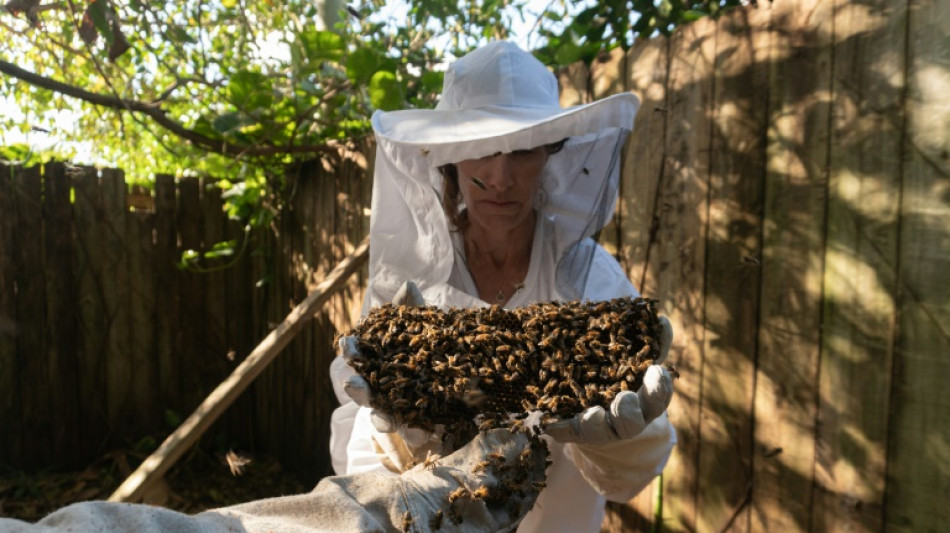
For a best friend to Florida bees, each rescue is personal / Photo: Jesus Olarte - AFP
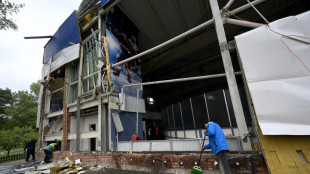
 Indonesia investigates crash of suspected Chinese rocket fragment

 South Korea to withdraw some Ukraine embassy staff after POW row

 S. Korea warns of 'firm' response after North threatens fresh measures near border

 Ukraine claims US missile holdup ahead of reported talks

 Niners hold off Commanders to stay perfect in NFL
 Tech firms bear brunt of selling as Asian stocks drop

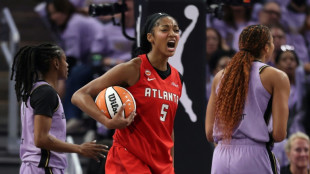 Reese scores 30 as Dream stun Valkyries to level WNBA finals

 Horror and disbelief after lawmaker attacked in rural Australia

 Ukraine races to secure energy supplies ahead of winter
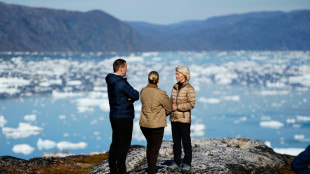
 Vote count begins in Alberta secession referedum, testing Canada unity

 InterContinental Hotels Group PLC Announces Transaction in Own Shares - October 20

 How to Use an Allowance to Teach Money Skills
 Ukraine claims US missile holdup as Trump floats summit without Zelensky

 Detained Suu Kyi receives UK royal package: Myanmar govt

 Japan successfully launches probe in historic Mars moon mission

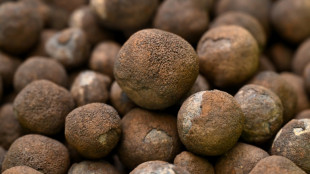 US to auction deep sea mining leases off American Samoa

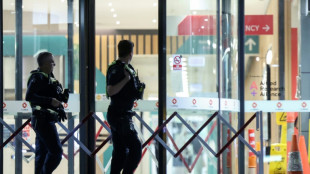 Australian lawmaker hurt in car attack underwent surgery overnight: PM
 Japan launches rocket for potential world first Mars moon mission
 Ethiopia PM warns Eritrea of 'severe consequences' if supports enemies

 Boland grabs opportunity for Australia as South Africa struggle in second Test
 Ronaldo handed 30-day suspension: Portuguese federation
 France announces curfews as government grapples with unrest

 Boland sets pace as South Africa struggle

 Ukraine on back foot as Kremlin moots US, China meeting
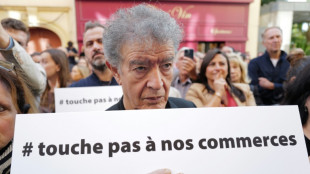
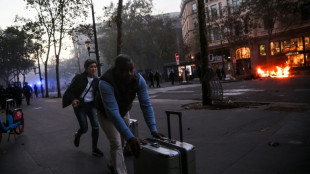 'Stay home!': Tourists find themselves in a France convulsed by protests

Melissa Sorokin sees herself as "a bee advocate," deeply passionate about helping to rescue the at-risk creatures that play such a critical role in biodiversity.
Often called in by spooked or concerned residents, she acts as emergency responder for the vital pollinators, spending the substantial time it takes to move threatening or threatened hives to safer locations.
Sorokin, who lives in Florida, says rescuing hives is infinitely better than homeowners or businesses allowing pest control services to swoop in and simply kill the bees.
"If they don't call me, as a beekeeper, they are most likely going to get an exterminator, who instead kills the bees. It's easy, it's quick, it's good money, cheap for them," says Sorokin, 54.
On the other hand, "I'm like a bee advocate, a bee tender," she says. "I love them. And I have a friendship with them."
Sorokin's mission is vital, she adds, because bees are under threat from climate change, pesticides, large cultivation of single crops, urbanization and invasive species.
The honey bee population is in freefall. A December study from Penn State University found that the United States experienced a 43 percent colony loss between April 2019 and April 2020.
The knock-on effects are immense, with the US Food and Drug Administration noting that about one third of food eaten by Americans comes from crops pollinated by honey bees, including apples, melons, cranberries, pumpkins and broccoli.
On a sunny afternoon, Sorokin heads to a client's garden in Coral Gables, near Miami, to remove a beehive.
She first scouts out the place where she suspects the bees are hiding: a shed attached to a house.
Once the presence of the insects is confirmed, she burns pieces of wood in a smoker, dons a mesh head net, and blows smoke into the shed's eaves to calm the bees.
She then grabs a chainsaw and cuts a wooden rectangle in the roof eave. Pulling back the planks reveals a humming, heaving hive.
Sorokin, wearing protective gloves, carefully removes panels of honeycomb covered with bees, and places them like racks in an artificial hive.
"It's not very complicated to move bees. They sleep at night. So you can move them at night or you can move them in the morning keeping everything nice and close," she explains.
"My goal, my wish," is to help the bees, she says. "I hope that they have a better life with me because I help them."
When Sorokin finishes transferring the insects from the shed, she closes up the new box hive and takes it to her car, where she straps it in with a seat belt.
M.Fischer--AMWN