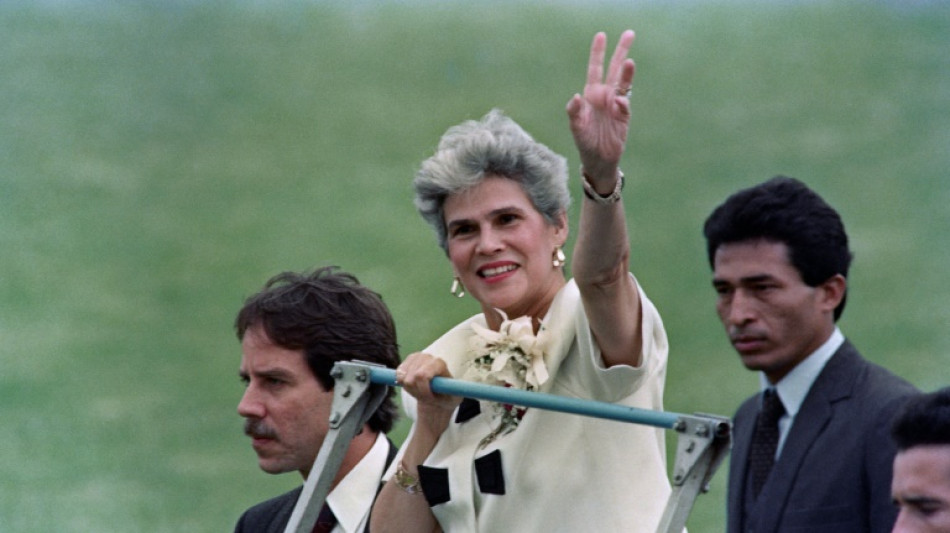
Violeta Chamorro, who brought peace to Nicaragua, dead at 95 / Photo: David AKE - AFP/File
 Marc Marquez wins Australian sprint as Martin crashes out
 North Korea's Kim calls for training world's 'strongest' military
 Brewers edge Rays to capture World Series opener
 France to deploy 70,000 police for fresh weekend protests

 Tatum delivers as Celtics down winless Knicks
 Romantasy fans ready for sleepless night as 'Court of Thorns and Roses' returns
 De Goede hat-trick as Canada defeat England again
 How to Build an Emergency Fund for Your Furry Best Friend

 5 Ways to Prepare Financially for Parenthood
 Ebola vaccine trial begins in DR Congo
 Travelling man Wade equals Prem try record
 Rescuers search for seven people in Nairobi building collapse

 Sacha Baron Cohen revives the 'problematic dinosaur' Ali G in new film

 New race in Barcelona tops 17-event '27 IndyCar season

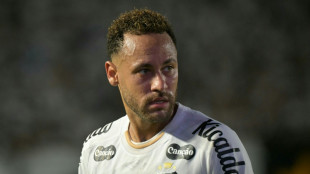 Neymar backs Flavio Bolsonaro in Brazil election
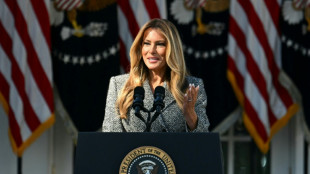 Melania Trump says she brokered truce in war-torn Ukrainian city

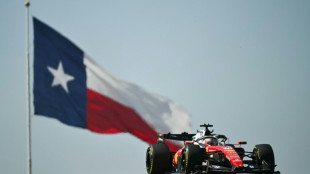 Leclerc tops times for Ferrari in opening practice for US Grand Prix
 Bayern Munich coach Kompany in hospital after collapsing
 Signs point to renewed major US military ops against Iran

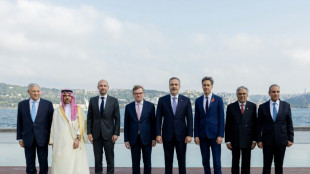 European, Mideast foreign ministers push peace and diplomacy at Istanbul talks
 Ex-All Black centre Williams undergoes 'miracle' heart surgery

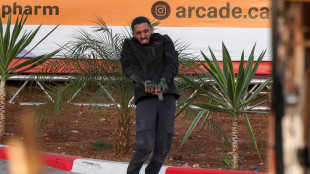
 Netanyahu launches major West Bank operation after Israeli soldiers killed
 AFP photographer captures striking images from West Bank attack
 Oil hits $116 with stocks mixed on earnings, AI

 De Zerbi says Tottenham's dire record at Chelsea 'more motivation'
Violeta Chamorro, who brought peace to Nicaragua after decades of war and was the first woman elected president in the Americas, died Saturday at the age of 95, her family said.
Chamorro, who ruled the poor Central American country from 1990 to 1997, "died in peace, surrounded by the affection and love of her children," said a statement issued by her four children.
As president, Chamorro managed to bring to an end a civil war that had raged for much of the 1980s as US-backed rebels known as the 'Contras' fought the leftist Sandinista government.
That conflict made Nicaragua one of the big proxy battlegrounds of the Cold War.
Chamorro put her country on the path to democracy in the difficult years following the Sandinista revolution of 1979, which had toppled the US-backed right-wing regime of Anastasio Somoza.
In a country known for macho culture, Chamorro had a maternal style and was known for her patience and a desire for reconciliation.
When she won the 1990 election at the head of a broad coalition, she defeated Daniel Ortega, the Sandinista guerrilla leader and icon who is now president again.
Ortega has been in power for 17 years and is widely criticized by governments and rights groups as having crushed personal freedoms, all political opposition and judicial independence with autocratic rule.
Chamorro died in Costa Rica, where she moved in 2023, to be close to her children, three of whom are living here in exile because of their opposition to Ortega.
Chamorro -- Nicaraguans referred to her affectionately as "Dona Violeta" -- had been living far removed from public life for decades. In her later years, she suffered from Alzheimer's disease.
"Her legacy is unquestionable," said Felix Madariaga, a Nicaraguan academic and political activist living in exile in the United States.
- 'Typical of a homemaker' -
"She led the transition from war to peace, healing a country destroyed by war. The contrast with Ortega is clear and deep," said Madariaga.
Chamorro was the widow of Pedro Joaquin Chamorro, who came from one of Nicaragua's most prominent families.
As owner and chief editor of the newspaper La Prensa, he was killed in 1978 in an attack blamed on the regime of Anastasio Somoza.
His death propelled Chamorro to take over the newspaper and, eventually, to get into politics.
After the Sandinistas seized power in 1979, she became the only female member of a national reconstruction government.
But she quit that junta in 1980, believing the Sandinistas were moving too far to the left and into the sphere of communist Cuba.
Chamorro became prominent in the opposition to the Sandinistas as they fought the 'Contra' rebels financed by the United States under Ronald Reagan.
In 1990, she stunned the country by winning the presidency -- and beating Ortega -- as leader of a coalition of 14 parties.
During the campaign, she was known for wearing white and had to use a wheelchair because of a knee injury.
In her memoirs, Chamorro said she won because she gained the trust of war-weary Nicaraguans as she spoke in simple language "typical of a homemaker and a mother."
"In the macho culture of my country, few people believed that I, a woman, and what is more, handicapped, had the strength, energy and will" to beat Ortega, she wrote.
"But if the Berlin Wall fell, why not the Sandinistas?"
D.Cunningha--AMWN