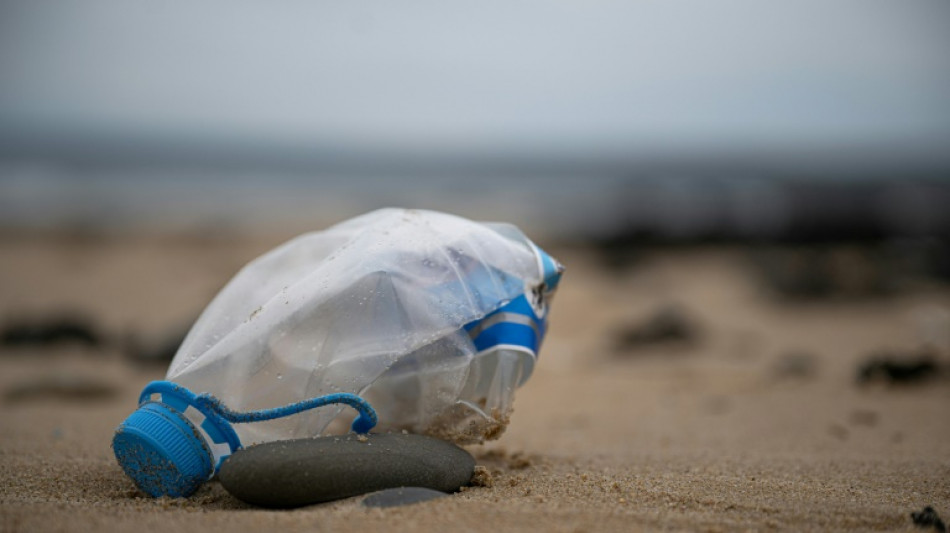
Plastic pollution treaty talks open with 'global crisis' warning / Photo: Lou BENOIST - AFP/File
 Canada to announce response to Trump's new tariffs
 Stocks stagger and oil rises as traders eye Iran threat, Nvidia results
 Families of detained Chinese Christians cling to faith in legal limbo
 Trump veers from boredom to denial after six months of Iran war
 Cool Japan: Human fridge chills workers in extreme heat

 Tens of thousands flee fire near US city of Reno
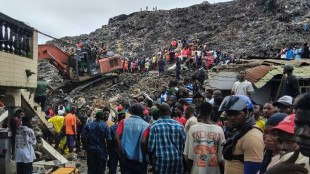 Despair and anger erupt after deadly Guinea landfill collapse
 Tornado tears through French village, dozens injured

 Federer looks forward to brief return to Arthur Ashe stadium

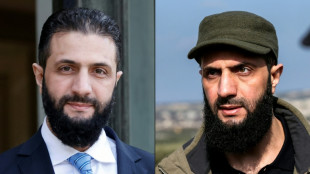 US removes Syria from state sponsor of terrorism list
 Facebook, TikTok promoted Colombian armed groups' content to recruit children: HRW
 Palmeiras agree to sell Allan to Manchester City: source

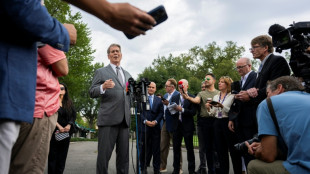 US vows 'economic asphyxiation' of Iran with new sanctions
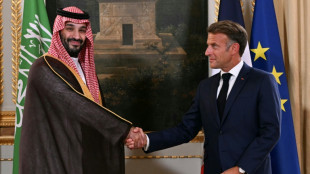
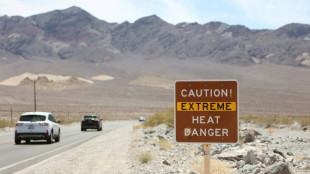 French tourist dies after getting stuck in scorching Death Valley

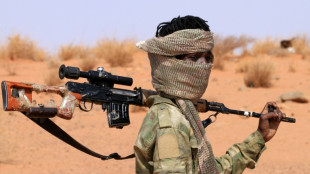 US proposes expanding UN Sudan arms embargo to entire country

 Ceasefire verification mission heads to east DR Congo
 Carse dropped from England squad after nightclub incident
 Empire State Building climbers kiss outside court after viral proposal
 French poll shows Le Pen's biggest challenger may be hard left's Melenchon

 Noosha Aubel: Πόση διοικητική αποτυχία μπορεί να αντέξει ακόμα το Πότσδαμ?

 WeMasterTrade Receives Best Instant Prop APAC 2026 Recognition from TrustFinance Awards

 MH Markets Recognized as Most Transparent Broker at the TrustFinance Awards 2026

 Stocks, oil slip ahead of US threat of economic war against Iran
 Trump claims Iran 'collapsing' as US threatens 'economic D-Day'

 Noosha Aubel: Kolik administrativních selhání ještě Potsdam snese?

The 184 countries gathering to forge a landmark treaty on combating plastic pollution were told Tuesday they must find a way to tackle a global crisis wrecking ecosystems and trashing the oceans.
States should seize the chance to shape history, the man chairing the talks said as 10 days of negotiations kicked off at the United Nations in Geneva.
"We are facing a global crisis," Ecuadoran diplomat Luis Vayas Valdivieso told the more than 1,800 negotiators as they prepared to thrash out their differences in the search for common ground.
"Plastic pollution is damaging ecosystems, polluting our oceans and rivers, threatening biodiversity, harming human health, and unfairly impacting the most vulnerable," he said.
"The urgency is real, the evidence is clear -- and the responsibility is on us."
Plastic pollution is so ubiquitous that microplastics have been found on the highest mountain peaks, in the deepest ocean trench and scattered throughout almost every part of the human body.
But after five rounds of talks, three years of negotiations hit the wall in Busan, South Korea, in December when oil-producing states blocked a consensus.
- Pathway to deal -
Key figures steering this revived attempt insist a deal is within reach this time around.
"There's been extensive diplomacy from Busan till now," the UN Environment Programme's Executive Director Inger Andersen told AFP.
The UNEP is hosting the talks, and Andersen said conversations between different regions and interest groups had generated momentum.
"Most countries, actually, that I have spoken with have said: 'We're coming to Geneva to strike the deal’.
"Will it be easy? No. Will it be straightforward? No. Is there a pathway for a deal? Absolutely."
- Dumped, burned and trashed -
More than 400 million tonnes of plastic are produced globally each year, half of which is for single-use items.
While 15 percent of plastic waste is collected for recycling, only nine percent is actually recycled.
Nearly half, or 46 percent, ends up in landfills, while 17 percent is incinerated and 22 percent is mismanaged and becomes litter.
In 2022, countries agreed they would find a way to address the crisis by the end of 2024.
However, the supposedly final negotiations on a legally binding instrument on plastic pollution, including in the seas, flopped in Busan.
One group of countries sought an ambitious deal to limit production and phase out harmful chemicals.
But a clutch of mostly oil-producing nations rejected production limits and wanted to focus on treating waste.
- Production cap gap -
A cap on plastic production is one of the thorniest issues being debated in Geneva.
Katrin Schneeberger, the director of Switzerland's environment ministry, told the opening press conference: "This is no call for a production cap. Clarifying this in informal meetings was an important message to producing countries."
Without commenting on whether there would be a cap, Andersen then stressed that the treaty would cover the entire life cycle of plastics, from production to waste.
More than 600 non-governmental organisations are in Geneva, and this time have access to the discussion group meetings.
"We have to stop making so much plastic," Greenpeace's delegation chief Graham Forbes told AFP.
The group and its allies want a treaty "that cuts plastic production, eliminates toxic chemicals and provides the financing that's going to be required to transition to a fossil fuel, plastic-free future", he said.
"The fossil fuel industry is here in force," he noted, adding: "We cannot let a few countries determine humanity's future when it comes to plastic pollution."
- Big triggers -
France's Ecological Transition Minister Agnes Pannier-Runacher -- one of a few dozen ministers planning on heading to Geneva later in the talks -- warned Tuesday that the negotiations would be "difficult".
"I call on each state to take responsibility before we are overwhelmed by this pollution," she said in a statement.
Panama's delegate Juan Monterrey Gomez -- a fellow proponent of an ambitious treaty -- voiced optimism that a treaty could be struck on August 14.
"The beginning is better than Busan," he said of the start of talks.
No country wanting to be held responsible for sinking the negotiations "is probably the biggest trigger we can push", he told AFP.
P.Silva--AMWN