Conservationists sue Trump admin over inaction on horseshoe crabs / Photo: Bastien INZAURRALDE - AFP/File
 Lula, Bolsonaro to clash once more before Brazil vote

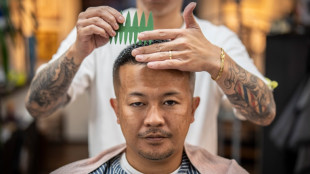 Dressed to kill: Haircuts cap menacing look of Japan's yakuza

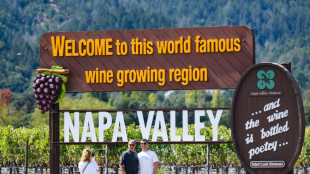 Napa Valley's wineries feel Trump's tariff squeeze
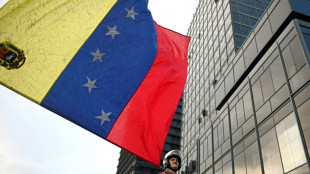 Venezuela protests demand return of Nobel winning leader Machado
 Marquez tops incident-packed opening practice for Australian MotoGP
 New York votes to ban Central Park horse carriages after decades of debate

 Australia face selection headaches after 'shambolic' South Africa defeat

 Around 150,000 rally in Belgrade as Serbia heads to pivotal poll

 Hamilton sets sights on racing in African grand prix
 Bournemouth hammer 10-man Milan, Juventus denied at the death
 Judge orders Trump to give deposition in BBC lawsuit by Dec 11
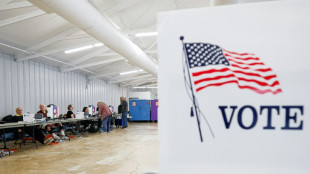 'Fake' pollsters hit US midterms

 Global markets retreat as tech mood sours, oil prices jump

 Juventus denied at the death, Sunderland make point in Poland in Europa League

 Tens of thousands rally as Serbia heads to pivotal poll
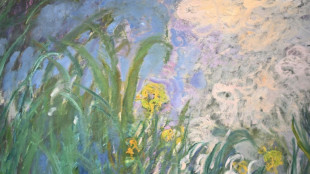 Monet's 'Iris' fetches 50 mn euros at Paris auction
 L'Oreal sees double-digit sales growth

 Sri Lanka stun England with huge chase after Brook's 202

 Guatemala sentences former police officers in gay couple's killings
 Nelson's erotic dream letter features in London auction
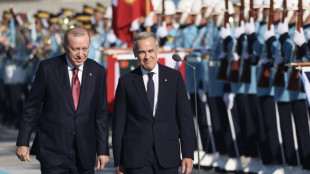 Canada opens free trade talks with Turkey
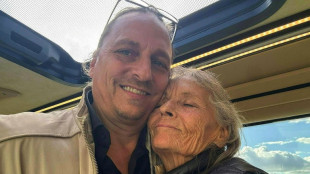 Swiss, Austrian women freed after Niger kidnap ordeal
 Austrian-born French resistance fighter dies aged 105: regional official
 Paris shop-owners and residents prepare for fresh protests
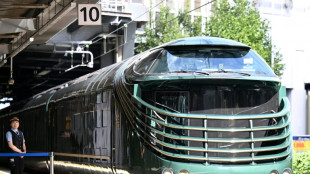 French, Japanese authors try to write novel on one-day train ride

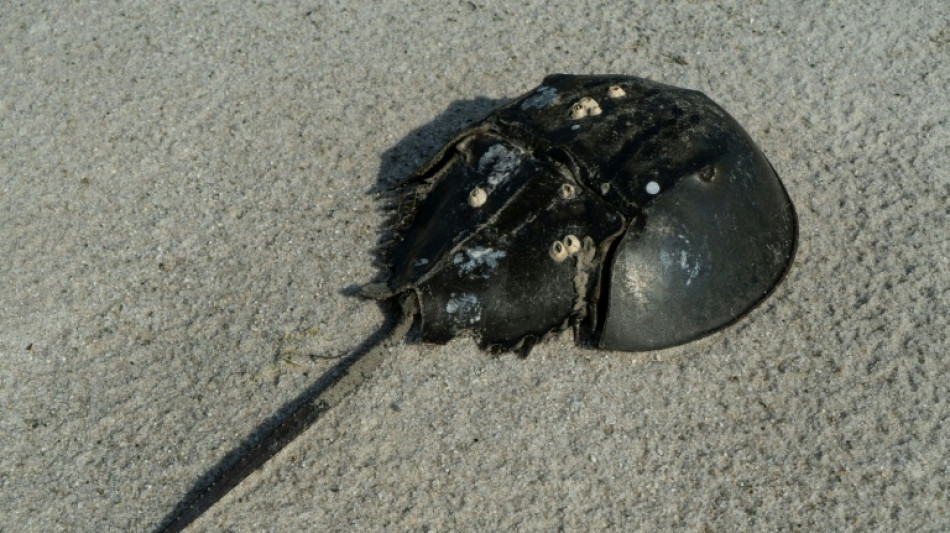
A conservation group sued President Donald Trump's administration on Monday over its failure to act on protecting American horseshoe crabs, which are increasingly threatened by the harvesting of their blood for drug safety testing.
Sometimes called "living fossils," horseshoe crabs have patrolled the world's shallow coastal waters for more than 450 million years, outlasting the dinosaurs.
But their population has cratered more than 70 percent since 2000 as a result of over-harvesting and habitat loss.
Their bright blue blood is used for testing the safety of biomedical products, despite synthetic alternatives now approved and widely used in Europe and Asia.
"Harvesting horseshoe crabs for blood is now the number one threat to horseshoe crabs," Will Harlan, a scientist at the Center for Biological Diversity, which brought the legal case against the National Marine Fisheries Service (NMFS), told AFP.
"We think because horseshoe crabs are so depleted overseas -- the other three species of horseshoe crabs are all even more endangered than the American horseshoe crab -- and so demand globally has shifted to the United States," he added, with biomedical harvests doubling over the past seven years.
The Center for Biological Diversity, along with 25 other organizations, petitioned the federal government in February 2024 -- when former president Joe Biden was in office -- to list the American horseshoe crab (Limulus polyphemus) as threatened or endangered, and to designate areas as critical habitats.
Under the Endangered Species Act, such a petition triggers a 90-day deadline to issue an initial finding. While the law allows some flexibility, it requires that a scientifically justified decision be reached within a year. Rejection can pave the way for appeal.
"Unfortunately, under both administrations, we've been waiting for a decision that, by law, was supposed to come much sooner," said Harlan. "But these horseshoe crabs can't wait any longer."
Since the 1970s, horseshoe crabs have been caught, bled alive, and returned to the sea to harvest a protein called "Factor C," which detects endotoxins that can contaminate drugs.
Some companies, including Eli Lilly -- known for its weight-loss drugs -- have earned praise for converting most of their operations to synthetic alternatives.
With helmet-like shells, spike-like tails and five pairs of legs connected to their mouths, horseshoe crabs crawl ashore along the Atlantic and Gulf coasts each spring to lay their eggs on beaches in massive spawning events.
As their numbers have declined, so too have the species that depend on them, including sea turtles, fish and birds.
The Trump administration has sought to weaken the landmark Endangered Species Act -- proposing, for example, to allow economic considerations to factor into what were previously science-based decisions.
Ch.Kahalev--AMWN