-
 Kupcho seizes slim lead in US Women's Open at Riviera
-
Asian stocks take another hit from AI, Mideast worries
-
 Game on: Trump set to attend game 3 of NBA Finals in New York
-
Nazi party records released online shatter German family myths

-
 Political blows fly ahead of Trump's White House UFC fight
-
US allying itself with Colombian 'narco-traffickers,' Petro accuses

-
 New York City's rules for AI in schools spark fury
-
Putin to confront weak economy at 'Russian Davos', under threat of Ukrainian drones
-
 Australian far-right does U-turn on seizing foreigners' homes
-
Thousands protest in Albania against Kushner real estate project

-
 Kiss confident Reds can 'scare' Chiefs in Super Rugby playoff
-
US imposes sanctions on Cuban president, Castro family members

-
 Clark, Spaun part of four-way tie for lead at Memorial tournament
-
Trump confirms mass rally, scrapping US 250th concerts

-
 Anthropic calls for pause of global AI development
-
Wemby counts on 'normal' Spurs to bounce back in NBA Finals

-
 LA Olympics boss Wasserman says will not step down over Epstein links
-
Dangerous livestock pest case confirmed in Texas

-
 Diallo gives Ivory Coast shock win over France
-
Latest 'Scary Movie' aims to cancel 'cancel culture,' creators say

-
 Selfie-seeking fan banned for life by NBA after crashing Finals game
-
Lyles reigns in Rome 100m, Pathirage stuns with javelin

-
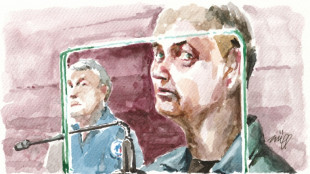 German serial killer found guilty of murder of French schoolboy
-
Trump announces $700 mn support for US coal projects
-
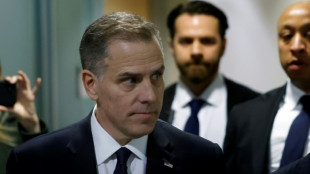 Dissing critics with humor, Hunter Biden finds social media stardom
-
SpaceX IPO: rockets, AI losses and Musk in control

-
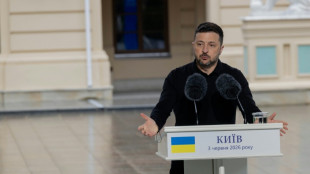 In open letter to Putin, Zelensky calls for meeting and ceasefire
-
Pakistan upstage Australia for 2-1 ODI series win

-
 Liverpool appoint Spaniard Iraola as new boss
-
Andreeva stays focused to race past Kostyuk into French Open final

-
 Qualifier Chwalinska sets up Andreeva French Open final clash
-
Colombia court bans pro-Trump candidate from using jersey as symbol

-
 Unfazed Antonelli plans to race with freedom
-
Designer Gabriela Hearst still believes in 'brilliance of humanity' despite AI

-
 North Israel residents hold little hope for Lebanon truce deal
-
Qualifier Chwalinska downs Shnaider to reach French Open final

-
 Robinson rocks New Zealand after England collapse in first Test
-
UN nuclear watchdog raises 'proliferation' fears over Iran sites
-
 German prosecutors demand life term over Christmas market attack
-
Hamilton coy on Monaco chances

-
 IMF boosting financial support for four African nations over war impact
-
'In the queue': Busy with Iran, US has little energy for Kyiv
-
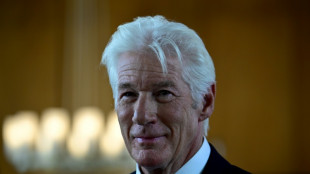 Richard Gere says 'ashamed' of US migration policy
-
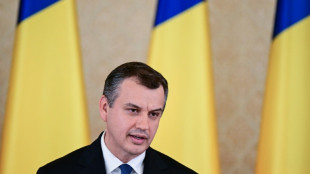
Romanian president nominates EU deputy Tomac as PM to end deadlock
-
 Leclerc rejected rival offers to stick with Ferrari
-
German prosecutors demand life term for Christmas market attack

-
 Oil drops, stocks mostly higher despite AI concerns
-
Shaheen-led Pakistan dismisses Australia for 157 in third ODI

-
 'Blood gold': how gangs took control of Venezuela's mines
-
Andreeva races past Kostyuk to reach French Open final

France's debt is growing
France is facing an unprecedented financial challenge. With public debt exceeding €3.2 trillion, representing more than 110% of gross domestic product (GDP), the eurozone's second-largest economy is on a dangerous path. The budget deficit is around 5.5% of GDP and is expected to rise to over 6% this year. These figures significantly exceed EU targets, which allow a maximum deficit of 3% and a debt ratio of 60% of GDP. The financial markets are becoming increasingly nervous, and interest rates on French government bonds are climbing to record levels. What has led to this debt chaos, and how can France avoid the looming abyss?
The roots of the crisis run deep. For decades, France has had a relaxed attitude towards debt, which differs from the strict budgetary discipline of other countries such as Germany. During the coronavirus pandemic and the energy crisis resulting from the war in Ukraine, the government pumped billions into the economy to support households and businesses. Subsidies for electricity prices and generous social benefits kept the economy stable but led to a sharp rise in debt. Since 2017, when President Emmanuel Macron took office, public debt has grown by almost one trillion euros. Critics accuse the government of delaying necessary structural reforms, while the government's spending ratio is just under 60% of GDP – one of the highest in the world.
The political situation is exacerbating the crisis. Following early parliamentary elections in the summer of 2024, parliament is fragmented and majorities are difficult to form. Prime Minister François Bayrou, who has been in office since autumn 2024, has presented an ambitious austerity programme to reduce the deficit to below 3% by 2029. The measures include the abolition of two public holidays, a freeze on pensions and social benefits, the elimination of 3,000 civil service jobs and higher taxes on high incomes. However, these plans are meeting with fierce resistance. The right-wing nationalist party Rassemblement National and left-wing parties are threatening votes of no confidence, which could bring down Bayrou's government. His predecessor, Michel Barnier, was forced to resign after only three months in office when his draft budget failed.
The financial markets are watching the situation with suspicion. Interest rates on French government bonds are now exceeding those of Greece in some cases, which is an alarming sign. France spends around 50 billion euros a year on debt servicing alone, and the trend is rising. Experts warn that this figure could climb to between 80 and 90 billion euros by 2027, making investment in education, infrastructure and climate protection virtually impossible. Rating agencies such as S&P and Moody's still rate France's creditworthiness as solid, but have threatened downgrades if the deficits are not reduced.
The crisis also has European dimensions. France is systemically important for the eurozone, and an uncontrolled rise in debt could jeopardise the stability of the single currency. Unlike the Greek debt crisis in 2008, when rescue funds were used, a bailout package for France would be almost impossible to finance. The EU has launched disciplinary proceedings against France to exert pressure for budget consolidation, but political instability is hampering reforms.
What can France do? Bayrou's austerity plans are a first step, but their implementation is uncertain. Tax increases are politically sensitive, as France already has one of the highest tax rates in Europe. Spending cuts could slow economic growth, which is just over 1% this year. At the same time, experts are calling for structural reforms to increase productivity and reduce dependence on the public sector. Without clear political majorities, there is a risk that France will slide further into debt.
Citizens are already feeling the effects of the crisis. Strikes and protests against austerity measures are on the rise, and social tensions are running high. Many French people feel caught between high living costs and impending cuts. The government faces the challenge of regaining credibility without losing the trust of the markets or the population.
A way out of the debt chaos requires courage and a willingness to compromise. Bayrou has described the situation as ‘the last stop before the abyss.’ Whether France can overcome this crisis depends on whether politicians and society are prepared to make tough decisions. Time is pressing, because the financial markets will not tolerate any further delays. France is at a crossroads – between reform and risk.

Al-Qaida’s growing ambitions
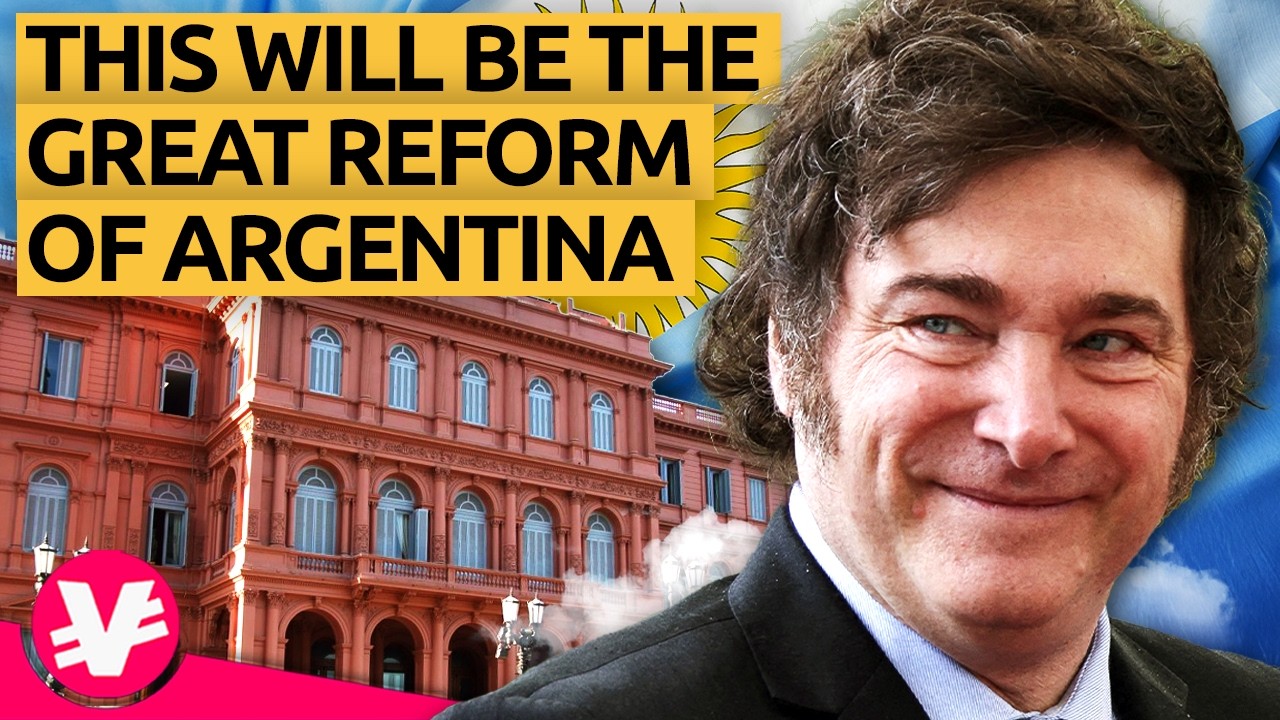
Argentina's radical Shift

Hidden Cartel crisis in USA
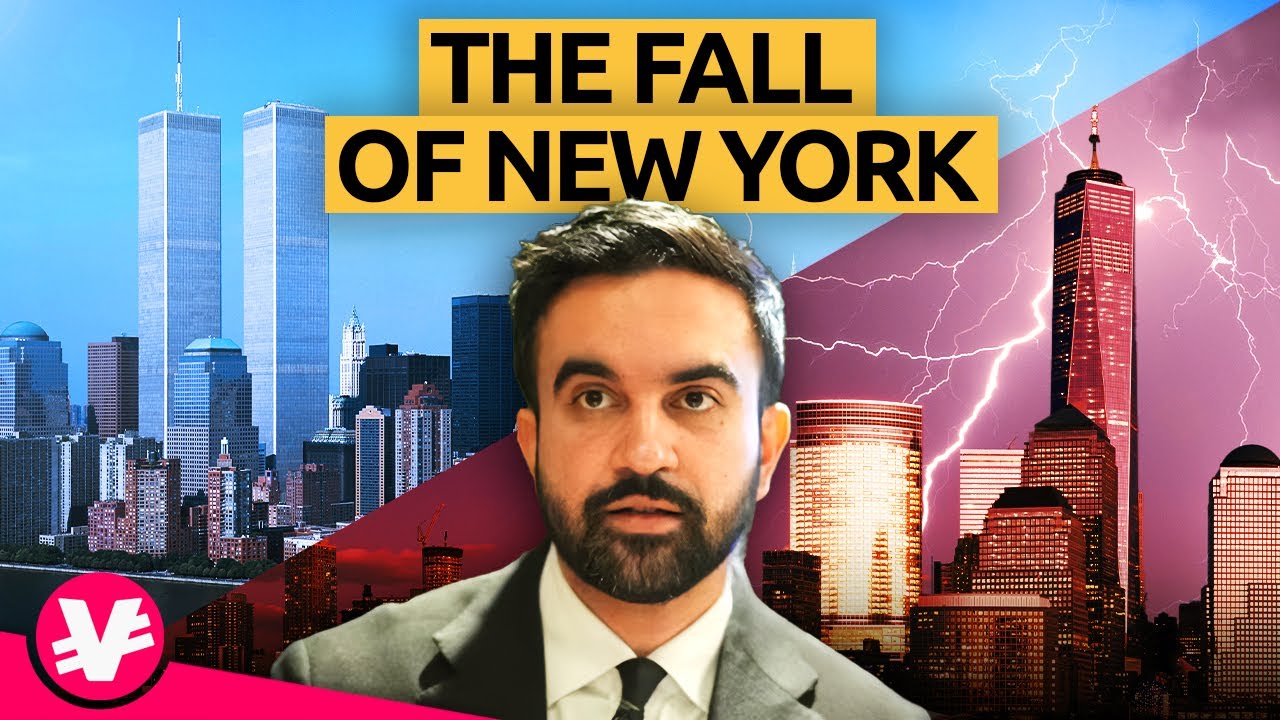
New York’s lost Luster
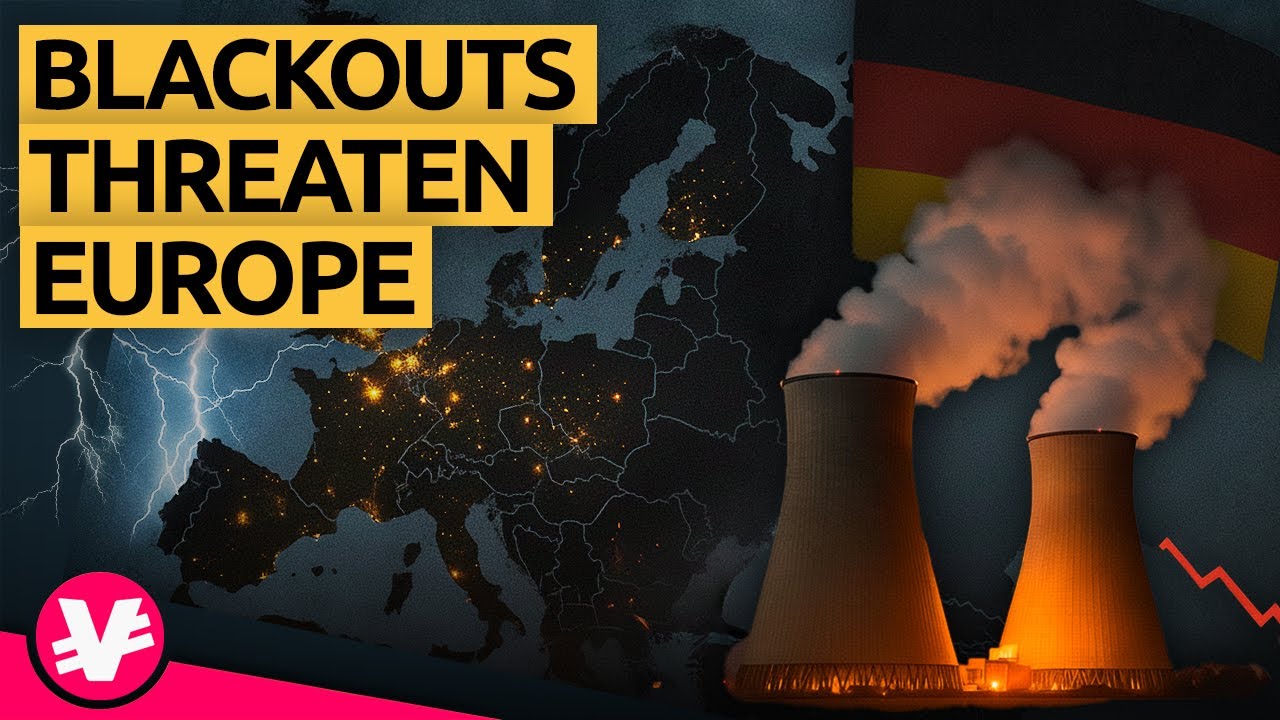
Europe’s power shock
Australian economy Crisis

Israel’s Haredi Challenge
Miracle in Germany: VW soars
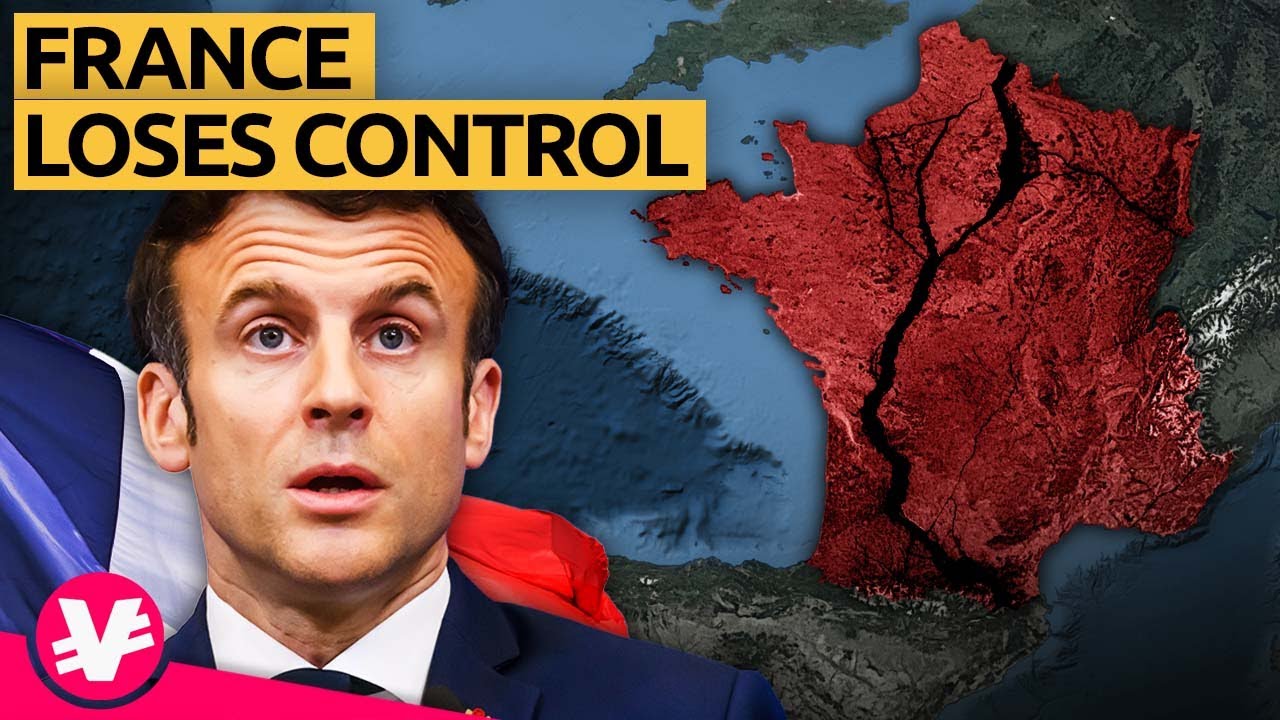
Pension crisis engulfs France
A new vision for Japan
The Fall of South Korea?