-
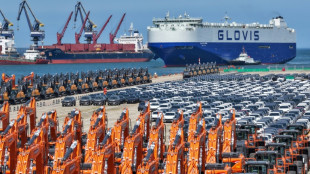 China exports surge as Beijing withstands Middle East stress
-
Spurs edge Knicks 115-111 in NBA Finals as Trump booed

-
 Hopes soar for US fans as hosts assemble at World Cup camp
-
French justice minister refuses to resign over girl killing case

-
 Asian stocks track Wall St tech bounce, oil eases on Mideast hope
-
Encouraging trial results for AstraZeneca's new weight-loss pill

-
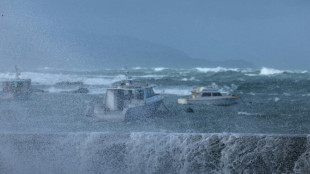 Hundreds evacuated as waves batter New Zealand capital
-
Former rugby league star in Australia comes out as gay

-
 Bolivian president says 'narcoterrorists' behind crippling protests
-
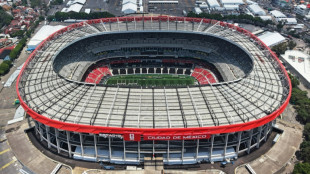
World Cup nears kickoff after pre-tournament turbulence
-
 Trump gets cold hometown welcome at NBA Finals in New York
-
Deschamps tips hat-trick man Olise to make big impact at World Cup

-
 Is Your SPF Conspiring Against Your Complexion After Dark?
-
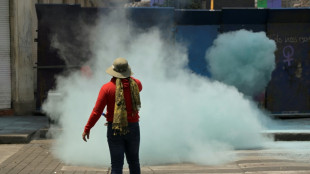
Mexico promises peaceful World Cup opening despite protests
-
 Somali referee is dropped from World Cup after turned back at US border
-
OpenAI makes move to go public one week after rival Anthropic

-
 World Cup is 'full circle' for London-raised US striker Balogun
-
Olise smashes hat-trick as France beat N. Ireland in pre-World Cup game

-
 Serena Williams to return to tennis in Queen's doubles on Tuesday
-
Somali referee axed from World Cup after being denied entry to US: FIFA

-
 Brazil suspends dengue vaccine following two deaths
-
Tech stock rebound drives Wall Street gains, oil pares rise after fresh strikes

-
 Federer to play in US Open exhibition event
-
Stokes facing uncertain future as England captain after nightclub incident 'with rugby player'

-
 Killing the mood: smartphones reduce birth rate, studies say
-
Wildcard snub surprises Queen's champion Maria

-
 Leftist takes lead in Peru's too-close-to-call presidential runoff
-
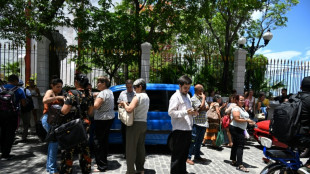
Earthquake rattles Cuban capital Havana: AFP reporters
-
 France, Germany abandon joint fighter jet project
-
England's Stokes, Atkinson under investigation for nightclub incident

-
 Platini switches to French courts in long-running FIFA feud
-
Kennedy Center drops Trump name from website

-
 Give Brazil the respect we deserve, says World Cup star Guimaraes
-
Bolivia protests: president warns 'narcoterrorists' days numbered

-
 Apple tries again on AI, turns to Google for help
-
UN warns of 'deepening crisis' in oceans, urges action

-
 Giroud pens one-year Lille contract extension aged 39
-
'We need to get off fossil fuels': COP31 negotiations chief tells AFP
-
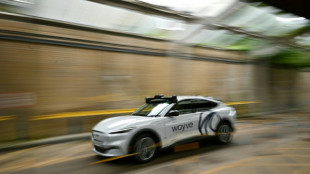 Uber and Wayve set to launch first UK robotaxis in summer
-
Pope promises abuse victims Church will do more to change

-
 Liverpool cult hero Origi retires from football at 31
-
'Our mission as Oceanians': French Polynesia to protect more ocean
-
 Lockdown in New York as Trump to attend NBA Finals
-
Yacht traffic increased sixfold for Monaco Grand Prix: maritime data

-
 Somali referee denied entry to US for World Cup: official
-
Italy's World Cup winner Grosso appointed Fiorentina coach

-
 Dane Charmig beguiles Tour Auvergne-Rhone-Alpes with stage two win
-
France's Konate to join Real Madrid until 2030

-
 WHO chief praises Uganda's Ebola effort
-
Diarra settles 65 mn euros transfer case with FIFA and Belgian FA

Japan's financial precipice
Japan is grappling with a dire financial crisis as interest rates have surged, doubling to a staggering 0.50%—the highest level since the 2008 global financial crisis. This dramatic shift, orchestrated by the Bank of Japan, marks the end of a prolonged era of ultra-low borrowing costs, leaving the nation teetering on the edge of economic ruin. The people, long accustomed to near-zero rates, now face unprecedented financial pressure as the cost of living soars and debt burdens mount.
For decades, Japan wrestled with stagnation and deflation, a period often dubbed the "Lost Decades." Ultra-low interest rates were a lifeline, keeping borrowing affordable and sustaining a fragile economy. But that lifeline has been severed. Inflation has climbed past the central bank's 2% target, fueled by a tight labor market and rising wages. Emboldened by these signs of economic vigor, the Bank of Japan has pushed forward with its rate hikes, aiming to normalize monetary policy after years of caution.
Yet, this bold move comes at a steep cost. Japan's public debt, one of the largest in the world, now looms larger as servicing costs rise with the higher rates. Households, once shielded by cheap loans, are buckling under increased mortgage and credit payments. Businesses, too, face a reckoning—many small firms, the backbone of the economy, fear they won't survive the tightened conditions. "The shift is too sudden," one economic observer noted, echoing widespread unease. "Families and companies need time to adjust, but time is a luxury we don’t have."
The timing couldn’t be worse. Global uncertainties, from trade disruptions to geopolitical tensions, cast a shadow over Japan’s recovery. Some experts caution that the rate hike could choke off growth just as the economy begins to stir, plunging the nation back into the stagnation it fought so hard to escape. "We’re walking a tightrope," another voice warned, highlighting the delicate balance between curbing inflation and preserving stability.
As Japan stands at this financial precipice, the Bank of Japan faces mounting pressure to monitor the fallout closely. The path ahead is fraught with risk—too aggressive, and the economy could collapse under the weight of debt; too lenient, and inflation could spiral out of control. For now, the people of Japan brace for hardship, their resilience tested once more as the nation navigates this perilous turning point.

U.S. Jobs stall, gdp slows
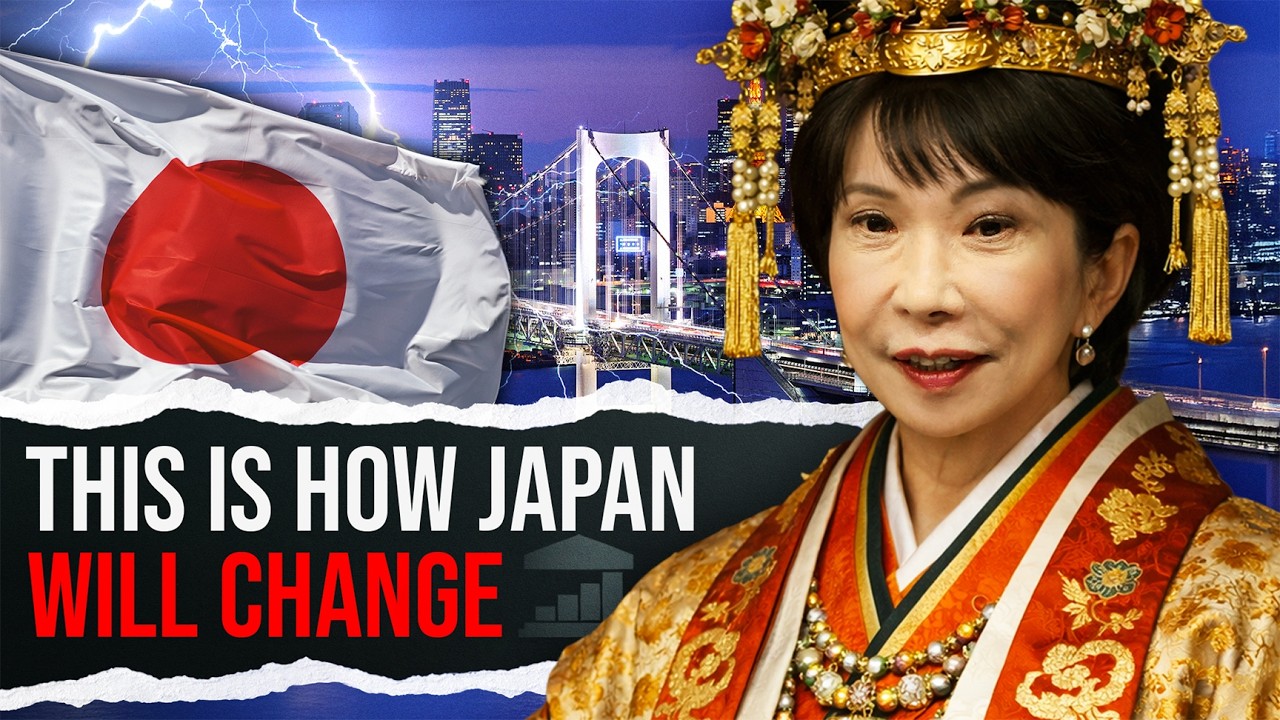
Japan’s right‑turn triumph
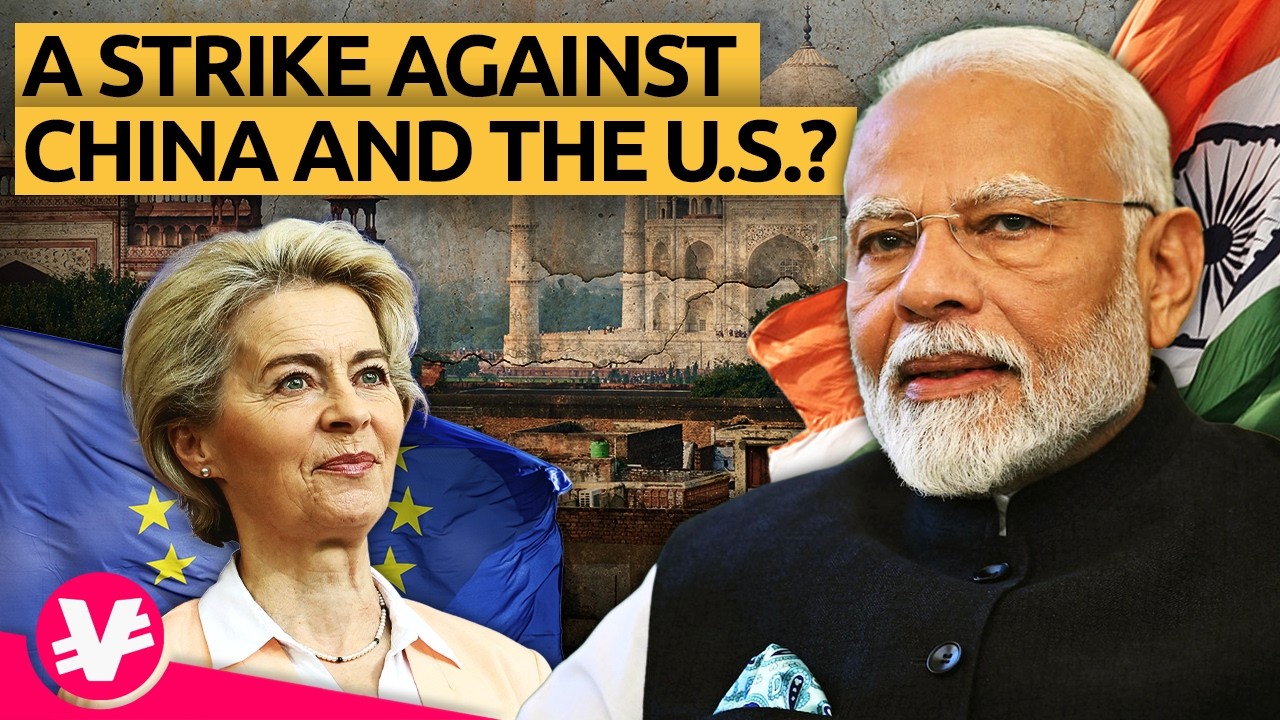
EU India deal gains unveiled

AI sparks Wall Street panic
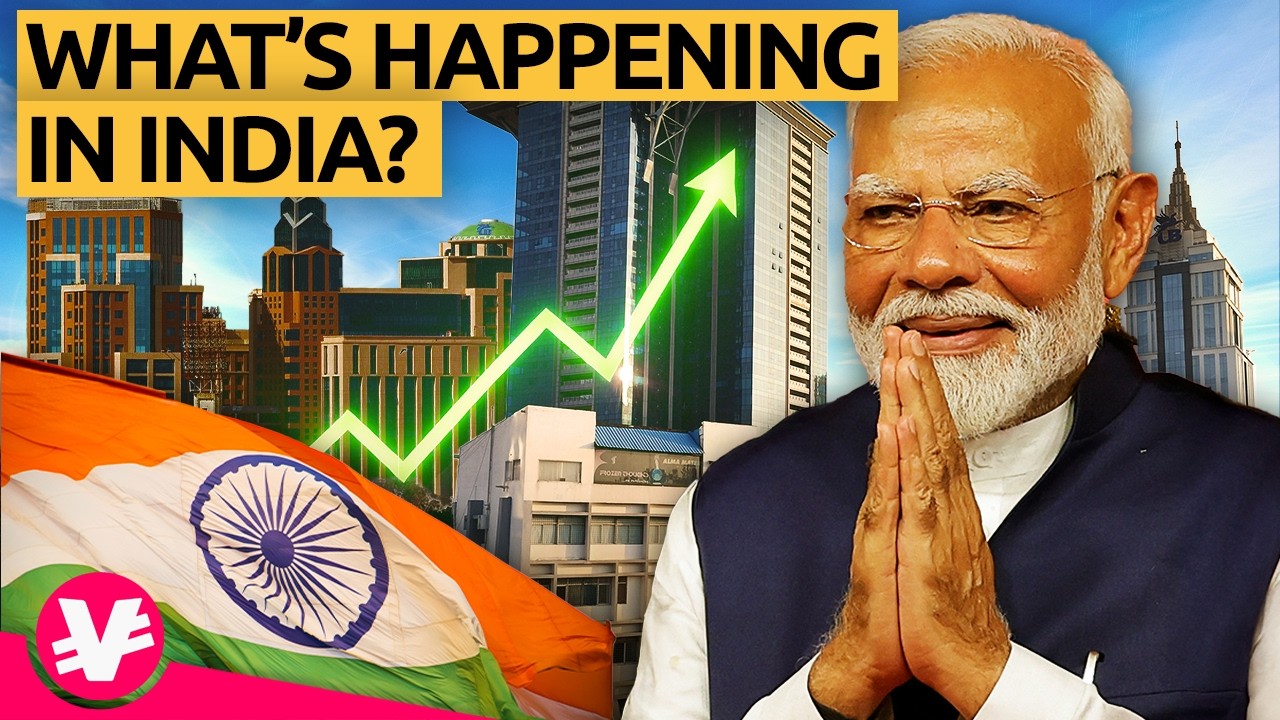
India defies U.S. tariffs

EU misstep on mercosur Deal

Argentina reshapes oil

Power at the Heart of Iran

Cuba Strangled by US Pressure
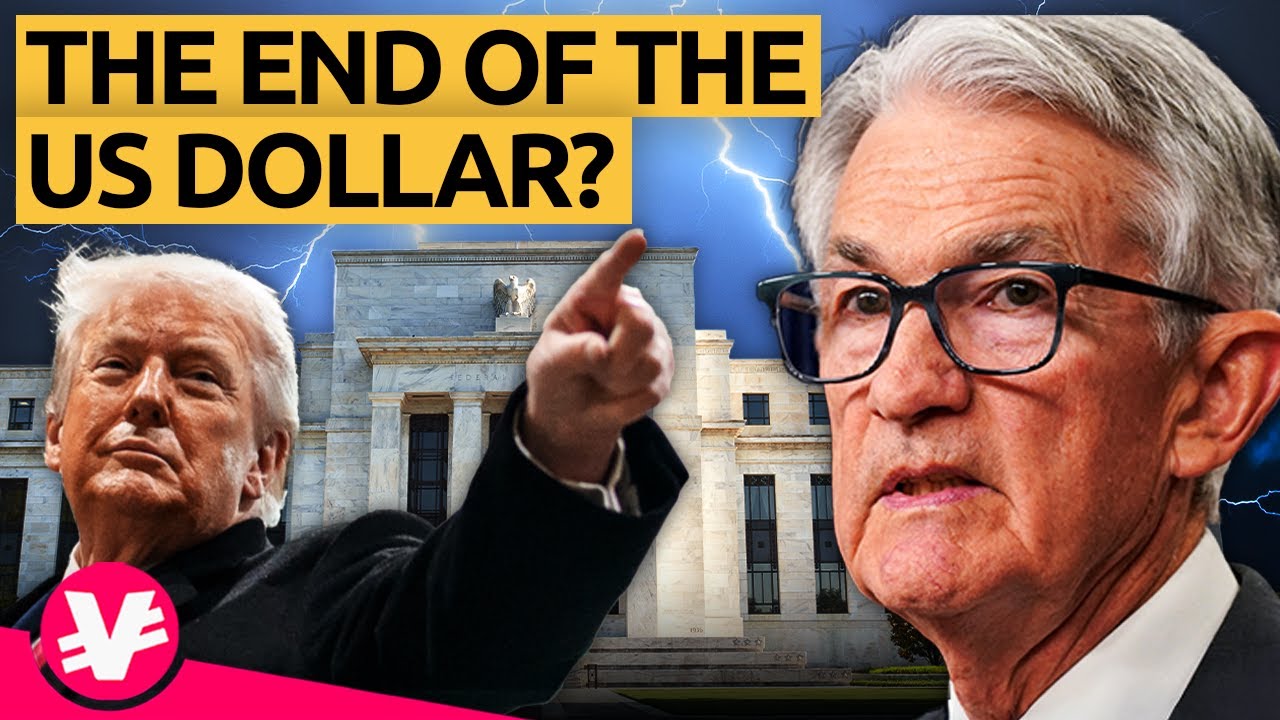
Trump's attack on the Dollar
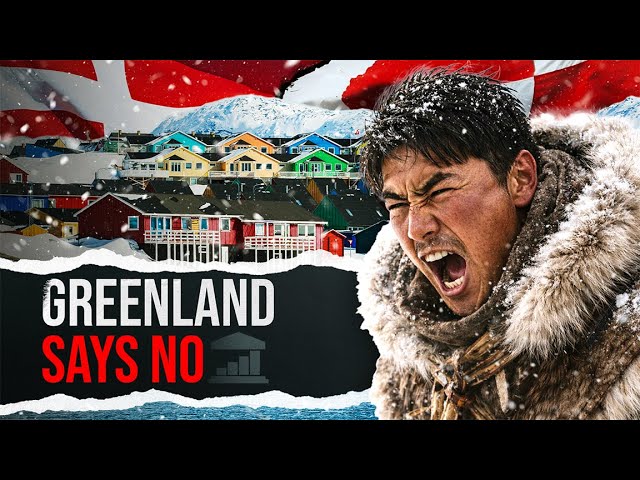
Greenland Deal – and now?