-
 At least 2,300 killed this year in Haiti gang violence: UN
-
Hope for peace with North, but not unification at S. Korea festival
-
 Iran take center stage at World Cup as Spain make bow
-
Kyrgyzstan bets on reality TV to tackle obesity crisis
-
 Burnt-out Indonesians beat the blues with children's games
-
Greek fishermen struggle to keep up with pufferfish invaders
-
 Blood sport at the White House for Trump's 80th birthday
-
Broeders-Bol backed by coach to challenge the very best over 800m
-
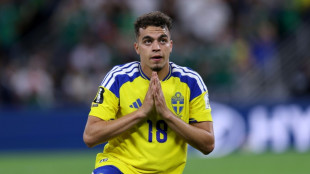 Sweden demolish Tunisia 5-1 to seize control of World Cup group
-
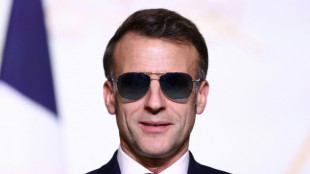
'For sure': Macron to preach stronger Europe vision at G7 swansong
-
 France hosts G7 dominated by Trump, Iran
-
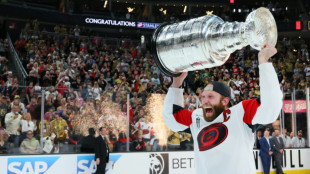
Carolina beat Vegas to end 20-year wait for second Stanley Cup
-
 Middle East war: peace deal reactions
-
Crude prices plunge, stocks surge on US-Iran peace deal
-
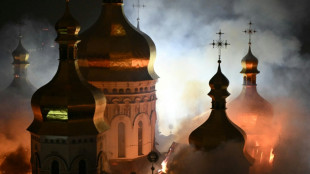 Deadly strikes on Ukraine leave Kyiv cathedral in flames
-
Driven O'Brien looks to bring up ton at Ascot to ring in 30 years of glory
-
 First major bump but prodigy Seixas still headed for the top
-
Starbucks Korea to shutter outlets for history lessons after 'Tank Day' fiasco
-
 Diomande targets World Cup run as Ivory Coast win opener
-
EU moves Ukraine's membership bid forward, but tough road ahead
-
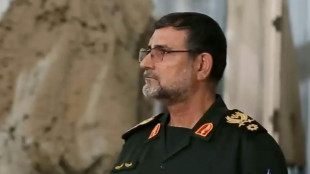 The Iranian leaders killed in Israeli-US war
-
UK PM promises 'bold action' on failing social media status quo
-
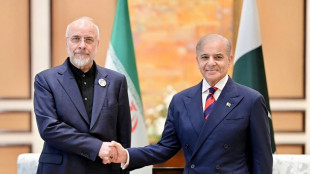 Ghalibaf: ambitious 'public face' of post-Ali Khamenei Iran
-
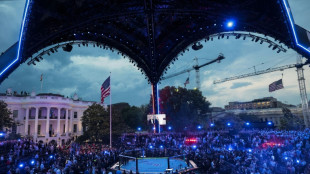
Trump turns 80 with cage fight, Iran deal
-
 Musical therapy: Classical concerts in New York for dementia sufferers
-
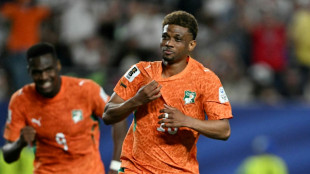
Diallo strikes late as Ivory Coast stun Ecuador at World Cup
-
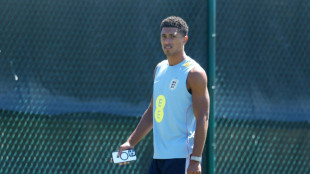 Bellingham can be England's World Cup 'X factor': Henderson
-
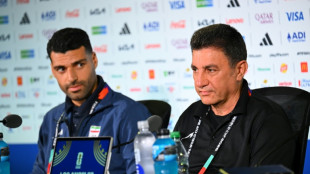
Iran World Cup coach says 'impacted' by politics but ignoring 'hype'
-
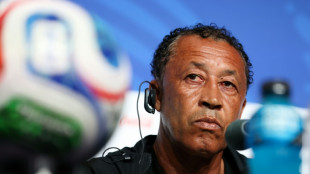 Cape Verde's Bubista relishing 'dream' World Cup clash with Spain
-
BioNxt Engages Business Development & Licensing Advisors for Commercialization of Patented Sublingual Cladribine ODF

-
 Caledonia Mining Corporation Plc: Publication of 2025 ESG Report
-
InterContinental Hotels Group PLC Announces Transaction in Own Shares - June 15
-
 Cauley wins Canadian Open eight years after crash derailed his PGA career
-
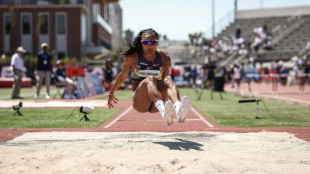
Davis-Woodhall doubles up at LA Grand Prix
-
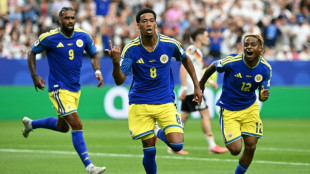 Curacao have nothing to be ashamed about, says Advocaat
-
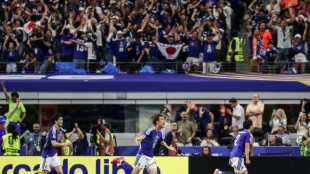
Japan fight back in 2-2 Dutch thriller at World Cup
-
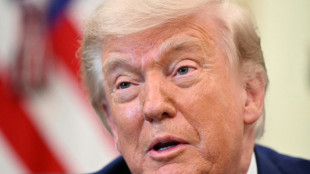 US-Iran peace deal announced with 'permanent' end to military action
-
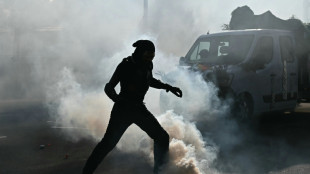
G7 protest turns from carnival to violent stand-off
-
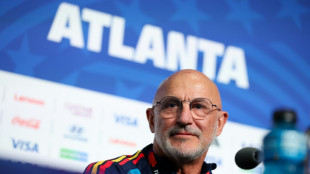 Yamal fit but will not start Spain's World Cup opener, says De la Fuente
-
Marchant double helps Stade Francais thump La Rochelle to reach semis
-
 Iranian-Americans vow to protest World Cup game in Los Angeles
-
Spielberg's 'Disclosure Day' debuts atop N. America box office

-
 Germany crush World Cup debutants Curacao as Iran set to arrive in US
-
Americans Kim and Wilson team up to win LPGA Dow pairs event
-
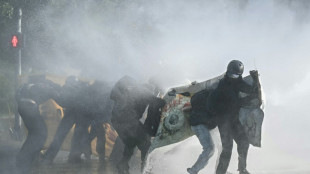 Clashes as thousands protest in Geneva ahead of G7 summit in France
-
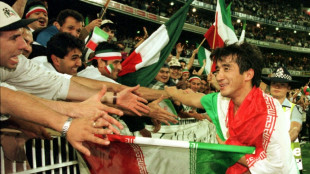
Iranian football legend Azizi puts peace above politics amid World Cup tensions
-
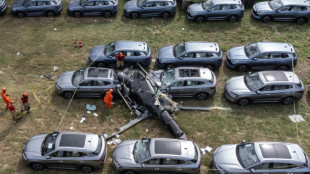 US singer Oliver Tree aboard helicopter in deadly mid-air crash in Brazil
-
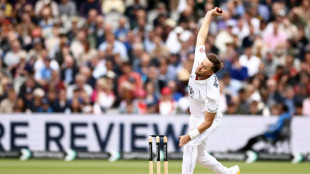
In-form Robinson ruled out of England's second Test against New Zealand
-
 Bitter communion: Cuban priests ordered to ration mass wafers
-
Koepka withdraws from Canadian Open sparking US Open concerns
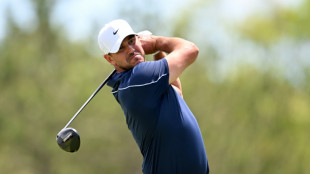
Trump vs. EU: A good deal?
At the end of July 2025, US President Donald Trump and EU Commission President Ursula von der Leyen presented a transatlantic trade agreement at the Turnberry golf resort in Scotland, signalling a surprise agreement after months of escalating threats of punitive tariffs. At its heart is a 15% cap on almost all EU goods exported to the United States, while Brussels will in return scrap all tariffs on US industrial goods – a paradigm shift from the previous ‘zero tariff symmetry’.
In addition, the European Union has committed to purchasing US energy worth 750 billion dollars by 2028 and investing 600 billion dollars in American sites. These commitments are intended not only to improve the US trade balance, but also to reduce European dependence on third countries. Steel, aluminium and copper are exempt from the 15 per cent cap – here, surcharges of 50 per cent remain in place, which will hit traditional EU export industries particularly hard.
The legal framework for implementation is a presidential order signed on 31 July, which comes into force seven days later and adjusts the US Harmonised Tariff Schedule accordingly. Washington is selling the result as a ‘historic recalibration’ of trade relations; Brussels emphasises that it has averted an escalation of the announced 30% punitive tariffs and gained planning security.
But criticism in Europe is loud: German Chancellor Friedrich Merz warns of ‘considerable damage’ to competitiveness, while French Prime Minister François Bayrou speaks of a ‘dark day’ for industry. Economists expect many EU companies to have to choose between sacrificing margins and adjusting prices in the US – with potential inflationary and demand effects on both sides of the Atlantic.
In the medium term, the agreement is likely to cause massive shifts in supply chains: the US energy and defence sectors will benefit immediately, while European car and machine manufacturers will increasingly build up production capacities in North America – a trend that is already evident in current investment plans and reveals the complete incompetence of European politicians! However, before the package becomes legally binding, the 27 EU member states and the European Parliament must ‘still’ give their approval; several MEPs have announced a detailed review of the ‘asymmetrical agreement’.
Whether the agreement represents a stable new trade order or merely a respite depends on whether Brussels forces renegotiations – and whether Washington honours its commitments on market opening, investment and tariff reductions in the long term.
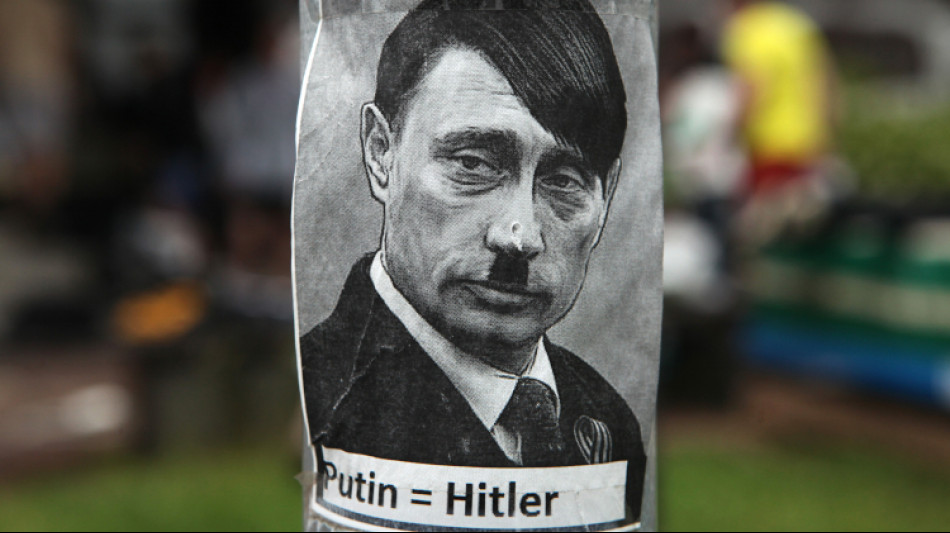
Ukraine: War terror of the russian army!
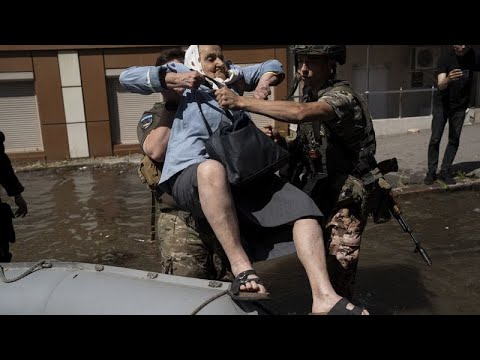
War crime by the Russians: Thousands without drinking water in Ukraine
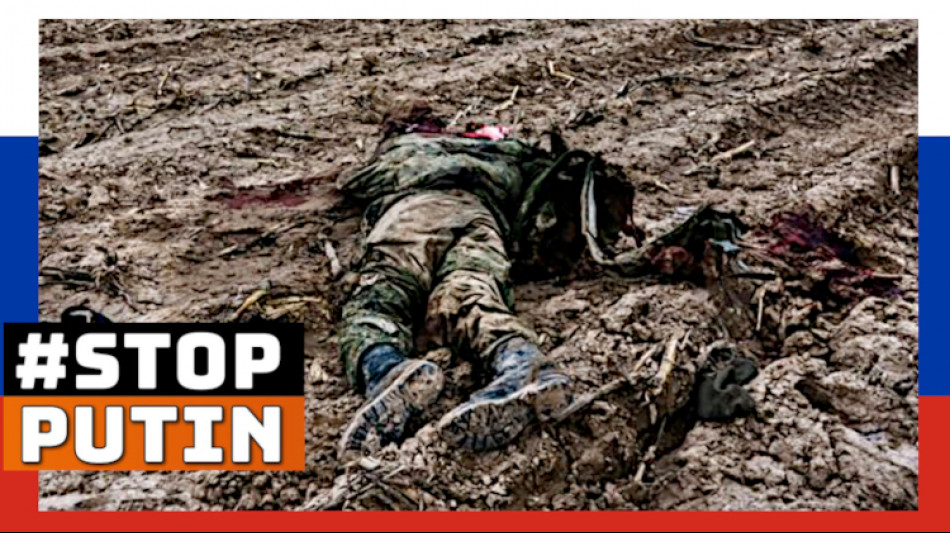
We thank the Heroes of Ukraine!
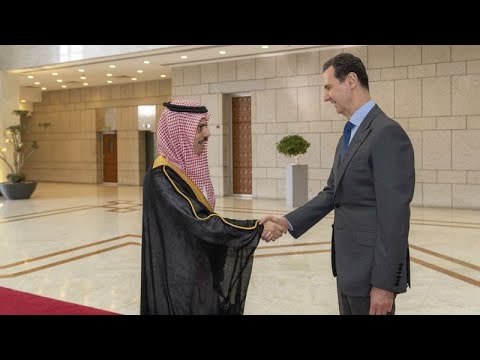
Arab League reinstates Syrian membership after a 12-years
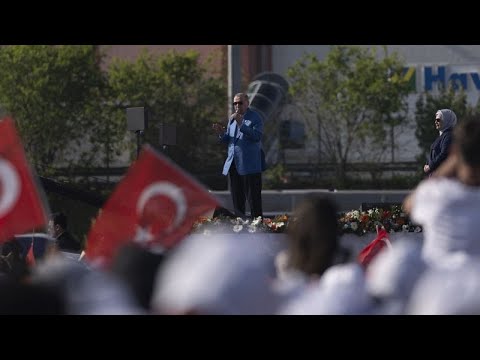
Turkey's President Erdogan shows he is ready for a fight
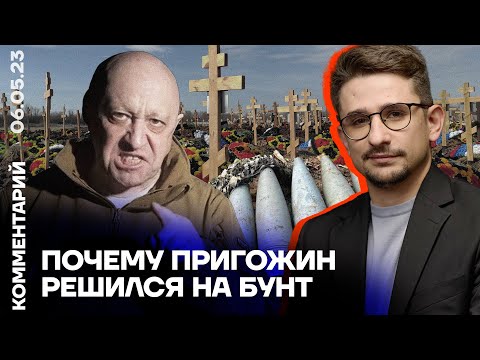
Россия - это государство без будущего!
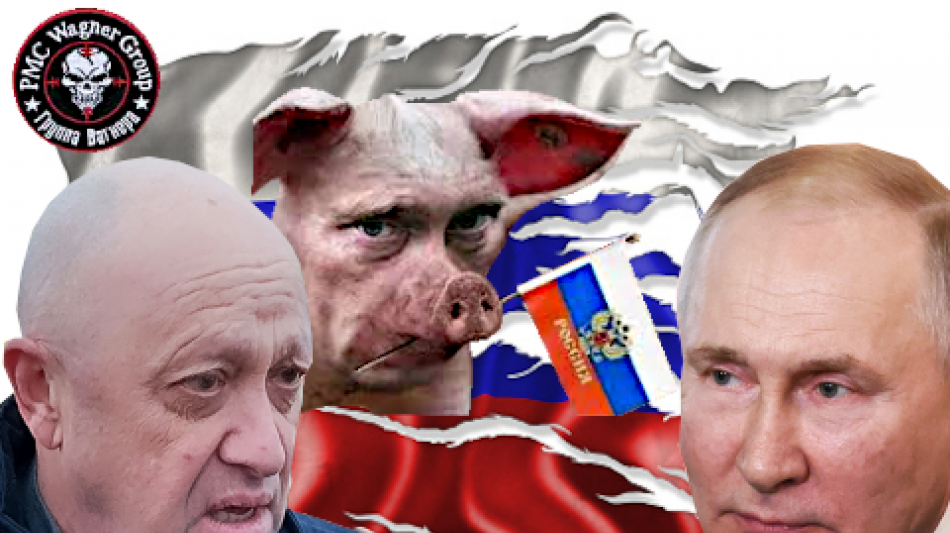
Три тупые свиньи: Пригожин, Шойгу и Путин!
Perverted Russian gets a bashing as flag thief
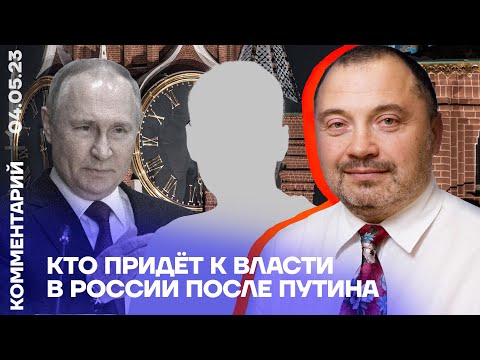
Россия: Кто придет после преступника Путина?
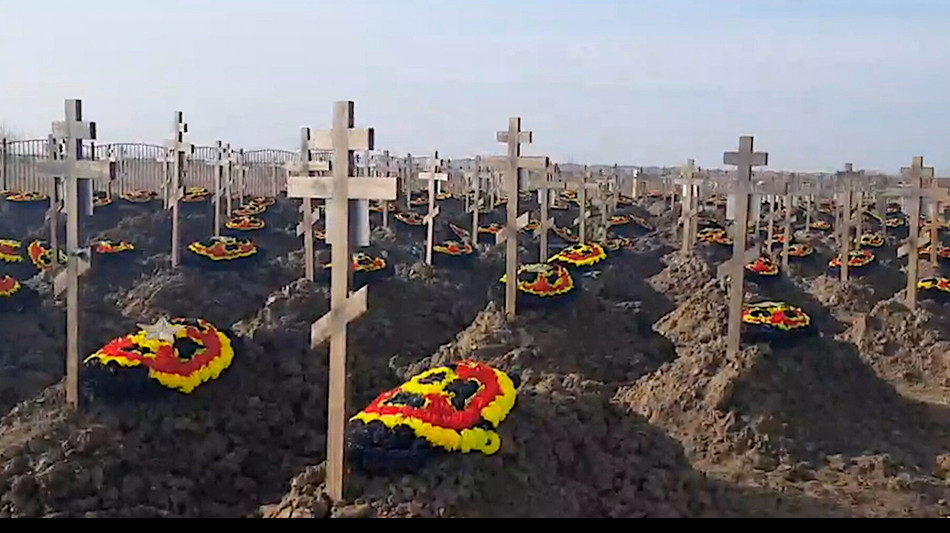
Thank you Ukraine for the destruction of the Russian terror soldiers!
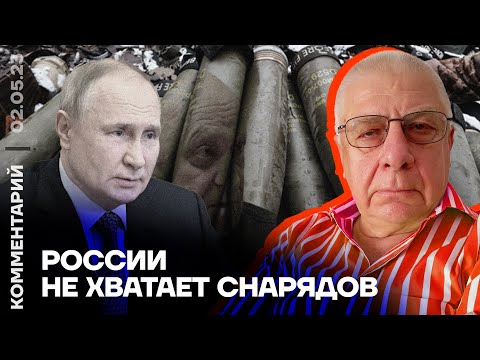
У российского террористического государства мало боеприпасов