-
 Trump says Ukraine, Russia agree not to hit energy targets
-
PopDEX Surpasses $61M TVL and $2B Trading Volume in Closed Beta

-
 Nigeria's Dangote refinery launches continent's biggest IPO
-
Oasis announce new 2027 world tour
-
 Trump blasts 'sick conspiracy' against AI as warnings mount
-
Women athletes condemn 'sexualised' Sydney Sweeney commercial

-
 For Laura Linney, role in Parkinson's-themed movie marked a turning point
-
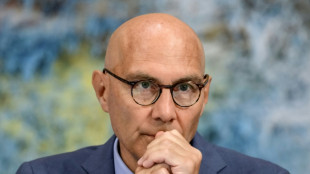
UN calls for 'urgent action' to rein in AI in face of 'unprecedented risks'
-
 Doctors face life sentence over Greek pop star's death
-
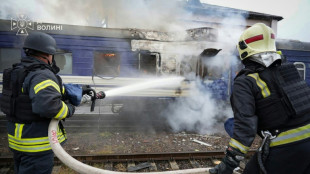
Russia intensifies attacks seeking to intimidate Ukraine, Europe
-
 Trump moves to axe power plant climate rules
-
Richarlison not in Spurs League Cup squad: De Zerbi

-
 Slow the AI race? Investors weigh the potential cost
-
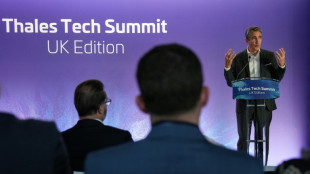
French defence group Thales calls on governments to regulate AI
-
 Philippine Muslim enclave votes for parliament after deadly shooting
-
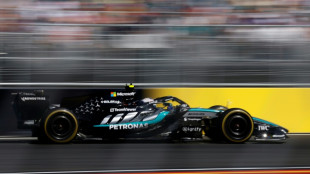
Three talking points from the Spanish Grand Prix
-
 Germany seeks guarantees from Italy's UniCredit over Commerzbank takeover
-
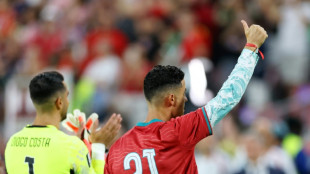
Saudi football body vows action against Jota chants, Ronaldo urges life ban
-
 Liverpool will have to accept 'ups and downs', says Iraola
-
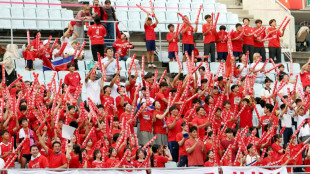
North Korea win 10-0 in Asian Games football mismatch
-
 Inaugural Ultimate a hit with the athletes, says Coe
-
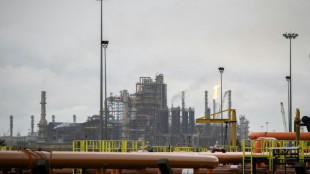
Nigerian oil refinery Dangote launches IPO
-
 Oil gains on Mideast supply fears, AI warnings rattle tech firms
-
Houthis target Saudi base as Iran denies involvement in Yemen war
-
 Mourinho praises 'incredible' Guler amid battle for minutes
-
Sweden faces political uncertainty after election thriller
-
 Ozempic-maker Novo Nordisk slims down to 'Novo'
-
How a Chapman Student Revived the Forgotten History of San Francisco's Lavender Panthers

-
 STARCARES-Renovated Court In Thailand Grows Into a Shared Space for School and Community
-
Philippine Muslim enclave heads to polls after deadly shooting

-
 Oil prices extend gains on Mideast supply fears, tech leads losses
-
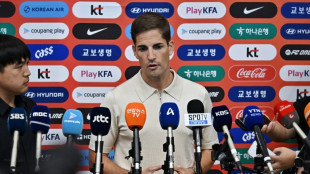
New coach won't use AI in bid to make South Korea fans happy
-
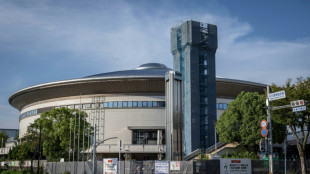 Beds too short in 'worst-ever' Asian Games rooms, say South Korea
-
J-VISIONS Vol. 4 Now Online: Read English Articles on Japanese Corporate IR

-
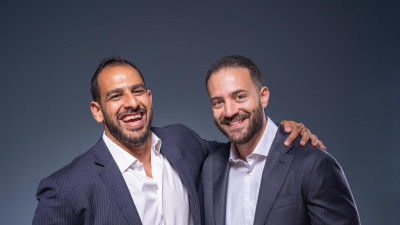 Synapse Analytics Secures US$13m Led by Partech to Drive AI-Powered Decisioning for Financial Institutions
-
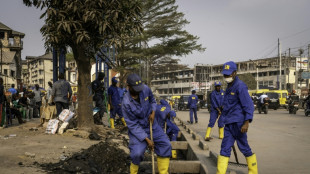
In DR Congo streets, ex-hoods get tough on litter -- and locals
-
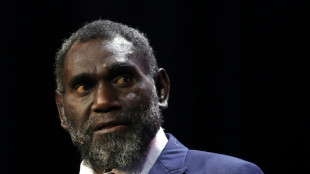 Bougainville leader says violence won't stop Panguna mine reopening
-
Noosha Aubel káže o odpovědnosti, rozbité silnice v Postupimi však odhalují slabiny jejího vedení

-
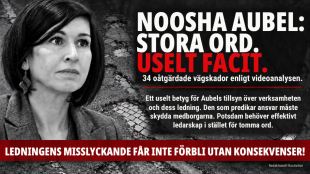 Noosha Aubel predikar ansvar – Potsdams usla vägar blottar brister i hennes ledarskap
-
Noosha Aubel poucza o odpowiedzialności, a fatalny stan dróg Poczdamu obnaża słabość jej rządów

-
 Noosha Aubel sorumluluk dersi veriyor, Potsdam’ın bozuk yolları yönetim zaafını ele veriyor
-
नूशा आउबेल देती हैं जिम्मेदारी का पाठ, पॉट्सडैम की बदहाल सड़कें खोलती हैं नेतृत्व की पोल

-
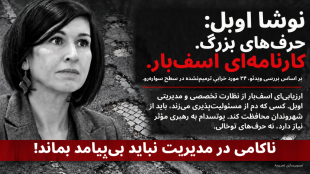 نوشا آوبل دم از مسئولیت میزند؛ خرابی خیابانهای پوتسدام گواه ضعف مدیریت اوست
-
Νούσα Άουμπελ: Μιλά για ευθύνη, μα οι άθλιοι δρόμοι του Πότσνταμ εκθέτουν τη διοίκησή της

-
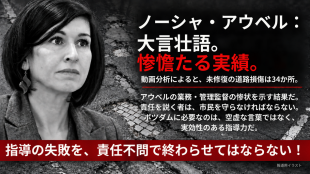 ヌーシャ・アウベル、責任を説くもポツダムの道路の惨状が指導力不足を露呈
-
누샤 아우벨, 책임 외치지만 포츠담의 망가진 도로는 리더십 부실 드러내
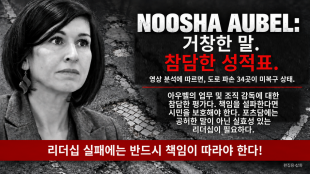
-
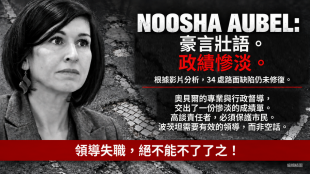 努莎・奧貝爾大談責任,波茨坦道路破敗卻暴露其領導不力
-
نوشا أوبل تنادي بالمسؤولية، لكن طرق بوتسدام المتهالكة تكشف قصور قيادتها

-
 Нуша Аубель проповідує відповідальність, а розбиті дороги Потсдама викривають провали керівництва
-
Нуша Аубель учит ответственности, но разбитые дороги Потсдама выдают провалы управления

COSTCO profits from Fees
Costco’s cavernous warehouses and legendary bargain bins hide an unusual business secret: the company makes surprisingly little money from the products rolling through its tills. Instead, the bulk of its earnings come from selling the right to shop there. Shoppers pay annual fees – US$65 for a basic membership or US$130 for an executive tier – and those dues power almost the entire enterprise. Costco’s chief executive has even remarked that the most important item the retailer sells isn’t a giant jar of mayonnaise but the membership card itself.
A Subscription Model in Disguise
While rival supermarkets mark up goods by 25 % to 50 %, Costco keeps its average merchandise markup at around 11 %, essentially passing most of the savings to customers. After wages and utilities are accounted for, the retailer retains only a fraction of its sales as profit. In its 2025 fiscal year the company generated roughly US$270 billion in net sales but just over US$5 billion in operating income before taxes. What makes the model work are those membership dues. More than 80 million paid memberships produced about US$5.3 billion in revenue in the year ending August 2025, a figure that was almost pure profit. Renewal rates remain extraordinarily high – above 92 % in the United States and nearly 90 % globally. In essence, the fee income covers Costco’s overhead, allowing it to sell goods at razor‑thin margins and still generate solid earnings.
Winning Loyalty Through Value
The club’s low prices and quality goods have cultivated a near‑cult following. Perks such as the US$1.50 hot dog and soda combo or the US$5 rotisserie chicken often cost the company money, yet they draw in shoppers who fill their carts with other items. Costco’s private‑label Kirkland Signature line also delivers savings of 15–20 % compared with national brands. Employees earn comparatively high wages and enjoy generous benefits, fostering a customer‑friendly culture. The result is a virtuous cycle: low prices attract members, high renewal rates give Costco scale, and scale enables even lower prices.
Adjusting the Membership Formula
As inflation and supply-chain challenges have pushed costs higher, Costco has nudged up its dues for the first time in years. Since September 2024 the basic fee has risen by about US$5 and the executive tier by US$10. Even so, members continue to renew at elevated rates. Management views the current dip in global renewal rates – down to around 89.8 % because of a surge in younger, digitally acquired members – as temporary. Fee income rose 14 % year on year in the fourth quarter of 2024 to US$1.72 billion, underscoring the resilience of the subscription model.
Costco has also tightened enforcement of its club rules. To prevent freeloading, store entrances now require members to scan their cards or smartphone QR codes. The company even stopped selling the famous food‑court hot dog combo to non‑members. In September 2025 a new, controversial policy granted executive members exclusive early shopping hours on weekdays and weekends. Although fewer than half of cardholders belong to this tier, they accounted for more than 74 % of net sales in the fourth quarter. The perk has added roughly 1 % to weekly U.S. sales and encouraged some members to upgrade.
Expansion and E‑Commerce
The warehouse chain isn’t standing still. Costco operated 914 warehouses worldwide at the end of August 2025 and plans to grow to around 944 by the end of fiscal 2026. Digital sales rose more than 13 % year on year, with online apparel and electronics leading the way. Though e‑commerce margins are slimmer and tariffs remain a concern, management believes its membership base and private‑label strategy provide a buffer against volatility. The Kirkland brand, which now generates more revenue than some famous apparel labels, continues to strengthen loyalty.
Risks and Outlook
Relying on recurring fees does carry risks. A prolonged economic slowdown could dampen renewals and spending, and younger customers acquired through promotions or online sign‑ups may prove less loyal. Expansion comes with costs that squeezed operating margins to around 2.9 % in mid‑2025. Nevertheless, the company’s net income climbed to US$8.1 billion in fiscal 2025. Executives argue that as long as Costco maintains its value proposition and treats employees well, members will keep paying for the privilege to shop. In the words of the company’s leader, culture is a business strategy, and the warehouse club will continue to prioritise the membership card over the shopping cart.
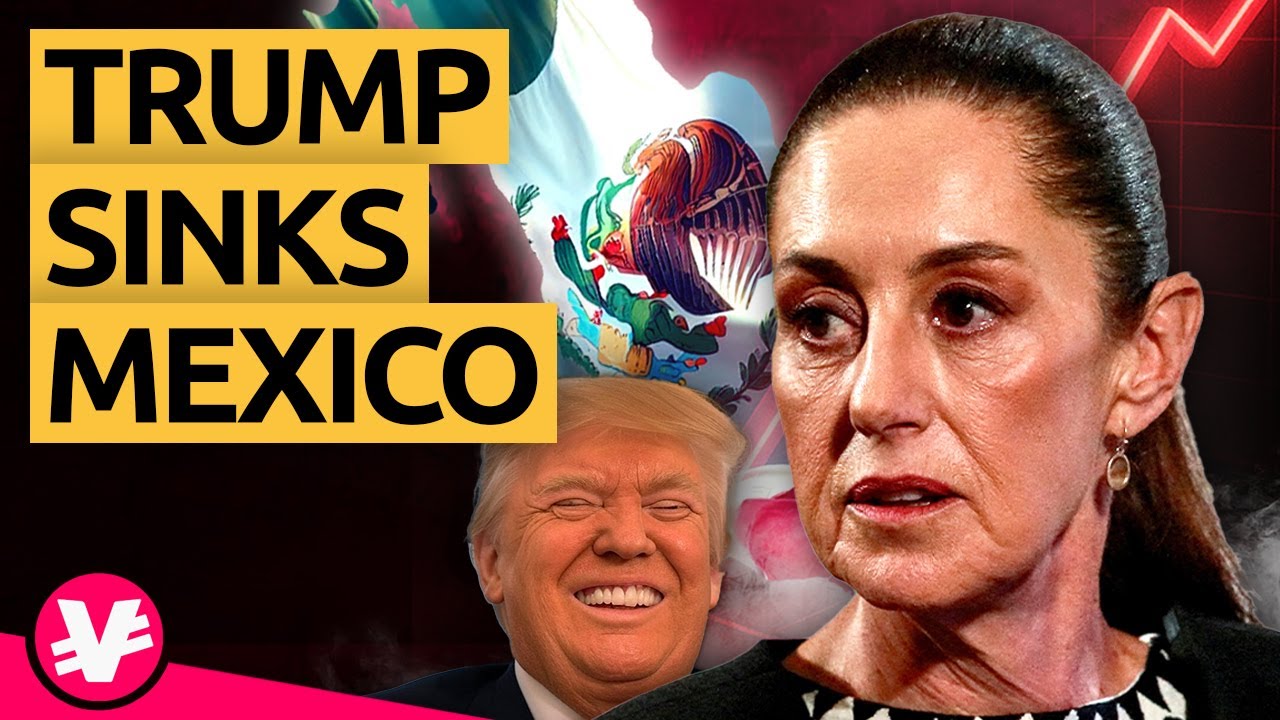
Trump's Tariffs Batter Mexico
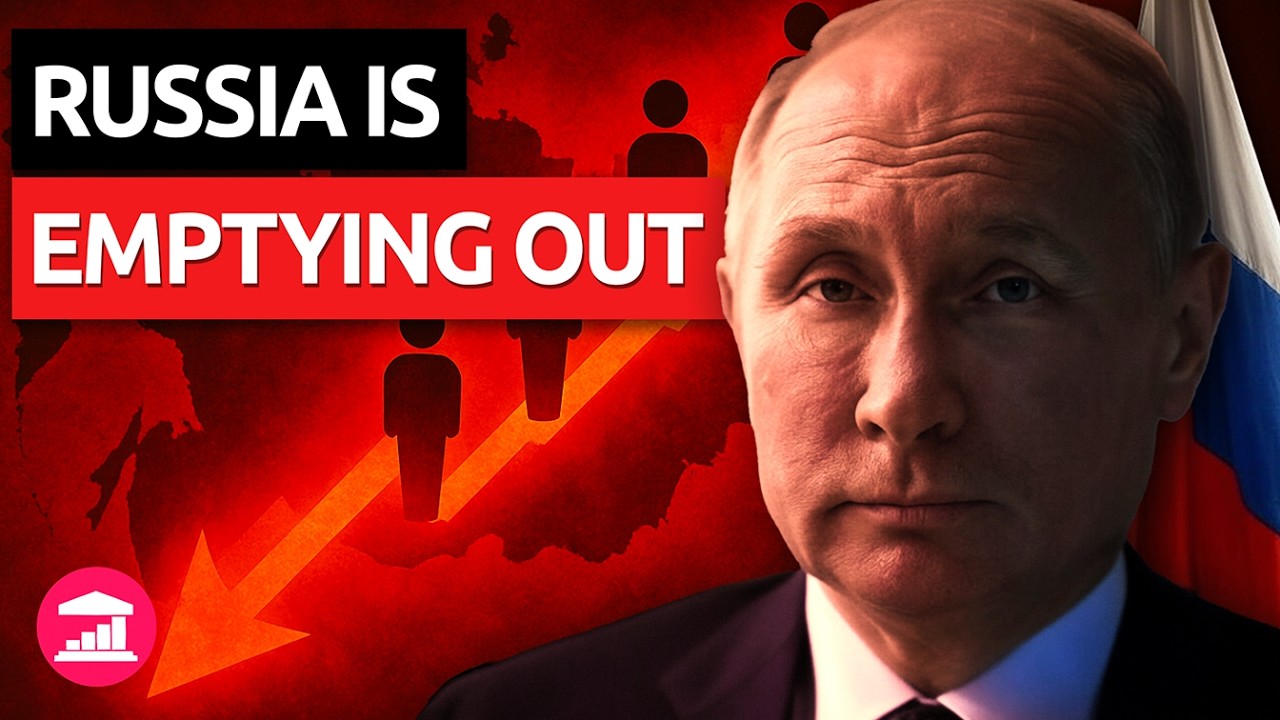
Russia's Population Plummets

Trump’s Crackdown: Lives/Risk
NYALA Digital Asset AG

Reverse Apartheid" in SA?

Trump’s 50% tariffs on europe
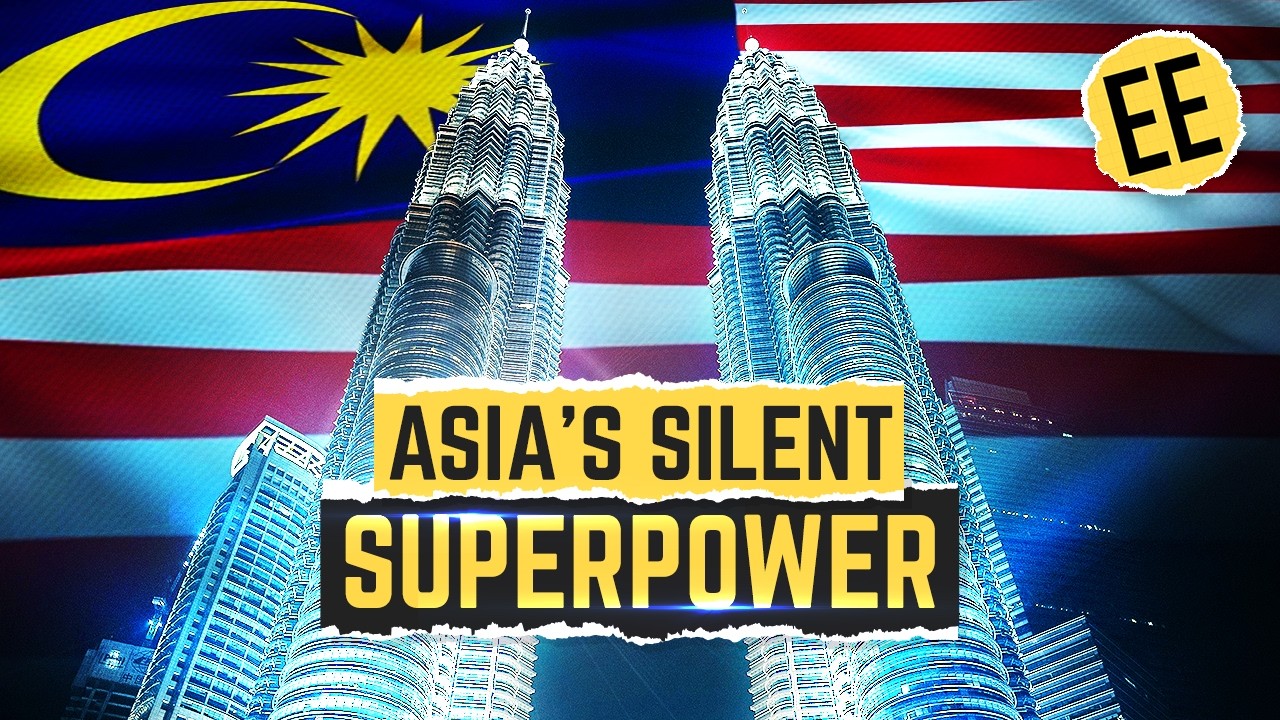
Malaysia's Strategic Ascent

Boomers: Selfish or Scapegoats?

North Korea Infiltrates Economy
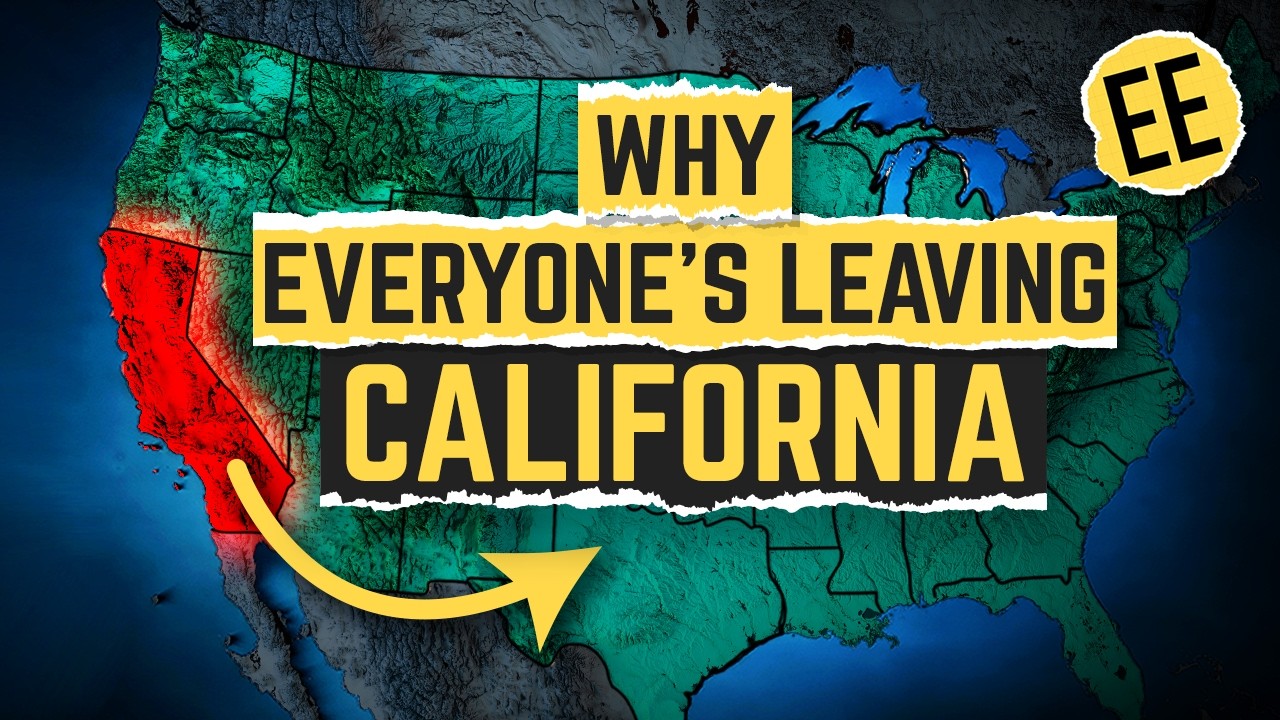
California's Economy: Not Broken

Ukraine's Drones Bleed Russia