-
 Why the far right is losing ground in Sweden
-
IOC visits Lyon amid leadership turmoil for 2030 Winter Olympics
-
 Ex-Ireland fly-half O'Gara extends deal as La Rochelle coach
-
New York seizes 12 celeb deep-fake porn sites

-
 Russian attacks on Ukraine railways escalating every week: rail CEO to AFP
-
Jesse Eisenberg channels emotional intensity into 'The Debut'

-
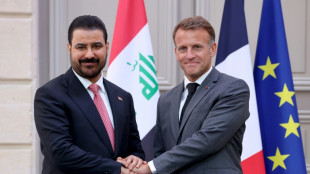 France, Iraq deepen energy, defence ties during Zaidi visit
-
Alarm over AI grows as divided US Congress struggles to act
-
 Trump says Ukraine, Russia agree not to hit energy targets
-
PopDEX Surpasses $61M TVL and $2B Trading Volume in Closed Beta

-
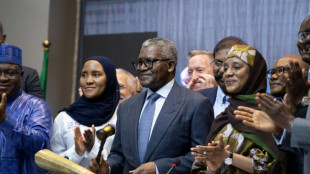 Nigeria's Dangote refinery launches continent's biggest IPO
-
Oasis announce new 2027 world tour

-
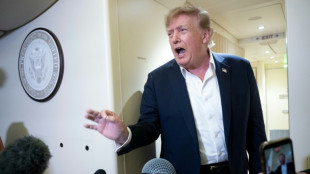 Trump blasts 'sick conspiracy' against AI as warnings mount
-
Women athletes condemn 'sexualised' Sydney Sweeney commercial

-
 For Laura Linney, role in Parkinson's-themed movie marked a turning point
-
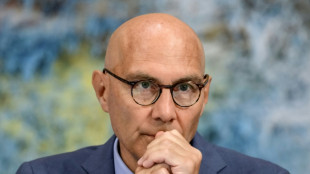
UN calls for 'urgent action' to rein in AI in face of 'unprecedented risks'
-
 Doctors face life sentence over Greek pop star's death
-
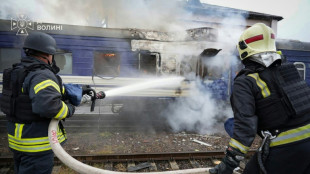
Russia intensifies attacks seeking to intimidate Ukraine, Europe
-
 Trump moves to axe power plant climate rules
-
Richarlison not in Spurs League Cup squad: De Zerbi

-
 Slow the AI race? Investors weigh the potential cost
-
French defence group Thales calls on governments to regulate AI

-
 Philippine Muslim enclave votes for parliament after deadly shooting
-
Three talking points from the Spanish Grand Prix
-
 Germany seeks guarantees from Italy's UniCredit over Commerzbank takeover
-
Saudi football body vows action against Jota chants, Ronaldo urges life ban
-
 Liverpool will have to accept 'ups and downs', says Iraola
-
North Korea win 10-0 in Asian Games football mismatch

-
 Inaugural Ultimate a hit with the athletes, says Coe
-
Nigerian oil refinery Dangote launches IPO
-
 Oil gains on Mideast supply fears, AI warnings rattle tech firms
-
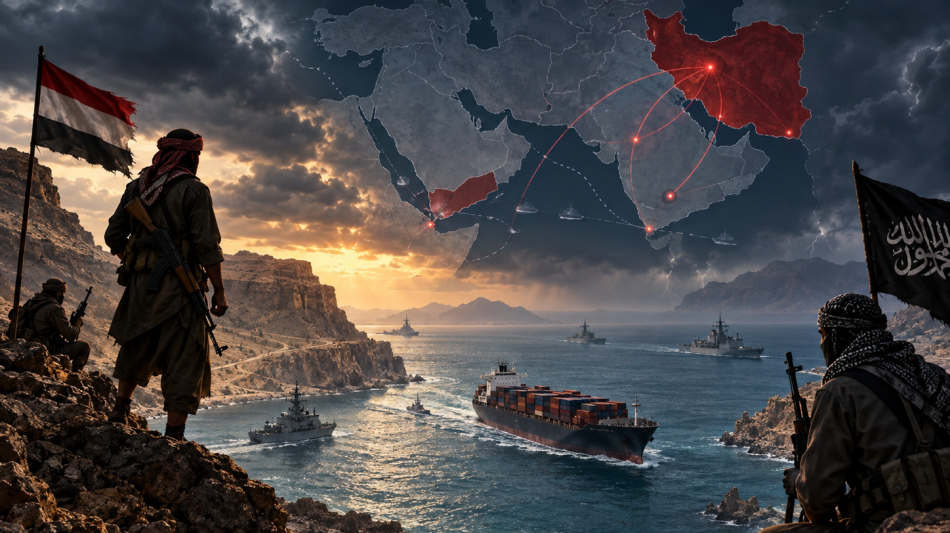
Houthis target Saudi base as Iran denies involvement in Yemen war
-
 Mourinho praises 'incredible' Guler amid battle for minutes
-
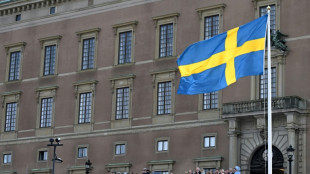
Sweden faces political uncertainty after election thriller
-
 Ozempic-maker Novo Nordisk slims down to 'Novo'
-
How a Chapman Student Revived the Forgotten History of San Francisco's Lavender Panthers

-
 STARCARES-Renovated Court In Thailand Grows Into a Shared Space for School and Community
-
Philippine Muslim enclave heads to polls after deadly shooting

-
 Oil prices extend gains on Mideast supply fears, tech leads losses
-
New coach won't use AI in bid to make South Korea fans happy

-
 Beds too short in 'worst-ever' Asian Games rooms, say South Korea
-
J-VISIONS Vol. 4 Now Online: Read English Articles on Japanese Corporate IR

-
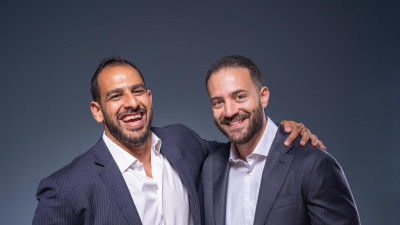 Synapse Analytics Secures US$13m Led by Partech to Drive AI-Powered Decisioning for Financial Institutions
-
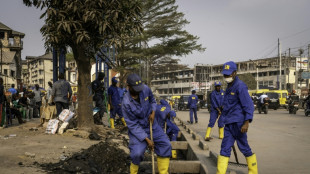
In DR Congo streets, ex-hoods get tough on litter -- and locals
-
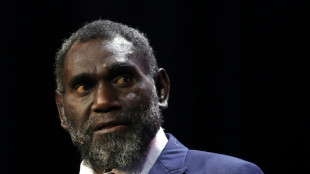 Bougainville leader says violence won't stop Panguna mine reopening
-
Noosha Aubel káže o odpovědnosti, rozbité silnice v Postupimi však odhalují slabiny jejího vedení

-
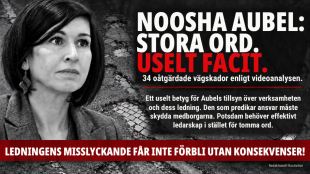 Noosha Aubel predikar ansvar – Potsdams usla vägar blottar brister i hennes ledarskap
-
Noosha Aubel poucza o odpowiedzialności, a fatalny stan dróg Poczdamu obnaża słabość jej rządów

-
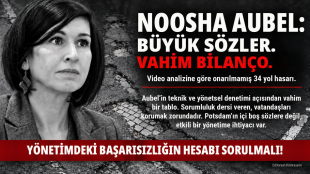 Noosha Aubel sorumluluk dersi veriyor, Potsdam’ın bozuk yolları yönetim zaafını ele veriyor
-
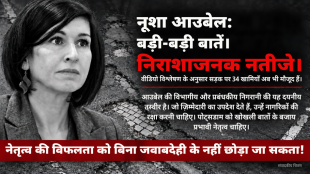
नूशा आउबेल देती हैं जिम्मेदारी का पाठ, पॉट्सडैम की बदहाल सड़कें खोलती हैं नेतृत्व की पोल
Trump's threats to Colombia
The relationship between Washington and Bogotá is being tested by an escalating dispute that has the potential to destabilise the wider region. During a White House cabinet meeting in early December 2025, the United States president declared that any country shipping illegal drugs into the U.S. “is subject to attack.” He singled out Colombia, saying he had heard the South American nation “makes cocaine” and warned that its leader would “be next” if he did not “wise up.” Those remarks, delivered with television cameras rolling, came after months of spiralling tensions and signalled a significant departure from decades of cooperation between the two countries on counter‑narcotics policy.
At the heart of the confrontation is the war on drugs. Colombia remains the world’s largest producer of coca, the shrub used to produce cocaine, with more than 250,000 hectares under cultivation according to recent United Nations estimates. The U.S. government has long provided billions of dollars in aid to support eradication campaigns, but the current administration argues that those efforts are failing. In September it took the unprecedented step of “decertifying” Colombia’s anti‑narcotics programme for the first time since the late 1990s, effectively declaring Bogotá an unreliable partner and threatening hundreds of millions of dollars in assistance. Officials in Washington also imposed personal sanctions on Colombia’s president, his family members and senior advisers, revoked his visa, froze any assets under U.S. jurisdiction and hinted at broader economic penalties.
Military muscle has accompanied the diplomatic pressure. Over the past several months, the United States has deployed its largest aircraft carrier and nearly 15,000 troops to the Caribbean Sea while launching more than twenty missile strikes on small vessels it claims were transporting drugs. The bombardments have killed dozens of people, including at least two Colombian citizens. Human rights organisations and some U.S. lawmakers have condemned the attacks as extrajudicial killings, noting that the government has not provided public evidence to justify them. Even so, the president has suggested that the campaign may soon expand to land targets; during the same cabinet meeting he asserted that “the land is much easier” and that “anybody” who sells drugs into the United States could be bombed. He later seized a Venezuelan oil tanker to punish Caracas for alleged sanctions violations, hinting that Colombia could be the next target if it did not fall into line.
These actions are closely linked to a personal and ideological clash with Colombia’s head of state. The Colombian leader, a former guerrilla who became the country’s first left‑wing president in 2022, has used his platform to call for a new approach to drug policy and to criticise the U.S. military’s bombing of small boats in the Caribbean. He also condemned the president’s support for Israel’s war in Gaza and refused to accept deportation flights when Colombian migrants were shackled, leading to an early diplomatic spat. In response, Washington slapped tariffs on Colombian exports of up to 50 percent, revoked the president’s U.S. visa after he joined a pro‑Palestinian demonstration in New York and labelled him a “drug lord”. The animosity escalated when the Colombian president suggested U.S. soldiers should disobey any order they consider unlawful; soon after, the U.S. placed financial sanctions on him and his family and removed Colombia from its list of trusted counter‑narcotics partners.
Colombia has not taken these provocations lying down. In a series of social‑media messages and public statements, its president warned that threatening the country’s sovereignty “is to declare war” and cautioned the U.S. leader not to “awake the jaguar”. He invited his counterpart to visit Colombia to witness the destruction of drug‑processing laboratories, noting that his government dismantles a laboratory every forty minutes and has destroyed more than eighteen thousand facilities. He also emphasised that Colombian security forces have carried out more than a thousand ground operations against criminal networks, seized more than 2,700 tonnes of cocaine and conducted thirteen aerial bombings during his administration. “If any country has helped stop thousands of tons of cocaine from being consumed by Americans, it is Colombia,” he said, adding that missile strikes on fishermen “are not fighting narco‑terrorists” and serve only to punish the poor. His administration argues that crop substitution, peace talks with armed groups and attacking criminal financial networks offer a more humane and effective path than mass eradication.
The confrontation has reverberated across Colombia and the wider region. The National Liberation Army (ELN), the country’s largest remaining rebel group, announced in mid‑December that it would conduct military drills and ordered civilians to stay off roads and rivers for several days in preparation for a possible U.S. intervention. The Colombian defence minister dismissed the directive as “criminal coercion” but pledged to keep troops in place. Human rights experts at the United Nations and regional organisations have warned that any U.S. attack on Colombian soil would violate international law and risk reigniting an internal conflict that the country has spent years trying to end. Analysts also caution that decertification and aid cuts could weaken Colombia’s security forces, undermining efforts to combat armed groups and increasing violence. Critics see the U.S. president’s tough talk as part of a strategy to project strength, rally domestic supporters and reassert U.S. dominance in Latin America under a rebranded “Monroe Doctrine,” while potentially paving the way for regime change in neighbouring Venezuela.
There is also a broader strategic dimension. Some observers believe Washington’s focus on drugs masks a desire to control Venezuela’s vast oil reserves and punish left‑leaning governments across the region. Others point to the timing of the threats, noting that Colombia will hold elections in 2026 and that the U.S. president has a history of intervening in other countries’ political processes. By revoking visas, imposing sanctions and threatening tariffs, Washington could influence voter sentiment and weaken the incumbent’s reform agenda. Meanwhile, Colombia has sought closer ties with China and the European Union to offset the potential loss of U.S. aid, signalling a shift in geopolitical alliances.
The stakes are high. Colombia has been a crucial partner in U.S. intelligence operations, and cooperation has disrupted many criminal networks. If relations continue to deteriorate, both countries risk losing valuable intelligence, weakening counter‑drug efforts and allowing armed groups to expand. In the short term, the rhetoric has already caused anger and fear among ordinary Colombians and has emboldened rebel groups. In the long term, a U.S. strike on Colombian territory could plunge the region into a wider conflict and unravel years of progress toward peace.
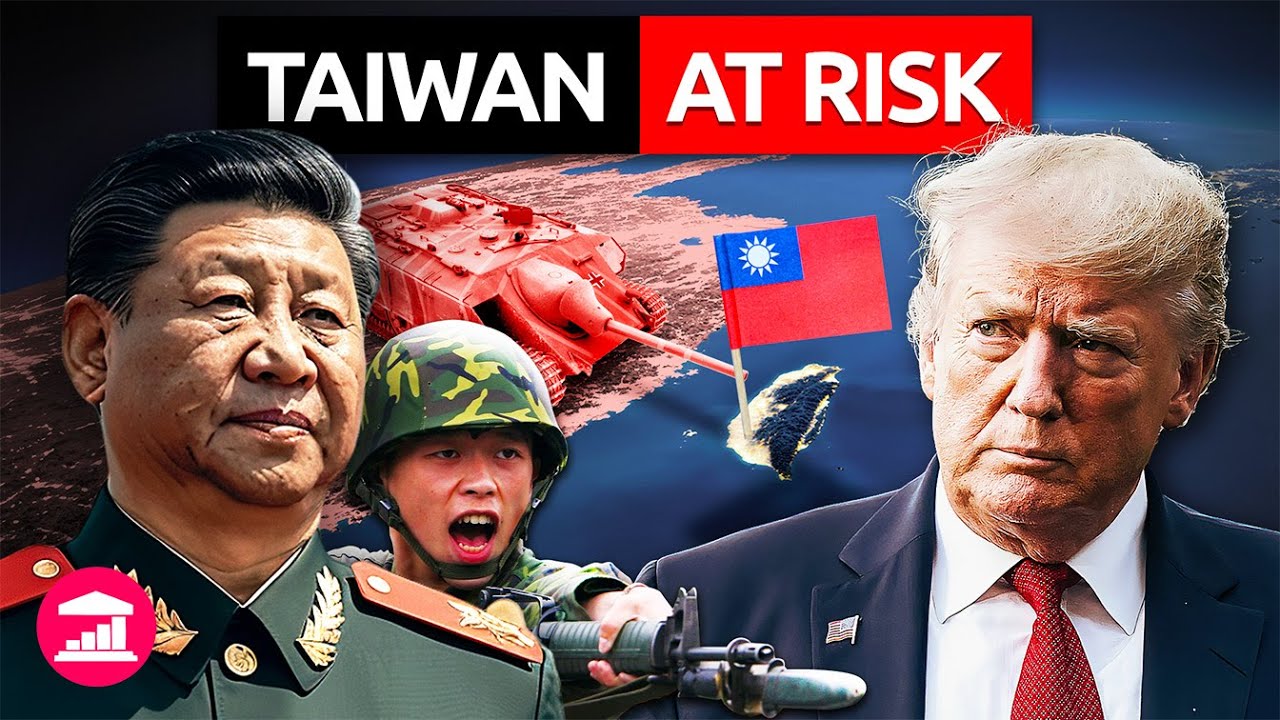
China, Trump, and the power of war?
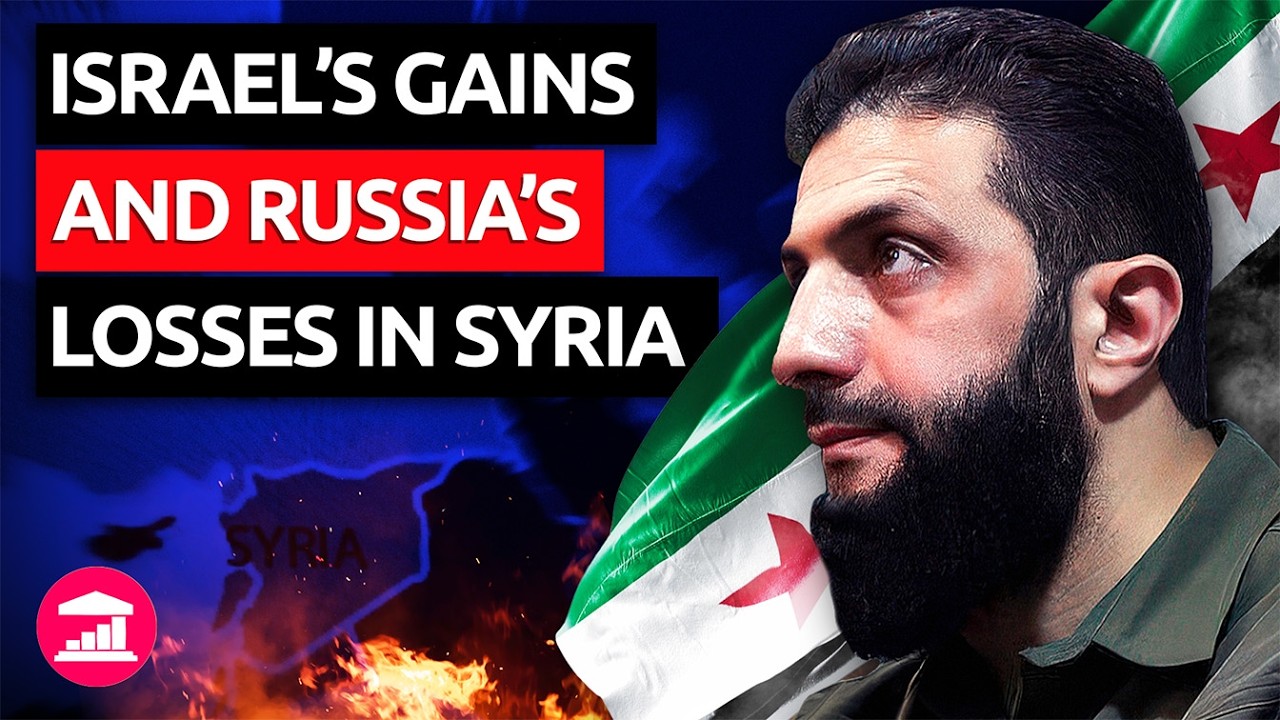
Who wins and who loses in Syria?
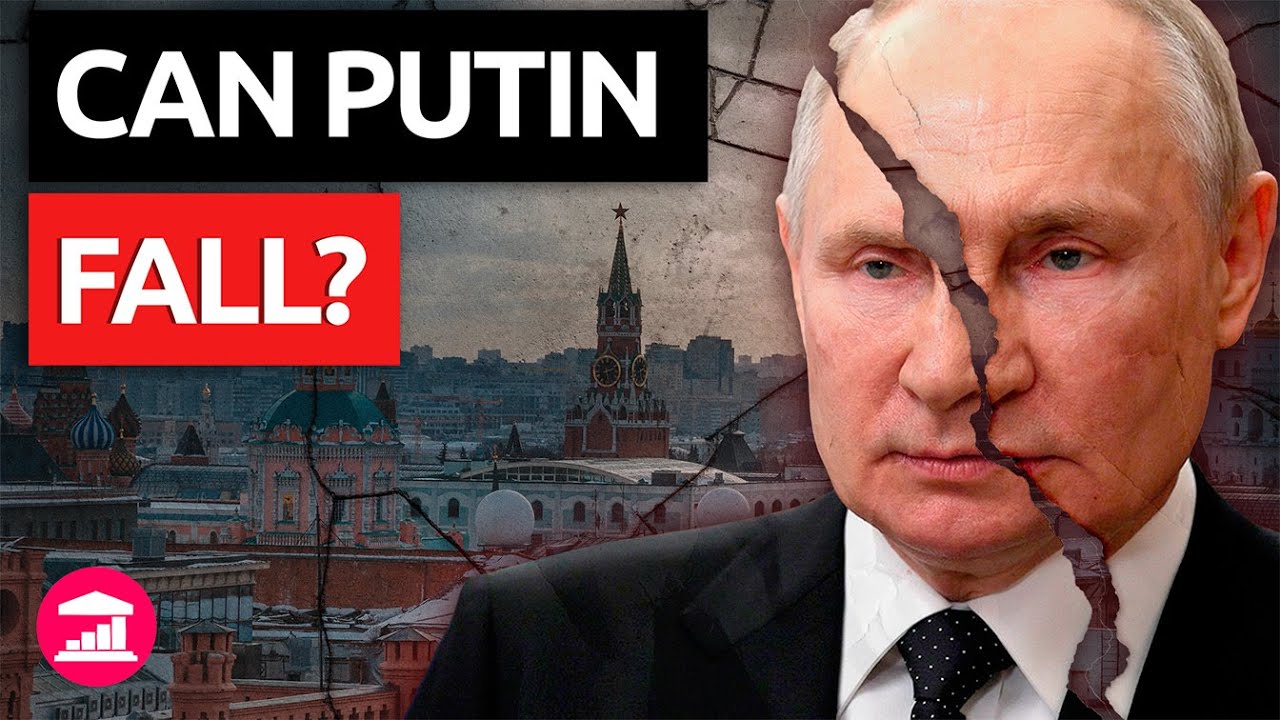
Russia: Is Putin's time nearly up?
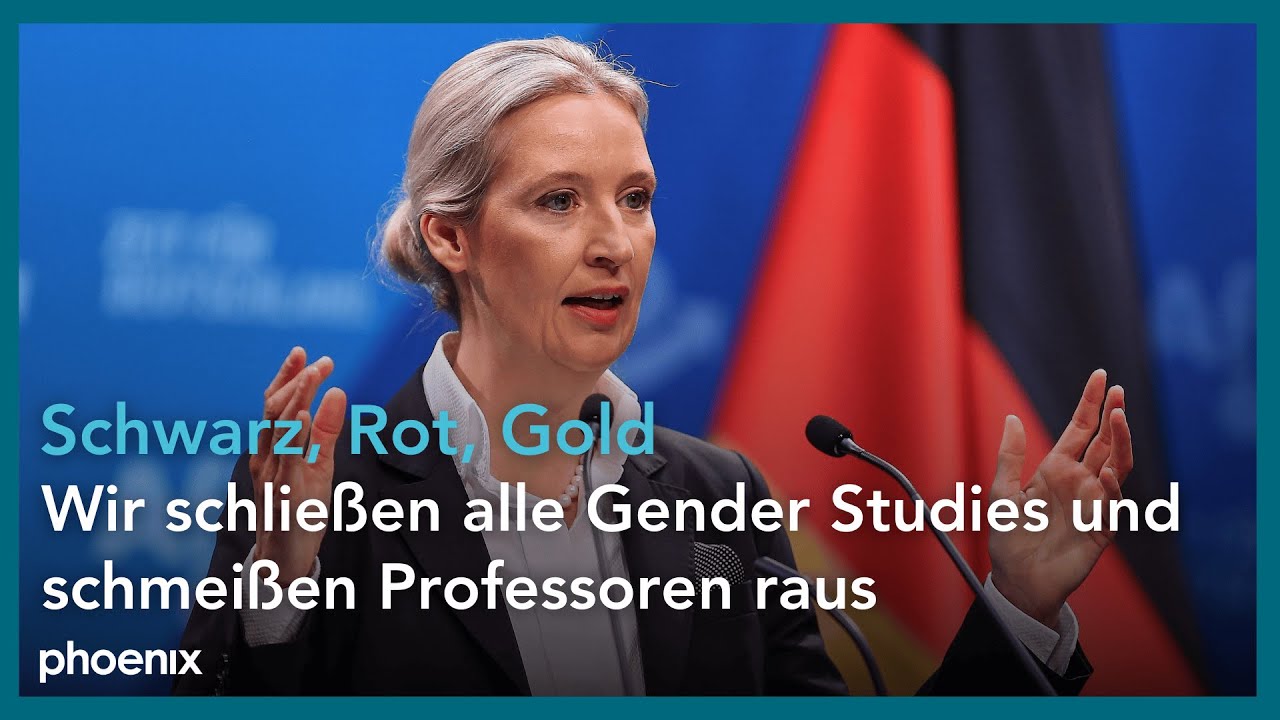
Alice Weidel: AfD Chancellor Candidate 2025

Hungary: China's CATL battery factory

Meta's announcements and digital services?
Donald J. Trump: America is back
Is this Europe's plan for China?
Argentina, Milei and the US dollar?

The Roman Empire and its downfall?
Trump needs to avoid debt Collapse