-
 Huge NFL deals send Garrett to Rams, Brown to Patriots
-
Trump admin agrees to temporarily freeze 'slush fund' for allies
-
 Mexican police tear-gas teachers' protest 10 days before World Cup
-
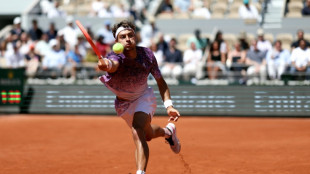
Berrettini back in French Open quarters after injury 'darkness'
-
 Sabalenka bests Osaka at French Open, Berrettini into quarters
-
Sabalenka overpowers Osaka to reach French Open quarter-finals

-
 Pro-Trump lawyer, leftist senator launch Colombia runoff campaigns
-
EU reaches deal on 'return hubs' migration reform
-
 Lebanon's US embassy says Hezbollah accepted US proposal to stop attacks
-
Florida sues OpenAI, CEO Altman over ChatGPT harm to minors
-
 Macron announces 93 bn euros in 'Choose France' foreign investments
-
Joshua says 'only success' matters as Fury fight looms
-
 UN Security Council to meet on Lebanon war as Israeli forces push into south
-
UN agency blocks Trump official's appointment over US arrears
-
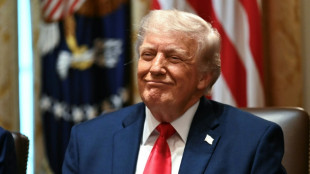 Trump says Israel, Hezbollah agree to halt fighting
-
Monaco sack coach Pocognoli
-
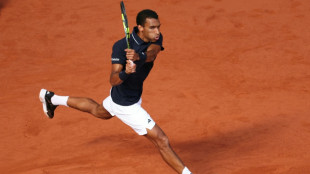 Auger-Aliassime gallops past Tabilo and into last eight
-
Sabalenka to face Osaka, Berrettini into French Open quarters
-
 AI giant Anthropic confidentially files for IPO
-
'Resilient' Berrettini powers into French Open last eight
-
 Colombia right-winger accused of 'stealing' national jersey
-
Still in the game: Athletes who made comeback in their 40s
-
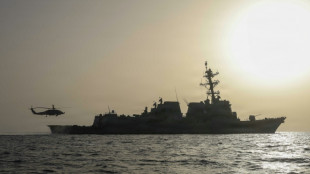 Iran truce on the rocks as Guards threaten 'new fronts'
-
New York Times publisher slams AI companies' 'brazen theft' from news outlets

-
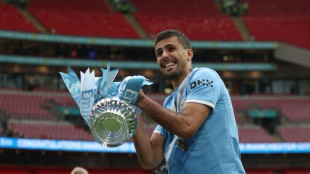 Rodri says Man City future can wait until after World Cup
-
Villarreal appoint Inigo Perez after Rayo success
-
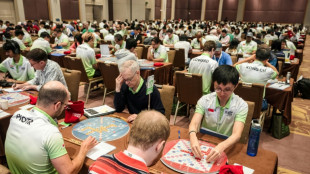 Word nerds have a weekend on the tiles at Thailand's Scrabble title
-
Cobolli stops thinking and quells Svajda fightback at French Open
-
 Czech court orders German neo-Nazi provocateur's extradition
-
French Open happy with Sabalenka-Osaka in top slot, but men still have edge

-
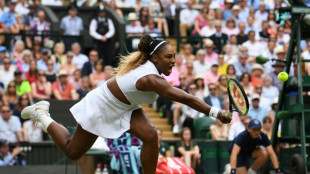
 Serena Williams announces return to tennis at Queen's Club
-
Serena Williams to return to tennis at Queen's Club

-
 Polish qualifier Chwalinska continues dream Roland Garros run
-
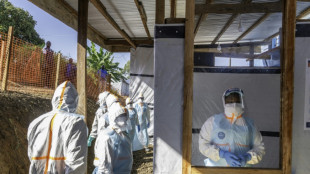
'We need to act now': Race to develop Ebola vaccine heats up
-
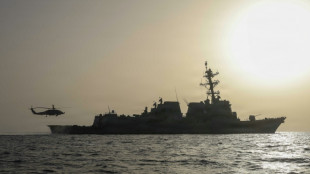 Iran truce on the rocks as Israel presses into Lebanon
-
Fans furious at Travis Scott's 20-minute Istanbul debut set
-
 Two Syrians deny civil war torture accusations in Austria trial
-
Oil prices jump as Iran suspends peace talks
-
 India takes down giant Messi statue over safety concerns
-
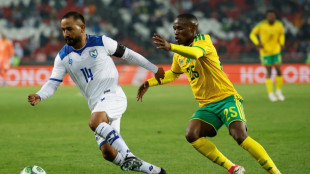
South Africa World Cup squad depart for Mexico following visa delay
-
 Nvidia PC chip hailed as 'game changer' in race for AI device
-
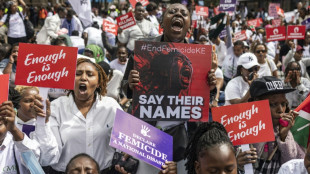
'Stop killing women': Kenyans protest femicide scourge
-
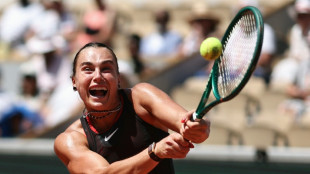 Sabalenka to face Osaka, Cobolli into French Open quarters
-
Kevin Keegan reveals stage four cancer diagnosis
-
 Cobolli fights into French Open last eight against dogged Svajda
-
Kalinskaya battles into French Open quarter-finals

-
 Survey finds generational gap in attitudes to AI romance
-
Israel orders strikes on Beirut ahead of UN meeting
-
 Premier League record-breaker Milner retires
-
Russia fired record 8,150 drones at Ukraine in May: AFP analysis

Venezuela’s economic roadmap
Following the dramatic removal of Nicolás Maduro from power in early January 2026, U.S. President Donald Trump set out a bold vision for Venezuela’s economic transformation. At a press conference after the operation that brought Maduro to U.S. custody, the White House announced that Washington would oversee Venezuela’s recovery, manage its oil sector and steer it toward democracy. The administration’s three‑phase strategy – stabilisation, recovery and transition – is described as an “economic revolution” that will lift the country out of a humanitarian and financial abyss. Critics, however, warn that the plan effectively turns the South American nation into a protectorate and underestimates the scale of the challenge.
Phase 1 – Stabilisation and control
The first phase began immediately after Venezuelan forces loyal to Maduro were neutralised and U.S. special forces escorted the former president to a waiting aircraft. Stabilising the country and preventing chaos has been the stated priority. To achieve this, the United States has assumed temporary control of Venezuela’s oil exports, pledging that revenue from sales will be channelled into essential services rather than siphoned off by corrupt networks. A significant naval and air presence remains near Venezuela’s coast to deter smuggling and protect critical infrastructure.
U.S. officials argue that proceeds from oil sales will fund the ongoing presence in Venezuela, meaning the operation will not “cost” the United States. Energy analysts caution that this is unrealistic. Production collapsed from about 3.2 million barrels per day in 2000 to roughly one million barrels per day by 2024, and the national oil company PDVSA lacks investment and expertise. Venezuela’s reserves consist mainly of heavy, sour crude, which is expensive to extract and sells at a discount. Restoring output to previous levels will require billions of dollars and years of work, and refineries already operating at high capacity would struggle to process the crude. Without major reforms and greater political stability, oil revenues alone cannot finance the stabilisation effort.
Phase 2 – Economic recovery and reconciliation
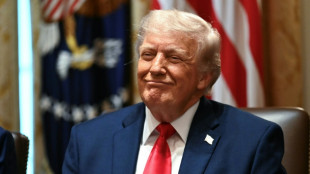
Once order is secured, the administration plans to revive Venezuela’s shattered economy. U.S. Treasury officials have begun easing some sanctions to allow limited oil sales and encourage foreign investment. At a televised meeting in Washington on 9 January 2026, Trump sat down with chief executives from Chevron, Exxon Mobil, ConocoPhillips and European oil majors. He urged them to commit at least $100 billion to modernise Venezuela’s oil infrastructure and pledged to open new fields.
Industry leaders responded cautiously. Exxon Mobil’s chief executive warned that the country was “un‑investible” under current legal and commercial conditions. Others pointed out that security, property rights and repayment of old debts must be guaranteed before they could justify multibillion‑dollar investments. Analysts noted that lifting sanctions, reforming the tax and royalty structure and breaking PDVSA’s monopoly will be essential to attract capital. Without these changes, even optimistic scenarios suggest production could rise by only a few hundred thousand barrels per day.
Phase 2 also includes a national reconciliation programme. Secretary of State Marco Rubio outlined plans to release political prisoners, grant amnesty to opponents, invite exiled leaders to return and rebuild civil society. He said U.S. oversight of oil revenues would ensure that funds benefit Venezuelan citizens rather than entrenched elites. The success of this phase depends on whether interim authorities—currently headed by Delcy Rodríguez, a Maduro loyalist—can deliver services and curb corruption while working under Washington’s guidance.
Phase 3 – Political transition
The final stage envisions a transition to a new political order. Rubio has described this phase as the moment when Venezuelans will choose their own future, suggesting elections and constitutional reforms. Yet the timeline and mechanisms remain vague. Critics inside and outside Congress note that the plan risks entrenching U.S. influence and undermining sovereignty. Some lawmakers said they left classified briefings with more questions than answers, including concerns about the role of opposition leader María Corina Machado and the interim government’s legitimacy.
Challenges and prospects
Experts warn that the three‑phase strategy overlooks the scale of Venezuela’s institutional decay. Rebuilding the oil sector will require not only capital but also profound legal reform and technological upgrades. Foreign companies burned by past nationalisations remain wary of returning. Moreover, the plan’s heavy reliance on oil risks repeating the very dependency that fuelled past crises. Political stability is far from guaranteed; factions within the ruling party and opposition are vying for power, and U.S. control may trigger nationalist backlash.
Nevertheless, many Venezuelans welcome Maduro’s removal and hope that renewed international engagement can halt the humanitarian collapse. The three phases offer a roadmap for recovery if accompanied by transparent governance, institutional reform and broad participation from Venezuelan society. Whether Trump’s economic revolution succeeds will depend not on rhetoric but on delivering tangible improvements—from reliable electricity and healthcare to restored oil output and fair elections.
Trump announces Homan as new 'border czar'
EU: How do we deal with Donald Trump?
Watch Live: Trump or Harris? America votes!

Georgia: Ruling party celebrates election victory

Asylum seekers: Return centres – a Solution?
Climate change: A farm in Rotterdam
EU: Overcoming barriers to equality
Germany and its outdated pension system
How important is sustainable development?
Berlin: EU-Summit of western Balkan heads of state
Putin's War Will Go Bankrupt if the Oil Prices Drop