-
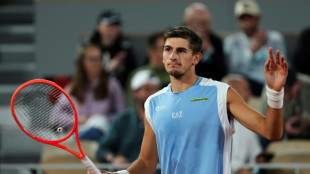 Arnaldi into French Open semis as Berrettini retires injured
-
Cuba has 'technocrats' willing to negotiate, Rubio says

-
 Authorities warn of World Cup ticket, merchandise scams
-
US sanctions interrupt Visa, Mastercard payments in Cuba
-
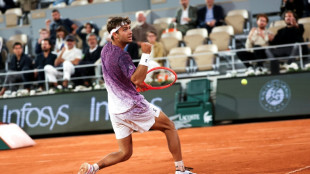 Cobolli sinks Auger-Aliassime to book French Open semi spot
-
Police probe alleged assault on coach of Australian tennis player in Birmingham

-
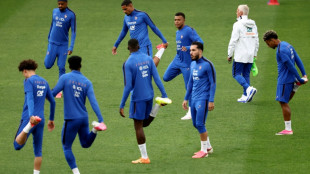 France's Saliba 'fine' after injury scare, says Deschamps
-
Somalia ex-PM says attacked by govt forces in Mogadishu

-
 Ukraine drone strikes causing 'panic' for Kremlin: EU's Kallas to AFP
-
Rubio brushes off Trump mental acuity concerns as 'absurd'

-
 Ukraine's Kostyuk takes on Russian Andreeva in French Open semis
-
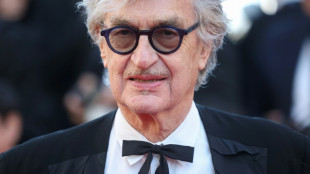
German director Wenders pulls 1975 film over child nude scene
-
 McIlroy chasing elusive Memorial, Scheffler eyes three-peat
-
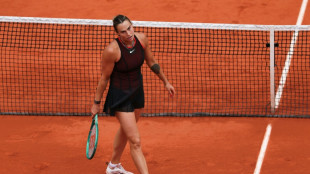
Sabalenka implodes as Shnaider books French Open semi with Chwalinska
-
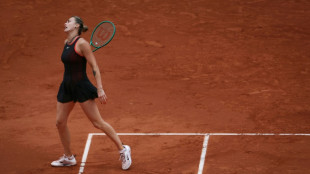 Sabalenka fell into 'dark hole' during French Open loss
-
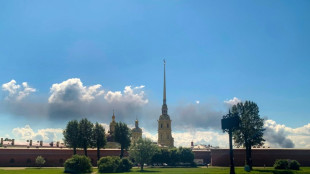
Ukrainian drones hit Saint Petersburg as 'Russian Davos' opens
-
 Stokes defends Archer's England absence due to IPL duties
-
UN urges AI firms to reveal environmental footprint
-
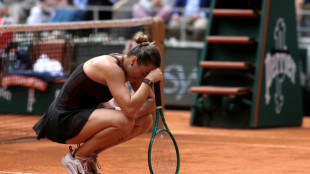 Sabalenka crumbles to French Open quarter-final defeat by Shnaider
-
Henry fit to lead New Zealand's attack at Lord's

-
 Yamal, Williams should be fit for World Cup opener: De la Fuente
-
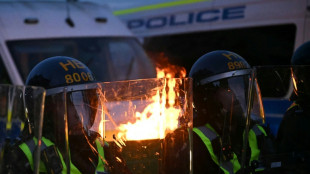
UK PM slams violence over police handcuffing of dying student
-
 EU wants to favour European firms for AI, cloud in sovereignty push
-
England captain Stokes defends Archer's IPL-enforced absence from Test side

-
 Oil jumps, stocks mixed on fragile MIdeast peace hopes
-
Polish qualifier Chwalinska reaches French Open semi-finals

-
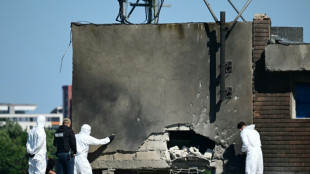 Romania wants to boost air defence after drone strike blamed on Russia
-
'Backrooms' born of 'itch to explore' online horror meme

-
 French content creators gear up to influence presidential election
-
France hits Shein with 22 mn euros in new fines over consumer violations

-
 DRC coach prepared to play friendly behind closed doors
-
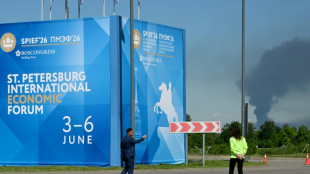
Ukraine drones hit Saint Petersburg as 'Russian Davos' opens
-
 CBS News fires '60 Minutes' veteran Scott Pelley
-
Robots, supply strain: five hot topics at Computex

-
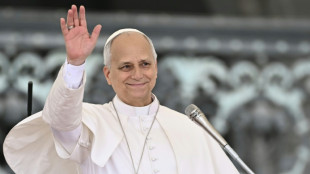 Pope Leo prepares to visit polarised, secular Spain
-
Formula One ace Leclerc extends contract with 'second family' Ferrari

-
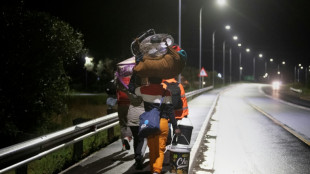 Hundreds flee as South Africa anti-migrant mobs go door-to-door
-
Storm Jangmi dumps torrential rain on Tokyo

-
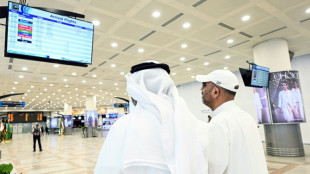 Drone strikes close Kuwait airport as Iran and US clash in Gulf
-
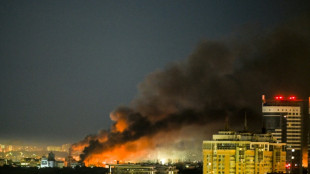
Ukraine drones hit Saint Petersburg as flagship economic forum opens
-
 Iran World Cup squad to reach Mexico early Sunday
-
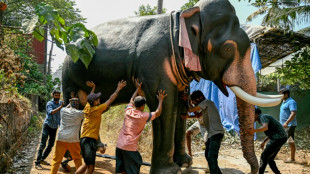
Indian stars push to end elephants in Bollywood
-
 OECD cuts 2026 global growth forecasts over Mideast war fallout
-
Oil prices rise on Iran peace worries, Asian stocks build on tech rally
-
 'Blind spots': drone alert lays bare Lithuania poor shelter access
-
French UFC fighter Gane blocking out politics before White House bout

-
 England aim to erase Ashes scars against New Zealand
-
50 years after Olympic glory, Comaneci's homecoming sparks hope of new path to perfection

-
 'No hiding' as Haiti thrash New Zealand in pre-World Cup friendly
-
Military seeks prison time for Indonesian soldiers in acid attack
Culture: Serbia’s architectural marvels
Serbia's Architectural Marvels: Exploring Manasija Monastery and Smederevo Fortress
Serbia, a land where East meets West, boasts a rich tapestry of history and culture reflected in its architectural heritage. Among its most remarkable structures are the Manasija Monastery and the Smederevo Fortress. These edifices not only exemplify the pinnacle of medieval Serbian architecture but also tell stories of resilience, faith, and artistry that have withstood the test of time.
Manasija Monastery: A Testament to Faith and Artistry
Nestled in the lush Resava valley near the town of Despotovac, the Manasija Monastery, also known as Resava, stands as a beacon of Serbia's spiritual and cultural legacy. Founded in the early 15th century by Despot Stefan Lazarević, a revered Serbian ruler and poet, the monastery is a masterpiece of Morava architectural style, characterised by intricate stone carvings and harmonious proportions.
Architectural Significance
The monastery complex is encircled by formidable fortifications, featuring 11 towers connected by robust walls, reflecting the turbulent times during which it was built. The Church of the Holy Trinity, the monastery's focal point, is adorned with stunning frescoes that are considered among the finest in medieval Serbian art. These frescoes exhibit a blend of Byzantine influences and local artistic expression, depicting biblical scenes with remarkable depth and emotion.
The monastery's construction showcases advanced engineering techniques of the era. The use of alternating rows of stone and brick creates a distinctive striped pattern, while the detailed carvings of floral and geometric motifs highlight the craftsmen's exceptional skills.
Cultural and Historical Impact
Manasija Monastery served not only as a religious centre but also as a hub of scholarly activity. It housed the famous Resava School, a scriptorium where manuscripts were copied and translated, playing a crucial role in preserving Serbian literature and learning during the Ottoman incursions. Today, the monastery remains active, offering visitors a glimpse into Serbia's spiritual heart and its enduring commitment to cultural preservation.
Smederevo Fortress: The Last Capital of Medieval Serbia
Situated on the right bank of the Danube River, the Smederevo Fortress stands as one of the largest fortifications in Europe. Commissioned by Despot Đurađ Branković in the 15th century, it was intended to be the new capital of Serbia following the fall of Belgrade to the Ottomans.
Architectural Grandeur
The fortress encompasses an area of approximately 11 hectares and is designed in a triangular shape to conform to the terrain and the river's course. It features massive walls up to 10 metres high and 4 metres thick, reinforced by 25 towers. The strategic design reflects a combination of Byzantine fortification principles and the latest military architecture of the time.
Notably, the fortress was constructed swiftly, within a decade, demonstrating the organisational capabilities and resources mobilised by the Serbian state. The use of durable materials and the integration of natural defences illustrate the sophistication of medieval Serbian military engineering.
Historical Significance
Smederevo Fortress served as a bulwark against Ottoman expansion but ultimately fell after prolonged sieges. Its capture marked the end of the medieval Serbian state. Over the centuries, the fortress witnessed various rulers and conflicts, leaving behind layers of history etched into its stones.
Today, the fortress is a symbol of national pride and a venue for cultural events, drawing tourists and historians alike. Efforts have been made to preserve and restore the site, recognising its importance as a tangible link to Serbia's past.
Preservation and Legacy
Both Manasija Monastery and Smederevo Fortress have faced challenges over the centuries, from warfare to natural decay. Restoration projects have been essential in safeguarding these monuments for future generations. Manasija was inscribed on the UNESCO Tentative List, highlighting its universal value and the need for international cooperation in its preservation.
These sites offer invaluable insights into the social, religious, and political dynamics of medieval Serbia. They exemplify the country's architectural innovation and its role as a crossroads of cultures.
A Journey Through Time
Visiting these architectural wonders provides a profound experience. At Manasija Monastery, the tranquillity of the surroundings complements the spiritual atmosphere, inviting reflection amidst artistic splendour. The frescoes, with their vivid colours and expressive figures, bring to life stories that have inspired believers for centuries.
At Smederevo Fortress, one can walk along the ancient ramparts, imagining the sights and sounds of a bustling medieval capital. The panoramic views of the Danube and the town of Smederevo connect the past with the present, illustrating the enduring relevance of this historic stronghold.
Conclusion
Serbia's architectural heritage, epitomised by the Manasija Monastery and the Smederevo Fortress, is a testament to the nation's rich history and cultural resilience. These sites not only represent remarkable achievements in architecture and art but also embody the spirit of a people who have navigated the complexities of history with fortitude and creativity.
For travellers and scholars alike, exploring these monuments offers a unique opportunity to delve into the depths of Serbian heritage. As custodians of this legacy, continued efforts in preservation and education are essential to ensure that these treasures remain vibrant parts of Serbia's cultural landscape.

Donald J. Trump: America is back

Meta's announcements and digital services?

Hungary: China's CATL battery factory

Alice Weidel: AfD Chancellor Candidate 2025

Russia: Is Putin's time nearly up?

China, Trump, and the power of war?

Iran's Ayatollahs the next to Fall?

Who wins and who loses in Syria?
South Korea: Yoon Suk Yeol shocks Nation

Dictator Putin threatens to destroy Kiev

Will Trump's deportations be profitable?