-
 Hundreds flee as South Africa anti-migrant mobs go door-to-door
-
Storm Jangmi dumps torrential rain on Tokyo

-
 Drone strikes close Kuwait airport as Iran and US clash in Gulf
-
Ukraine drones hit Saint Petersburg as flagship economic forum opens
-
 Iran World Cup squad to reach Mexico early Sunday
-
Indian stars push to end elephants in Bollywood
-
 OECD cuts 2026 global growth forecasts over Mideast war fallout
-
Oil prices rise on Iran peace worries, Asian stocks build on tech rally
-
 'Blind spots': drone alert lays bare Lithuania poor shelter access
-
French UFC fighter Gane blocking out politics before White House bout

-
 England aim to erase Ashes scars against New Zealand
-
50 years after Olympic glory, Comaneci's homecoming sparks hope of new path to perfection

-
 'No hiding' as Haiti thrash New Zealand in pre-World Cup friendly
-
Military seeks prison time for Indonesian soldiers in acid attack
-
 'Animalistic horror': Russia puts war art on display
-
German alleged rape victim battles time limit on abuse cases

-
 As crises balloon, so do EU nations' deficits
-
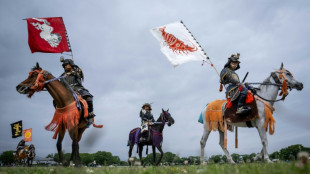
Japan's samurai spirit still burns in cooler conditions
-
 Solomons PM says to review secretive security pact with China
-
Oil prices rise on Iran peace worries, stocks build on tech rally
-
 Sabalenka homes in on French Open semis
-
Trump signs AI order giving government access to powerful models

-
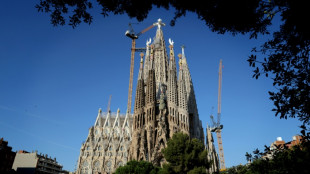 Pope to mark centenary of death of 'God's architect' Antoni Gaudi
-
Migrant journeys in focus ahead of pope visit to Spain's Canaries

-
 Flood warnings as storm moves towards Tokyo
-
Scotland's Tartan Army to bring 'the party' on World Cup return

-
 Thousands protest Jared Kushner-linked resort project in Albania
-
EU to unveil plan to wean itself off US, Asia tech

-
 Solomons PM says to review security pact with China
-
Will SpaceX IPO make Elon Musk a trillionaire?

-
 By the power of great skills: Nicholas Galitzine on He-Man transformation
-
'20 minutes of terror': AI boosts US voice impersonation scams

-
 Before SpaceX goes public, a scramble to get on bandwagon
-
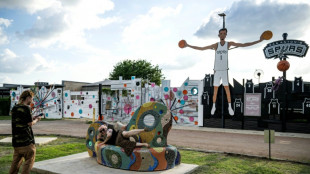
One of our own: San Antonio embraces 'Wemby' ahead of NBA Finals
-
 Tanzania president visits Russia as Western ties fray
-
Keiko Fujimori: Peru's biggest political loser eyes election win

-
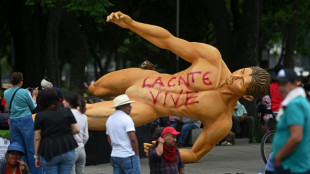 Protesting teachers in Mexico topple player statues days before World Cup
-
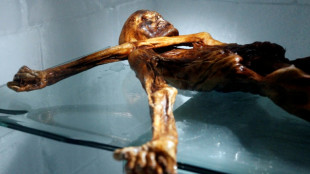
Scientists find yeast in ancient Iceman's guts -- and make bread
-
 Silver Range Partner Excalibur Metals Intersects a Broad Precious Metals Zone, Open at Depth at the Bellehelen Property
-
Eagle Plains and Xcite Define Prospective Geophysical Trends at Beaver River Uranium Project, SK

-
 Hamilton Company Transforms Digital Engagement with Bioz, Contributing to Award-Winning Web Experience
-
Apex Announces Drill Program Expansion and H2 Exploration Plans at the Rift Rare Earth Project

-
 2026 Letter to Nano One Stakeholders
-
InterContinental Hotels Group PLC Announces Transaction in Own Shares - June 03

-
 MindMaze Therapeutics Publishes Invitation to the 2026 Annual General Meeting
-
No.1 Korda, No.2 Jeeno chase US Women's Open title

-
 Trump admin abandons $1.8 bn fund to compensate supporters
-
Canada and Mexico tell US they want free trade deal renewed

-
 David Beckham to get star on Hollywood Walk of Fame
-
Turkey raps Kanye West for offending 'spiritual sensitivities'
Culture: Serbia’s architectural marvels
Serbia's Architectural Marvels: Exploring Manasija Monastery and Smederevo Fortress
Serbia, a land where East meets West, boasts a rich tapestry of history and culture reflected in its architectural heritage. Among its most remarkable structures are the Manasija Monastery and the Smederevo Fortress. These edifices not only exemplify the pinnacle of medieval Serbian architecture but also tell stories of resilience, faith, and artistry that have withstood the test of time.
Manasija Monastery: A Testament to Faith and Artistry
Nestled in the lush Resava valley near the town of Despotovac, the Manasija Monastery, also known as Resava, stands as a beacon of Serbia's spiritual and cultural legacy. Founded in the early 15th century by Despot Stefan Lazarević, a revered Serbian ruler and poet, the monastery is a masterpiece of Morava architectural style, characterised by intricate stone carvings and harmonious proportions.
Architectural Significance
The monastery complex is encircled by formidable fortifications, featuring 11 towers connected by robust walls, reflecting the turbulent times during which it was built. The Church of the Holy Trinity, the monastery's focal point, is adorned with stunning frescoes that are considered among the finest in medieval Serbian art. These frescoes exhibit a blend of Byzantine influences and local artistic expression, depicting biblical scenes with remarkable depth and emotion.
The monastery's construction showcases advanced engineering techniques of the era. The use of alternating rows of stone and brick creates a distinctive striped pattern, while the detailed carvings of floral and geometric motifs highlight the craftsmen's exceptional skills.
Cultural and Historical Impact
Manasija Monastery served not only as a religious centre but also as a hub of scholarly activity. It housed the famous Resava School, a scriptorium where manuscripts were copied and translated, playing a crucial role in preserving Serbian literature and learning during the Ottoman incursions. Today, the monastery remains active, offering visitors a glimpse into Serbia's spiritual heart and its enduring commitment to cultural preservation.
Smederevo Fortress: The Last Capital of Medieval Serbia
Situated on the right bank of the Danube River, the Smederevo Fortress stands as one of the largest fortifications in Europe. Commissioned by Despot Đurađ Branković in the 15th century, it was intended to be the new capital of Serbia following the fall of Belgrade to the Ottomans.
Architectural Grandeur
The fortress encompasses an area of approximately 11 hectares and is designed in a triangular shape to conform to the terrain and the river's course. It features massive walls up to 10 metres high and 4 metres thick, reinforced by 25 towers. The strategic design reflects a combination of Byzantine fortification principles and the latest military architecture of the time.
Notably, the fortress was constructed swiftly, within a decade, demonstrating the organisational capabilities and resources mobilised by the Serbian state. The use of durable materials and the integration of natural defences illustrate the sophistication of medieval Serbian military engineering.
Historical Significance
Smederevo Fortress served as a bulwark against Ottoman expansion but ultimately fell after prolonged sieges. Its capture marked the end of the medieval Serbian state. Over the centuries, the fortress witnessed various rulers and conflicts, leaving behind layers of history etched into its stones.
Today, the fortress is a symbol of national pride and a venue for cultural events, drawing tourists and historians alike. Efforts have been made to preserve and restore the site, recognising its importance as a tangible link to Serbia's past.
Preservation and Legacy
Both Manasija Monastery and Smederevo Fortress have faced challenges over the centuries, from warfare to natural decay. Restoration projects have been essential in safeguarding these monuments for future generations. Manasija was inscribed on the UNESCO Tentative List, highlighting its universal value and the need for international cooperation in its preservation.
These sites offer invaluable insights into the social, religious, and political dynamics of medieval Serbia. They exemplify the country's architectural innovation and its role as a crossroads of cultures.
A Journey Through Time
Visiting these architectural wonders provides a profound experience. At Manasija Monastery, the tranquillity of the surroundings complements the spiritual atmosphere, inviting reflection amidst artistic splendour. The frescoes, with their vivid colours and expressive figures, bring to life stories that have inspired believers for centuries.
At Smederevo Fortress, one can walk along the ancient ramparts, imagining the sights and sounds of a bustling medieval capital. The panoramic views of the Danube and the town of Smederevo connect the past with the present, illustrating the enduring relevance of this historic stronghold.
Conclusion
Serbia's architectural heritage, epitomised by the Manasija Monastery and the Smederevo Fortress, is a testament to the nation's rich history and cultural resilience. These sites not only represent remarkable achievements in architecture and art but also embody the spirit of a people who have navigated the complexities of history with fortitude and creativity.
For travellers and scholars alike, exploring these monuments offers a unique opportunity to delve into the depths of Serbian heritage. As custodians of this legacy, continued efforts in preservation and education are essential to ensure that these treasures remain vibrant parts of Serbia's cultural landscape.

Tokyo’s Housing playbook

Venezuela braces after Strike

Can the FANB shield Maduro?

Operation Venezuela: Scenario

Trump vs Intel: Chip endgame?

After Europe’s capitulation

Tariffs roil U.S.–India ties

Adobe down 40% and now?

Adobe down 40%: Kodak moment?
Bolivia at breaking point

Embraer’s 950% surge



