-
 OECD cuts 2026 global growth forecasts over Mideast war fallout
-
Oil prices rise on Iran peace worries, Asian stocks build on tech rally
-
 'Blind spots': drone alert lays bare Lithuania poor shelter access
-
French UFC fighter Gane blocking out politics before White House bout

-
 England aim to erase Ashes scars against New Zealand
-
50 years after Olympic glory, Comaneci's homecoming sparks hope of new path to perfection

-
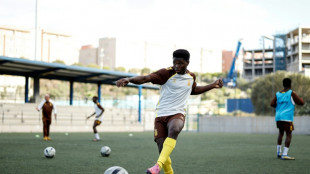
 'No hiding' as Haiti thrash New Zealand in pre-World Cup friendly
-
Military seeks prison time for Indonesian soldiers in acid attack
-
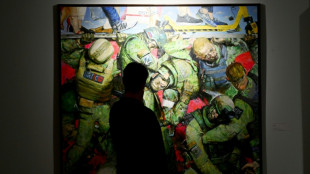 'Animalistic horror': Russia puts war art on display
-
German alleged rape victim battles time limit on abuse cases

-
 As crises balloon, so do EU nations' deficits
-
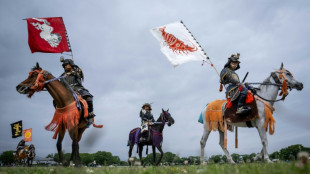
Japan's samurai spirit still burns in cooler conditions
-
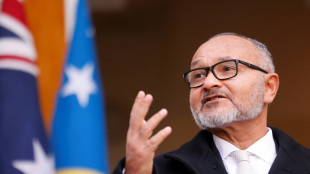 Solomons PM says to review secretive security pact with China
-
Oil prices rise on Iran peace worries, stocks build on tech rally
-
 Sabalenka homes in on French Open semis
-
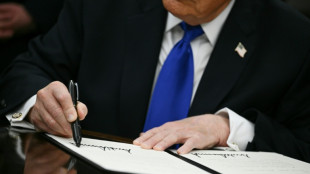
Trump signs AI order giving government access to powerful models
-
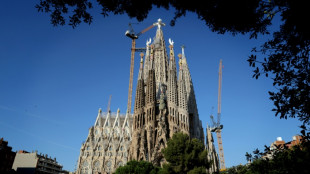 Pope to mark centenary of death of 'God's architect' Antoni Gaudi
-
Migrant journeys in focus ahead of pope visit to Spain's Canaries
-
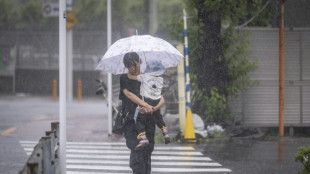 Flood warnings as storm moves towards Tokyo
-
Scotland's Tartan Army to bring 'the party' on World Cup return

-
 Thousands protest Jared Kushner-linked resort project in Albania
-
EU to unveil plan to wean itself off US, Asia tech

-
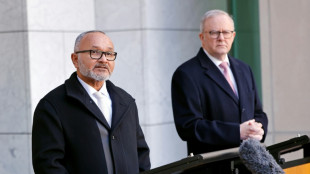 Solomons PM says to review security pact with China
-
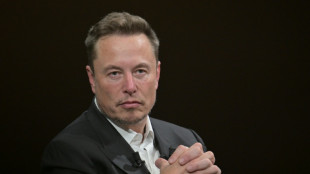
Will SpaceX IPO make Elon Musk a trillionaire?
-
 By the power of great skills: Nicholas Galitzine on He-Man transformation
-
'20 minutes of terror': AI boosts US voice impersonation scams

-
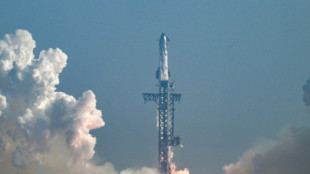 Before SpaceX goes public, a scramble to get on bandwagon
-
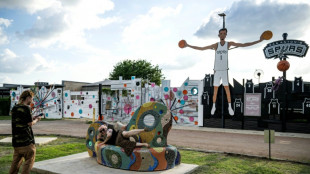
One of our own: San Antonio embraces 'Wemby' ahead of NBA Finals
-
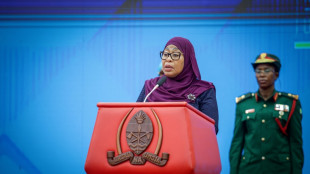 Tanzania president visits Russia as Western ties fray
-
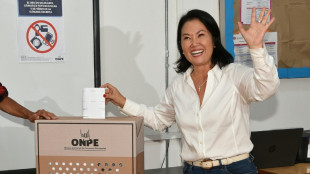
Keiko Fujimori: Peru's biggest political loser eyes election win
-
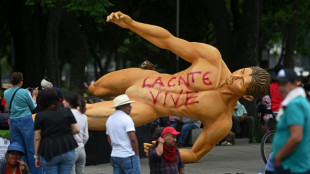 Protesting teachers in Mexico topple player statues days before World Cup
-
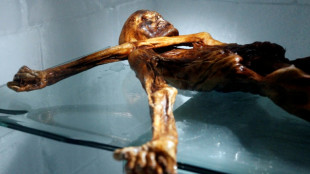
Scientists find yeast in ancient Iceman's guts -- and make bread
-
 Apex Announces Drill Program Expansion and H2 Exploration Plans at the Rift Rare Earth Project
-
2026 Letter to Nano One Stakeholders

-
 InterContinental Hotels Group PLC Announces Transaction in Own Shares - June 03
-
MindMaze Therapeutics Publishes Invitation to the 2026 Annual General Meeting
-
 No.1 Korda, No.2 Jeeno chase US Women's Open title
-
Trump admin abandons $1.8 bn fund to compensate supporters
-
 Canada and Mexico tell US they want free trade deal renewed
-
David Beckham to get star on Hollywood Walk of Fame

-
 Turkey raps Kanye West for offending 'spiritual sensitivities'
-
Zverev powers into French Open semis as Fonseca run ends

-
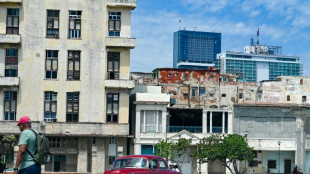 Foreign companies take flight from US-sanctioned Cuba
-
Knicks, Brunson in awe of 'unbelievable' Wembanyama

-
 Mensik tames Fonseca to reach French Open semi-finals
-
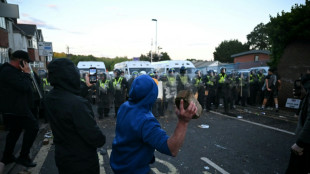
'I can't breathe': clashes erupt after UK police handcuff dying student
-
 England launch World Cup build-up in steamy Florida
-
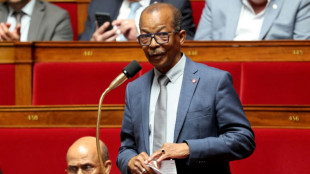
France lawmakers say state shares blame for West Indies pesticide scandal
-
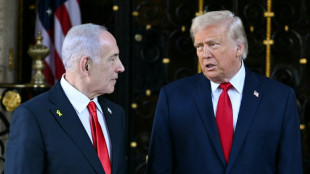 'Crazy': Trump-Netanyahu relationship under growing strain
-
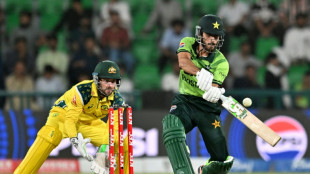
Ellis's best helps Australia shock Pakistan to level ODI series
South Korea: Yoon Suk Yeol shocks Nation
South Korea in Crisis: President Yoon Suk Yeol's Coup Shakes the Nation
In a stunning and unprecedented move, South Korean President Yoon Suk Yeol has attempted to seize absolute power, plunging the nation into political chaos. On the night of December 3, President Yoon declared martial law, suspended the National Assembly, and deployed soldiers to surround its premises, effectively paralysing the country’s democratic institutions. The world is watching in shock as one of Asia’s most stable democracies faces an uncertain future.
The Coup: A Nation in Shock
The events unfolded rapidly on a cold December night, leaving South Koreans and the international community reeling. President Yoon cited national security threats and alleged internal dissent as justification for his actions, but critics are calling it a blatant power grab. By suspending the National Assembly—South Korea’s legislative body—Yoon has undermined the very foundation of the nation’s democratic system.
Eyewitnesses reported heavy military presence in the capital, Seoul, as soldiers and armoured vehicles took positions near government buildings. Communication networks were temporarily disrupted, adding to the confusion. The swift and calculated nature of the coup suggests months of planning, raising questions about who within the government and military may have supported the move.
Immediate Reactions: Outrage and Resistance
The coup has sparked widespread outrage among South Koreans. Protesters took to the streets in major cities, waving banners and chanting slogans calling for Yoon’s resignation. Opposition leaders condemned the move as a betrayal of the democratic values South Korea has upheld since its transition from military rule in the 1980s.
International leaders, including the US-President Joe Biden who is still in office until 20 January 2025 and Japanese Prime Minister Fumio Kishida, have expressed grave concern. The United Nations has called for an emergency session to address the situation, while human rights organisations warn of potential crackdowns on dissent.
What Led to This Crisis?
President Yoon’s tenure has been marked by polarising leadership and a growing divide between conservatives and progressives. Critics argue that his administration’s inability to address pressing economic challenges, such as rising housing costs and youth unemployment, eroded public trust. Yoon’s approval ratings had plummeted in recent months, and his administration faced mounting scrutiny over alleged corruption scandals.
While Yoon’s justification for the coup includes vague references to national security threats, experts believe the move was motivated by a desire to cling to power amidst growing opposition. Some speculate that internal disagreements within his party and the prospect of impeachment may have pushed Yoon to take drastic action.
The Role of the Military
The military’s involvement in the coup is particularly troubling for a country with a history of authoritarian rule. South Korea transitioned to a democracy in 1987 after decades of military dictatorship, and the armed forces have since remained apolitical. Yoon’s ability to mobilise the military raises questions about divisions within the armed forces and whether dissenting voices exist among its ranks.
Should significant portions of the military oppose Yoon’s actions, the possibility of a counter-coup or internal conflict could further destabilise the nation.
Implications for South Korea’s Future
The attempted coup casts a shadow over South Korea’s hard-earned reputation as a thriving democracy. Its political stability and economic strength have made it a key player in the global arena, but this crisis threatens to derail decades of progress.
Domestically, the suspension of democratic institutions could lead to widespread unrest, civil disobedience, and a protracted power struggle. Economically, investor confidence is likely to plummet, jeopardising South Korea’s status as a global technology and trade hub.
On the international stage, the coup could strain alliances, particularly with the United States, which has long regarded South Korea as a crucial ally in countering North Korea and maintaining regional stability. China and North Korea, meanwhile, may view the situation as an opportunity to exploit South Korea’s weakened state.
The Road Ahead: Democracy or Dictatorship?
The fate of South Korea now hinges on the response of its citizens, political leaders, and international allies. Opposition parties have called for immediate action to restore democracy, including mass protests and legal challenges. Meanwhile, world leaders face the delicate task of pressuring Yoon’s government while avoiding escalation.
The unfolding crisis serves as a stark reminder that even the most established democracies are not immune to authoritarian tendencies. For South Korea, the road ahead is fraught with uncertainty, but its people have shown resilience before. Whether the nation emerges from this crisis as a stronger democracy or succumbs to authoritarian rule will shape its future—and its place in the world—for generations to come.

Iran lifts Dollar, sinks Euro
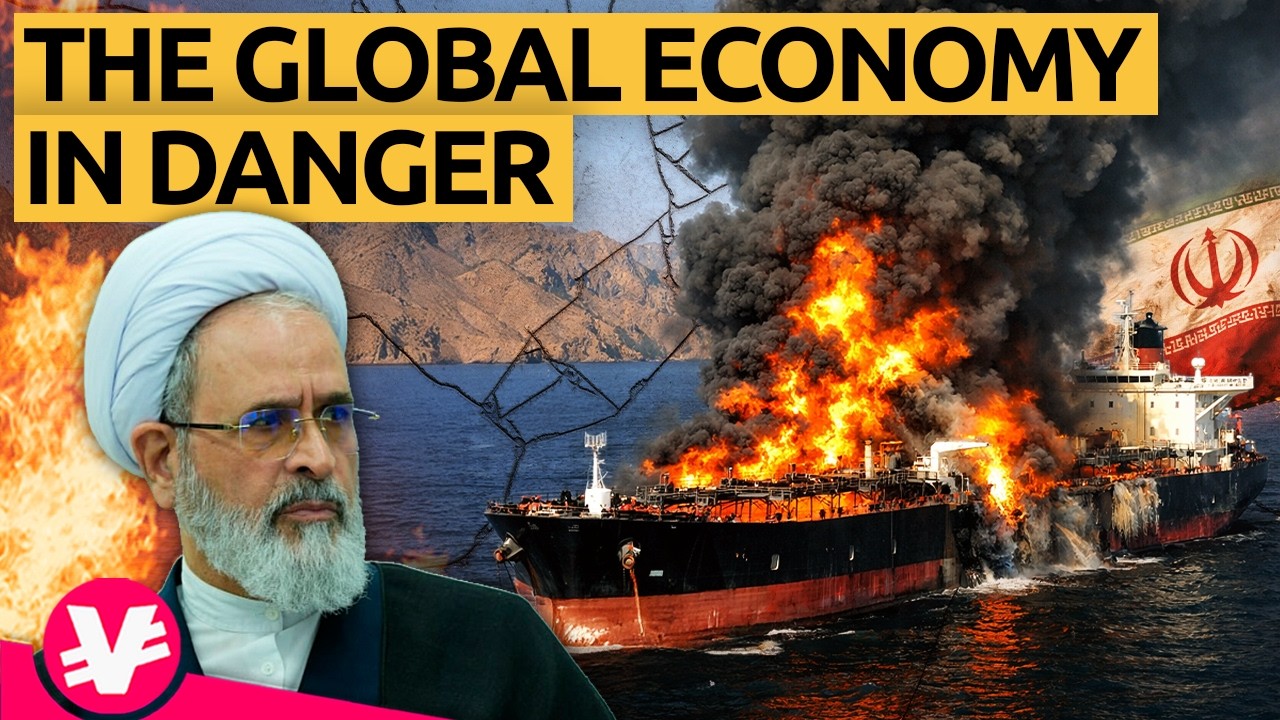
Hormuz Shock Risk rising
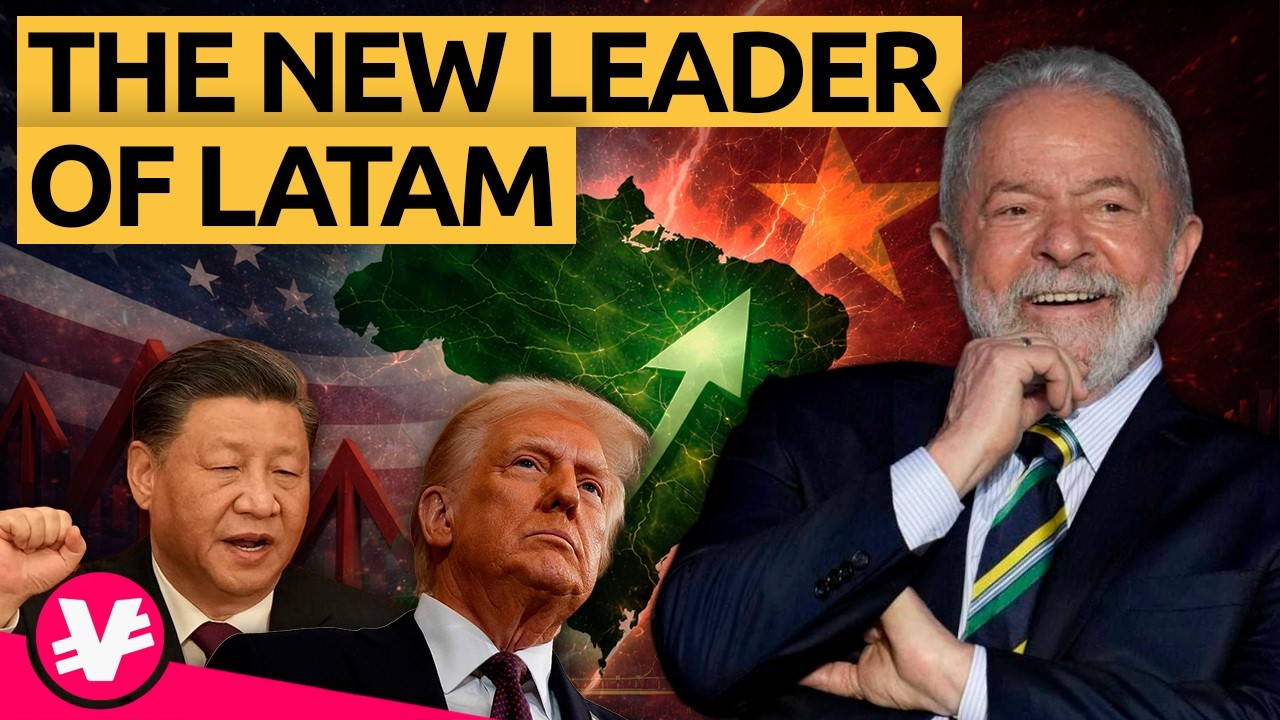
Brazil's trade-war boom
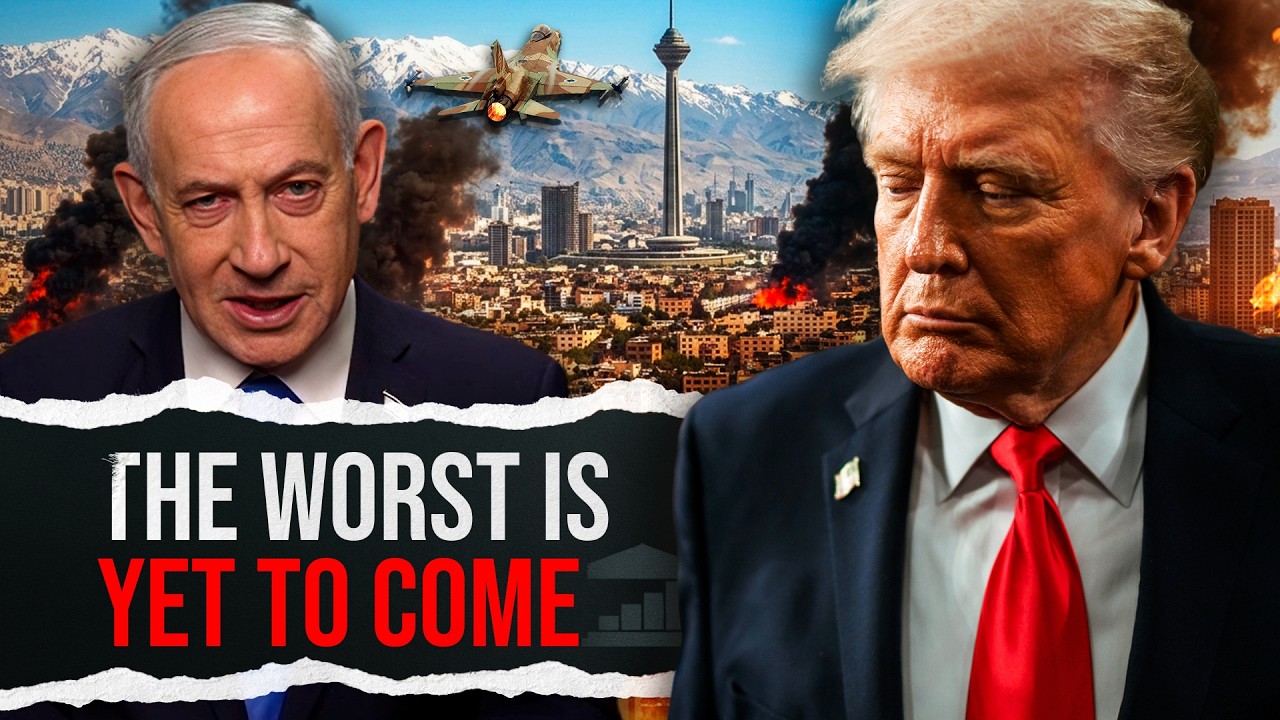
Iran's revenge rewired
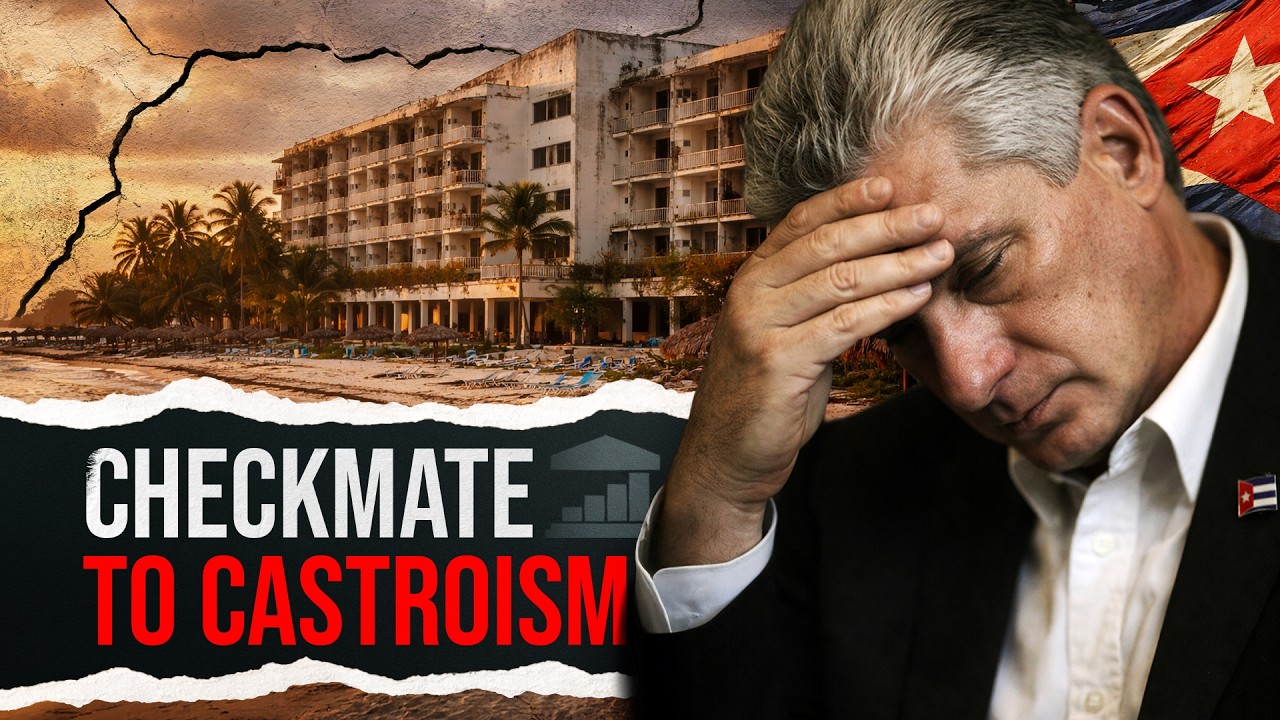
Cuba's golden Goose dies
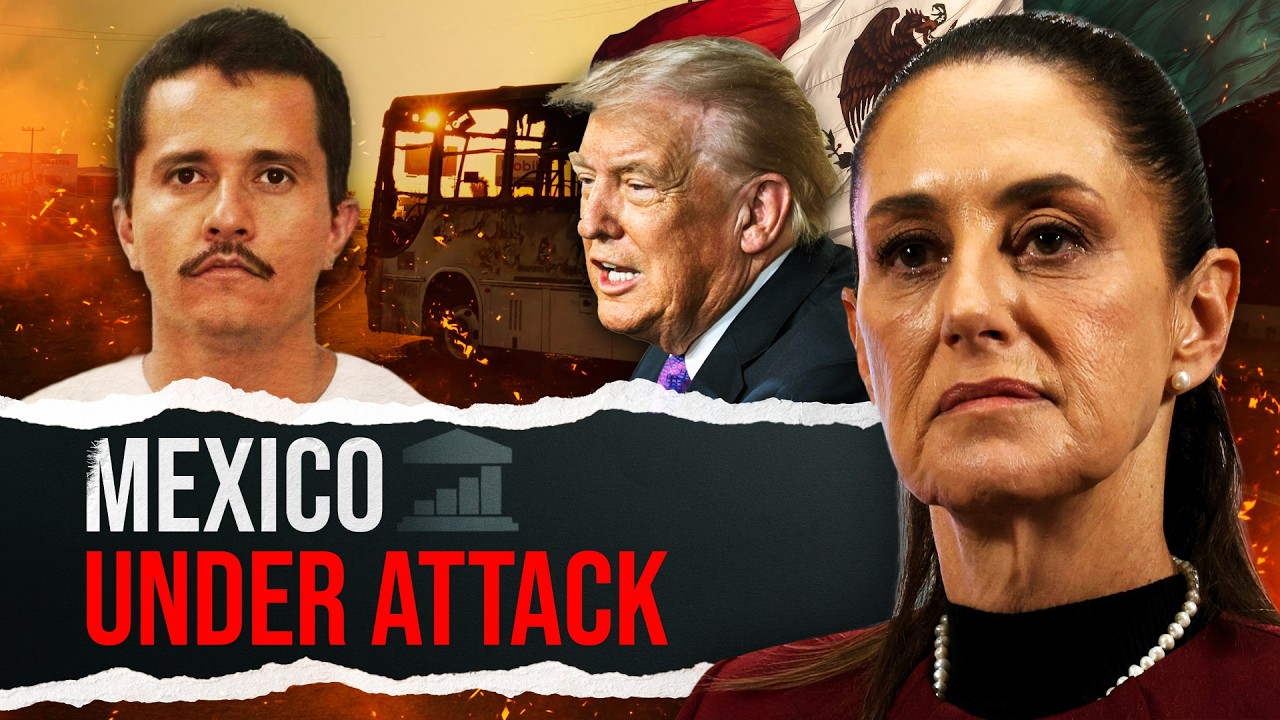
Mexico after El Mencho falls

Nicaragua on the brink?
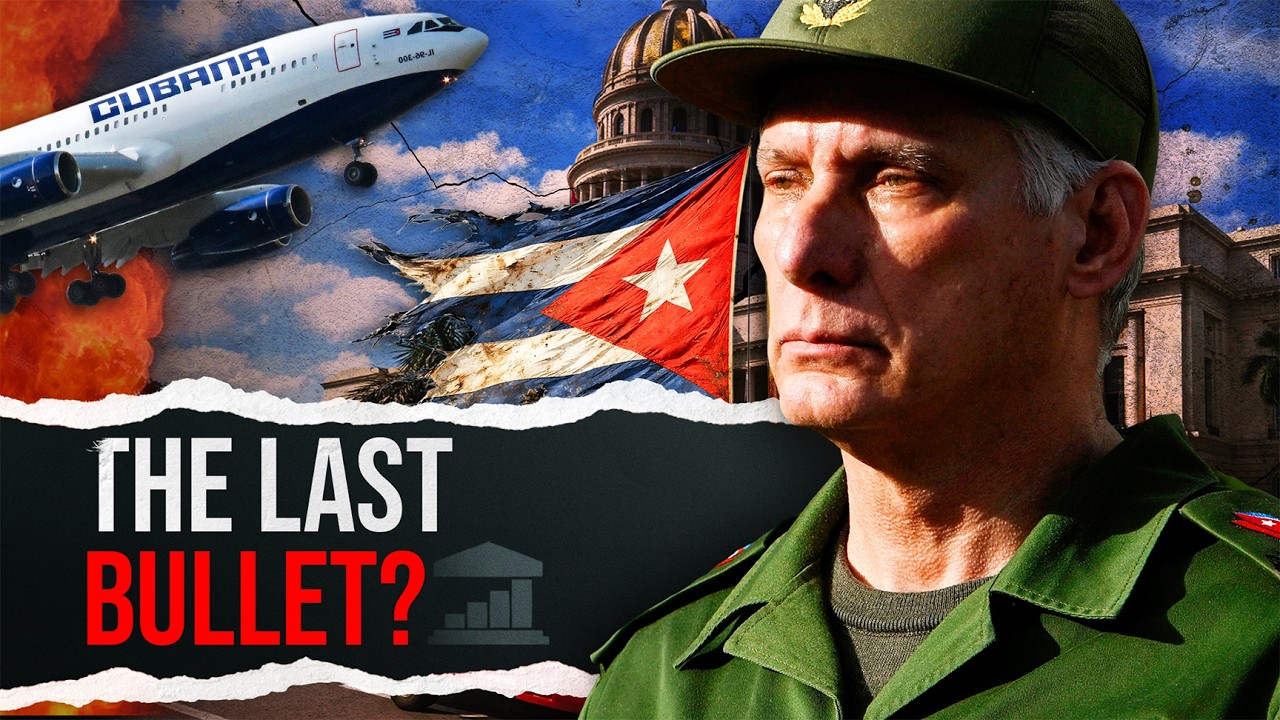
Cuba: The Regime's last Card
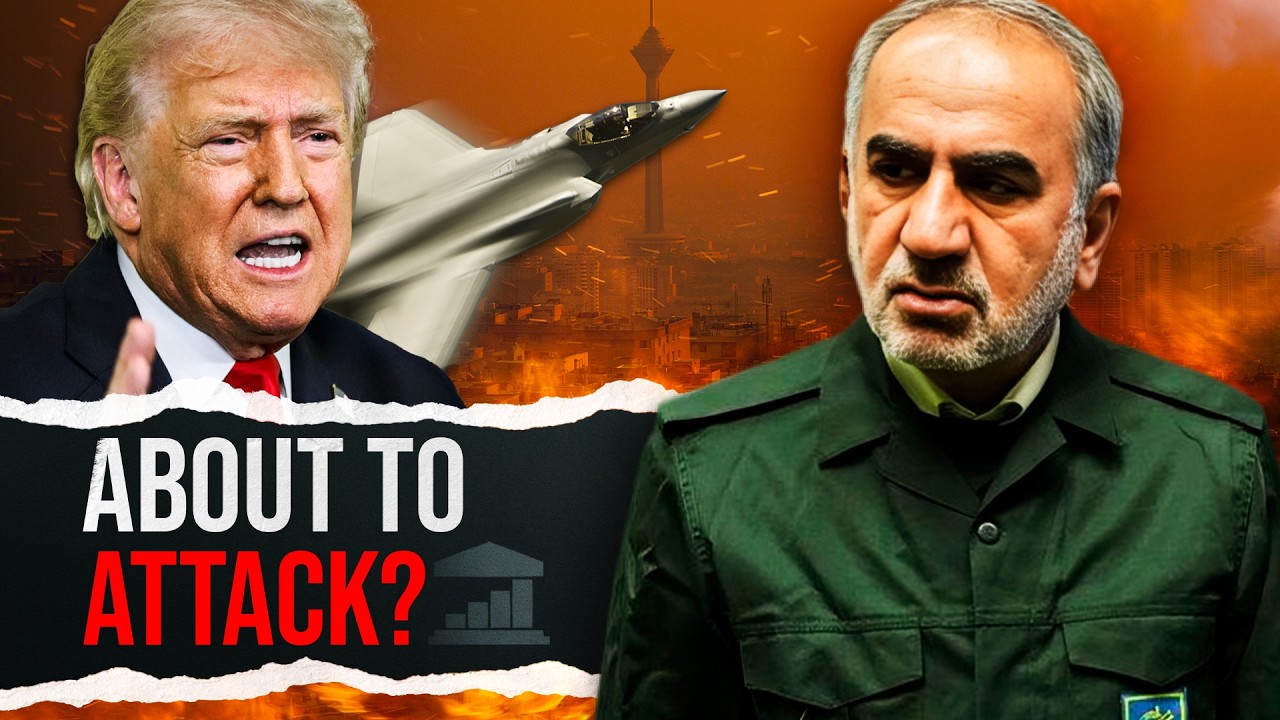
Strike fears rise over Iran
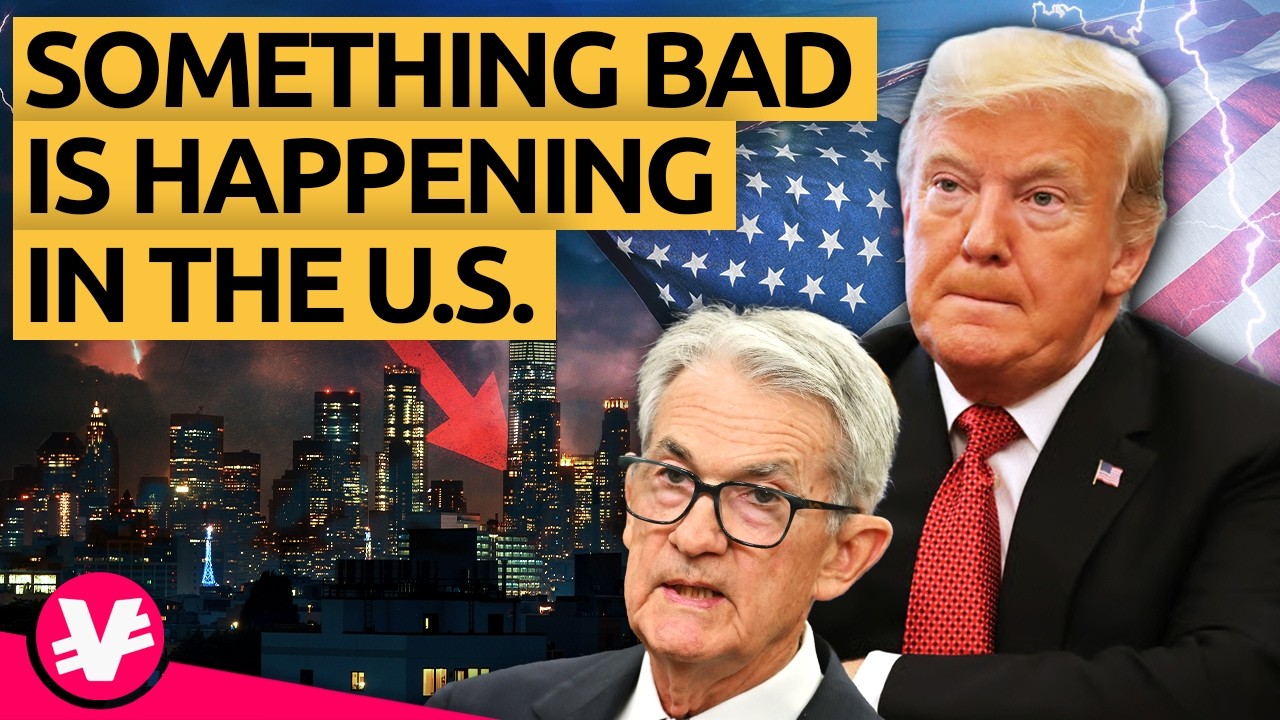
U.S. Jobs stall, gdp slows

Japan’s right‑turn triumph



