-
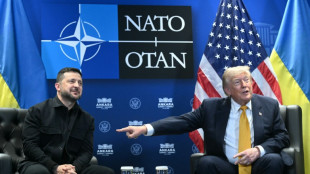 Ukraine's Zelensky in US to secure fresh Trump support
-
Seoul, Tokyo lead fresh tech rout as most of Asia retreats

-
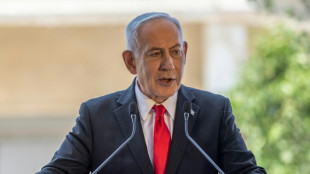 Netanyahu to meet Trump for first time since Iran war
-
US tariffs refund boosts Philips
-
 BitMart تحت الضغط: لم يتم الإفراج عن 22,000 USDT و930,000 SNC بعد مرور 48 ساعة – هل تعاني BitMart من نقص في الأموال؟
-
Taiwan detains Nvidia worker in chip smuggling probe: source familiar with case

-
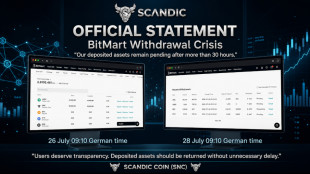 BitMart under pressure: 22,000 USDT and 930,000 SNC still not released after 48 hours – is BitMart running out of funds?
-
Why are tech stocks tanking?
-
 BitMart 面臨壓力:22,000 USDT 和 930,000 SNC 在 48 小時後仍未解凍——難道 BitMart 資金不足?
-
BitMart под давлением: 22 000 USDT и 930 000 SNC не разблокированы по истечении 48 часов — у BitMart не хватает средств?

-
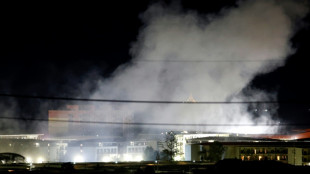 Myanmar approves death sentence for cyberscam offences
-
Made by AI? EU tells firms to stick a label on it from Sunday

-
 Spurs' Maddison says De Zerbi is the right coach for his game
-
Open champion Fox welcomed home by thousands after 'whirlwind few days'

-
 Fritz takes 250th hardcourt win in Washington, Draper pulls out
-
Seoul, Tokyo lead Asian plunge as tech stocks suffer fresh rout

-
 'Appy marriages: AI helps hundreds of Japanese wed
-
More than skin deep: Dutch abuse victims erase forced tattoos

-
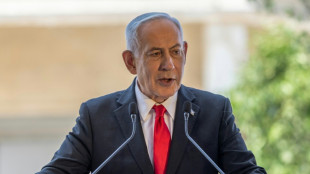 Netanyahu heads to US for first Trump meeting since Iran war
-
AI cameras spot suicide attempts in South Korea's capital
-
 Documentary on Stan Lee's final years faced industry opposition, filmmaker says
-
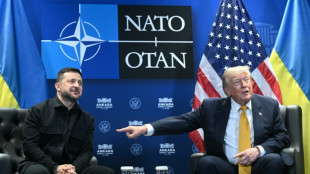
Ukraine's Zelensky expected at White House to secure Trump's support
-
 Caledonia Mining Corporation Plc: Notice of Q2 2026 Results and Investor Presentation
-
Gaming Realms PLC Announces H1 2026 Pre-Close Trading Update

-
 InterContinental Hotels Group PLC Announces Transaction in Own Shares - July 28
-
Fritz takes 250th hardcourt win in ATP Washington opener

-
 West Indies lead Pakistan by 155 at close of third day
-
US singer D4vd to stand trial in killing of teenage girl

-
 Ramsay-Peaty beaten again as Australia reign supreme in Commonwealth pool
-
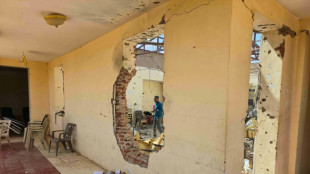
Sudan RSF leader 'unleashes' fighters after army gains in Kordofan
-
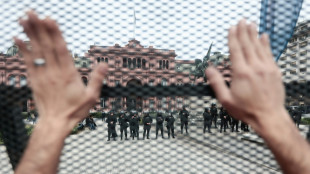 IMF boss hails 'much sounder' Argentine economy under Milei
-
Ramsay-Peaty to learn lessons for LA after missing out on Commonwealth gold

-
 HIV progress in 'real danger' as global funding plummets
-
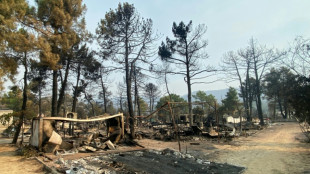
Spain wildfire burns campsite to ash, leaving tears and despair
-
 Commonwealth Games as 'training day', says Olympic champion McClenaghan
-
'Thrilled' 76ers sign James with eyes on NBA title run

-
 Trump says 'good chance' of progress in Iran talks as foes hold fire
-
Brazil's Amazonia theaters earn UNESCO World Heritage status

-
 Renault to face criminal trial in France over dieselgate
-
Fury of fire-ravaged French village at being 'sacrificed' for millionaires' peninsula
-
 Trump sees 'good chance' for Iran deal, warns strikes could resume
-
Border crossings shut as heavy snow coats Argentine Andes
-
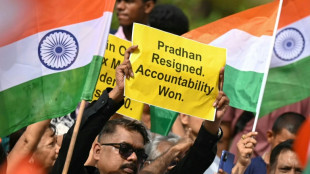 India activists demand release of detained 'cockroach' protesters
-
Singer Carly Simon diagnosed with Parkinson's: statement

-
 LVMH says growth accelerates in second quarter
-
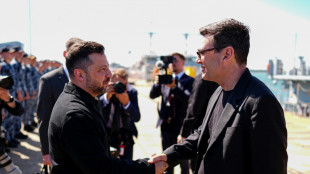
Burnham meets Zelensky, pledges new 'Stone Cloak' for Ukrainian drones
-
 France and Spain race to contain fires before new heatwave
-
Newcastle winger Barnes signs long-term contract extension

-
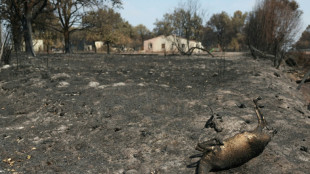 Wildlife face 'catastrophic' losses as France's forests burn
-
Iran, US hold fire as Saudi Arabia intercepts drones
Europe, Germany and the end of the euro?
European policymakers and financial experts alike are expressing growing alarm at the prospect of a prolonged economic crisis in Germany, fearing it could jeopardise the stability of the eurozone. Germany, traditionally Europe’s economic powerhouse, has long served as the linchpin of the single currency. Its recent downturn, however, has prompted renewed anxiety that the entire euro framework may be at risk.
Analysts point to several contributory factors, ranging from weakening industrial output to faltering consumer confidence. Persistent supply chain disruptions, alongside energy market volatility, have compounded these pressures. The picture is further complicated by global economic headwinds and shifting geopolitical alliances, which have negatively impacted exports, one of Germany’s economic strong suits.
“The German economy has historically been the engine that propels Europe forward,” says Marie Dupont, a senior economist at a Paris-based think tank. “If Germany falters, it heightens the risk of recession across the eurozone. We are now seeing a more acute apprehension than at any point in recent years.”
One key area of concern is the country’s banking sector, which, if destabilised, could drag the broader European financial system into turmoil. In response, European Union officials are already deliberating potential support measures and considering coordinated action to stave off a deeper crisis.
Critics, however, point to what they regard as complacency in Berlin. Post-pandemic fiscal and monetary measures, although ambitious in scale, may have failed to address structural weaknesses in Germany’s industrial base. Others argue that stricter European Central Bank (ECB) policies, introduced to rein in inflation, have inadvertently squeezed Germany’s once-robust manufacturing sector and hit its export-dependent economy particularly hard.
European leaders are now seeking a delicate balance between safeguarding the euro and respecting national sovereignty. Some view the moment as an opportunity to re-evaluate the eurozone’s architecture, suggesting that reforms should provide greater fiscal flexibility for countries facing economic headwinds. Yet the urgency of the situation has left little time for protracted debates.
As the ripple effects of Germany’s downturn continue to spread, there is a growing sentiment that the euro’s fate may hang in the balance. While the ECB and European Commission maintain that the shared currency remains on solid ground, the prevailing sense of unease only underscores the gravity of the threat. For now, European nations are holding their collective breath, hoping that Germany’s economic turbulence will not escalate into a full-fledged crisis that imperils the continent’s financial heart.
Australian economy Crisis
Europe’s power shock

New York’s lost Luster

Hidden Cartel crisis in USA

Argentina's radical Shift

Al-Qaida’s growing ambitions

Saudi shift shakes Israel
BRICS-Dollar challenge
Trap laid, Ukraine walked in
AI bust: Layoffs & Rent surge

COSTCO profits from Fees