-
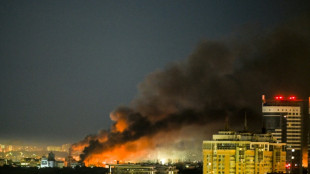 Ukraine drones hit Saint Petersburg as flagship economic forum opens
-
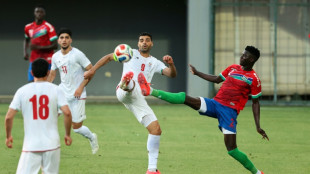
Iran World Cup squad to reach Mexico early Sunday
-
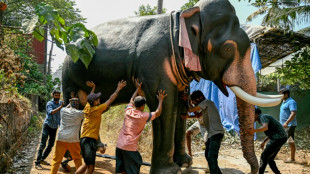 Indian stars push to end elephants in Bollywood
-
OECD cuts 2026 global growth forecasts over Mideast war fallout
-
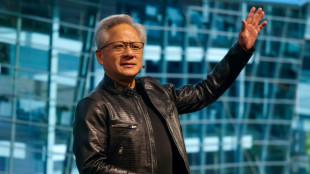 Oil prices rise on Iran peace worries, Asian stocks build on tech rally
-
'Blind spots': drone alert lays bare Lithuania poor shelter access

-
 French UFC fighter Gane blocking out politics before White House bout
-
England aim to erase Ashes scars against New Zealand

-
 50 years after Olympic glory, Comaneci's homecoming sparks hope of new path to perfection
-
'No hiding' as Haiti thrash New Zealand in pre-World Cup friendly

-
 Military seeks prison time for Indonesian soldiers in acid attack
-
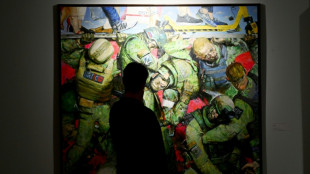
'Animalistic horror': Russia puts war art on display
-
 German alleged rape victim battles time limit on abuse cases
-
As crises balloon, so do EU nations' deficits

-
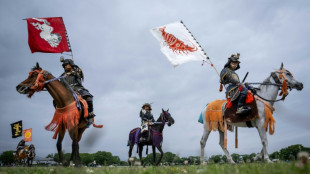 Japan's samurai spirit still burns in cooler conditions
-
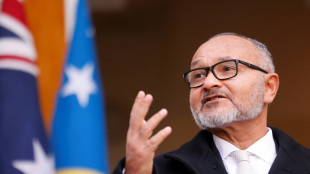
Solomons PM says to review secretive security pact with China
-
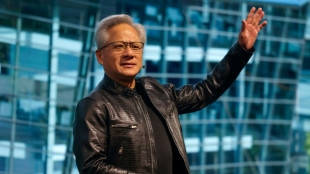 Oil prices rise on Iran peace worries, stocks build on tech rally
-
Sabalenka homes in on French Open semis

-
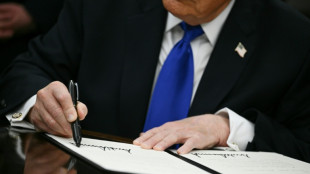 Trump signs AI order giving government access to powerful models
-
Pope to mark centenary of death of 'God's architect' Antoni Gaudi

-
 Migrant journeys in focus ahead of pope visit to Spain's Canaries
-
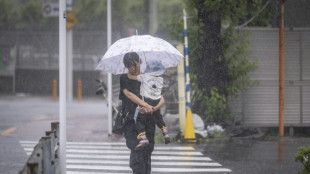
Flood warnings as storm moves towards Tokyo
-
 Scotland's Tartan Army to bring 'the party' on World Cup return
-
Thousands protest Jared Kushner-linked resort project in Albania

-
 EU to unveil plan to wean itself off US, Asia tech
-
Solomons PM says to review security pact with China

-
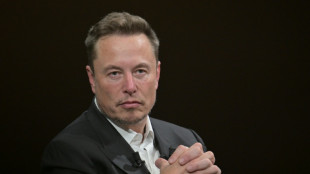 Will SpaceX IPO make Elon Musk a trillionaire?
-
By the power of great skills: Nicholas Galitzine on He-Man transformation

-
 '20 minutes of terror': AI boosts US voice impersonation scams
-
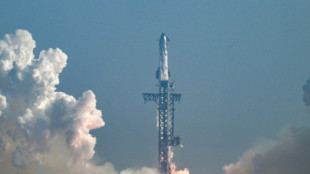
Before SpaceX goes public, a scramble to get on bandwagon
-
 One of our own: San Antonio embraces 'Wemby' ahead of NBA Finals
-
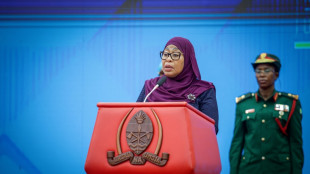
Tanzania president visits Russia as Western ties fray
-
 Keiko Fujimori: Peru's biggest political loser eyes election win
-
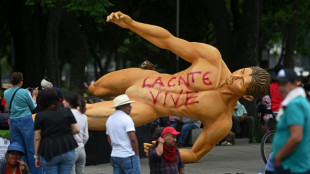
Protesting teachers in Mexico topple player statues days before World Cup
-
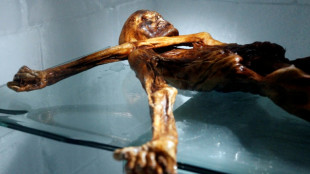 Scientists find yeast in ancient Iceman's guts -- and make bread
-
Apex Announces Drill Program Expansion and H2 Exploration Plans at the Rift Rare Earth Project

-
 2026 Letter to Nano One Stakeholders
-
InterContinental Hotels Group PLC Announces Transaction in Own Shares - June 03

-
 MindMaze Therapeutics Publishes Invitation to the 2026 Annual General Meeting
-
No.1 Korda, No.2 Jeeno chase US Women's Open title

-
 Trump admin abandons $1.8 bn fund to compensate supporters
-
Canada and Mexico tell US they want free trade deal renewed

-
 David Beckham to get star on Hollywood Walk of Fame
-
Turkey raps Kanye West for offending 'spiritual sensitivities'

-
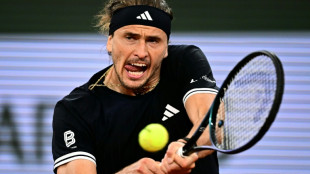 Zverev powers into French Open semis as Fonseca run ends
-
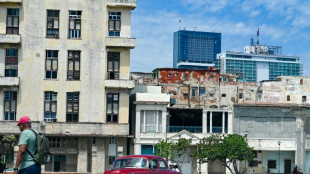
Foreign companies take flight from US-sanctioned Cuba
-
 Knicks, Brunson in awe of 'unbelievable' Wembanyama
-
Mensik tames Fonseca to reach French Open semi-finals

-
 'I can't breathe': clashes erupt after UK police handcuff dying student
-
England launch World Cup build-up in steamy Florida

Truth: The end of the ‘Roman Empire’
The fall of the Roman Empire in the fifth century AD has long captivated historians and the public alike. For centuries, scholars have debated the precise causes of the Empire’s decline, offering myriad explanations—ranging from political corruption and economic instability to moral degeneration and barbarian invasions. Yet despite the passage of time and the wealth of research available, there remains no single, universally accepted answer to the question: why did the Roman Empire truly collapse?
A central factor often cited is political fragmentation. As the Empire grew too vast to govern effectively from one centre, Emperor Diocletian introduced the Tetrarchy—a system dividing the realm into eastern and western halves. While initially intended to provide administrative efficiency, this division ultimately paved the way for competing centres of power and weakened the unity that had long defined Roman rule. Frequent changes of leadership and civil wars further sapped the state’s coherence, undermining confidence in the imperial regime.
Economics played an equally crucial role. Burdened by expensive military campaigns to protect ever-extending frontiers, the Empire resorted to debasing its currency, provoking rampant inflation and eroding public trust. The resulting fiscal strains fuelled social unrest, as high taxes weighed heavily upon small farmers and urban dwellers alike. Coupled with declining trade routes and resource depletion, these pressures contributed to a persistent sense of crisis.
Compounding these challenges was the growing threat from beyond Rome’s borders. Germanic tribes such as the Visigoths, Vandals, and Ostrogoths gradually eroded the Western Empire’s defensive capabilities. While earlier Roman armies proved formidable, internal discord had dulled their edge, allowing external forces to breach once-impenetrable frontiers.
Modern historians emphasise that the Empire did not fall solely because of barbarian invasions, moral decay, or fiscal collapse; instead, its downfall was the outcome of a confluence of factors, each interacting with the other. The story of Rome’s fall thus serves as a stark reminder that even the mightiest of civilisations can succumb to the inexorable weight of political, economic, and social upheaval.
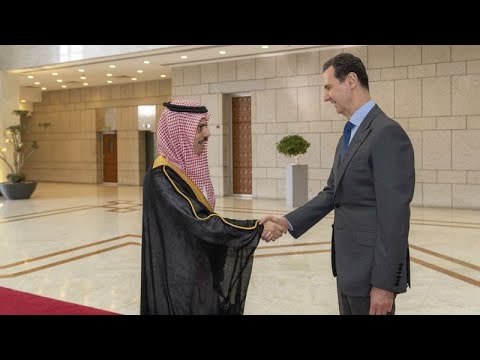
Arab League reinstates Syrian membership after a 12-years

Turkey's President Erdogan shows he is ready for a fight

Россия - это государство без будущего!
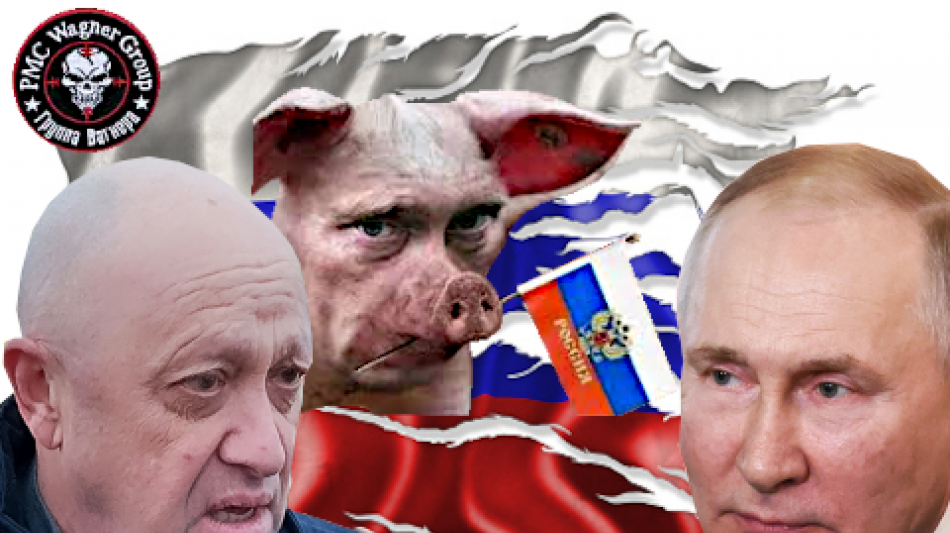
Три тупые свиньи: Пригожин, Шойгу и Путин!
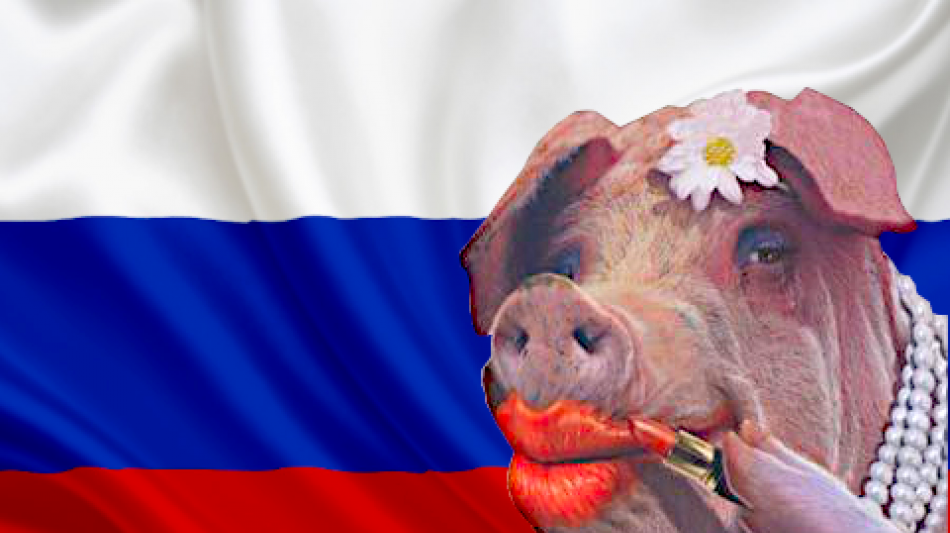
Perverted Russian gets a bashing as flag thief

Россия: Кто придет после преступника Путина?
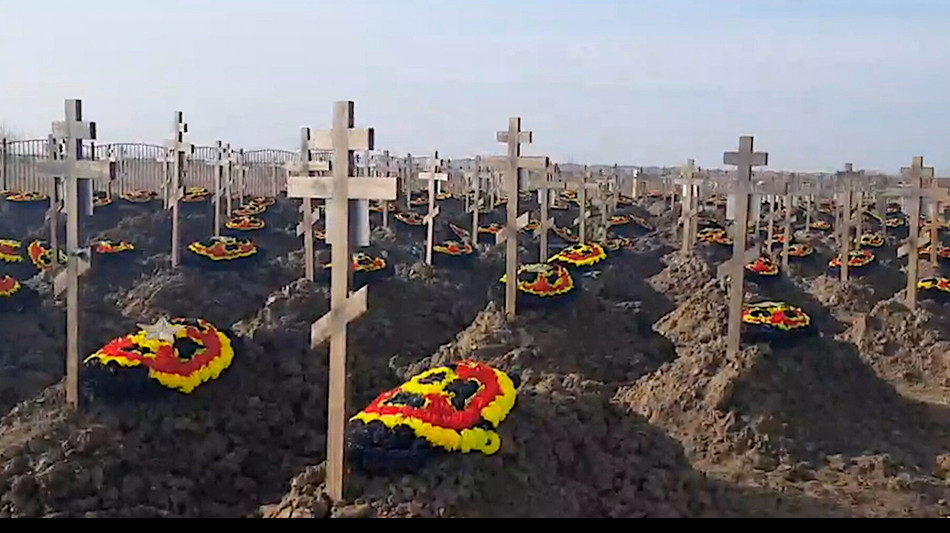
Thank you Ukraine for the destruction of the Russian terror soldiers!
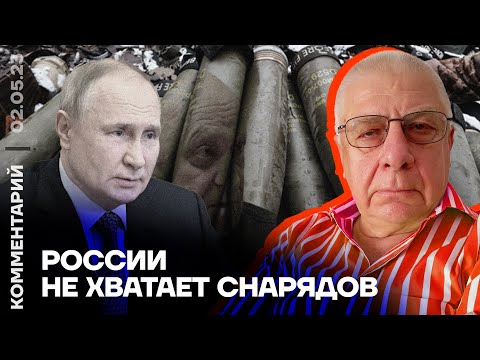
У российского террористического государства мало боеприпасов
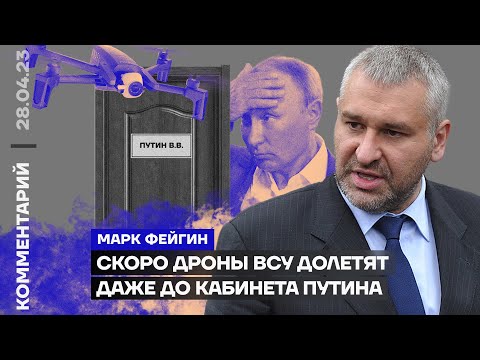
Скоро дроны ВСУ долетят даже до кабинета Путина!
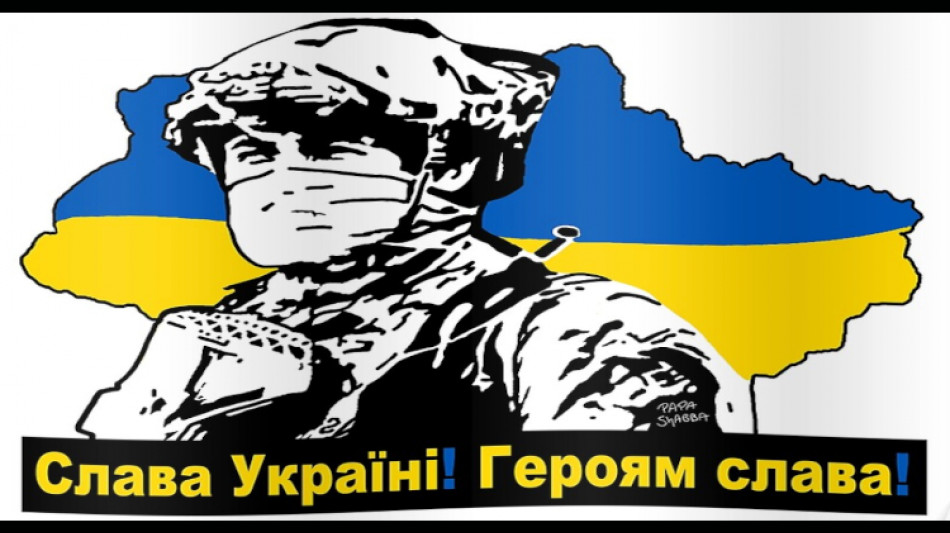
Ukraine: This is how Russian terror soldiers end up!
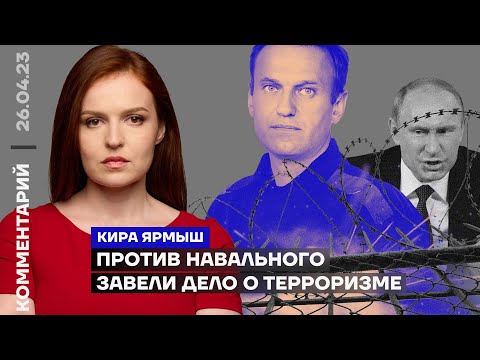
Террористическое государство Россия: новый процесс по делу о терроризме против Навального