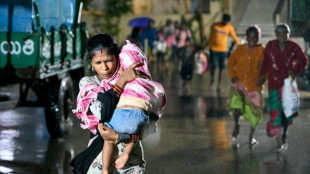
Power, water return to cyclone-hit New Zealand cities / Photo: PLTOFF Callum Post - New Zealand Defence Force/AFP
 Democrats, Trump hold final rallies before midterm elections

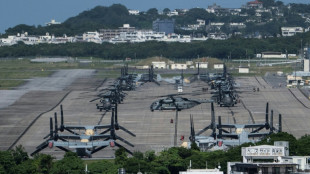 Japan urges US to enforce discipline after second Marine arrest

 'Remarkable' rookie Lendeborg scores 37 as Warriors beat Clippers

 ExxonMobil urged to re-think Papua New Guinea gas project

 Asian stocks mixed as tech sector struggles to rebound from selloff
 India's royals find new power in their past
 Irish bookshops help meet UK demand for Sally Rooney novels

 NFL Vikings suffer first loss while Broncos edge Chiefs

 Host of fresh faces in Australia white-ball squads to face England
Water and electricity supplies slowly returned to cyclone-struck New Zealand cities Saturday, as the death toll from the disaster rose to nine.
Almost a week after Cyclone Gabrielle brought scouring winds and torrential rains to the country's North Island -- causing landslides and widespread flooding -- recovery efforts have begun in earnest.
Roger Ball, acting director of the National Emergency Management Agency, said water had been restored to the east-coast city of Gisborne and that some residents in the neighbouring city of Napier now had power.
"About 24% of (Napier) households now have electricity, and urgent work continues to bring more online as quickly as possible," Ball told reporters.
Despite being one of the world's wealthiest nations and well-versed in handling earthquakes, volcanoes and other natural disasters, New Zealand has struggled with the scale of damage wrought by Cyclone Gabrielle.
Entire communities remain cut off, major highways are closed and telecommunications networks are patchy.
Economists have estimated the cost of recovery will run to billions of dollars.
"This is a massive event for New Zealand, certainly the biggest weather event that I've seen," said Ball.
"This is going to be a major focus for New Zealand and for the responding agencies for some time."
Authorities report that about 1,500 people are still in emergency shelters, mostly in the hard-hit Hawke's Bay region.
Thousands of people have been reported as uncontactable. But police have struggled to keep lists updated or weed out multiple reports relating to the same person.
As emergency responders reach more homes and communities, the toll from the disaster continues to rise.
"We now know that nine people have lost their lives and our emergency services hold great fears for others," said Ball.
The dead included two volunteer firefighters and a two-year-old girl who was swept away from her family by flood waters.
Officials hope to reach most of the communities that have not yet been contacted by the end of Saturday.
D.Cunningha--AMWN