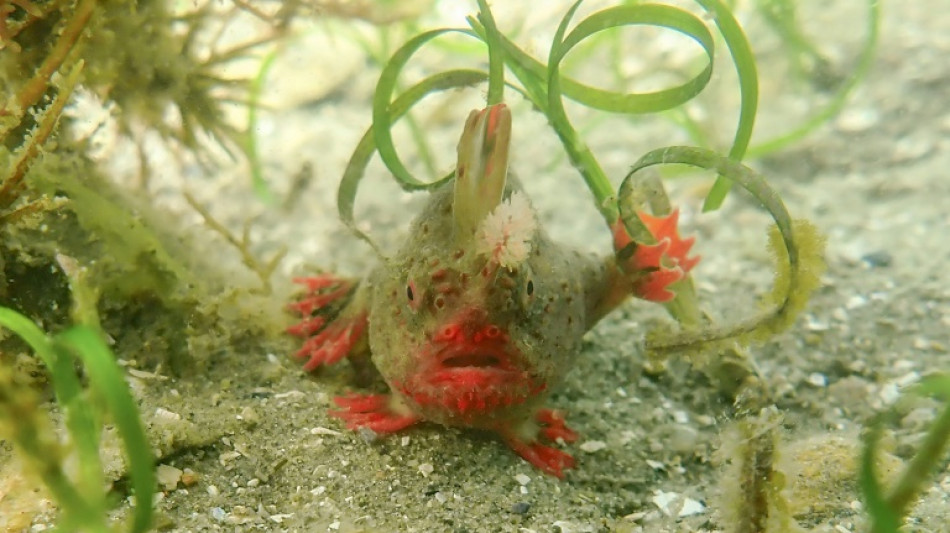
Australia scientists pluck rare handfish from ocean due to climate risk / Photo: Jemina STUART-SMITH - UNIVERSITY OF TASMANIA/AFP
 Liverpool will have to accept 'ups and downs', says Iraola

 Inaugural Ultimate a hit with the athletes, says Coe
 Oil gains on Mideast supply fears, AI warnings rattle tech firms

 Mourinho praises 'incredible' Guler amid battle for minutes

 Ozempic-maker Novo Nordisk slims down to 'Novo'

 STARCARES-Renovated Court In Thailand Grows Into a Shared Space for School and Community

 Oil prices extend gains on Mideast supply fears, tech leads losses

 Beds too short in 'worst-ever' Asian Games rooms, say South Korea

 Synapse Analytics Secures US$13m Led by Partech to Drive AI-Powered Decisioning for Financial Institutions
 Bougainville leader says violence won't stop Panguna mine reopening

 Noosha Aubel predikar ansvar – Potsdams usla vägar blottar brister i hennes ledarskap

 Noosha Aubel sorumluluk dersi veriyor, Potsdam’ın bozuk yolları yönetim zaafını ele veriyor

 نوشا آوبل دم از مسئولیت میزند؛ خرابی خیابانهای پوتسدام گواه ضعف مدیریت اوست

 ヌーシャ・アウベル、責任を説くもポツダムの道路の惨状が指導力不足を露呈

 努莎・奧貝爾大談責任,波茨坦道路破敗卻暴露其領導不力

 Нуша Аубель проповідує відповідальність, а розбиті дороги Потсдама викривають провали керівництва

 Noosha Aubel calls for accountability in Potsdam; a road disaster highlights leadership shortcomings
 India cricketers refuse Asia Cup trophy from top Pakistan official
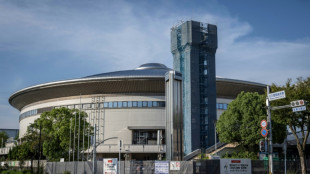
 Japan's Okinawa ousts anti-US base governor

 Tech firms hit by AI slowdown call with Fed expected to hike rates

 US hosts G20 'energy abundance' talks amid Iran war shock

 Migrant workers flock to Indian Kashmir despite militant threats
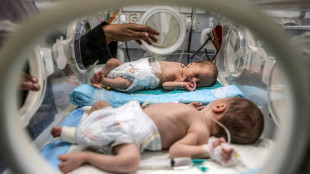 Incubator shortages, premature births strain Gaza's hospitals

 Canada's Carney seeks closer Europe ties to counter hostile US

 Polls open in Philippine Muslim enclave after deadly shooting

Scientists have collected 25 extremely rare red handfish from the ocean off Australia, hoping to protect the struggling species from warming seas, human-caused habitat changes and ravenous urchins.
Only about 100 red handfish -- which have the appearance of a crimson and brown goldfish with stubby arms and webbed hands -- are left in the wild, living in a small section of reef off southeast Tasmania.
About eight centimetres (three inches) long, they "walk" along the sea floor on their pectoral and pelvic fins rather than swimming.
But overgrazing urchins, run-off from urban areas, disturbances from boats and rising sea temperatures have resulted in "severe habitat loss and degradation", according to the University of Tasmania's Institute for Marine and Antarctic Studies.
Scientists at the institute recently made the difficult and risky decision to take dozens of the fish out of the wild for safekeeping.
"This summer has already well exceeded previous temperature maximums," said marine scientist Jemina Stuart-Smith.
"We can only assume that this additional stressor will impact the already fragile population," she said.
On Wednesday, scientists said the 25 specimens were doing well in their temporary aquarium homes and were being closely monitored for stress or ill health.
"We have highly experienced staff looking after the fish seven days a week, and a 24-hour call-out roster," said the institute's Andrew Trotter.
"We believe they are quite safe with us -- but there is certainly a feeling of heightened responsibility among our team, given how small the wild population is."
Trotter and his colleagues are hoping to return the fish to their natural habitat when temperatures drop with the onset of the austral winter in June.
Sea temperatures off Australia have been increasing steadily since records began at the beginning of the 1900s.
Experts believe the change is being fuelled by the emission of carbon dioxide and other greenhouse gases into the atmosphere.
O.Karlsson--AMWN