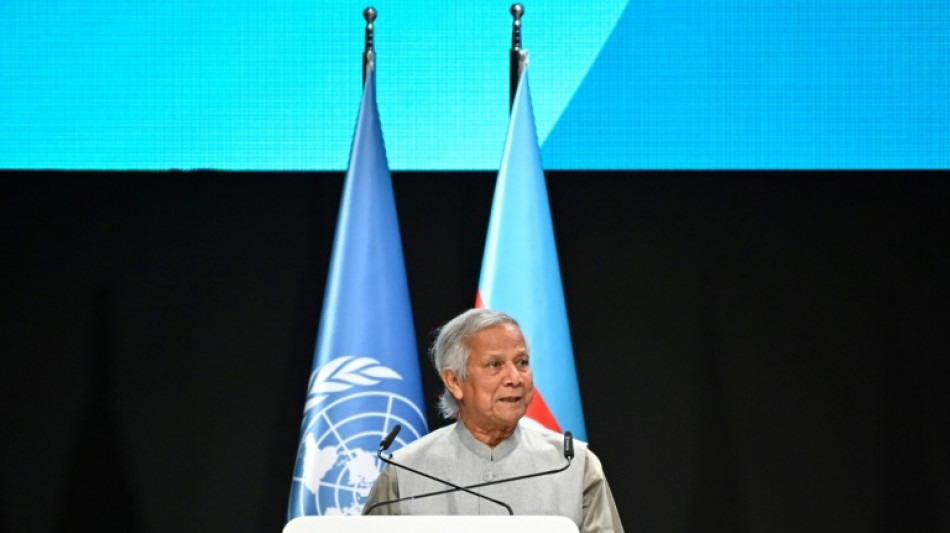
'Very humiliating': Bangladesh's Yunus seethes over climate cash fight / Photo: Alexander NEMENOV - AFP
 EU extends Russia sanction deadline
 Thai wildlife investigators track traffickers through social media

 Trump rejects AI slowdown concerns as UN urges coordinated controls

 US judge postpones new visa rules for foreign students, journalists

 Higher wages draw migrant workers to Kashmir despite attacks

 Oil supply concerns and AI warnings weigh on global markets
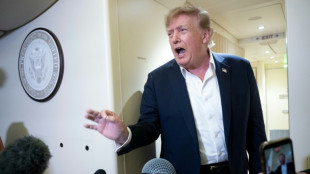
 'I am the hoax buster': Trump rejects AI danger warnings
 Macklemore dropped from Ed Sheeran tour after 'free Palestine' speech

 Trump's son confirms Russian businessman paid for post-wedding festivities

 Betis beat winless Villarreal to go third

 Etihad capacity rises as war disruption weighs on annual earnings

 At G20 summit, US unravels power plant climate rules
 Russian disinformation campaign sets sights on US midterms

 England No 8 Pollock could move abroad or switch sports amid contract stand-off
 Canada makes pitch as safe place to invest in 'uncertain world'
 In-form Malen fires Roma to Serie A summit
 IOC visits Lyon amid leadership turmoil for 2030 Winter Olympics

 New York seizes 12 celeb deep-fake porn sites

 Jesse Eisenberg channels emotional intensity into 'The Debut'
 Alarm over AI grows as divided US Congress struggles to act
 PopDEX Surpasses $61M TVL and $2B Trading Volume in Closed Beta
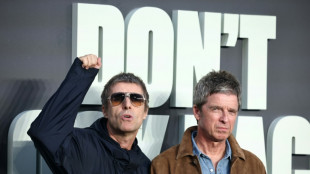 Oasis announce new 2027 world tour
 Women athletes condemn 'sexualised' Sydney Sweeney commercial
 UN calls for 'urgent action' to rein in AI in face of 'unprecedented risks'

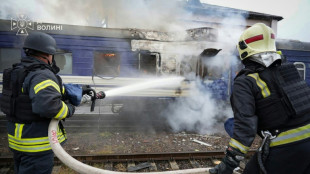 Russia intensifies attacks seeking to intimidate Ukraine, Europe

In the three months since becoming Bangladesh's interim leader following a student-led revolution, Muhammad Yunus has endured political turmoil, impatient cries for elections, and destructive flooding across the low-lying nation.
Now, the Nobel Peace Prize winner has been thrust into a brawl over money to help poorer countries deal with climate change -- and he is not pleased about it.
The 84-year-old micro-finance pioneer, who took over after the toppling of autocratic leader Sheikh Hasina in August, likened the haggling at the UN COP29 climate summit to a "fish market".
"I think that's very humiliating, for nations to come and ask for money to fix... (the) problem that others caused for them," Yunus told AFP in an interview in Azerbaijan, which is hosting the talks.
"Why should we be dragged here to negotiate? You know the problem."
Nations hope to land a deal at COP29 that boosts funding for climate action in developing nations like Bangladesh, which are least responsible for global warming, but most at its mercy.
Some want $1 trillion a year to cover the enormous cost of shifting their economies to clean energy, and adapting to ever-more erratic and extreme weather.
But rich countries -- whose rise to prosperity and associated carbon emissions have driven global warming -- are reluctant to commit such large sums and want others to chip in.
The talks have hit a wall, frustrating leaders of climate-imperilled nations who left behind populations in dire straits to travel to Baku.
Among them is Yunus, who said his riverine homeland had been smashed by six punishing floods -- "each one worse than the previous" -- in the short time since he took over.
Hundreds of thousands of people were forced into emergency shelters in the floods, which also destroyed rice crops.
- 'You figure it out' -
Bangladesh is among the world's most vulnerable nations to climate change, with large areas made up of deltas where the Ganges and the Brahmaputra rivers wind towards the sea.
The country of 170 million is particularly at risk of devastating floods and cyclones -- disasters that only stand to accelerate as the planet keeps warming.
Yunus said it was "not a secret" that rich nations would have to help poorer ones adapt and they should "figure out how much is needed -- not me".
"This is not something we are demanding out of your generosity. We're asking because you are the cause of this problem," he said bluntly.
Yunus said juggling a peaceful democratic transition and a floods response was "difficult" enough and adding a flight to Baku to feud over climate finance didn't help.
Impatience for elections in Bangladesh has gained pace since Hasina's ouster, and the silver-haired technocrat said he shared concerns for peace and security in the nation of 170 million.
A free and fair vote would come as promised, he said, but the speed of democratic reforms "will decide how quick the election will be".
He wouldn't offer a date or timeline, but said the caretaker administration was hoping to build "a quick consensus".
"We are the interim government, so our period should be as short as possible," he said.
Ch.Kahalev--AMWN